
In the intricate landscape of personal and business finance, account numbers serve as fundamental identifiers, akin to digital fingerprints for your financial relationships. From setting up direct deposits to paying bills, initiating transfers, or even disputing transactions, knowing how to efficiently and securely locate these crucial digits is a non-negotiable skill for effective financial management. This guide delves into the various types of account numbers, where to find them, and the essential security considerations involved, all within the overarching context of prudent money management.
The Indispensable Role of Account Numbers in Financial Management
At its core, an account number is a unique string of digits assigned by a financial institution or service provider to identify a specific account. While seemingly simple, these numbers are the backbone of virtually every financial transaction and interaction you have. Understanding their purpose and necessity is the first step in mastering your financial information.
More Than Just Digits: Understanding Their Purpose
Account numbers are not merely random sequences; they are meticulously structured identifiers that facilitate the smooth and accurate flow of funds and information. Each type of account — be it a checking account, a credit card, a loan, an investment portfolio, or a utility service — will have its own distinct number, designed to precisely direct inquiries or funds to the correct destination. Without these unique identifiers, the global financial system would grind to a halt, as there would be no way to differentiate between billions of individual accounts.
For instance, your bank account number, often paired with a routing number, forms the complete address for electronic fund transfers (EFTs). Your credit card number, along with its expiration date and security code, enables online and in-person purchases. Loan account numbers ensure your payments are applied to the correct debt. Utility account numbers tie your consumption to your billing profile. In essence, these numbers are the keys that unlock access to and control over your financial resources and obligations.
Why You Need Them: Common Financial Scenarios
The scenarios requiring you to look up an account number are numerous and frequent in both personal and business finance. Being able to quickly access this information saves time, prevents errors, and ensures that your financial affairs run smoothly.
- Setting Up Direct Deposit/Debit: When starting a new job, updating your payroll information, or enrolling in automatic bill payments, your bank account and routing numbers are essential. This automates income reception and ensures timely bill payments, preventing late fees and maintaining a good credit standing.
- Transferring Funds: Whether you’re moving money between your own accounts, sending money to family or friends, or making payments to service providers, account numbers are required for secure and accurate transfers, especially for larger sums or international remittances.
- Paying Bills: While many modern services allow payment via card or automated systems, sometimes you need to provide your utility, credit card, or loan account number directly to ensure your payment is correctly applied. This is particularly true for manual payments or when communicating with customer service regarding billing inquiries.
- Applying for Loans or Services: When applying for a new mortgage, car loan, or even certain insurance policies, you may be asked to provide details of your existing bank accounts or credit accounts for verification and underwriting purposes.
- Tax Filing and Financial Reporting: For tax purposes, you might need account numbers related to investment income, interest earned, or certain deductions. Businesses regularly use account numbers for reconciliation, auditing, and financial reporting.
- Disputing Transactions or Reporting Fraud: If you spot an unauthorized charge or an error on your statement, you’ll need your account number when contacting your financial institution to initiate an investigation or report potential fraud.
- Managing Investments: Accessing and managing your brokerage or investment accounts often requires an account number, especially when linking external bank accounts for deposits or withdrawals.
Navigating Digital Pathways: Finding Your Numbers Online
In today’s digitally driven world, the most common and often quickest way to find your account numbers is through online platforms and mobile applications. Financial institutions have invested heavily in secure digital channels, making account information readily accessible.
Your Bank’s Online Portal and Mobile App
For checking, savings, and often loan accounts, your bank’s official website and mobile app are invaluable resources.
- Online Banking: After logging into your bank’s secure online portal, navigate to the specific account you need information for. Typically, you’ll find an “Account Details,” “Account Summary,” or “Statements” section. Here, you should be able to view your full account number, and often your routing number. Some banks might require a secondary verification step (e.g., a one-time passcode sent to your phone) before displaying sensitive information.
- Mobile App: Bank mobile apps are designed for convenience. Once logged in, tapping on a specific account will usually bring up its details. For security, some apps might only display the last few digits of your account number, requiring you to click a “Show Full Account Number” option, which might then prompt for a PIN or biometric authentication (fingerprint, face ID). Always ensure you are using the official app from your bank and not a fraudulent look-alike.
Investment Platforms and Brokerage Accounts
If you manage stocks, bonds, mutual funds, or other investments, your brokerage firm or investment platform will also have specific account numbers.
- Brokerage Website/App: Log in to your investment account online. Similar to banks, look for “Account Details,” “Profile,” or “Statements” sections. Investment account numbers are crucial for linking external bank accounts for funding or withdrawals, and for tax reporting.
- Retirement Accounts (401k, IRA): These are often managed by third-party administrators (e.g., Fidelity, Vanguard, TIAA-CREF). Accessing their dedicated portals will allow you to find your specific retirement account numbers.
Utility and Service Provider Websites
For household bills like electricity, gas, water, internet, or phone services, your account number is typically prominent on your online billing portal.
- Login and Navigate: Access your service provider’s website and log in to your account. Your account number is usually displayed on the main dashboard, under “My Account,” or directly on your electronic billing statements within the portal. This number is vital for contacting customer service or making manual payments.
The Tangible Trail: Locating Numbers on Physical Documents
While digital access is convenient, physical documents remain a reliable source for account numbers, especially if you prefer tangible records or if digital access is temporarily unavailable.
Checking Accounts: Checks, Statements, and Debit Cards
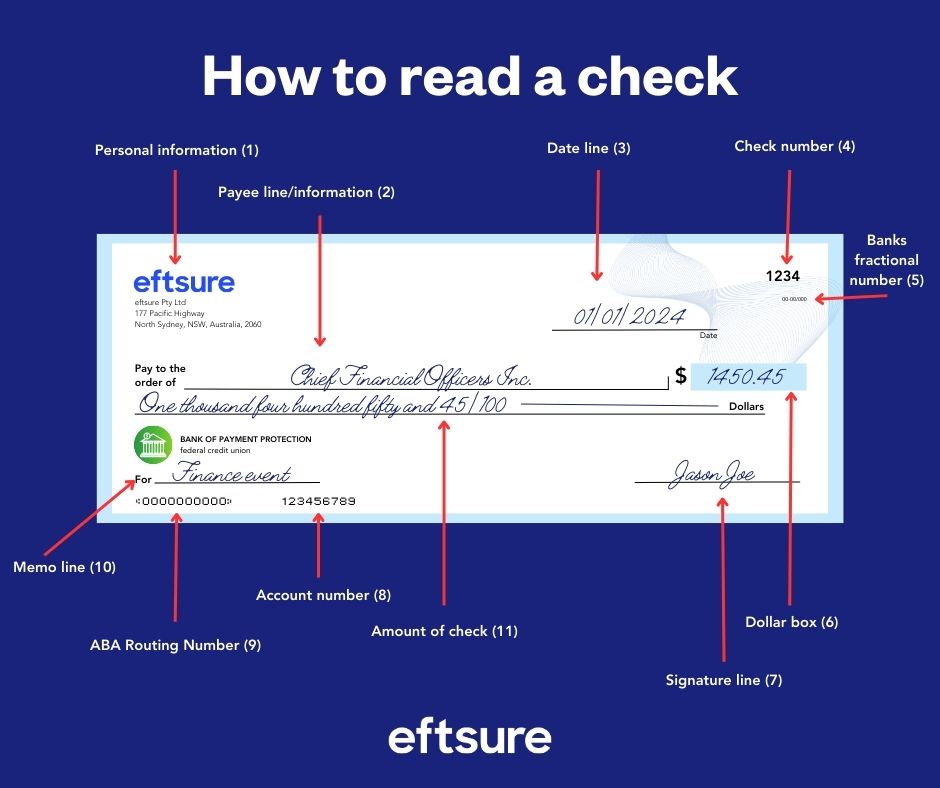
For checking accounts, multiple physical sources can provide your account number.
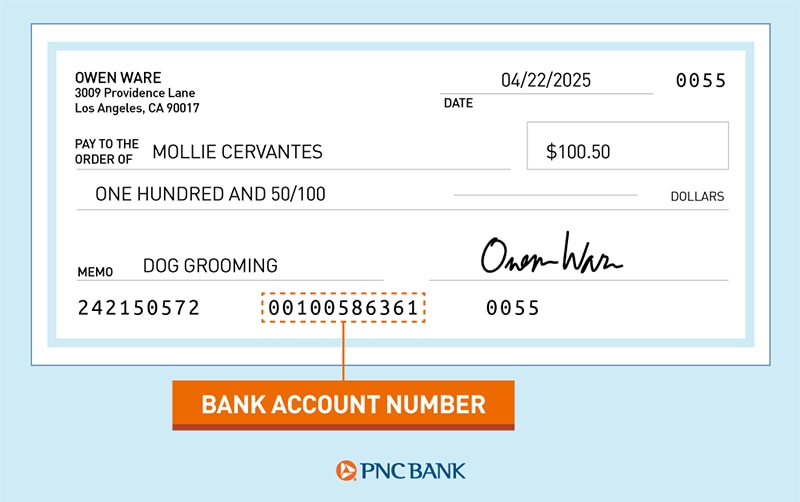
- Personal Checks: Your full checking account number is printed at the bottom of your personal checks, usually the middle set of digits between the routing number (first set) and the check number (last set). Never share a voided check indiscriminately, as it contains both your account and routing numbers.
- Bank Statements: Whether paper statements mailed to your home or e-statements downloaded from your online banking portal, your bank account number will always be clearly listed, typically at the top of the statement or within the account summary section.
- Debit Cards: While a debit card has a 16-digit card number, this is not your bank account number. The debit card number is used for transactions processed through card networks (Visa, Mastercard). However, some banks might print the full or partial underlying bank account number on the physical card itself, though this is less common due to security concerns. It’s best to rely on checks or statements for the primary bank account number.
Credit Cards and Loan Agreements
Credit card numbers are distinct from bank account numbers and are found on the card itself, while loan numbers are typically found on the loan documentation.
- Credit Cards: Your 16-digit credit card number is embossed or printed on the front or back of your physical credit card. Remember, this is separate from your underlying bank account. For online transactions, you’ll also need the expiration date and the 3 or 4-digit security code (CVV/CVC) usually found on the back.
- Loan Agreements and Statements: For mortgages, auto loans, personal loans, or student loans, your account number will be prominently displayed on your original loan agreement documents and on all subsequent monthly statements. Keep these documents organized and accessible.
Insurance Policies and Bills
Even beyond traditional banking, various service providers assign account numbers.
- Insurance Policies: For health, auto, home, or life insurance, your policy number serves as your primary identifier. It’s found on your insurance cards, policy documents, and billing statements. This number is critical for filing claims or contacting your provider.
- Utility Bills: Your account number for electricity, gas, water, and internet services is consistently printed on your paper bills. It’s usually near the top of the bill, often labeled “Account No.” or “Customer ID.”
When All Else Fails: Direct Contact and Other Avenues
Despite the numerous digital and physical sources, there might be rare occasions when you cannot locate an account number through conventional means. In such situations, direct communication with the institution is your next step.
Reaching Out to Customer Service
This is the most direct and reliable method when you’re struggling to find an account number.
- Phone Support: Call the official customer service number listed on the institution’s website, an old statement, or the back of your card. Be prepared to go through rigorous identity verification, which typically includes answering security questions, providing personal details (date of birth, social security number, address), and potentially verifying recent transactions. This process is crucial for preventing unauthorized access to your information.
- Secure Messaging: Many online banking and investment platforms offer secure messaging systems within their portals. You can often inquire about your account number through this channel, though they may still route you to a phone call for sensitive details.
Visiting a Branch or Local Office
For brick-and-mortar institutions, an in-person visit can be an effective way to retrieve account information.
- In-Person Assistance: If it’s a bank or credit union, visiting a local branch is an option. Bring a valid government-issued photo ID (driver’s license, passport) and any relevant documents you might have. A teller or customer service representative can assist you in looking up your account number after verifying your identity. This method is particularly useful for complex issues or if you lack other forms of documentation.
Utilizing Third-Party Financial Aggregators (with caution)
Some financial aggregation apps or services (e.g., Mint, Personal Capital) that you’ve linked to your accounts might display partial account information.
- Limited Utility: While these tools are great for an overview of your finances, they typically do not display full account numbers for security reasons. They might show the last four digits, which can help confirm you’re looking at the right account but won’t provide the complete number needed for transactions. Use these services with extreme caution and only if you fully trust their security protocols and privacy policies. They should never be your primary method for retrieving full account numbers.
Safeguarding Your Financial Identity: Security Best Practices
Looking up account numbers is a necessary part of financial life, but it comes with a significant responsibility: protecting these sensitive details from unauthorized access. A compromised account number can lead to financial fraud, identity theft, and severe disruption to your financial well-being.
Recognizing and Avoiding Phishing Scams
Cybercriminals constantly attempt to trick individuals into revealing their account numbers and other personal information through phishing.
- Be Skeptical: Never click on suspicious links in emails or text messages purporting to be from your bank or a service provider, especially if they ask you to “verify” or “update” your account details by clicking a link.
- Verify Senders: Always check the sender’s email address and hover over links before clicking to see the actual URL. If in doubt, directly type the institution’s official website address into your browser or use their official app.
- No Unsolicited Requests: Legitimate financial institutions will rarely ask for your full account number, PIN, or password via email or text message. If they call you, they will verify your identity with questions only you would know, not ask you to provide sensitive data outright.
Secure Storage and Access Protocols
How you store and access your account numbers is just as important as how you find them.
- Avoid Physical Notes: Do not write down full account numbers on easily accessible physical notes, diaries, or in unsecured digital files on your computer.
- Secure Digital Storage: If you must keep a digital record, use password-protected documents, encrypted files, or a reputable password manager that offers secure notes functionality. Ensure these are backed up securely and are not accessible on shared or public computers.
- Strong Passwords and Multi-Factor Authentication (MFA): Always use strong, unique passwords for all your online financial accounts. Enable MFA (also known as two-factor authentication or 2FA) whenever possible. This adds an extra layer of security, requiring a second verification step (like a code from your phone) even if your password is compromised.
- Monitor Statements: Regularly review your bank, credit card, and investment statements for any suspicious or unauthorized activity. Early detection is key to mitigating potential damage.

What to Do If an Account Number Is Compromised
Despite all precautions, breaches can occur. Knowing how to react swiftly is crucial.
- Immediate Action: If you suspect an account number has been compromised, contact the relevant financial institution immediately. Report the potential breach and follow their instructions.
- Freeze/Close Accounts: They may advise you to freeze or close the compromised account and open a new one.
- Monitor Credit: Place a fraud alert or freeze your credit reports with the major credit bureaus (Equifax, Experian, TransUnion) to prevent new accounts from being opened in your name.
- Change Passwords: Change passwords for all related online accounts.
- File a Police Report: In cases of identity theft, filing a police report can provide additional documentation for future disputes.
Mastering the process of looking up account numbers is an essential component of sound financial management. By understanding where to find these crucial identifiers across various financial products and adhering to stringent security protocols, you empower yourself to navigate your financial landscape with confidence, efficiency, and safety.
aViewFromTheCave is a participant in the Amazon Services LLC Associates Program, an affiliate advertising program designed to provide a means for sites to earn advertising fees by advertising and linking to Amazon.com. Amazon, the Amazon logo, AmazonSupply, and the AmazonSupply logo are trademarks of Amazon.com, Inc. or its affiliates. As an Amazon Associate we earn affiliate commissions from qualifying purchases.