
Managing personal finances in the modern era requires a proactive approach to tax compliance and record-keeping. The Internal Revenue Service (IRS) has significantly modernized its digital infrastructure, moving away from paper-heavy processes toward a centralized online portal. Logging into your IRS account is no longer just a seasonal necessity during tax April; it is a fundamental component of year-round financial planning. This guide explores the technical and financial steps required to access your account, the security protocols involved, and how to leverage this tool to optimize your personal balance sheet.

Navigating the ID.me Integration for Secure Access
The primary gateway to your federal tax information is the IRS Online Account portal. To ensure the highest level of security for sensitive financial data, the IRS transitioned its authentication process to ID.me, a trusted technology provider specializing in digital identity verification. Understanding this integration is the first step in gaining access to your records.
The Role of ID.me in Federal Finance
ID.me acts as a digital credential service that meets federal standards for identity proofing and authentication. When you attempt to log into your IRS account, you are essentially using a single sign-on (SSO) protocol that verifies you are who you say you are before granting access to your Social Security number, income history, and payment records. This layer of security is designed to prevent identity theft and fraudulent tax filings, which remain significant threats in the financial sector.
Essential Documentation for Verification
Before you begin the login process, you must gather specific documentation to satisfy the verification requirements. Because this is a high-stakes financial account, a simple username and password are insufficient. You will typically need:
-
A valid government-issued photo ID (Driver’s license, state ID, or passport).
-
A smartphone with a working camera or a computer with a webcam for biometric “liveness” checks.
-
Your Social Security Number (SSN) or Individual Taxpayer Identification Number (ITIN).
-
An active email address and phone number for multi-factor authentication (MFA).
If you already have an ID.me account from another government agency, such as the Social Security Administration or the Department of Veterans Affairs, you can use those existing credentials to bridge into the IRS system.
Step-by-Step Instructions to Access Your Records
Once you have your documentation ready, the process of logging in involves a series of structured steps designed to protect your financial privacy.
Initiating the Authentication Process
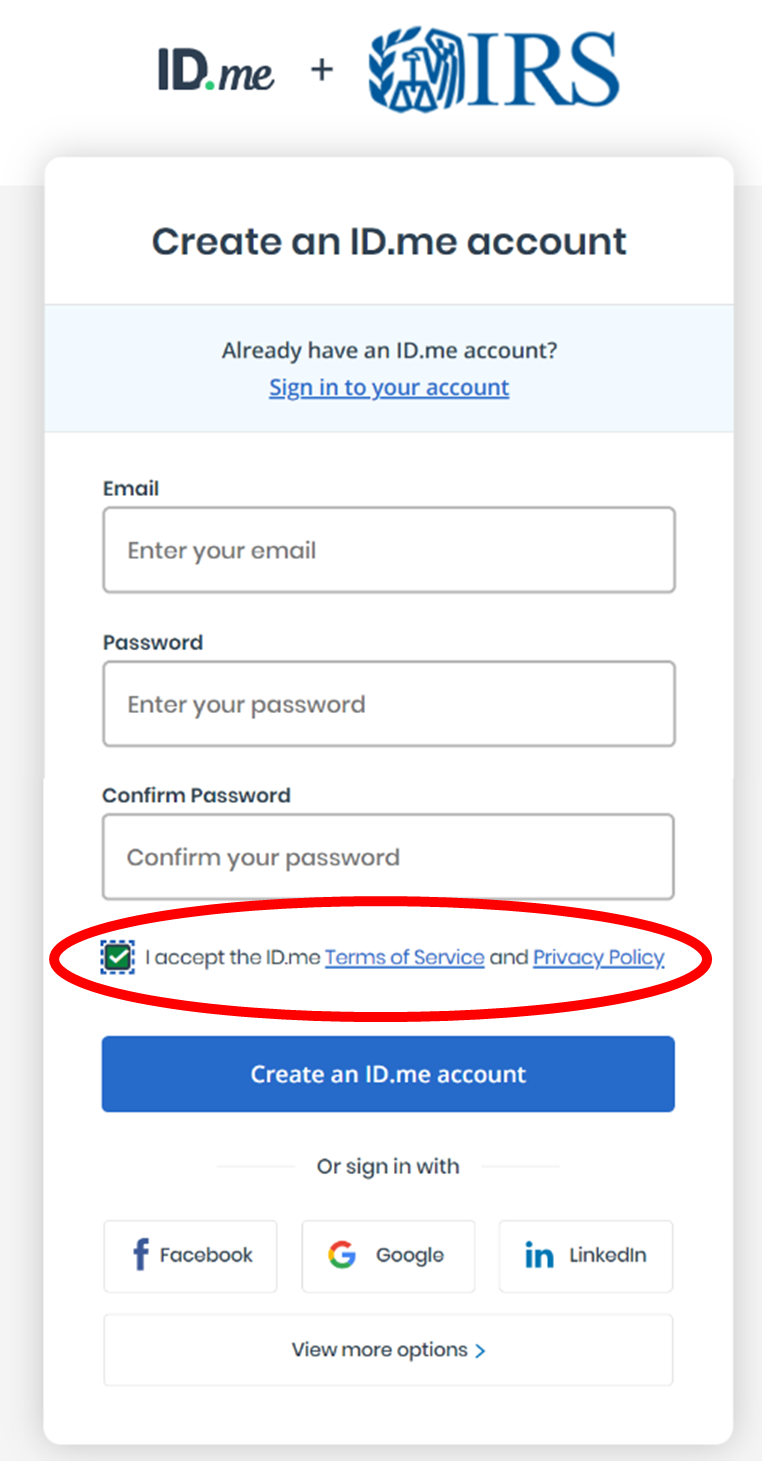
To start, navigate to the official IRS.gov website and select the “Sign in to Your Online Account” button. You will be redirected to the ID.me landing page. If you are a new user, you will select “Create an ID.me account.” If you are a returning user, you will enter your email and password.
The verification process often involves taking a photo of your identification document and uploading it to the platform. Following this, the system will prompt you to take a “video selfie.” This biometric scan compares your live image to the photo on your ID to ensure the person accessing the account is the actual owner of the documents. This technology has replaced older, less secure methods like credit-history-based knowledge questions.
Completing Multi-Factor Authentication
Security does not end with a password or a face scan. Every time you log into your IRS account, you will be required to complete multi-factor authentication (MFA). This usually involves receiving a one-time code via text message, phone call, or an authenticator app. For individuals managing high-net-worth portfolios or those particularly concerned about digital security, using an authenticator app is recommended over SMS, as it is less susceptible to “SIM swapping” attacks. Once the code is entered, you will be granted full access to your IRS dashboard.
Troubleshooting Common Access Issues
Occasionally, users may face hurdles during the login process. If the automated biometric scan fails, ID.me offers a “Video Chat Agent” option. This involves a short video call with a human representative who will manually verify your documents. While this takes longer, it ensures that taxpayers who may have difficulty with automated facial recognition or older identification documents can still access their financial data.
Leveraging the IRS Portal for Better Financial Management
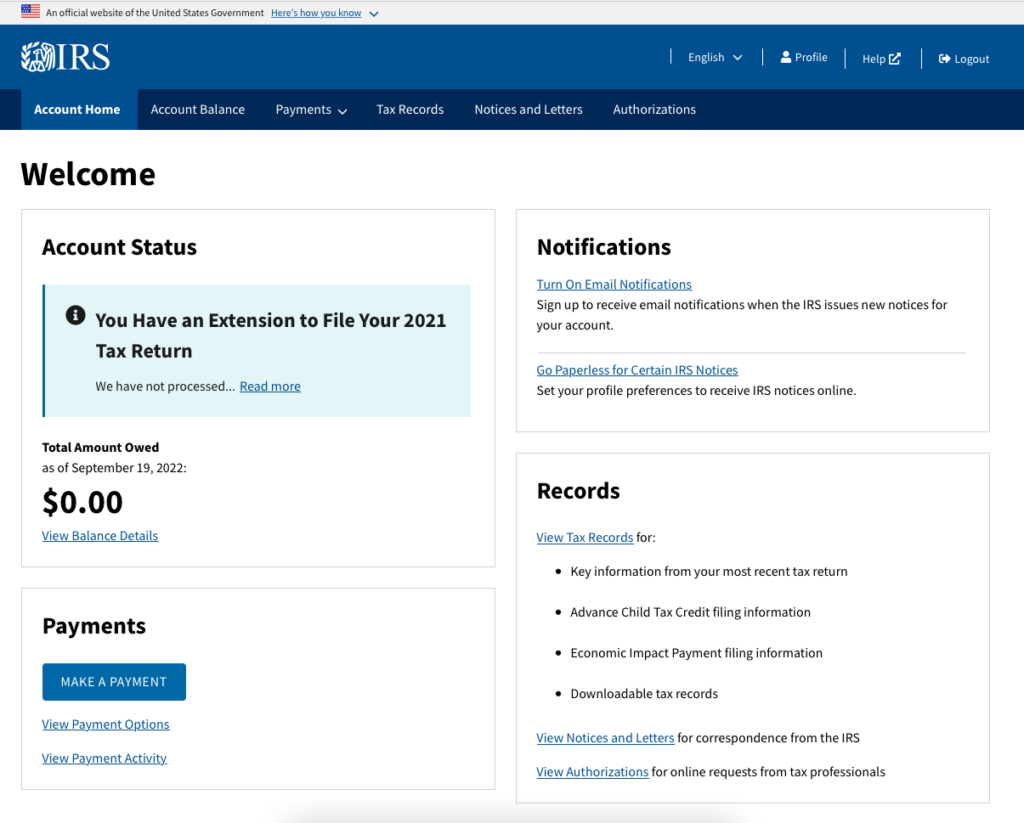
Logging into your account is the gateway to a wealth of financial data that is essential for budgeting, mortgage applications, and investment planning. The dashboard provides a comprehensive overview of your standing with the federal government.
Reviewing Your Tax transcripts and Income History
One of the most valuable features of the IRS online account is the ability to view and download tax transcripts. These documents are often required by lenders when you apply for a mortgage, a business loan, or financial aid for education. Instead of waiting weeks for a transcript to arrive via mail, you can access various versions—including the Tax Return Transcript and the Record of Account—instantaneously. This allows for faster financial decision-making and ensures you have accurate data when reconciling your personal books.
Tracking Payment History and Current Balances
For those who do not have taxes withheld automatically (such as freelancers, contractors, and small business owners), tracking payment history is vital. The IRS portal displays your total balance due, updated daily to include any accrued interest or penalties. It also shows a detailed history of your payments over the last 24 months, including estimated tax payments. This transparency is crucial for ensuring that you are on track to meet your annual tax obligations and avoiding the “sticker shock” of a large bill during filing season.
Monitoring Digital Notices and Authorizations
The IRS is increasingly moving toward digital communication. Within your account, you can view digital copies of select notices sent by the IRS. This is a significant advantage for financial organization, as it prevents important documents from being lost in the mail. Furthermore, you can manage “Power of Attorney” or “Tax Information Authorizations” digitally, allowing your CPA or financial advisor to represent you or view your data without the need for physical forms.
Managing Payments and Installment Agreements Online
A major benefit of having digital access to your IRS account is the ability to take immediate action on your financial obligations. The portal serves as a functional tool for executing transactions and managing debt.
Executing Real-Time Payments
Through the online account, you can make payments directly from your checking or savings account via electronic funds transfer. You can specify the tax year and the type of payment, such as an estimated tax payment for the current quarter or a payment toward a prior year’s balance. This digital record serves as immediate proof of payment, which is far more reliable than a canceled check or a mailed money order.
Setting Up and Managing Payment Plans
If you find yourself in a position where you cannot pay your tax liability in full, the IRS account allows you to apply for and manage installment agreements. From the dashboard, you can see the terms of your current plan, change your monthly payment date, or increase your payment amount. Managing these liabilities digitally helps you maintain your financial reputation and prevents the IRS from initiating more aggressive collection actions, such as wage garnishments or liens.
Maximizing Security and Privacy Within the Tax Ecosystem
Because your IRS account contains the “DNA” of your financial life, maintaining the security of your login credentials is a continuous responsibility.
Protecting Your Identity from Tax-Related Fraud
The data found within your IRS account is a primary target for cybercriminals. Beyond the initial setup of ID.me, you should remain vigilant against phishing scams. The IRS will never initiate contact with you via email, text message, or social media to request your login credentials. If you receive a communication claiming you need to “verify your account” by clicking a link, it is almost certainly a fraudulent attempt to capture your data. Always navigate directly to IRS.gov rather than clicking on links in messages.
The Importance of the IP PIN
For taxpayers who have been victims of identity theft or those who simply want the highest level of protection, the IRS offers the Identity Protection PIN (IP PIN) program. Once you are logged into your account, you can opt into this program. The IRS will issue you a unique six-digit number each year that must be used on your tax return to verify your identity. This prevents anyone else from filing a return in your name, even if they have your Social Security number.
Conclusion of the Digital Transition
Accessing your IRS account is a strategic move for any financially conscious individual. By mastering the login process through ID.me, understanding how to navigate the dashboard, and utilizing the available data for planning, you transform the IRS from a distant bureaucracy into a functional component of your financial toolkit. Whether you are verifying your income for a major purchase or ensuring your quarterly estimates are accurate, the ability to log in securely and efficiently is an essential skill in the modern economy.
aViewFromTheCave is a participant in the Amazon Services LLC Associates Program, an affiliate advertising program designed to provide a means for sites to earn advertising fees by advertising and linking to Amazon.com. Amazon, the Amazon logo, AmazonSupply, and the AmazonSupply logo are trademarks of Amazon.com, Inc. or its affiliates. As an Amazon Associate we earn affiliate commissions from qualifying purchases.