
Navigating the landscape of personal and business finance often brings individuals and entities to a critical juncture: the need for external capital. Whether it’s to fund a significant personal purchase, consolidate high-interest debt, launch a new venture, or expand an existing business, a bank loan remains one of the most traditional and reliable avenues for securing financial support. Far from being a daunting or mysterious process, understanding how to effectively loan money from a bank is a strategic financial skill that can unlock opportunities and help achieve diverse financial goals. This guide will demystify the process, offering a clear, insightful, and engaging roadmap from initial consideration to responsible repayment.

Understanding Bank Loans: Types and Purposes
Banks offer a diverse portfolio of loan products, each tailored to specific needs and circumstances. Identifying the right type of loan is the crucial first step in your borrowing journey, as it dictates eligibility criteria, interest rates, and repayment structures.
Personal Loans
Personal loans are perhaps the most versatile form of bank borrowing, designed to meet a wide array of individual financial needs not tied to a specific asset. They can be unsecured, meaning they don’t require collateral, or secured, backed by an asset like a savings account or CD.
-
Common Uses: Debt consolidation (combining multiple high-interest debts into a single, lower-interest payment), home improvements, medical expenses, financing large purchases (weddings, vacations), or covering unexpected emergencies.
-
Key Considerations: Interest rates vary widely based on your creditworthiness and the lender. Repayment terms typically range from one to seven years. Eligibility hinges on your credit score, income, and debt-to-income (DTI) ratio.
Business Loans
For entrepreneurs and established companies, business loans are the lifeblood of growth and operational stability. Banks provide various options tailored to different stages and needs of a business.
-
Types:
-
Startup Loans: For new businesses with limited operating history.
-
Working Capital Loans: To cover day-to-day operational expenses.
-
Equipment Loans: Specifically for purchasing machinery or technology.
-
Commercial Real Estate Loans: For acquiring or refinancing business properties.
-
SBA Loans (Small Business Administration): Government-backed loans offering more flexible terms and lower down payments, often a popular choice for small businesses due to their favorable conditions.
-
-
Key Considerations: Lenders scrutinize a business’s financial health, including its balance sheet, profit and loss statements, cash flow projections, and a robust business plan. The personal creditworthiness of the business owner is also often a significant factor, especially for smaller businesses.
Mortgage Loans
Mortgage loans are specialized, secured loans used to finance the purchase or refinance of real estate, whether for a primary residence, a vacation home, or an investment property.
-
Types:
-
Fixed-Rate Mortgages: The interest rate remains constant for the life of the loan, offering predictable monthly payments.
-
Adjustable-Rate Mortgages (ARMs): The interest rate is fixed for an initial period, then adjusts periodically based on market indices.
-
-
Key Considerations: Involve significant upfront costs such as down payments and closing costs. Lenders assess your credit history, income stability, employment history, and DTI ratio.
Auto Loans
Auto loans are secured loans specifically designed for purchasing a vehicle, with the car itself serving as collateral.
- Key Considerations: Offered by banks, credit unions, and often directly through dealerships. Interest rates are influenced by your credit score, the loan term, and the vehicle’s age and value. Longer loan terms can reduce monthly payments but often result in paying more in interest over the life of the loan.
Preparing for Your Loan Application: The Essential Steps
Before you even approach a bank, thorough preparation is paramount. A well-prepared applicant presents a stronger, more reliable profile, significantly increasing the likelihood of loan approval and potentially securing more favorable terms.
Assess Your Financial Health
Understanding your current financial standing is the bedrock of any successful loan application.
-
Check Your Credit Score and Report: Your credit score (e.g., FICO, VantageScore) is a three-digit number that summarizes your creditworthiness. Lenders use it to gauge your risk. A higher score typically leads to lower interest rates. Obtain a copy of your full credit report from all three major bureaus (Equifax, Experian, TransUnion) to check for inaccuracies and understand your credit history. Dispute any errors promptly.
-
Calculate Your Debt-to-Income (DTI) Ratio: This ratio compares your total monthly debt payments to your gross monthly income. Most lenders prefer a DTI ratio below 36%, though some may accept higher depending on the loan type. A lower DTI indicates you have sufficient income to manage additional debt.
-
Understand Your Current Income and Expenses: Create a detailed budget to understand your cash flow. This not only helps you determine how much you can realistically afford to borrow and repay but also demonstrates to lenders your financial discipline and capacity for repayment.
Define Your Loan Needs Clearly
Specificity regarding your loan purpose and amount is crucial.
-
How Much Do You Need?: Accurately calculate the exact amount of funds required. Borrowing too little might leave you short, while borrowing too much incurs unnecessary interest.
-
What Is the Exact Purpose?: Clearly articulate how the funds will be used. Lenders want to ensure the loan serves a legitimate and viable purpose. For business loans, this means a well-defined business plan and financial projections. For personal loans, it could be a clear explanation of what the funds will be used for.
-
How Quickly Do You Need the Funds?: While some online lenders offer rapid disbursement, traditional bank loans can take longer. Align your expectations with the typical processing times for your chosen loan type.
Gather Required Documentation
Having all necessary documents organized and ready streamlines the application process and showcases your preparedness.
-
Personal Loan Documents:
-
Government-issued photo ID (driver’s license, passport).
-
Proof of address (utility bill, lease agreement).
-
Proof of income (pay stubs from the last few months, W-2s, tax returns for self-employed individuals).
-
Bank statements (typically for the last 3-6 months).
-
Existing debt statements (credit cards, other loans).
-
-
Business Loan Documents (in addition to personal documents for owners):
-
Comprehensive business plan.
-
Business financial statements (profit and loss statements, balance sheets, cash flow statements).
-
Business tax returns (past 2-3 years).
-
Legal documents (articles of incorporation, business licenses, partnership agreements).
-
Accounts receivable and payable aging reports.
-

Navigating the Application Process: From Submission to Approval
With your financial health assessed and documents in hand, you’re ready to engage with potential lenders. This stage involves strategic research, careful application, and understanding the bank’s evaluation criteria.
Research and Compare Lenders
Not all banks are created equal when itcomes to loan products and terms.
-
Variety of Lenders: Explore local community banks, large national banks, and even credit unions. Each may have different specialties, customer service approaches, and slightly varied loan offerings or eligibility requirements. Online lenders also exist, often offering faster processes, but may come with different rate structures.
-
Compare Rates and Terms: Obtain pre-qualification offers (which typically involve a soft credit pull and don’t affect your score) from several lenders to compare interest rates, APR (Annual Percentage Rate, which includes fees), loan terms, and any associated fees (origination fees, prepayment penalties). Don’t just look at the interest rate; the APR gives a more accurate picture of the total cost of borrowing.
-
Read Reviews and Check Customer Service: A bank’s reputation for customer service and transparency can significantly impact your borrowing experience.
Submit Your Application
Once you’ve chosen a lender, the next step is to formally apply.
-
Application Method: Most banks offer online applications, while some may prefer in-person meetings, especially for complex business loans.
-
Accuracy and Completeness: Double-check all information for accuracy before submitting. Errors or omissions can cause delays or even lead to rejection. Be honest and transparent about your financial situation.
Underwriting and Evaluation
After submission, your application enters the underwriting phase, where the bank meticulously assesses your creditworthiness.
-
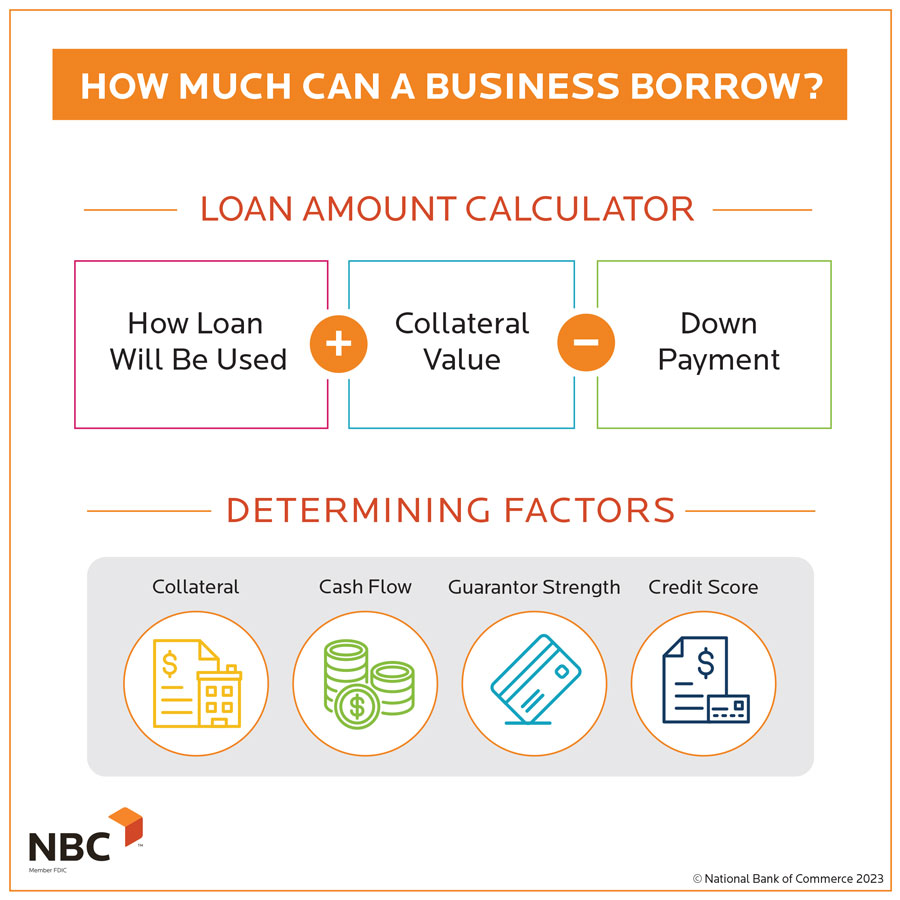
The 5 C’s of Credit: Lenders typically evaluate applications based on five key factors:
-
Character: Your credit history, payment behavior, and overall financial reliability.
-
Capacity: Your ability to repay the loan, primarily assessed through your DTI ratio and income stability.
-
Capital: Your personal investment or stake in the asset being financed (e.g., a down payment on a mortgage or business capital).
-
Collateral: Assets pledged to secure the loan, reducing the bank’s risk (e.g., a car for an auto loan, property for a mortgage). Not applicable for unsecured loans.
-
Conditions: The economic climate and the specific purpose of the loan, which can influence the lender’s decision.
-
-
Loan Officers’ Role: Loan officers review your application, documents, and credit profile, often engaging in follow-up questions or requesting additional information.
Loan Approval and Disbursement
If your application meets the bank’s criteria, you’ll receive a loan offer.
-
Reviewing the Loan Offer: Carefully read the loan agreement, paying close attention to the interest rate, APR, repayment schedule, total amount payable, and all terms and conditions. Do not hesitate to ask for clarification on anything you don’t understand.
-
Signing the Agreement: Once you are fully satisfied and understand all aspects, sign the loan agreement.
-
Receiving Funds: Funds are typically disbursed directly into your bank account or, in some cases, paid directly to a third party (e.g., a car dealership or a vendor for equipment).
Managing Your Loan Responsibly: Post-Approval Best Practices
Securing a loan is an achievement, but responsible management is key to leveraging it effectively and maintaining a strong financial standing.
Understand Your Repayment Schedule
The loan agreement will detail your monthly payment amount, due date, and the total number of payments.
-
Set Up Automatic Payments: This is one of the most effective ways to ensure timely payments and avoid late fees, which can also negatively impact your credit score.
-
Know Your Due Dates and Amounts: Even with automatic payments, staying informed about your loan terms prevents surprises.
Monitor Your Loan Account
Regularly check your loan statements and online account.
-
Track Payments and Remaining Balance: Ensure that your payments are being applied correctly and keep an eye on your outstanding balance.
-
Look Out for Any Discrepancies: Report any errors or unusual activity to your bank immediately.
Strategies for Early Repayment (Optional)
Depending on your financial situation, paying off your loan earlier than scheduled can save you money on interest.
-
Pros and Cons: Early repayment reduces the total interest paid and frees up cash flow sooner. However, ensure it doesn’t strain your finances or prevent you from achieving other important financial goals.
-
Check for Prepayment Penalties: Some loans, especially certain types of mortgages or business loans, may have penalties for paying off the loan ahead of schedule. Always review your loan agreement for these clauses.
What to Do if You Face Payment Difficulties
Life happens, and financial circumstances can change unexpectedly. If you anticipate or encounter difficulties making payments, proactive communication is vital.
-
Communicate with Your Lender Immediately: Do not wait until you miss a payment. Banks are often willing to work with borrowers who are transparent and proactive.
-
Explore Options: Lenders may offer solutions like deferment (postponing payments), forbearance (temporarily reducing or suspending payments), or loan modification (adjusting the loan terms). Understanding these options can prevent default and protect your credit score.
Securing a loan from a bank is a strategic financial decision that, when approached with careful preparation and diligent management, can be a powerful tool for achieving personal and business aspirations. By understanding the types of loans available, thoroughly preparing your application, navigating the approval process diligently, and committing to responsible repayment, you can confidently leverage bank financing to reach your financial goals.
aViewFromTheCave is a participant in the Amazon Services LLC Associates Program, an affiliate advertising program designed to provide a means for sites to earn advertising fees by advertising and linking to Amazon.com. Amazon, the Amazon logo, AmazonSupply, and the AmazonSupply logo are trademarks of Amazon.com, Inc. or its affiliates. As an Amazon Associate we earn affiliate commissions from qualifying purchases.