
In the rapidly evolving landscape of personal finance, the traditional brick-and-mortar banking model is no longer the sole pillar of monetary management. Fintech innovations have democratized access to financial services, and at the forefront of this revolution is Cash App. While many initially viewed it as a simple peer-to-peer (P2P) payment service, it has matured into a sophisticated financial tool. Central to this ecosystem is the Cash App Card—a Visa debit card that allows users to access their balance for real-world transactions. Understanding how to efficiently load and manage this card is essential for anyone looking to optimize their digital economy footprint and maintain financial agility.

The Strategic Importance of the Cash App Ecosystem
Before diving into the mechanics of funding, it is crucial to understand why the Cash App Card has become a staple in modern personal finance. Unlike traditional debit cards tied to a legacy bank account, the Cash App Card serves as a bridge between liquid digital assets and the physical marketplace. It allows for a level of compartmentalization that can be highly beneficial for budgeting and financial security.
Bridging the Gap Between Digital and Physical Assets
The primary utility of the Cash App Card is its ability to turn a digital balance into a spending tool accepted at millions of merchants worldwide. For freelancers, gig workers, or those receiving non-traditional income, the card acts as a clearinghouse. By loading funds onto the card, you create a dedicated “spendable” pool of money that is separate from your primary savings or investment accounts. This separation is a cornerstone of disciplined financial planning, ensuring that everyday expenses do not bleed into long-term financial goals.
Enhancing Financial Agility for the Modern Consumer
Modern finance demands speed. Whether it is splitting a dinner bill, paying a vendor at a local market, or managing a side hustle’s petty cash, the ability to move money instantly is a competitive advantage. The Cash App Card facilitates this by providing a unified platform where money can be received, stored, and spent without the multi-day waiting periods often associated with standard ACH transfers from brokerage accounts or traditional banks.
Primary Methods for Loading Your Cash App Card
To maximize the utility of the Cash App Card, one must master the various avenues for funding the account. These methods range from digital transfers to physical cash deposits, each serving a different financial need and timeline.
Utilizing Linked Bank Accounts and Debit Cards
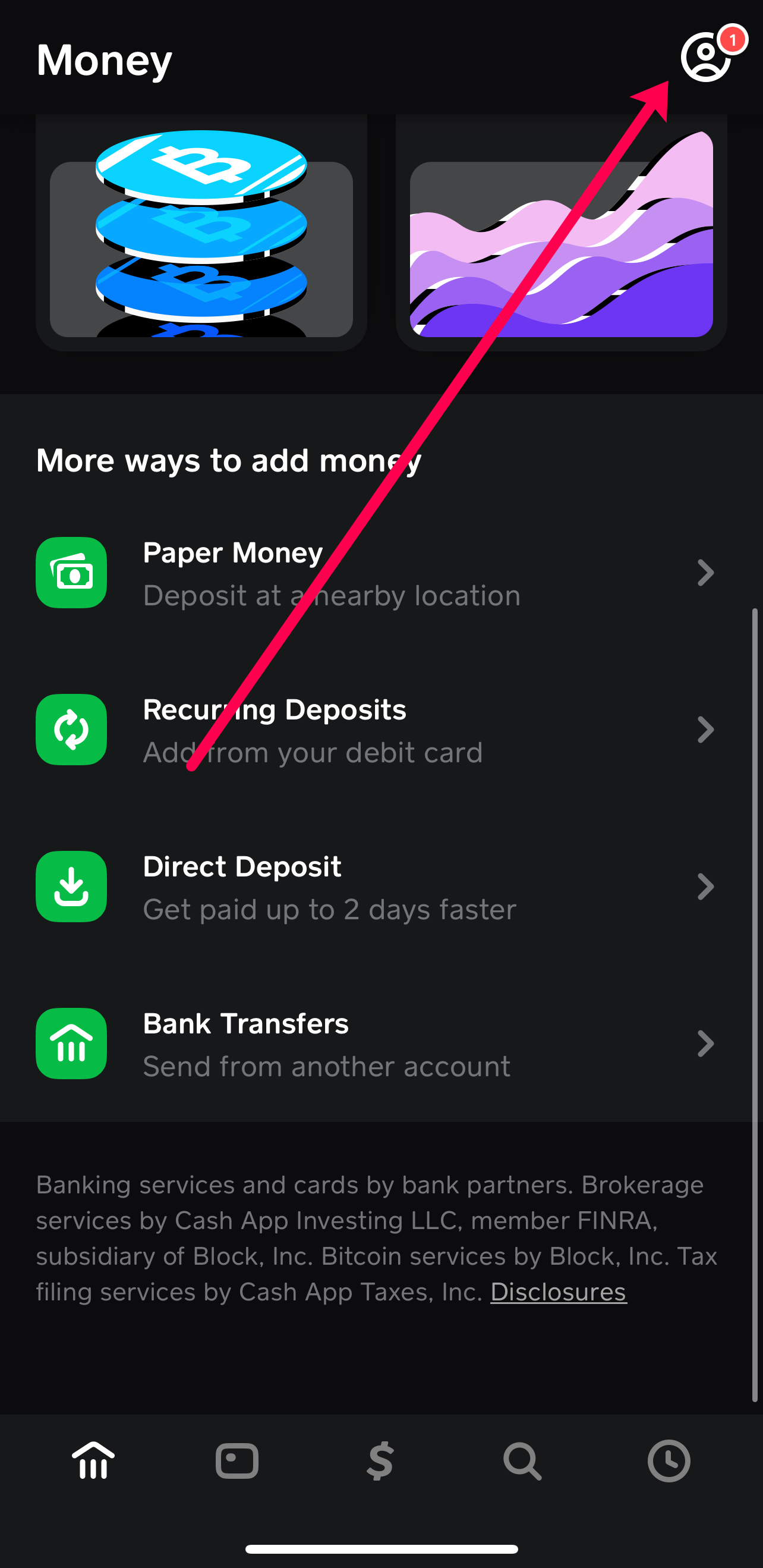
The most common and efficient way to load your Cash App Card is through a linked financial institution. This creates a seamless pipeline between your traditional bank and your digital wallet.
- Direct Transfers: By linking a traditional debit card or bank account via the “Add Cash” feature, users can move money into their Cash App balance instantly. From a personal finance perspective, this is best used for “just-in-time” funding—moving exactly what is needed for a specific purchase to keep the bulk of your funds in interest-bearing accounts elsewhere.
- Standard vs. Instant Deposits: While loading the card is generally instant, it is important to understand the flow in reverse. However, for the purpose of loading, the app pulls funds immediately from your linked source, making it a reliable method for those who need to use their Cash App Card on short notice.
Managing Liquidity Through Direct Deposit
For those using Cash App as a primary or secondary banking tool, the Direct Deposit feature is a game-changer. Cash App provides users with a routing and account number, much like a standard bank.
By directing a portion of your paycheck—or the entirety of it—to your Cash App account, you ensure your card is always loaded without manual intervention. This is particularly useful for setting up a “discretionary spending” fund. For instance, an individual might direct $500 from every paycheck to Cash App to cover dining, entertainment, and gas, effectively automating their monthly “fun” budget while keeping their mortgage and utility funds in a separate, traditional account.
Retail Cash Deposits: The Bridge for Physical Currency
One of the most significant advantages Cash App holds over many “online-only” banks is the ability to load physical paper money onto the card. Through a network of retail partners—including major chains like Walgreens, 7-Eleven, and Walmart—users can visit a store and ask a cashier to “load” their Cash App.
To do this, you generate a unique barcode within the app, which the cashier scans. Once you hand over the cash and pay a nominal service fee (usually around $1 or $4 depending on the retailer), the funds are added to your balance almost immediately. This feature is vital for “unbanked” or “underbanked” individuals, or simply for those who receive cash tips and want to digitize their earnings for online shopping or bill payments.

Optimizing Your Finances with Advanced Funding Strategies
Loading your card is the first step; managing those funds intelligently is what separates a casual user from a financially savvy one. Cash App offers several features that, when used correctly, can enhance your overall net worth and spending power.
Implementing the “Cash Boost” System for Instant ROI
The Cash App Card is unique because of “Boosts”—instant discount rewards applied to specific merchants. When you load your card, you aren’t just preparing to spend; you are preparing to save. By selecting a Boost (for example, 5% off at a grocery store or $1 off at a coffee shop), the discount is applied the moment you swipe.
From a financial management standpoint, this is superior to traditional “point-based” rewards programs where you must accumulate points over months before redeeming them. Here, the return on investment is immediate, effectively increasing the purchasing power of every dollar you load onto the card.
Recurring Deposits and Automated Budgeting
Financial discipline is often a matter of automation. Cash App allows users to set up “Auto-Add,” which schedules transfers from a linked bank account on a daily, weekly, or bi-weekly basis.
For the goal-oriented individual, this can be used to fund specific “sinking funds.” If you know you have a recurring $100 expense every month, setting an Auto-Add of $25 per week ensures the money is always there when the bill is due. This removes the psychological friction of manual transfers and reduces the risk of overspending from your main bank account.
Security Protocols and Financial Safeguards
In the digital age, the convenience of loading a card must be balanced with robust security. Managing a digital balance requires a proactive approach to protecting your assets.
Safeguarding Your Funds with Security Locks
Cash App provides a “Security Lock” feature that requires a PIN or biometric authentication (Touch ID/Face ID) for every transaction. Furthermore, the “Card Transfer” toggle allows you to disable your Cash App Card instantly if it is lost or stolen.
From a professional finance perspective, it is recommended to keep your card “Locked” via the app at all times, only unlocking it seconds before a transaction. This “on-demand” security model ensures that even if your card details are compromised, your loaded balance remains untouchable.
Understanding Limits and Verifications
To prevent fraud and comply with financial regulations, Cash App imposes limits on how much can be loaded and spent. Initially, these limits are lower, but they can be significantly increased by completing the identity verification process (providing your full name, date of birth, and the last four digits of your SSN).
Increasing your limits is essential for using the card as a serious financial tool. Verified users can handle larger volumes of money, making the card suitable for significant purchases or as a primary vehicle for managing side-hustle revenue. Understanding these limits prevents the frustration of a declined transaction when attempting to move or spend large sums of money.
Conclusion: The Future of Personal Liquidity
Loading a Cash App Card is more than just a technical step; it is an act of managing personal liquidity in a digital-first world. By leveraging linked accounts, direct deposits, and retail cash bridges, users can ensure they have constant access to their funds. When combined with strategic tools like “Boosts” and “Auto-Add,” the Cash App Card evolves from a simple piece of plastic into a sophisticated instrument for financial optimization.
As we continue to move toward a more integrated financial landscape, the ability to fluidly move money between various states—cash, digital balance, and investments—will define financial success. By mastering the ways to load and manage your Cash App balance, you are not just participating in a trend; you are taking control of your financial future with the precision and agility that the modern economy demands.
aViewFromTheCave is a participant in the Amazon Services LLC Associates Program, an affiliate advertising program designed to provide a means for sites to earn advertising fees by advertising and linking to Amazon.com. Amazon, the Amazon logo, AmazonSupply, and the AmazonSupply logo are trademarks of Amazon.com, Inc. or its affiliates. As an Amazon Associate we earn affiliate commissions from qualifying purchases.