
In an increasingly digital financial landscape, tools that simplify money management have become indispensable. Among these, the Cash App card stands out as a versatile instrument, bridging the gap between digital funds and everyday spending. For many, understanding how to effectively load and utilize this card is a fundamental step toward streamlining personal finances. This guide delves into the mechanisms, benefits, and best practices for loading your Cash App card, ensuring you can harness its full potential as a financial tool.
Understanding the Cash App Card as a Financial Tool
At its core, the Cash App card, officially known as the Cash Card, is a free, customizable debit card issued by Sutton Bank and linked directly to your Cash App balance. It’s a powerful extension of your digital wallet, designed to give users immediate access to their funds for purchases, ATM withdrawals, and online transactions wherever Visa is accepted. For individuals seeking more control over their spending, quick access to funds, or a simplified banking alternative, the Cash App card offers a compelling solution.
What is the Cash App Card?
The Cash App card functions much like a traditional debit card but is exclusively tied to your Cash App account balance. Unlike credit cards, you can only spend the money you have available in your Cash App. This direct link makes it an excellent tool for budgeting and preventing overspending, as you’re operating within defined limits. Users can customize their physical card with unique designs and signatures, adding a personal touch to their financial instrument. The virtual version of the card is instantly available upon order, allowing for immediate online use while waiting for the physical card to arrive.
Benefits of Using the Cash App Card for Personal Finance
The advantages of integrating the Cash App card into your personal financial strategy are numerous. Primarily, it offers unparalleled convenience. Funds sent to your Cash App account can be instantly accessed via the card, eliminating the wait times often associated with traditional bank transfers. This real-time access is crucial for managing unexpected expenses or simply ensuring liquidity.
Furthermore, the card provides an excellent alternative for those who may not have traditional bank accounts or prefer to manage a portion of their funds separately. It can serve as a primary spending card, a dedicated budget card for specific categories (like entertainment or groceries), or a safe haven for emergency funds. The absence of monthly fees, overdraft fees, or minimum balance requirements makes it an appealing, low-cost financial solution. Moreover, the “Boosts” feature offers instant discounts at various retailers, providing tangible savings directly linked to your spending habits.
Integrating the Card into Your Financial Strategy
To truly maximize the Cash App card, consider how it fits into your broader financial picture. For freelancers or gig economy workers, it can be an efficient way to receive payments and immediately access earnings. For parents, it offers a secure method to provide allowances to children, teaching them digital money management. As a budgeting tool, loading a specific amount onto the card for discretionary spending each week can help curb impulse purchases and keep you within financial limits. It can also act as a secondary card for online transactions, providing an extra layer of security by limiting exposure of your primary bank account details. The key is to view it not just as a payment method, but as a strategic component of your personal finance toolkit, tailored to your unique needs.
Diverse Methods for Funding Your Cash App Card
Loading your Cash App card is synonymous with adding money to your Cash App balance. Cash App offers several flexible methods to ensure users can easily fund their accounts, accommodating various financial preferences and circumstances. Understanding each method allows you to choose the most convenient and efficient way to keep your card ready for use.
Linking Your Bank Account: The Direct Transfer Method
The most common and often preferred method for loading your Cash App card is by linking your existing bank account. This direct transfer allows you to move funds from your traditional checking or savings account directly into your Cash App balance. The process is straightforward and typically involves securely connecting your bank account using your online banking credentials. Once linked, you can initiate instant transfers, making funds available immediately, or opt for standard transfers which may take 1-3 business days but often have no associated fees. This method offers unparalleled control, allowing you to top up your card whenever needed, directly from your primary financial institution.
Direct Deposit: Leveraging Your Paycheck
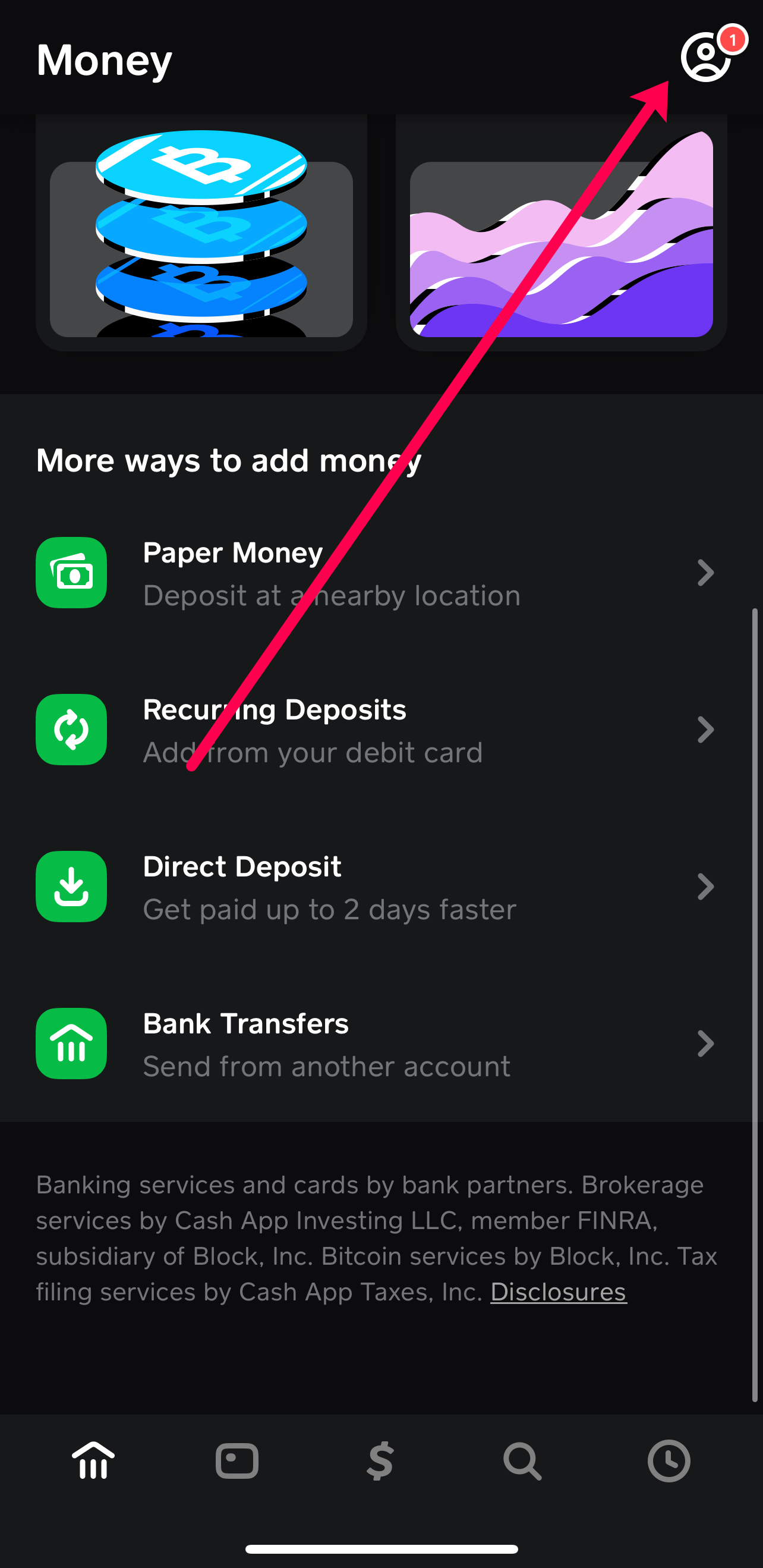
For regular income earners, setting up direct deposit to your Cash App account is an incredibly efficient way to load your card automatically. Cash App provides users with unique routing and account numbers, which can be provided to employers, government agencies (for benefits), or other payers. Once direct deposit is established, a portion or the entirety of your paycheck or benefits will be automatically transferred to your Cash App balance on payday. This transforms your Cash App card into a primary spending card for your income, offering instant access to funds without needing to manually transfer money from an external bank account. It’s a seamless way to manage your regular income and simplify bill payments or everyday spending.
Adding Cash at Retail Locations: Convenience for Cash Users
Recognizing that not everyone operates solely with digital funds, Cash App offers the ability to deposit physical cash at participating retail locations. This feature is particularly beneficial for individuals who receive cash payments, prefer using cash, or do not have a linked bank account. Major retailers like Walmart, Walgreens, 7-Eleven, and Dollar General often support this service. Typically, you present your Cash App card (or a barcode from the app) to the cashier, hand over your cash, and the funds are digitally added to your Cash App balance, usually within minutes. While some retailers may charge a small fee for this service, it provides a crucial bridge between physical cash and your digital spending capabilities.
Receiving Funds from Other Cash App Users
One of Cash App’s signature features is its peer-to-peer payment system. If friends, family, or clients also use Cash App, they can instantly send money directly to your account. When someone sends you money through Cash App, those funds immediately become part of your Cash App balance and are therefore available on your Cash App card. This is an incredibly convenient way to split bills, receive payments for goods or services, or get money from loved ones. There are typically no fees for receiving standard payments from other Cash App users, making it a cost-effective method of funding your card, particularly within a connected network.
Practical Steps to Load Your Card: A Step-by-Step Tutorial
Having understood the various methods, let’s walk through the practical steps involved in funding your Cash App card using the most common approaches. The Cash App interface is designed for user-friendliness, making these processes relatively straightforward.
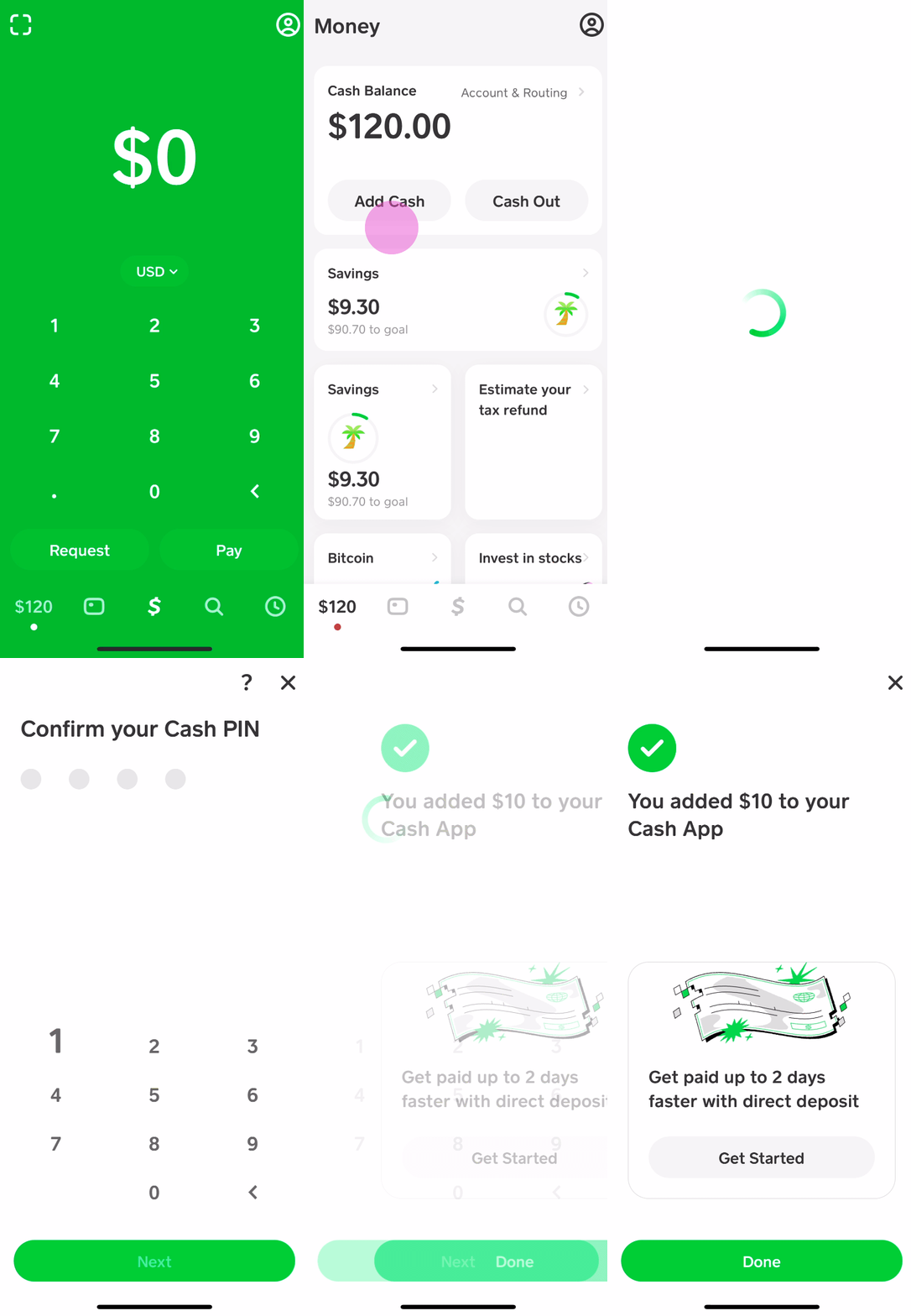
Loading from a Linked Bank Account
- Open Cash App: Launch the Cash App on your smartphone.
- Navigate to the Banking Tab: Tap the “Banking” tab (the house icon) on the bottom left of the screen.
- Select “Add Cash”: Beneath your Cash App balance, you’ll see an “Add Cash” button. Tap it.
- Enter Amount: Input the desired amount you wish to transfer from your linked bank account.
- Confirm Transaction: Tap the “Add” button and confirm the transaction using your PIN or Touch ID/Face ID. The funds will be instantly added to your Cash App balance and available on your card. If you haven’t linked a bank account yet, the app will guide you through the process of securely connecting it first.
Setting Up Direct Deposit
- Access Direct Deposit Info: From the “Banking” tab, scroll down and tap “Direct Deposit.”
- Find Account Details: You’ll see your unique Cash App routing number and account number.
- Provide to Payer: Give these details to your employer, payroll provider, or benefits agency. They will usually have a direct deposit form to complete.
- Confirm with Payer: Ensure your payer processes the request. Once set up, future payments will automatically appear in your Cash App balance, usually on your regular payday. You can also generate a pre-filled direct deposit form directly from the app to send to your employer.
Depositing Physical Cash at a Store
- Locate Participating Store: Use the in-app map or check Cash App’s website for nearby retailers that support cash deposits.
- Inform Cashier: At the selected store, tell the cashier you want to “add cash to Cash App” or “deposit money to Cash App.”
- Present Card/Barcode: The cashier might ask to swipe your Cash App Card or scan a barcode generated within your Cash App (usually found by tapping the “Banking” tab and then “Paper Money” or “Deposit Cash”).
- Hand Over Cash: Give the cashier the exact amount of cash you wish to deposit.
- Confirm Deposit: The funds should appear in your Cash App balance almost immediately. Keep your receipt as proof of deposit.
Accepting Payments from Friends and Family
- Share Your Cashtag: Provide your unique Cashtag (e.g., “$YourName”) to the person sending you money. They can also search for you by name, email, or phone number.
- Sender Initiates Payment: The sender opens their Cash App, taps the “$” icon, enters the amount, taps “Pay,” selects your profile, and confirms.
- Funds Received: Once they confirm, the money will instantly appear in your Cash App balance, ready for use with your Cash App card. No action is typically required on your end to “accept” standard payments.
Maximizing Your Cash App Card: Tips for Smart Financial Management
Simply loading your Cash App card is just the first step. To truly leverage this financial tool, it’s essential to adopt smart financial habits and understand its various features.
Monitoring Your Balance and Transactions
Regularly checking your Cash App balance is crucial for effective money management. The balance is prominently displayed on the main “Banking” tab. Below your balance, you’ll find a detailed transaction history. Reviewing this history regularly helps you track spending, identify unauthorized transactions, and stay within your budget. Many users find it helpful to set notifications within the app for every transaction, ensuring they are always aware of their financial activity.
Understanding Fees and Limits
While Cash App prides itself on being largely fee-free, it’s vital to be aware of certain charges and limits that may apply.
- ATM Fees: Cash App charges a small fee for ATM withdrawals if you don’t have direct deposit set up. If you have direct deposit of at least $300 a month, Cash App will reimburse ATM fees from other banks, making withdrawals free.
- Instant Deposit Fees: While “Add Cash” from a linked bank account is usually free for standard transfers, instant transfers to your linked debit card (from Cash App to your bank) typically incur a 0.5%–1.75% fee.
- Cash Deposit Fees: Some retailers might charge a small fee (e.g., $1-$4) for cash deposits.
- Sending/Receiving Business Payments: Business accounts may incur a fee for receiving payments.
- Spending Limits: Cash App imposes limits on how much you can send, receive, and spend over certain periods. These limits can often be increased by verifying your identity (name, date of birth, and the last four digits of your SSN), which unlocks higher transaction thresholds and enables features like direct deposit. Always verify your account to unlock its full potential.
Security Best Practices for Your Funds
Protecting your Cash App card and funds is paramount.
- Strong PIN/Password: Always use a strong, unique PIN for your card and enable a strong password/PIN/biometric security for your Cash App account itself.
- Two-Factor Authentication (2FA): Enable 2FA for an added layer of security.
- Monitor Notifications: Keep an eye on push notifications and email alerts for all transactions.
- Report Lost/Stolen Card: Immediately lock your Cash Card through the app if it’s lost or stolen. You can then order a new one.
- Beware of Scams: Be cautious of phishing attempts, unsolicited requests for money, or fake customer service inquiries. Cash App will never ask for your PIN or login details outside of the app.
- Only Send Money to Trusted Contacts: Once money is sent on Cash App, it’s often difficult to recover.
Using Boosts and Other Features to Save Money
Cash App’s “Boosts” are an excellent feature for saving money directly from your Cash App card. These are instant discounts at specific merchants (e.g., 10% off at a coffee shop, $1 off any online purchase). You can select and change Boosts within the app before making a purchase. Regularly checking and activating relevant Boosts can lead to significant savings over time. Explore other features like investing in stocks or Bitcoin directly through the app, though these come with their own financial risks and considerations.
Common Issues and Troubleshooting Your Funding Process
While loading your Cash App card is generally smooth, you might occasionally encounter issues. Knowing how to troubleshoot these common problems can save you time and frustration.
Why Your Deposit Might Be Delayed
Several factors can lead to delays in your funds appearing:
- Bank Transfer Times: Standard bank transfers from a linked account can take 1-3 business days. If you initiated a standard transfer over a weekend or holiday, the processing time will be longer.
- Retailer Processing: While cash deposits are usually instant, very occasionally there might be a slight delay due to retailer system issues. Keep your receipt.
- Direct Deposit Schedule: Direct deposits are processed according to your employer’s or payer’s schedule. If it’s your first direct deposit, it might take an extra pay cycle to fully set up.
- Bank Holds: In rare cases, your linked bank might place a hold on the transfer for security reasons.
If delays persist beyond expected timelines, check your linked bank account’s statement, the Cash App transaction history, and then contact Cash App support.
Addressing Failed Transactions
A failed transaction when trying to add cash can be frustrating. Common reasons include:
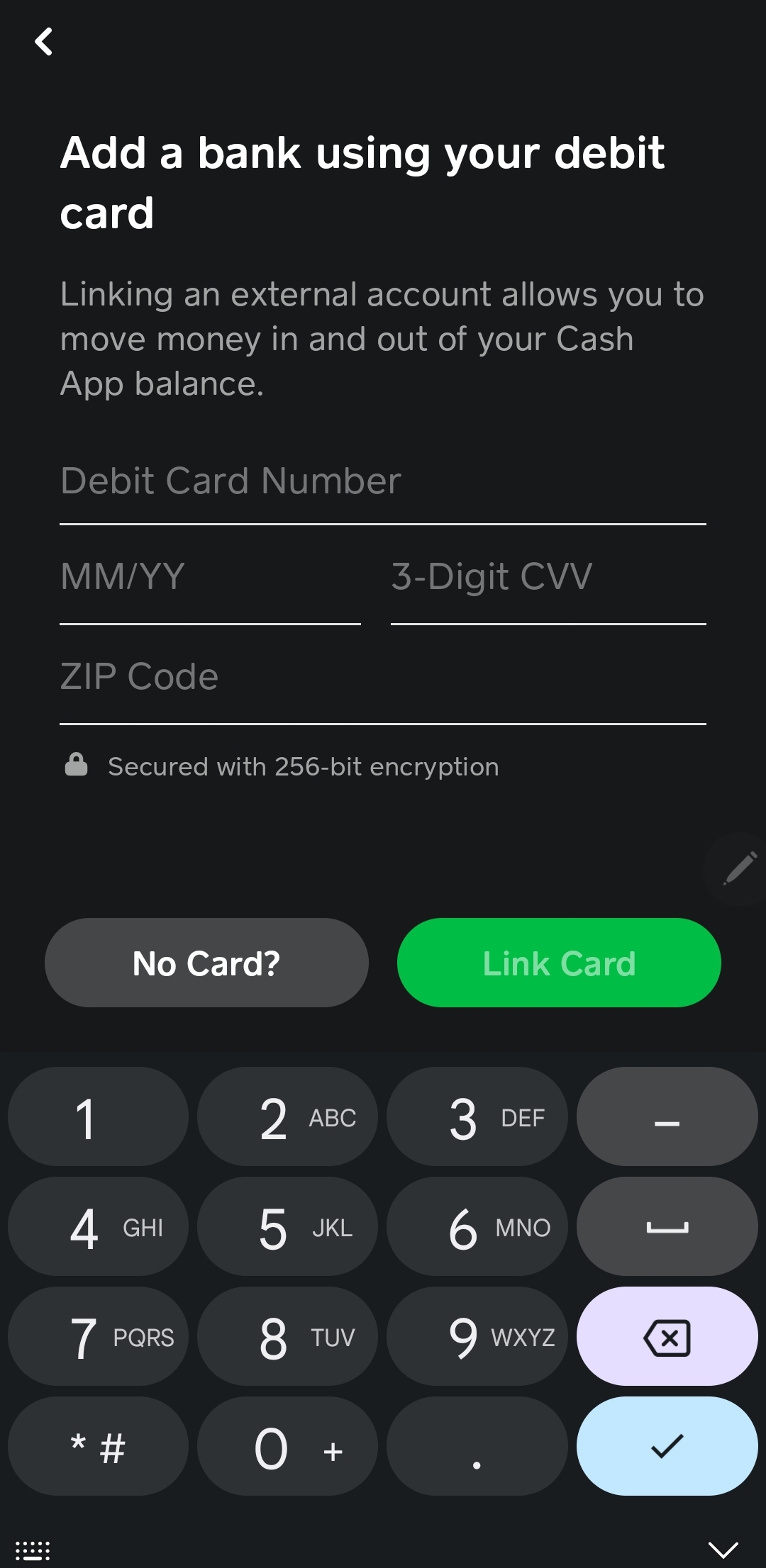
- Insufficient Funds: The most common reason – you don’t have enough money in your linked bank account.
- Incorrect Bank Details: If your bank account isn’t properly linked or there was an error during setup.
- Bank Restrictions: Your bank might have daily transaction limits or flags on transfers to certain platforms like Cash App. Contact your bank to clarify.
- Cash App Limits: You might have hit your daily or weekly “add cash” limit. Verify your identity to increase these limits.
- Expired Card (for linked debit cards): If you’re trying to add money using a linked debit card, ensure it’s not expired.
- Network Issues: Temporary glitches with Cash App or your bank’s servers.
Always double-check the amount and your bank balance before attempting to re-add funds.
Contacting Cash App Support for Financial Assistance
If you’ve exhausted troubleshooting options and still face issues with funding your card, it’s time to contact Cash App support.
- In-App Support: This is usually the quickest and most secure way. Go to your profile icon (top right), scroll down and tap “Support,” then navigate through the options to find your specific issue or select “Something Else” to initiate a chat.
- Website Support: You can also visit Cash App’s official support website.
- Phone (Limited): Cash App primarily relies on in-app support but may offer phone support for specific, complex issues. Be wary of unofficial phone numbers online.
When contacting support, be prepared to provide transaction details, screenshots (if applicable), and clear descriptions of the problem. They can investigate internal errors, review transaction statuses, and offer specific guidance tailored to your situation.
Conclusion
The Cash App card serves as a potent financial tool, offering convenience, control, and accessibility for managing your personal funds. By understanding the various methods for loading it – from linking your bank account and setting up direct deposit to adding cash at retail stores and receiving peer-to-peer payments – you unlock its full potential. Adopting smart financial habits like monitoring transactions, understanding fees, prioritizing security, and leveraging features like “Boosts” will further enhance your experience. While troubleshooting issues can occasionally arise, Cash App provides robust support channels to ensure your financial operations remain smooth. Integrating the Cash App card thoughtfully into your financial strategy can significantly simplify how you spend, save, and manage your money in today’s digital age.
aViewFromTheCave is a participant in the Amazon Services LLC Associates Program, an affiliate advertising program designed to provide a means for sites to earn advertising fees by advertising and linking to Amazon.com. Amazon, the Amazon logo, AmazonSupply, and the AmazonSupply logo are trademarks of Amazon.com, Inc. or its affiliates. As an Amazon Associate we earn affiliate commissions from qualifying purchases.