
Understanding the stock market can seem like a daunting task, a complex labyrinth of charts, jargon, and volatile numbers. However, for those committed to building long-term wealth, securing their financial future, or simply gaining a deeper understanding of the global economy, delving into the intricacies of investing is an invaluable pursuit. The journey from novice to confident investor is a marathon, not a sprint, demanding patience, discipline, and a structured approach to learning. This article will serve as your comprehensive guide, outlining effective strategies and essential knowledge areas to help you master the fundamentals and navigate the world of equities with greater confidence and insight.
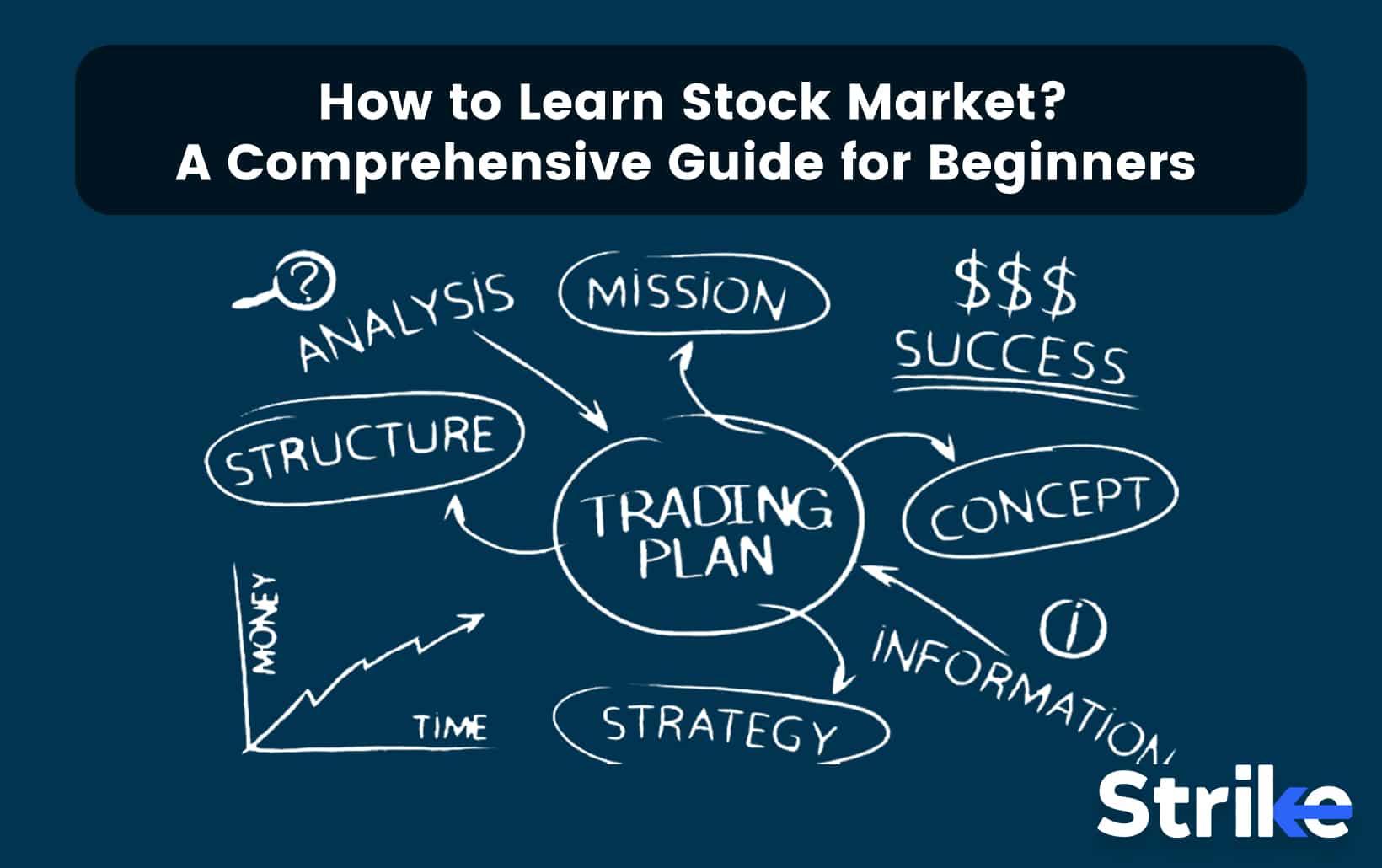
Laying the Groundwork: Fundamental Concepts
Before diving into trading platforms or analyzing company reports, it’s crucial to establish a solid foundation of basic knowledge. The stock market is built upon core principles that, once understood, demystify much of its apparent complexity.
Demystifying the Stock Market
At its most basic, the stock market is a collection of markets and exchanges where regular activities of issuing, buying, and selling shares of publicly-held companies take place. When you buy a stock, you’re purchasing a small piece of ownership in that company. This ownership gives you a claim on the company’s assets and earnings, and potentially, voting rights. The primary goal for most investors is to buy shares at a lower price and sell them at a higher price, or to earn income through dividends.
The stock market serves several critical functions: it helps companies raise capital for expansion and operations by selling ownership stakes (shares) to the public, and it provides an accessible platform for individuals and institutions to invest their savings, aiming for capital appreciation and income generation. Understanding this dual role is key to appreciating its importance in both corporate finance and personal wealth management.
Essential Terminology for Beginners
Navigating financial news and investment platforms requires familiarity with common terminology. Here are some fundamental terms every aspiring investor should know:
- Stock/Share: A unit of ownership in a corporation.
- Dividend: A portion of a company’s earnings paid out to its shareholders, usually quarterly.
- Market Capitalization (Market Cap): The total value of a company’s outstanding shares, calculated by multiplying the current share price by the number of shares outstanding. This indicates a company’s size (e.g., small-cap, mid-cap, large-cap).
- IPO (Initial Public Offering): The first time a company offers its shares for sale to the general public.
- Bull Market: A period during which stock prices are generally rising.
- Bear Market: A period during which stock prices are generally falling.
- Volatility: The degree of variation of a trading price series over time. High volatility means prices fluctuate wildly.
- Index: A statistical measure of the performance of a portfolio of stocks representing a segment of the market or economy (e.g., S&P 500, Dow Jones Industrial Average).
- Broker: An individual or firm that facilitates the buying and selling of securities on behalf of investors.
- Asset Allocation: The strategy of dividing an investment portfolio among different asset categories, such as stocks, bonds, and cash, to balance risk and return.
- Diversification: A risk management strategy that mixes a wide variety of investments within a portfolio. The rationale behind this technique is that a portfolio constructed of different kinds of assets will, on average, yield higher returns and pose a lower risk than any individual investment found within the portfolio.
Mastering these terms will significantly improve your comprehension of financial articles, analyst reports, and market discussions, forming a robust vocabulary for your investment journey.
The Mechanics of Trading
Beyond understanding what stocks are, it’s vital to grasp how they are bought and sold. Trading typically occurs through a brokerage account, which acts as an intermediary between you and the stock exchanges. When you place an order, it goes through your broker to the exchange, where it’s matched with a corresponding buy or sell order.
Different types of orders exist, each with specific implications:
- Market Order: An order to buy or sell a security immediately at the best available current price.
- Limit Order: An order to buy or sell a security at a specific price or better. It allows you to control the price you pay or receive.
- Stop-Loss Order: An order to sell a security when it reaches a certain price, often used to limit potential losses.
Understanding these mechanics, along with concepts like bid-ask spread, trading hours, and the role of regulatory bodies like the SEC (Securities and Exchange Commission), provides insight into the practical execution of investment decisions and the forces that govern market movements.
Strategic Approaches to Self-Education
Learning about the stock market is an ongoing process that benefits from diverse resources and hands-on experience. A multi-faceted approach ensures a comprehensive understanding, blending theoretical knowledge with practical application.
Leveraging Diverse Educational Resources
The digital age offers an unparalleled wealth of information for aspiring investors. Your learning journey should integrate various sources:
- Books: Classic investment books by authors like Benjamin Graham (“The Intelligent Investor”), Peter Lynch (“One Up On Wall Street”), and Burton Malkiel (“A Random Walk Down Wall Street”) provide foundational theories and timeless wisdom.
- Reputable Websites and Online Courses: Financial news sites (e.g., Wall Street Journal, Bloomberg, Financial Times), educational platforms (e.g., Investopedia, Khan Academy, Coursera, Udemy), and brokerage firms often offer free or paid courses, articles, and tutorials tailored for beginners. These resources can break down complex topics into digestible lessons.
- Podcasts and YouTube Channels: For auditory and visual learners, numerous financial podcasts and YouTube channels offer daily market insights, interviews with experts, and educational content in an accessible format. Always verify the credibility of the sources.
- Financial News and Company Reports: Regularly reading financial news keeps you abreast of economic trends, company-specific developments, and geopolitical events that influence markets. Additionally, learning to read annual reports (10-K) and quarterly reports (10-Q) published by public companies is crucial for fundamental analysis.
The key is to seek out reliable, unbiased information and to cross-reference facts from multiple sources to form a balanced perspective.
The Power of Experiential Learning: Paper Trading
Theory alone can only take you so far. To truly understand market dynamics and test your strategies without financial risk, paper trading (or simulated trading) is indispensable. Many online brokerage platforms offer free demo accounts that mimic real-time market conditions.
Paper trading allows you to:
- Practice placing orders: Get comfortable with market, limit, and stop-loss orders without risking capital.
- Test investment strategies: See how different approaches (e.g., growth investing, value investing) perform over time.
- Understand market volatility: Experience the emotional highs and lows of gains and losses in a simulated environment, helping you develop emotional discipline.
- Familiarize yourself with platform features: Learn to navigate charts, analysis tools, and account management functions.
Treat your paper trading account as if it were real money. This mindset will help you develop good habits and learn from your simulated successes and failures more effectively.
Mentorship and Community Engagement
While self-study is vital, learning from experienced investors can accelerate your progress. Seek out mentors who can offer guidance, answer questions, and share insights based on their real-world experiences. This could be a financial advisor, a seasoned friend, or a professional in the investment field.
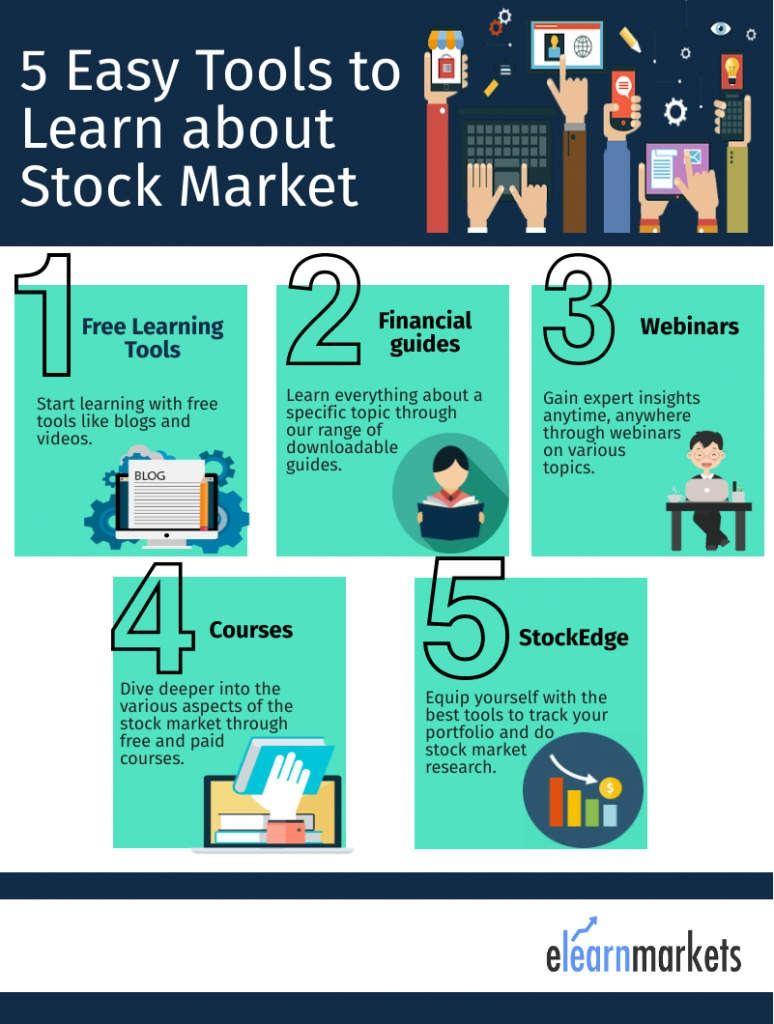
Participating in online investment forums, local investor clubs, or financial workshops also provides a platform for learning from others, sharing ideas, and discussing market trends. Engaging with a community can broaden your perspective, expose you to different investment philosophies, and provide encouragement during challenging market periods. However, always exercise caution and critical thinking when receiving advice from online communities, as not all sources are equally credible.
Crafting Your Investment Framework
Once you’ve built a foundational understanding and practiced with simulated trades, the next step is to develop your personal investment framework. This involves defining your financial goals, understanding your risk tolerance, and selecting strategies that align with both.
Defining Your Financial Objectives and Risk Profile
Before making any investment, ask yourself: “What am I trying to achieve?” Your financial objectives might include saving for retirement, a down payment on a house, a child’s education, or simply generating passive income. Clearly defined goals will dictate your investment horizon (long-term vs. short-term) and the level of risk you’re willing to undertake.
Equally important is understanding your risk tolerance. This is your psychological comfort level with potential losses. An aggressive investor might be comfortable with significant market fluctuations in pursuit of higher returns, while a conservative investor prioritizes capital preservation and steady, albeit lower, growth. Your age, income stability, existing savings, and personality all play a role in determining your appropriate risk profile. A common mistake beginners make is taking on too much risk in pursuit of quick gains, only to panic and sell during market downturns.
Exploring Diverse Investment Strategies
The stock market offers a myriad of strategies, each with its own philosophy and methodology. Understanding these can help you choose an approach that resonates with your goals and risk tolerance:
- Value Investing: Pioneered by Benjamin Graham and popularized by Warren Buffett, this strategy involves buying stocks that appear to be trading for less than their intrinsic or book value, often seeking companies that are undervalued by the market.
- Growth Investing: Focuses on companies that are expected to grow at an above-average rate compared to other companies, often characterized by high revenue growth, innovative products, and expanding markets. These stocks often trade at higher price-to-earnings (P/E) ratios.
- Dividend Investing: Aims to generate regular income through dividends paid by companies, often favoring mature, financially stable companies with a history of consistent payouts.
- Index Investing: Involves investing in an entire market index (e.g., S&P 500) through index funds or Exchange Traded Funds (ETFs). This passive strategy aims to match market performance rather than outperform it, often favored for its low costs and diversification.
- Swing Trading/Day Trading: Shorter-term strategies focused on profiting from price fluctuations over days, hours, or even minutes. These require significant skill, time commitment, and a higher risk tolerance, and are generally not recommended for beginners.
Most beginners are advised to start with long-term, passive strategies like index investing or a blend of value and growth principles, as these tend to be less time-consuming and emotionally taxing.
The Cornerstone of Prudent Investing: Diversification
Regardless of your chosen strategy, diversification is a fundamental principle that should never be overlooked. Putting all your eggs in one basket is a recipe for disaster in the stock market. Diversification involves spreading your investments across various assets, industries, geographic regions, and company sizes.
For example, instead of investing solely in tech stocks, you might also include holdings in healthcare, consumer staples, and utilities. Within each sector, you would ideally invest in multiple companies. Furthermore, diversifying beyond just stocks to include bonds, real estate, or other asset classes can further reduce overall portfolio risk, ensuring that a downturn in one area does not decimate your entire financial position. Diversification helps smooth out portfolio returns over time and is a key component of prudent risk management in any financial plan.
Navigating the Market with Wisdom and Discipline
Even with a strong foundation and a clear strategy, success in the stock market hinges on continuous learning, emotional control, and diligent execution. The market is dynamic, and adapting to change while staying disciplined is paramount.
Overcoming Psychological Biases
Human psychology plays a significant role in investment outcomes. Emotions like fear and greed can lead to irrational decisions, such as selling during a market crash (fear) or buying into speculative bubbles (greed). Common behavioral biases include:
- Confirmation Bias: Seeking out information that confirms your existing beliefs while ignoring contradictory evidence.
- Herd Mentality: Following the crowd, buying what everyone else is buying, often at inflated prices.
- Loss Aversion: The tendency to prefer avoiding losses over acquiring equivalent gains, which can lead to holding onto losing investments for too long.
- Overconfidence: Believing you have superior insight or ability to predict market movements.
Developing emotional discipline is critical. Stick to your investment plan, avoid making impulsive decisions based on news headlines or social media chatter, and regularly review your portfolio objectively. Recognizing and mitigating these psychological pitfalls will significantly improve your long-term investment performance.
The Indispensable Role of Due Diligence
Never invest in a company or asset you don’t understand. Thorough due diligence is non-negotiable before committing your capital. This involves:
- Understanding the Business Model: How does the company make money? What are its products or services?
- Analyzing Financial Statements: Reviewing income statements, balance sheets, and cash flow statements to assess financial health, profitability, and debt levels.
- Evaluating Management Team: Researching the leadership’s experience, track record, and corporate governance practices.
- Assessing Industry Trends and Competitive Landscape: Understanding the sector’s growth prospects, competitive advantages, and potential disruptions.
- Considering Macroeconomic Factors: How do interest rates, inflation, and global economic events impact the company and industry?
While fundamental analysis (looking at a company’s intrinsic value) is crucial for long-term investors, technical analysis (studying price charts and patterns) can also offer insights, particularly for short-term traders. Combining both, where appropriate, can provide a more comprehensive view.

Committing to Lifelong Learning and Adaptation
The stock market is not static; it constantly evolves with new technologies, economic shifts, and regulatory changes. Successful investors recognize that learning is a continuous journey. Stay updated on economic news, read financial publications, and regularly revisit your investment thesis.
Periodically review your portfolio to ensure it still aligns with your financial goals, risk tolerance, and the current market environment. Be prepared to adapt your strategies when necessary, but always within the framework of your well-researched investment philosophy. The ability to learn from mistakes, embrace new information, and maintain a disciplined, long-term perspective are the hallmarks of a wise investor.
In conclusion, learning about the stock market is an empowering step towards financial independence and wealth creation. It demands dedication to understanding fundamental principles, strategic application of learning resources, a disciplined approach to investing, and a commitment to continuous education. By systematically building your knowledge, practicing patience, and exercising sound judgment, you can transform the daunting world of the stock market into a powerful tool for achieving your financial aspirations.
aViewFromTheCave is a participant in the Amazon Services LLC Associates Program, an affiliate advertising program designed to provide a means for sites to earn advertising fees by advertising and linking to Amazon.com. Amazon, the Amazon logo, AmazonSupply, and the AmazonSupply logo are trademarks of Amazon.com, Inc. or its affiliates. As an Amazon Associate we earn affiliate commissions from qualifying purchases.