
Embarking on the journey of stock market investing can feel like stepping into a labyrinth of complex jargon, fluctuating numbers, and expert opinions. However, learning about stocks is not an exclusive domain for financial wizards; it’s a fundamental skill for anyone seeking to build wealth, understand economic dynamics, and secure their financial future. This comprehensive guide will demystify the process, providing a structured approach to acquiring the knowledge and practical skills necessary to navigate the stock market with confidence and insight.
The Foundation: Understanding the Stock Market Basics
Before diving into specific companies or trading strategies, it’s crucial to grasp the fundamental concepts that underpin the stock market. A solid understanding of these basics provides the necessary context for all subsequent learning.
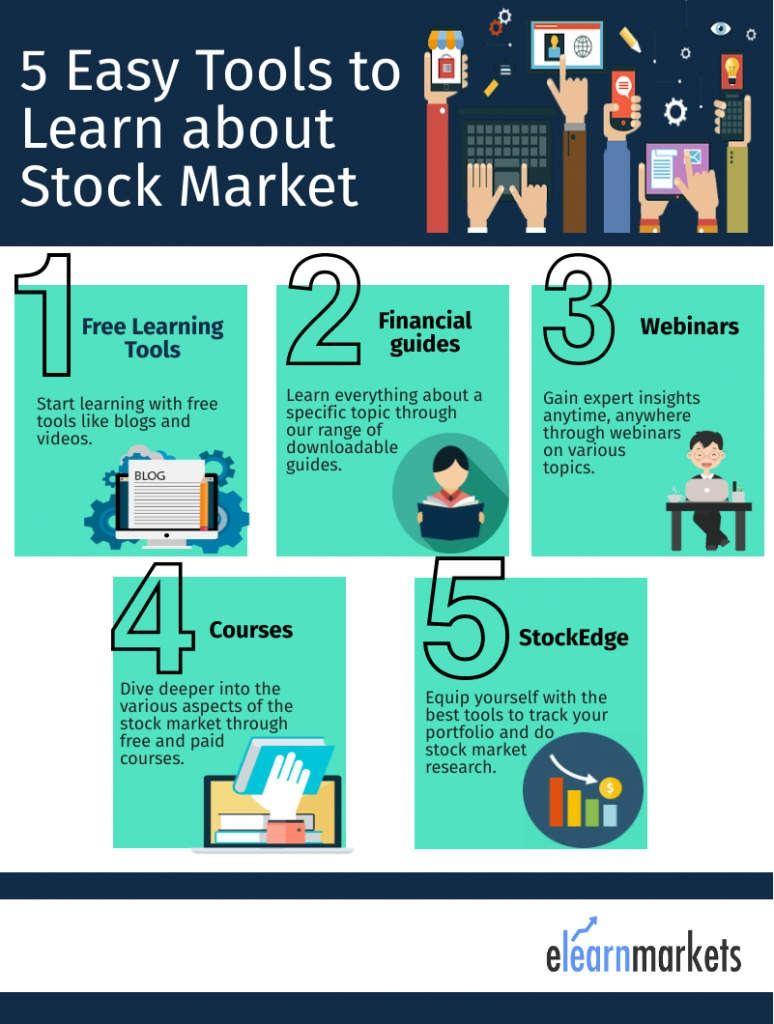
What is a Stock? The Core of Ownership
At its most basic, a stock represents a fractional ownership in a company. When you buy a stock, you become a shareholder, meaning you own a tiny piece of that corporation. This ownership typically comes with certain rights, such as voting on company matters and a claim on a portion of the company’s earnings (dividends). The primary reason companies issue stocks is to raise capital for growth, expansion, or debt repayment, making individual investors critical players in their financing. Understanding this relationship between investor and company is the bedrock of stock market knowledge.
Primary vs. Secondary Markets: Where Stocks are Traded
Stocks are initially offered to the public in the primary market through an Initial Public Offering (IPO). This is where a company sells its shares for the very first time, often facilitated by investment banks. Once these shares are purchased, they are then traded among investors in the secondary market, which includes major stock exchanges like the New York Stock Exchange (NYSE) and NASDAQ. The prices in the secondary market are determined by supply and demand, influenced by company performance, industry trends, economic conditions, and investor sentiment. Differentiating between these markets clarifies how stocks enter circulation and how their values are subsequently determined.
Key Terminology: Speaking the Language of the Market
The stock market has its own lexicon, and familiarizing yourself with key terms is essential for understanding news, research, and advice.
- Market Capitalization (Market Cap): The total value of a company’s outstanding shares, calculated by multiplying the current share price by the number of shares. It indicates a company’s size.
- Dividends: A portion of a company’s earnings distributed to its shareholders, typically quarterly. Not all companies pay dividends.
- Volatility: The degree of variation of a trading price series over time. High volatility means a stock’s price can change dramatically over a short period.
- Bulls and Bears: A “bull market” signifies rising stock prices and investor optimism, while a “bear market” indicates falling prices and pessimism.
- Bid and Ask: The “bid” is the highest price a buyer is willing to pay for a stock, and the “ask” is the lowest price a seller is willing to accept. The difference is the “spread.”
- Earnings Per Share (EPS): A company’s profit divided by the number of outstanding shares, indicating how much money a company makes for each share.
These terms are just a starting point; continuous learning of financial vocabulary will enhance your comprehension and decision-making capabilities.
Essential Learning Pathways and Resources
The digital age offers an unprecedented array of resources for learning about stocks. The key is to select reputable and effective channels that align with your learning style.
Books and Online Courses: Structured Knowledge Acquisition
For a foundational and structured approach, books remain an invaluable resource. Classics like “The Intelligent Investor” by Benjamin Graham, “A Random Walk Down Wall Street” by Burton Malkiel, and “Common Stocks and Uncommon Profits” by Philip Fisher offer timeless wisdom on investing principles. For contemporary insights and practical strategies, look for highly-rated books by respected financial authors.
Online courses, offered by platforms such as Coursera, Udemy, edX, and dedicated financial education websites, provide structured lessons, quizzes, and often practical exercises. Many universities also offer free introductory finance courses or MOOCs (Massive Open Online Courses) that can provide a rigorous academic foundation without the cost of a full degree program. These courses often include modules on market mechanics, financial statement analysis, and portfolio management.
Financial News and Reputable Websites: Staying Informed
Staying current with market news and economic trends is crucial for informed investing. Reputable financial news sources like The Wall Street Journal, Bloomberg, The Financial Times, and Reuters provide in-depth analysis, market updates, and company-specific news. Websites like Investopedia offer comprehensive definitions and educational articles on virtually every financial topic. Yahoo Finance and Google Finance provide quick access to stock quotes, company news, and basic financial data. The Securities and Exchange Commission (SEC) website is also a treasure trove of official company filings (10-K, 10-Q reports) that offer unparalleled insight into a company’s financial health and operations.
Podcasts and YouTube Channels: Accessible Learning on the Go
For those who prefer auditory or visual learning, financial podcasts and YouTube channels offer flexible and engaging content. Podcasts like “Marketplace,” “Planet Money,” “InvestTalk,” and “The Investors Podcast” provide discussions on market trends, economic policies, and investment strategies from various perspectives. YouTube channels from reputable financial educators, brokers, and news outlets offer tutorials, market commentary, and interviews with experts, making complex topics more digestible through visual aids and dynamic explanations. Always vet the credibility of content creators to ensure you’re receiving accurate and unbiased information.
Mentorship and Communities: Learning from Experience and Peers
Joining investment clubs, online forums (e.g., Reddit’s r/investing, Bogleheads.org), or professional networking groups can provide invaluable opportunities to learn from experienced investors and engage with peers. These communities offer a platform for asking questions, discussing strategies, sharing insights, and receiving feedback. A mentor can provide personalized guidance, share their journey, and help you navigate common pitfalls. However, always exercise caution and critical thinking when receiving advice from online communities, as not all information may be reliable or suitable for your individual circumstances.
Practical Application: Hands-On Learning
Theoretical knowledge is essential, but truly learning about stocks requires practical application. This hands-on experience helps bridge the gap between understanding concepts and making actual investment decisions.
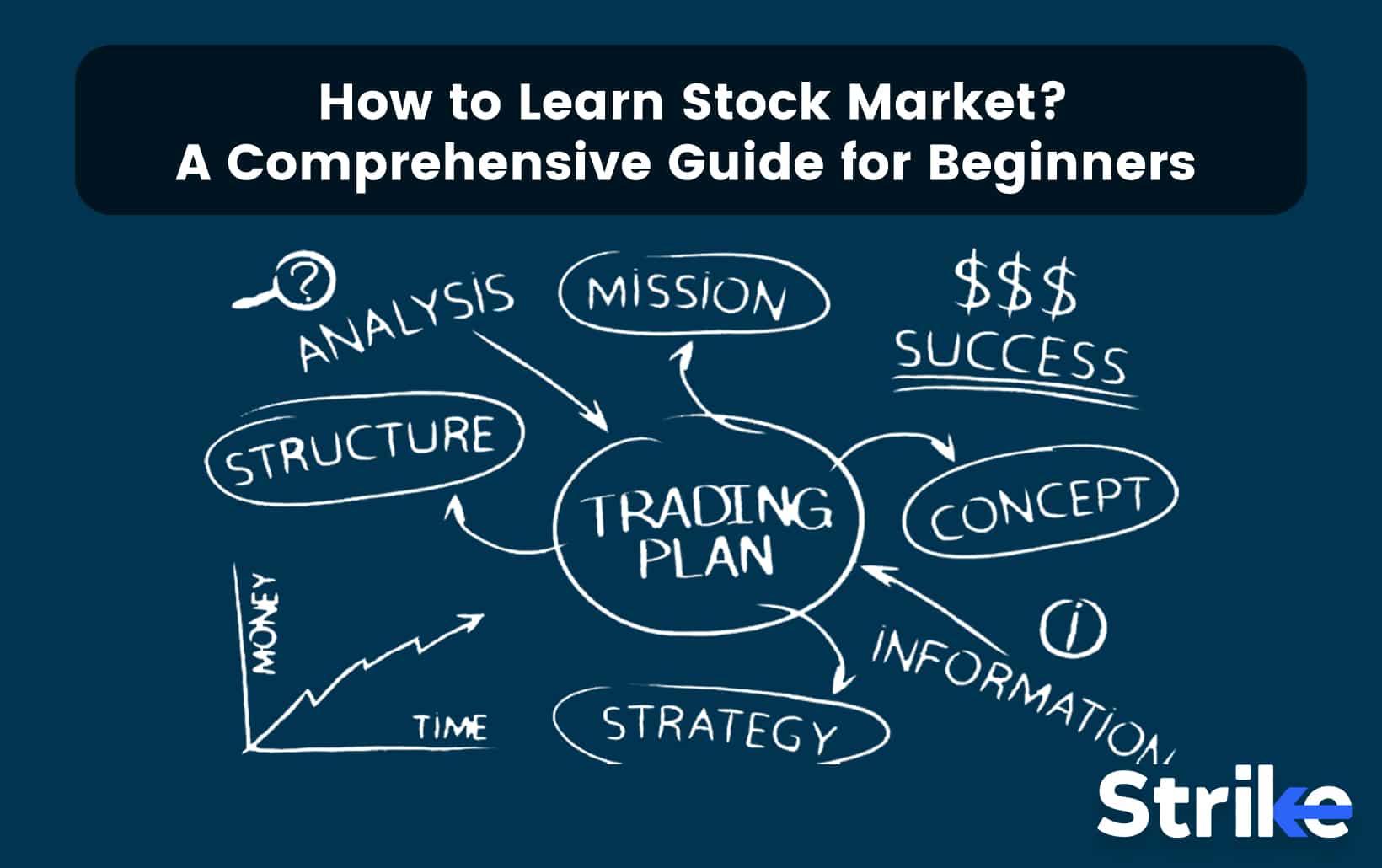
Paper Trading / Stock Market Simulators: Risk-Free Practice
Before committing real capital, utilize paper trading or stock market simulators. Many online brokerage platforms offer these tools, allowing you to create a virtual portfolio with play money and execute trades in a simulated market environment. This risk-free practice enables you to test different strategies, understand order types, monitor portfolio performance, and experience market fluctuations without financial consequences. It’s an excellent way to build confidence and refine your decision-making process.
Starting Small: Fractional Shares and ETFs
When you’re ready to invest real money, consider starting small. Many brokers now offer fractional shares, allowing you to invest a specific dollar amount (e.g., $50) into a stock, even if the share price is much higher. This democratizes investing and allows for immediate diversification across several companies without needing a large initial capital. Exchange-Traded Funds (ETFs) are another excellent starting point. An ETF is a basket of securities (stocks, bonds, etc.) that often tracks an index. By investing in an ETF, you gain instant diversification across multiple companies or even an entire industry, reducing the risk associated with investing in a single stock.
Analyzing Company Financials: Beyond the Headlines
To truly understand a stock, you must look beyond its daily price movements and delve into the underlying company’s financial health. This involves learning to read and interpret financial statements:
- Income Statement: Shows a company’s revenues, expenses, and profit (or loss) over a period. Key metrics include revenue growth, gross profit, operating income, and net income.
- Balance Sheet: Provides a snapshot of a company’s assets, liabilities, and shareholder equity at a specific point in time. It reveals a company’s financial position and solvency.
- Cash Flow Statement: Details the cash generated and used by a company over a period, categorized into operating, investing, and financing activities. It’s crucial for understanding a company’s liquidity and ability to generate cash.
Learning to analyze these statements will enable you to assess a company’s profitability, stability, and growth potential, forming the basis of fundamental analysis.
Understanding Valuation Metrics: Is the Price Right?
Once you understand a company’s financials, the next step is to determine if its stock is currently undervalued, overvalued, or fairly priced. This involves using various valuation metrics:
- Price-to-Earnings (P/E) Ratio: Compares a company’s share price to its earnings per share, indicating how much investors are willing to pay for each dollar of earnings.
- Price/Earnings-to-Growth (PEG) Ratio: The P/E ratio divided by the annual EPS growth rate, often used to evaluate growth stocks.
- Price-to-Book (P/B) Ratio: Compares a company’s market price to its book value per share, useful for evaluating asset-heavy companies.
- Debt-to-Equity Ratio: Measures a company’s financial leverage, indicating the proportion of equity and debt used to finance assets.
These metrics, among others, help investors gauge whether a stock’s current price is justified by its financial performance and future prospects.
Developing an Investment Strategy and Mindset
Learning about stocks is not just about acquiring facts; it’s about cultivating a disciplined approach and a resilient mindset.
Defining Your Investment Goals and Risk Tolerance
Before making any investment, clearly define your financial goals (e.g., retirement, down payment for a house, education fund) and your time horizon. Equally important is understanding your risk tolerance—how much volatility and potential loss you are comfortable with. Someone with a long-term horizon and high risk tolerance might favor growth stocks, while someone closer to retirement with a low risk tolerance might prefer dividend stocks or bonds. Your goals and risk tolerance should dictate your investment strategy, not current market trends.
Diversification and Asset Allocation: The Cornerstone of Risk Management
“Don’t put all your eggs in one basket” is especially true in investing. Diversification involves spreading your investments across various assets, industries, and geographies to minimize risk. If one investment performs poorly, others may perform well, mitigating the overall impact on your portfolio. Asset allocation takes this a step further by determining the optimal mix of different asset classes (stocks, bonds, real estate, cash) based on your risk tolerance and financial goals. This strategy is more important than trying to pick winning stocks consistently.
The Importance of Continuous Learning and Adaptability
The stock market is dynamic, constantly influenced by economic shifts, technological advancements, geopolitical events, and changing consumer behaviors. Therefore, learning about stocks is an ongoing process. Stay curious, continue reading, adapt your strategies as circumstances change, and be open to new information. The most successful investors are lifelong learners who can adjust their approach without abandoning their core principles.
Avoiding Common Pitfalls: Emotional Trading and Chasing Trends
One of the biggest obstacles to successful investing is succumbing to emotions. Fear and greed can lead to impulsive decisions, such as selling during a market downturn (fear) or buying into speculative bubbles (greed). Develop a disciplined approach, stick to your investment plan, and avoid trying to time the market. Similarly, resist the urge to chase “hot” stocks or fleeting trends. Thorough research and a long-term perspective nearly always outperform reactive, trend-following strategies.
The Role of Financial Tools in Stock Learning
Modern financial tools can significantly enhance your learning experience and investment efficiency.
Brokerage Platforms: Your Gateway to the Market
Choosing the right brokerage platform is a crucial step. Modern brokers offer user-friendly interfaces, extensive research tools, educational content, and varying fee structures. Explore platforms like Fidelity, Charles Schwab, Vanguard, E*TRADE, and TD Ameritrade, evaluating their offerings based on your needs. Look for features such as commission-free trading, access to fractional shares, robust charting tools, and detailed company research reports. Many also provide educational articles and webinars that can complement your learning journey.
Portfolio Trackers and Analytics Software: Monitoring Your Progress
As your portfolio grows, tracking its performance and understanding its composition becomes vital. Portfolio tracking tools (often integrated into brokerage platforms or available as standalone apps) allow you to monitor your investments, visualize your asset allocation, and analyze returns. Advanced analytics software can provide deeper insights into your portfolio’s risk exposure, diversification levels, and even tax implications, helping you make informed adjustments.
Screeners and Research Tools: Identifying Opportunities
Stock screeners are powerful tools that allow you to filter thousands of stocks based on specific criteria (e.g., market cap, P/E ratio, dividend yield, industry, growth rate). This helps you narrow down potential investment opportunities that align with your strategy. Complementary research tools, such as analyst ratings, historical data, economic calendars, and news feeds, provide the comprehensive information needed to conduct thorough due diligence before making an investment decision.

Conclusion
Learning about stocks is a rewarding endeavor that empowers individuals to take control of their financial destiny. It’s a journey that begins with understanding the basics, progresses through structured learning and practical application, and culminates in the development of a disciplined investment strategy and resilient mindset. By leveraging the vast array of available resources, practicing with simulated environments, and committing to continuous education, anyone can acquire the knowledge and skills needed to navigate the complexities of the stock market. Remember, patience, discipline, and a commitment to lifelong learning are your most valuable assets in the world of investing.
aViewFromTheCave is a participant in the Amazon Services LLC Associates Program, an affiliate advertising program designed to provide a means for sites to earn advertising fees by advertising and linking to Amazon.com. Amazon, the Amazon logo, AmazonSupply, and the AmazonSupply logo are trademarks of Amazon.com, Inc. or its affiliates. As an Amazon Associate we earn affiliate commissions from qualifying purchases.