
The stock exchange is often viewed as a complex labyrinth of numbers, flashing screens, and intimidating jargon. However, at its core, it is one of the most powerful engines for wealth creation ever devised. Learning about the stock exchange is not merely an academic exercise; it is a fundamental pillar of personal finance that empowers individuals to take control of their financial destiny. Whether you are looking to build a retirement nest egg or generate passive income, understanding the mechanics of the market is the first step toward long-term prosperity.
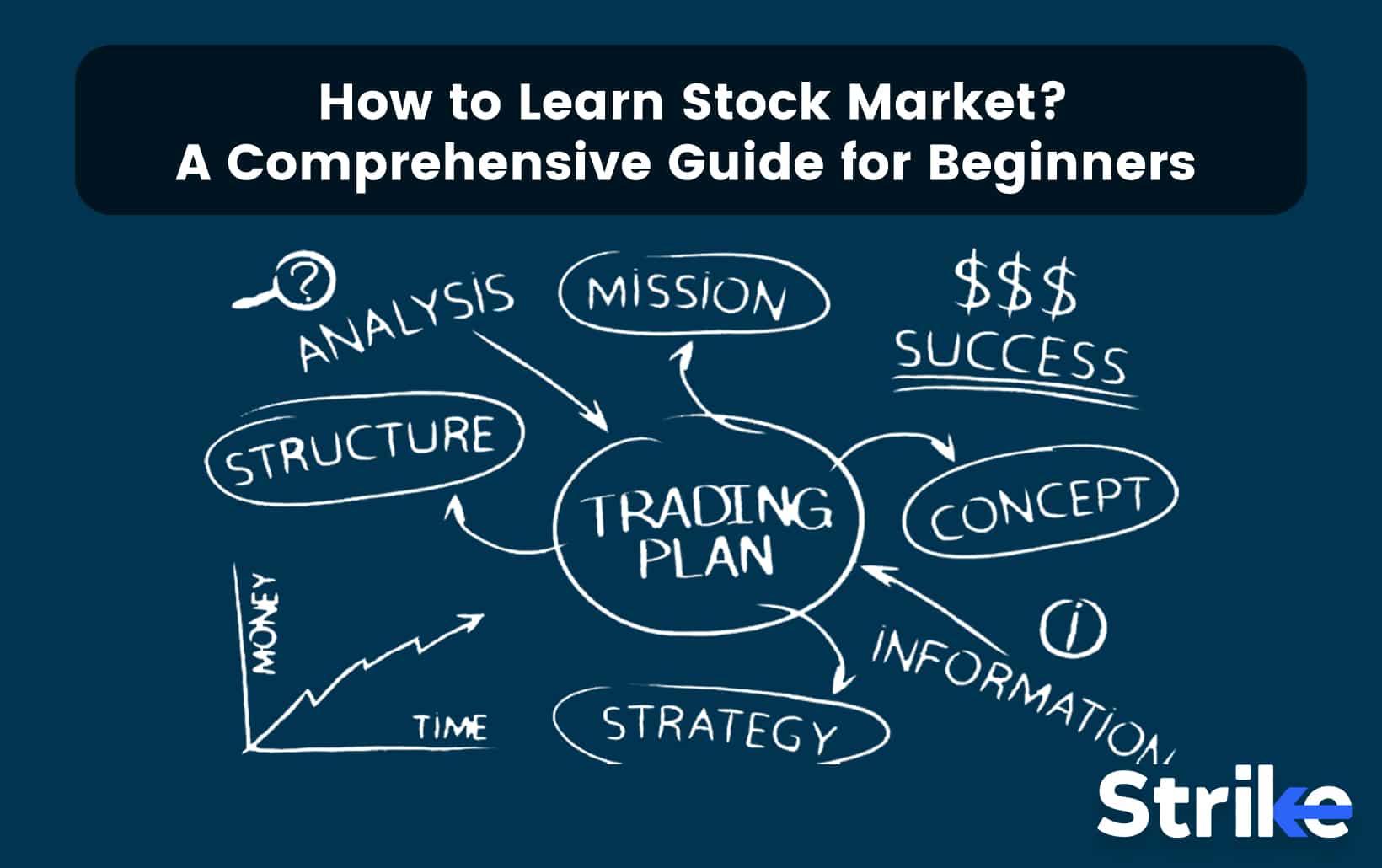
Establishing the Foundational Principles of Investing
Before diving into the complexities of options trading or technical analysis, one must master the basic architecture of the financial markets. The stock exchange is essentially a centralized marketplace where shares of publicly held companies are bought and sold.
Understanding What a Stock Exchange Truly Is
A stock exchange, such as the New York Stock Exchange (NYSE) or the NASDAQ, acts as a facilitator. It ensures that the exchange of securities happens in a regulated, transparent, and efficient manner. When you buy a “stock,” you are purchasing a fractional ownership stake in a corporation. As the company grows and generates profit, the value of your ownership stake generally increases, and you may even receive a portion of those profits in the form of dividends.
Market Mechanics: Deciphering Bull and Bear Markets
In your journey to learn about the stock exchange, you will frequently encounter the terms “Bull” and “Bear.” A bull market is characterized by rising prices and investor optimism, often coinciding with a strong economy. Conversely, a bear market describes a period where stock prices fall by 20% or more from recent highs, usually accompanied by widespread pessimism. Recognizing these cycles is crucial because they dictate the general “mood” of the market and influence institutional and retail investor behavior alike.
Key Participants in the Financial Ecosystem
The market is not just a collection of tickers; it is a community of participants. This includes retail investors (individuals like you), institutional investors (pension funds, insurance companies, and mutual funds), and market makers who provide liquidity by standing ready to buy or sell at any given time. Understanding that you are participating in a global ecosystem helps contextualize price movements and market volatility.
Strategic Educational Pathways and Resources
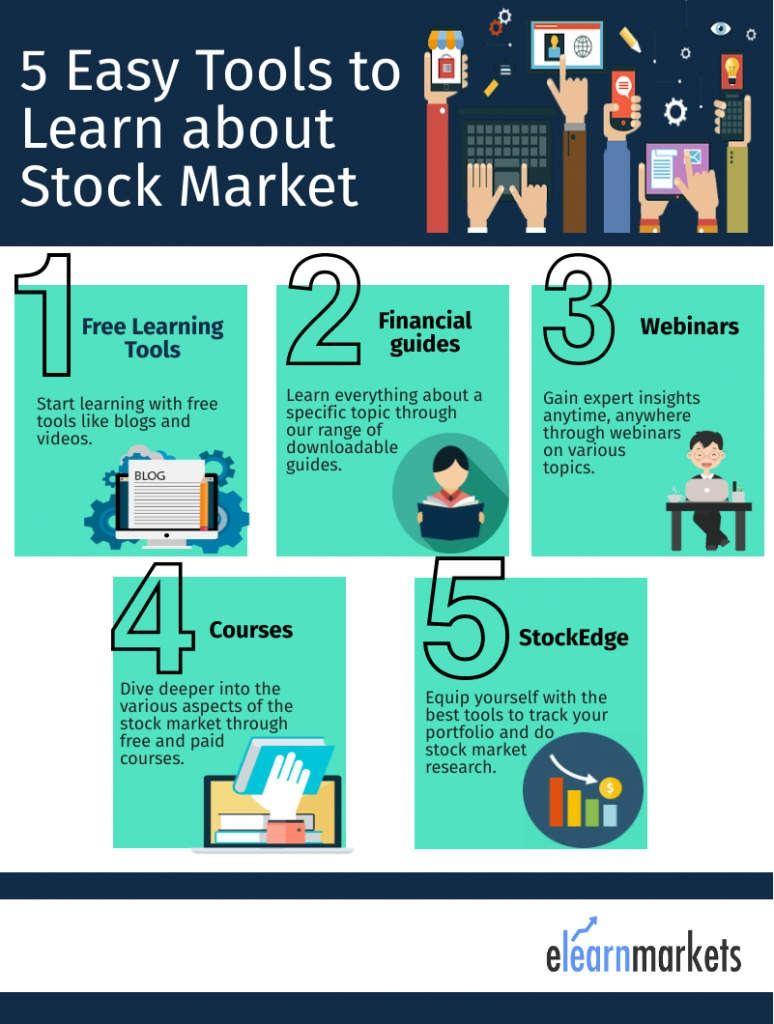
The sheer volume of information available can lead to “analysis paralysis.” To effectively learn about the stock exchange, you must curate your educational sources to ensure they are high-quality, reputable, and aligned with your financial goals.
Curated Books and Academic Foundations
Foundational knowledge is best acquired through time-tested literature. Classics like Benjamin Graham’s The Intelligent Investor introduce the concept of “value investing,” teaching you to look at stocks as businesses rather than gambling chips. For those interested in the psychological aspect of the market, The Psychology of Money by Morgan Housel offers invaluable insights into how human behavior influences financial success. Supplementing your reading with academic resources, such as introductory finance textbooks, can provide the mathematical framework necessary to understand valuation.
Leveraging Modern Online Courses and Certifications
The digital age has democratized financial education. Platforms like Coursera, Udemy, and Khan Academy offer structured courses ranging from “Investing 101” to advanced corporate finance. Many brokerage firms also provide their own educational hubs, offering webinars and tutorials that guide beginners through the logistics of placing their first trade. For those seeking a deeper professional edge, exploring content geared toward the CFA (Chartered Financial Analyst) level can provide a rigorous understanding of asset allocation and portfolio management.
Navigating Financial News and Data Analysis
Learning to distinguish between “signal” and “noise” is a vital skill. High-quality financial news outlets like Bloomberg, The Wall Street Journal, and Reuters provide the context behind market moves. However, a student of the market must also learn to look at raw data. Familiarizing yourself with tools like Yahoo Finance, Morningstar, or TradingView allows you to examine financial statements and historical price data directly, reducing your reliance on third-party opinions.
Analytical Frameworks: Fundamental vs. Technical Analysis
Once you understand how the market works and where to find information, you must learn how to evaluate individual investments. There are two primary schools of thought: fundamental analysis and technical analysis.
Fundamental Analysis: Evaluating Company Health
Fundamental analysis is the process of looking at a company’s financial health to determine its “intrinsic value.” If the stock price is lower than the intrinsic value, it may be a good investment. To master this, you must learn to read three key financial statements: the Balance Sheet, the Income Statement, and the Cash Flow Statement. You will learn to calculate ratios like the Price-to-Earnings (P/E) ratio, which helps you understand how much you are paying for every dollar of profit, and the Debt-to-Equity ratio, which indicates a company’s financial stability.
Technical Analysis: Reading the Charts
While fundamental analysis looks at the “why,” technical analysis looks at the “when.” This discipline involves studying historical market data, primarily price and volume, to predict future price movements. You will learn about support and resistance levels, moving averages, and indicators like the Relative Strength Index (RSI). While controversial to some value investors, technical analysis is a powerful tool for understanding market sentiment and timing entries or exits in volatile markets.
Sentiment Analysis and Market Psychology
The stock exchange is driven by human emotion—primarily fear and greed. Learning about the “Fear and Greed Index” or the VIX (Volatility Index) can help you understand when the market is overextended or irrationally depressed. Mastering your own emotions is just as important as mastering the numbers. Successful investors are those who can remain calm when the market is in a frenzy and stay disciplined when others are panicking.
Practical Application and Risk Management
Theory only takes you so far. At some point, you must move from passive learning to active participation. However, this transition should be managed carefully to protect your capital.
Starting with Paper Trading
Before committing real capital, many experts recommend “paper trading.” This involves using a simulator to trade stocks with virtual money based on real-time market data. This allows you to test your strategies, practice using a brokerage interface, and experience the mechanics of the market without any financial risk. It is the ultimate “sandbox” for the aspiring investor.
The Power of Portfolio Diversification
One of the most important lessons in finance is that there is no such thing as a “sure thing.” Diversification is the practice of spreading your investments across different asset classes, industries, and geographies to reduce risk. By holding a mix of stocks, bonds, and perhaps international ETFs (Exchange-Traded Funds), you ensure that a downturn in one sector—such as technology—doesn’t devastate your entire portfolio.
Understanding Risk-to-Reward Ratios
Every investment carries risk. Professional investors calculate the “risk-to-reward ratio” before entering a position. For example, if you are willing to risk $100 to potentially make $300, you have a 1:3 ratio. Learning how to set “stop-loss” orders—automated instructions to sell a stock if it drops to a certain price—is a fundamental skill in capital preservation. You don’t have to be right 100% of the time to be a successful investor; you just need to ensure your winners are larger than your losers.
Long-Term Wealth Building and the Growth Mindset
The final stage of learning about the stock exchange is shifting your perspective from “trading” to “investing.” The most successful figures in financial history, like Warren Buffett, view the market through a multi-decade lens.
Harnessing the Power of Compounding
Albert Einstein reportedly called compound interest the “eighth wonder of the world.” When you learn about the stock exchange, you realize that time is your greatest asset. Compounding occurs when the returns on your investments begin to earn their own returns. Over 20 or 30 years, even modest annual contributions can grow into significant wealth. This realization encourages a “buy and hold” strategy, which often outperforms frequent trading for the average person.
Developing a Disciplined Investor Mindset
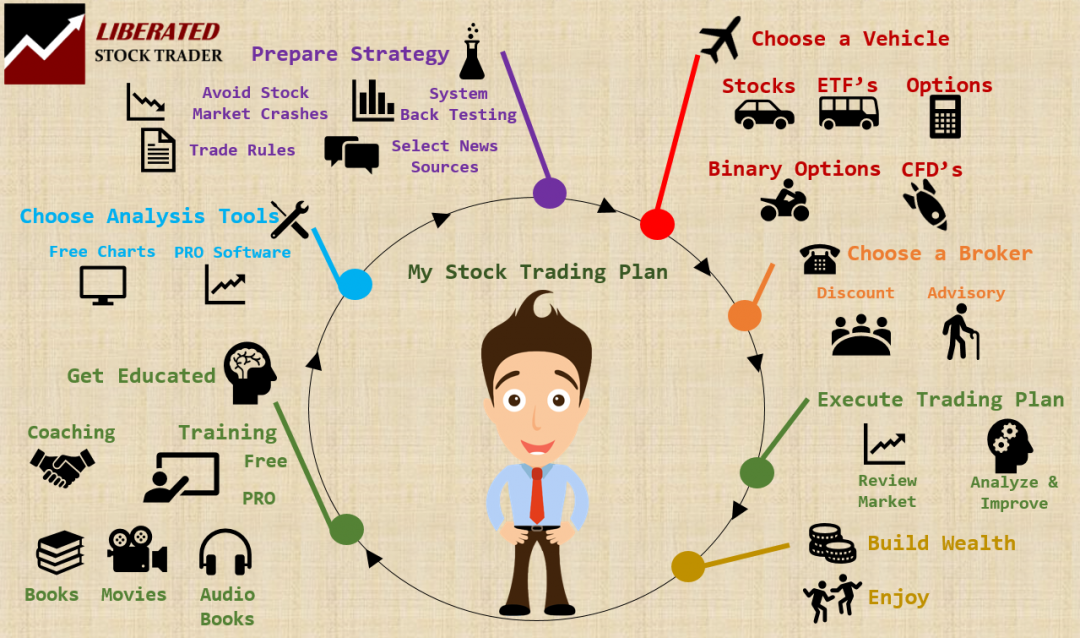
Continuous learning is a hallmark of the successful investor. The market is constantly evolving, influenced by geopolitical shifts, technological breakthroughs, and changes in monetary policy. Staying curious and remaining a student of the economy will allow you to adapt your strategy as the world changes. Developing a “Personal Investment Policy Statement”—a written document outlining your goals, risk tolerance, and rules—can help keep you disciplined during periods of market turbulence.
Adapting to Global Economic Shifts
In today’s interconnected world, the stock exchange is influenced by events across the globe. Learning how interest rate hikes by the Federal Reserve affect equity prices or how supply chain disruptions in Asia impact domestic retail stocks is essential. By expanding your view from individual stocks to the broader macro-economic landscape, you transform from a casual participant into a sophisticated investor capable of navigating any market environment.
aViewFromTheCave is a participant in the Amazon Services LLC Associates Program, an affiliate advertising program designed to provide a means for sites to earn advertising fees by advertising and linking to Amazon.com. Amazon, the Amazon logo, AmazonSupply, and the AmazonSupply logo are trademarks of Amazon.com, Inc. or its affiliates. As an Amazon Associate we earn affiliate commissions from qualifying purchases.