
Embarking on the journey of entrepreneurship is an exhilarating endeavor, one fraught with both immense potential and significant challenges. While the allure of creative freedom and autonomy is powerful, the practical reality of launching and sustaining a business hinges critically on sound financial planning and astute money management. Far from being a mere afterthought, financial strategy is the bedrock upon which every successful enterprise is built. Without a clear understanding of capital needs, cash flow, pricing, and profitability, even the most innovative ideas are destined to falter.
This guide delves into the essential financial considerations for aspiring business owners, offering a pragmatic roadmap from initial concept to sustainable operation. It’s a journey not just of ideation and execution, but of disciplined financial stewardship, where every decision has monetary implications. By focusing on the fiscal elements, we aim to equip you with the knowledge to not just launch, but to thrive.
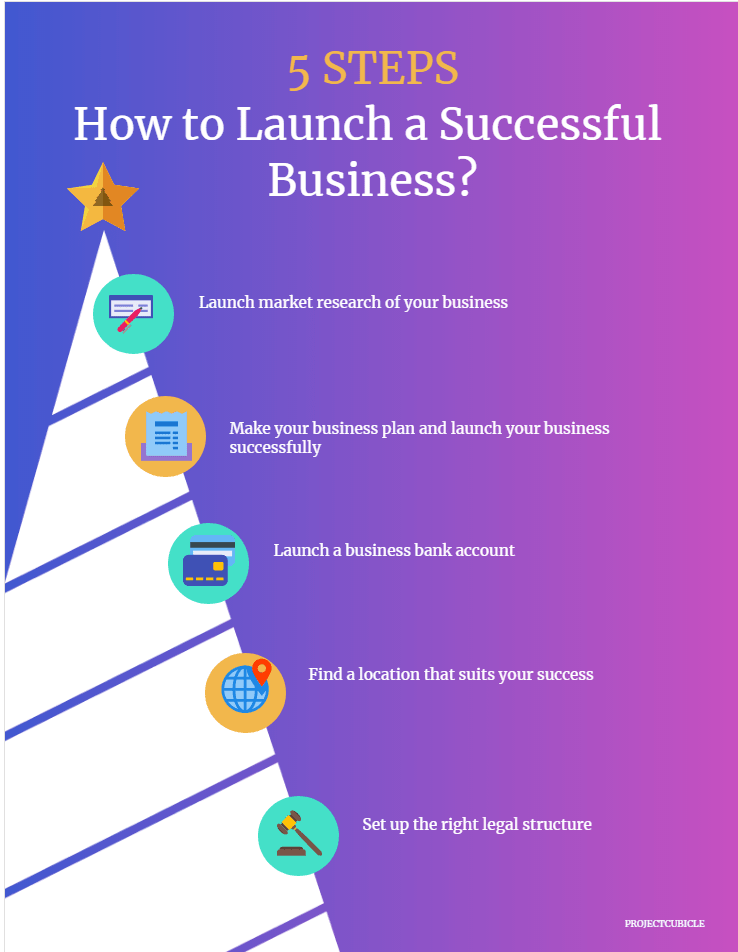
I. Laying the Financial Foundation: Pre-Launch Planning
Before your business can open its doors, virtual or physical, a robust financial foundation must be meticulously laid. This initial phase is about understanding the financial requirements of your venture and securing the necessary resources.
A. Assessing Your Startup Capital Needs
The very first step is to quantify the financial resources required to get your business off the ground. This involves a comprehensive audit of all potential expenses. Distinguish between fixed costs (rent, equipment leases, software subscriptions) and variable costs (raw materials, per-unit production costs, marketing spend). Consider one-time purchases such as initial inventory, legal fees for business registration, website development, and essential office or workshop equipment. Don’t forget operational costs for the first 3-6 months, like salaries, utilities, and marketing, even before significant revenue starts flowing in. A common mistake is underestimating these initial costs, which can lead to premature financial distress. Create a detailed spreadsheet itemizing every projected expense, no matter how small, and then add a contingency fund (typically 15-20% of the total) for unforeseen circumstances. This realistic assessment is crucial for avoiding a cash crunch in the critical early stages.
B. Crafting a Robust Business Plan with Financial Projections
A business plan is more than just a document; it’s your operational blueprint and, crucially, your financial narrative. Within this plan, the financial section is paramount. It should include detailed financial projections:
- Startup Cost Analysis: As detailed above.
- Sales Forecasts: Realistic projections of revenue over the first 1-3 years, broken down by month or quarter. Base these on market research, pricing strategy, and anticipated customer acquisition.
- Profit and Loss (P&L) Statement: A projected P&L will show your anticipated revenues, cost of goods sold, operating expenses, and ultimately, your net profit or loss.
- Cash Flow Statement: Perhaps the most critical, this projects the movement of cash into and out of your business over time. It reveals potential cash shortages or surpluses and helps you manage liquidity.
- Balance Sheet: A snapshot of your assets, liabilities, and owner’s equity at specific points in time.
- Break-Even Analysis: This calculation determines the sales volume (in units or revenue) required to cover all your costs, indicating the point at which your business becomes profitable.
These projections not only serve as a guide but are also indispensable when seeking external funding, as they demonstrate your financial acumen and the viability of your business model.
C. Securing Initial Funding
With a clear understanding of your capital needs and robust financial projections, the next challenge is to secure the necessary funds. Various avenues exist, each with its own advantages and requirements:
- Bootstrapping: Self-funding the business using personal savings, credit cards (use with caution due to high interest), or early sales. This maintains full ownership but limits growth potential.
- Friends and Family: Often a first port of call, but treat these investments professionally with clear terms to avoid damaging relationships.
- Small Business Loans: Offered by banks and credit unions, often backed by government programs (e.g., SBA loans in the US) that reduce risk for lenders. Require a solid business plan, credit history, and sometimes collateral.
- Angel Investors: Wealthy individuals who provide capital for a stake in the company, often bringing valuable mentorship. They typically invest in early-stage companies with high growth potential.
- Venture Capital (VC): Firms that invest larger sums in high-growth startups in exchange for significant equity. VCs look for disruptive innovations and scalable business models.
- Crowdfunding: Raising small amounts of money from a large number of people, often through online platforms. Can be donation-based, reward-based, equity-based, or debt-based.
Each funding source requires a compelling financial pitch, demonstrating not just the potential for return, but also a clear exit strategy for investors or a repayment plan for lenders.
II. Strategic Resource Allocation: Managing Your Business Finances
Once launched, the focus shifts from securing funds to strategically managing them. This involves diligent budgeting, shrewd pricing, and meticulous cash flow oversight.
A. Budgeting and Expense Control
A budget is your financial GPS, guiding your spending and preventing you from veering off course. Establish a detailed operational budget that allocates funds to every department and activity. Regularly track actual expenditures against this budget to identify discrepancies and areas for cost reduction. Leverage financial software (e.g., QuickBooks, Xero) to automate expense tracking, categorize transactions, and generate reports. Be ruthless in eliminating unnecessary expenses, especially in the early stages. Every dollar saved on overhead is a dollar that can be reinvested into growth, product development, or marketing. Review vendor contracts regularly, negotiate better terms, and explore bulk purchasing discounts.
B. Pricing Strategies for Profitability
Pricing is a delicate balance between attracting customers and ensuring profitability. Your pricing strategy directly impacts your revenue and margins. Consider various approaches:
- Cost-Plus Pricing: Adding a percentage markup to your total costs (production, overhead) to determine the selling price. Simple, but might not reflect market value or competitive landscape.
- Value-Based Pricing: Setting prices based on the perceived value of your product or service to the customer, rather than just the cost of production. Requires deep understanding of your target market.
- Competitive Pricing: Benchmarking your prices against those of your competitors. Useful in saturated markets, but risks price wars if not differentiated.
- Penetration Pricing: Setting a low initial price to quickly gain market share, then gradually increasing it.
- Skimming Pricing: Launching with a high price to capture early adopters and then lowering it over time.
Whichever strategy you choose, ensure it covers all your costs, allows for a healthy profit margin, and aligns with your brand’s positioning. Regularly review and adjust prices based on market feedback, cost changes, and competitive shifts.
C. Understanding and Managing Cash Flow
“Cash is king” is an adage particularly true for small businesses. A business can be profitable on paper but still fail due to poor cash flow. Cash flow refers to the net amount of cash and cash equivalents being transferred into and out of your business.
- Monitor Receivables: Promptly invoice clients and follow up on overdue payments. Offer early payment discounts or implement late payment penalties.
- Manage Payables: Negotiate longer payment terms with suppliers where possible, without damaging relationships. Align your payment cycles with your revenue collection cycles.
- Maintain a Cash Reserve: Keep a buffer of cash on hand to cover unexpected expenses or dips in revenue.
- Forecast Regularly: Update your cash flow forecasts frequently (weekly or monthly) to anticipate potential shortages and take proactive measures. A significant positive cash flow ensures you can pay employees, suppliers, and invest in growth.
III. Fueling Growth and Sustainability: Financial Strategies Post-Launch

Once your business is operational and generating revenue, the focus shifts to sustaining growth and ensuring long-term financial health.
A. Revenue Generation and Diversification
While your initial business model provides a primary revenue stream, exploring additional channels can significantly enhance financial stability and growth potential. Consider strategies such as:
- Expanding Product/Service Lines: Introducing complementary offerings that appeal to your existing customer base.
- Entering New Markets: Targeting different demographics, geographic regions, or industry verticals.
- Subscription Models: Creating recurring revenue streams through memberships or subscription services.
- Partnerships and Collaborations: Teaming up with other businesses to cross-promote or co-create products/services.
- Upselling and Cross-selling: Maximizing the lifetime value of existing customers by offering premium versions or related products.
Diversifying revenue reduces reliance on a single source, making your business more resilient to market fluctuations.
B. Reinvesting for Growth vs. Taking Profits
A critical financial decision for any business owner is how to allocate profits. Should you take money out for personal use, or reinvest it back into the business?
- Reinvestment: Pumping profits back into the business for expansion, new equipment, R&D, marketing campaigns, or hiring new talent can accelerate growth and increase future earning potential. This is often crucial in the early and growth stages.
- Profit Distribution: As the business matures and becomes more stable, owners may choose to take a salary, dividends, or other distributions. This should be carefully balanced against the business’s ongoing capital needs and growth ambitions.
Establish clear policies for profit distribution versus reinvestment, perhaps linking it to achieving specific financial milestones or growth targets. A common strategy for startups is to reinvest nearly all profits back into the business for several years.
C. Financial Monitoring and Performance Metrics
Regularly monitoring your financial health is non-negotiable. This involves more than just looking at your bank balance.
- Key Performance Indicators (KPIs): Identify relevant financial KPIs, such as gross profit margin, net profit margin, customer acquisition cost (CAC), customer lifetime value (CLTV), burn rate, and return on investment (ROI) for marketing campaigns.
- Financial Statements Analysis: Regularly review your Profit & Loss statement, Balance Sheet, and Cash Flow Statement. Look for trends, anomalies, and areas for improvement.
- Budget vs. Actual Analysis: Compare your actual financial results against your projections and budget. Understand why discrepancies occurred and adjust future plans accordingly.
This continuous monitoring allows for proactive decision-making, enabling you to pivot strategies, address issues before they become crises, and capitalize on opportunities.
IV. Navigating the Financial Landscape: Risks and Regulations
The financial journey of a business also involves understanding and adhering to various regulatory requirements and mitigating potential risks.
A. Understanding Business Insurance Needs
Protecting your business from unforeseen events is a crucial financial safeguard. Adequate insurance can prevent catastrophic financial losses. Key types of business insurance include:
- General Liability Insurance: Covers claims of bodily injury or property damage caused by your business operations.
- Professional Liability Insurance (E&O): For service-based businesses, covers claims of negligence, errors, or omissions in professional services.
- Property Insurance: Protects your physical assets (buildings, equipment, inventory) from damage or loss.
- Business Interruption Insurance: Replaces lost income and covers extra expenses if your business is forced to close temporarily due to a covered event.
- Workers’ Compensation Insurance: (Required by law in most places) Covers medical expenses and lost wages for employees injured on the job.
Consult with an insurance broker to assess your specific risks and secure appropriate coverage tailored to your industry and business size.
B. Tax Implications and Compliance
Navigating the tax landscape is complex but essential for financial compliance.
- Business Structure: Your chosen legal structure (sole proprietorship, partnership, LLC, S-Corp, C-Corp) significantly impacts how your business is taxed.
- Federal, State, and Local Taxes: Be aware of income tax, sales tax (if you sell goods), payroll tax (if you have employees), and potentially excise taxes or property taxes.
- Record-Keeping: Maintain meticulous financial records for all income and expenses. This is critical for accurate tax reporting and in case of an audit.
- Estimated Taxes: Many small businesses are required to pay estimated taxes quarterly. Failure to do so can result in penalties.
Consider engaging a qualified accountant or tax professional from the outset. Their expertise can save you significant time, ensure compliance, and identify legitimate deductions to optimize your tax burden.
C. Managing Debt and Equity
As your business grows, you may need additional capital, leading to decisions about managing debt and equity.
- Strategic Use of Debt: Debt can fuel growth without diluting ownership, but it comes with repayment obligations and interest. Ensure any debt taken on is for revenue-generating activities and that your cash flow can comfortably cover repayments.
- Equity Dilution: Taking on equity investors means giving up a share of ownership and future profits. While it provides capital without repayment obligations, it also means sharing control and future gains.
- Managing Shareholder Expectations: If you have equity investors, transparent communication about financial performance, growth strategies, and any potential exit plans is crucial for maintaining good relationships.
Understanding the implications of each financing option on your balance sheet, cash flow, and ownership structure is paramount for sustainable financial health.

Conclusion
Launching your own business is a monumental undertaking, but with a disciplined approach to financial planning and management, you can significantly enhance your chances of success. From the initial assessment of capital needs and meticulous financial projections to strategic resource allocation, ongoing financial monitoring, and navigating regulatory complexities, every step requires a sharp focus on the money.
By prioritizing strong financial foundations, implementing astute budgeting and pricing strategies, and continuously monitoring your financial performance, you are not just launching a business; you are building a resilient, profitable enterprise capable of weathering challenges and capitalizing on opportunities. Embrace the financial journey with diligence and foresight, and you will unlock the true potential of your entrepreneurial vision.
aViewFromTheCave is a participant in the Amazon Services LLC Associates Program, an affiliate advertising program designed to provide a means for sites to earn advertising fees by advertising and linking to Amazon.com. Amazon, the Amazon logo, AmazonSupply, and the AmazonSupply logo are trademarks of Amazon.com, Inc. or its affiliates. As an Amazon Associate we earn affiliate commissions from qualifying purchases.