
Pink eye, clinically known as conjunctivitis, is one of the most common ocular conditions encountered in clinical practice. Because the term “pink eye” is often used as a catch-all descriptor for any redness or irritation of the conjunctiva—the thin, transparent membrane that lines the inner eyelid and covers the white part of the eye—it can be difficult for a layperson to distinguish between the various etiologies. Understanding the specific type of pink eye you are experiencing is critical, as the treatment paths for viral, bacterial, and allergic conjunctivitis are vastly different, ranging from simple supportive care to prescription antibiotics.
Dissecting the Clinical Presentation of Viral Conjunctivitis
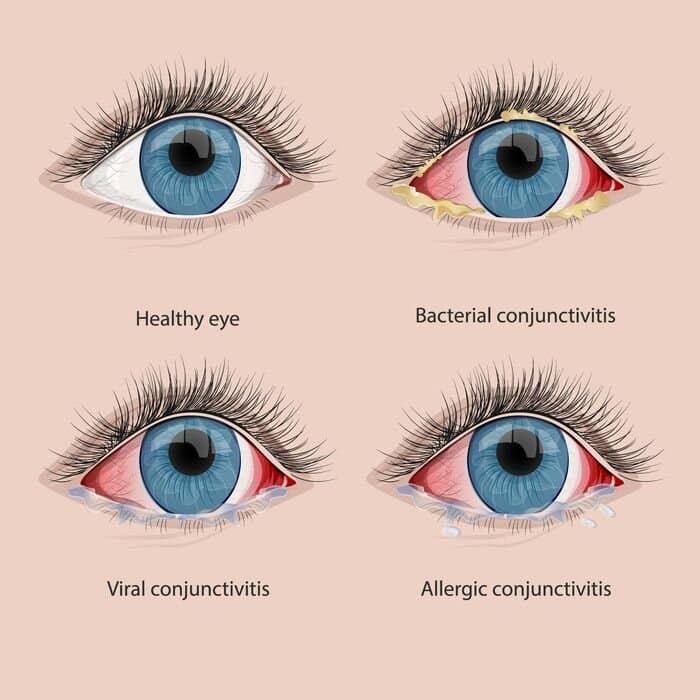
Viral conjunctivitis is the most frequent cause of infectious pink eye and is typically associated with the common cold or upper respiratory infections. Identifying this form often comes down to evaluating the accompanying systemic symptoms and the specific nature of the ocular discharge.
The Role of Adenoviruses
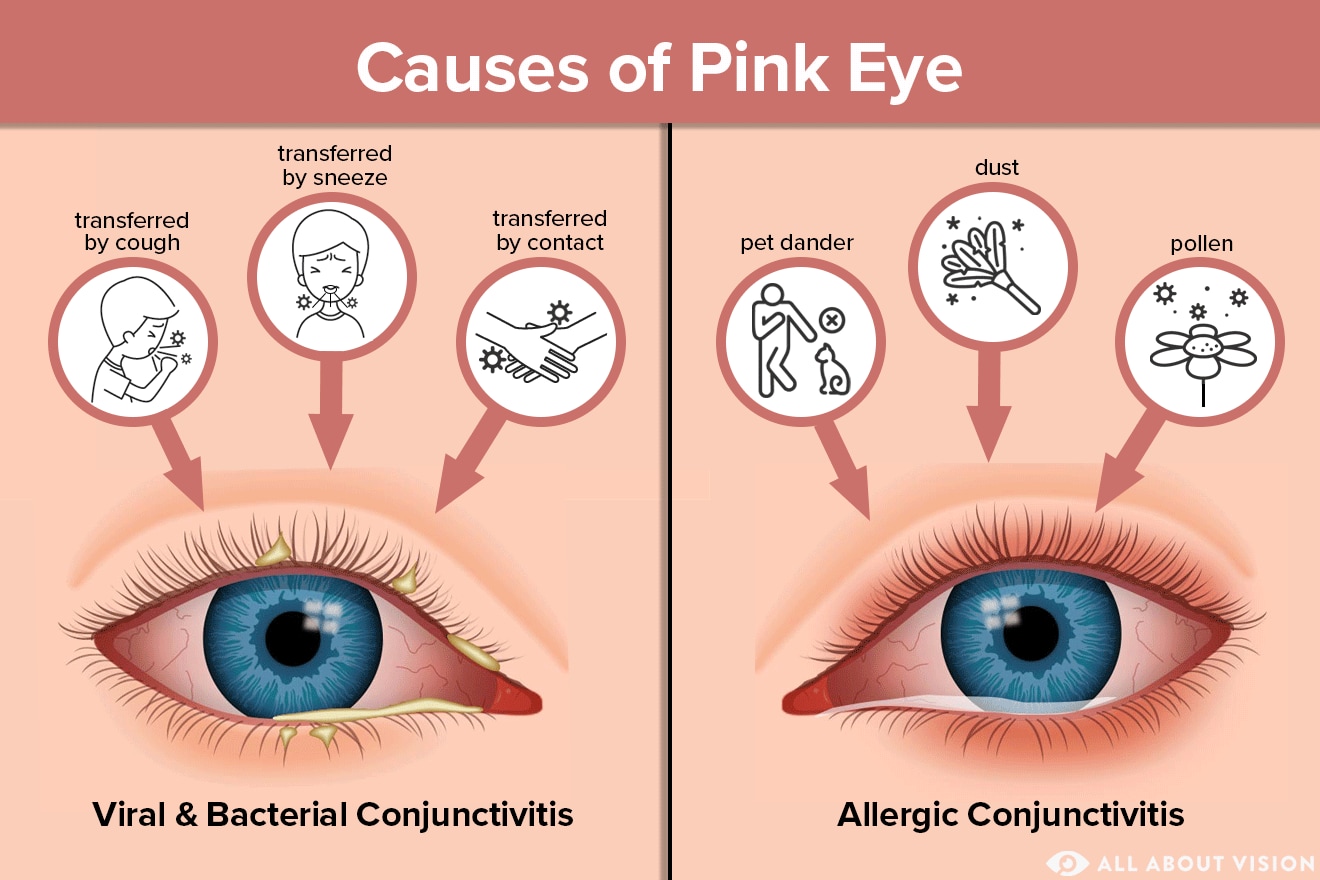
Most cases of viral pink eye are caused by adenoviruses. These infections are highly contagious and often spread through direct contact with ocular secretions or contaminated surfaces. If you have recently had a sore throat, a runny nose, or a fever, there is a high statistical probability that your eye irritation is viral in origin.
Characterizing the Discharge
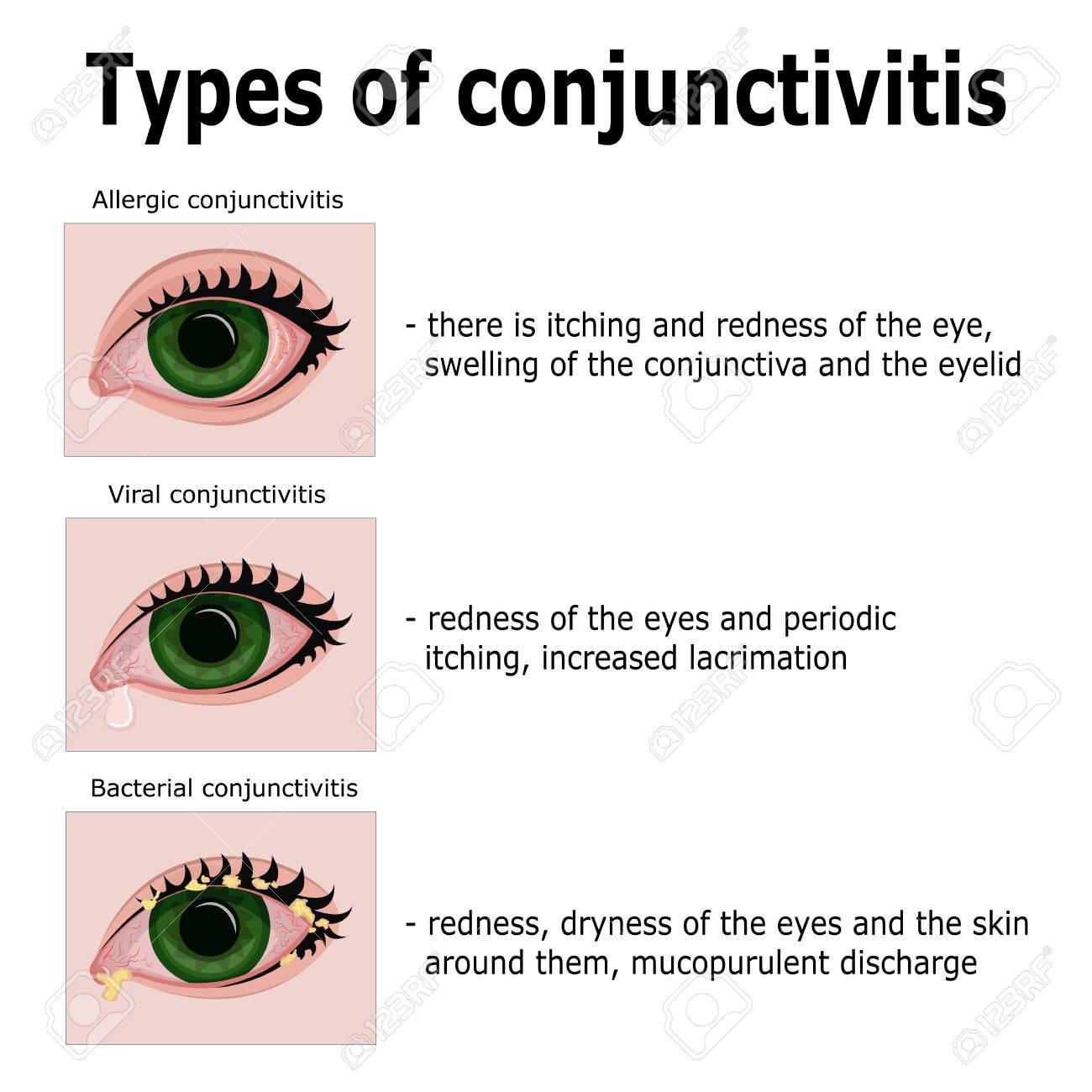
The hallmark of viral conjunctivitis is a watery, clear discharge. Unlike bacterial infections, which produce a thick, pus-like substance, viral pink eye leaves the eyes feeling gritty, as if there is sand trapped under the eyelid. Patients frequently report significant light sensitivity and a feeling of “fullness” or pressure around the eye. Crucially, viral infections often start in one eye and move to the other within a few days as the virus is transmitted via touch. If you notice that your initial redness is accompanied by enlarged lymph nodes in front of your ear, this is a strong clinical indicator of a viral pathogen.
Recognizing the Signs of Bacterial Conjunctivitis
While viral infections are the most common cause of pink eye, bacterial conjunctivitis demands a different approach. Bacterial infections tend to be more localized and aggressive in their presentation, often requiring pharmacological intervention to prevent complications or prolonged discomfort.
Identifying the Purulent Discharge
The most reliable way to distinguish bacterial from viral conjunctivitis is to examine the consistency of the discharge. Bacterial infections produce a thick, opaque, yellow, or greenish-colored discharge. This material can be so abundant that it causes the eyelashes to “glue” together, especially after waking up from sleep. If you find yourself needing to use a warm, damp cloth just to open your eyes in the morning, it is highly probable that you are dealing with a bacterial pathogen such as Staphylococcus aureus, Streptococcus pneumoniae, or Haemophilus influenzae.
The Importance of Duration and Severity
Bacterial pink eye does not typically improve on its own as quickly as viral forms. While viral conjunctivitis generally runs a self-limiting course of 7 to 14 days, bacterial infections can persist and worsen without the application of antibiotic eye drops or ointments. Furthermore, bacterial conjunctivitis is often accompanied by more pronounced eyelid swelling and a deep, throbbing ache rather than just the surface-level irritation associated with viral or allergic forms. It is essential to consult a healthcare provider if you notice this type of discharge, as untreated bacterial infections can potentially lead to corneal ulceration or more serious ocular health issues.
Unmasking Allergic Conjunctivitis: The Itch Factor
Allergic conjunctivitis is fundamentally different from viral and bacterial forms because it is an immune system response to an external trigger rather than an infectious pathogen. This distinction is vital, as allergic pink eye is not contagious and will not respond to antibiotic therapy.
The Hallmark Symptom: Intense Pruritus
If the primary sensation in your eye is an overwhelming, uncontrollable itch, you are almost certainly experiencing allergic conjunctivitis. While viral and bacterial infections cause burning and irritation, they rarely produce the intense itching characteristic of histamine release in the conjunctival tissue. This type of pink eye is often seasonal, coinciding with high pollen counts, or triggered by exposure to pet dander, dust mites, or chemical irritants like contact lens solutions or eye makeup.
Assessing Bilateral Involvement and Associated Symptoms
Unlike infectious pink eye, which often begins in one eye and spreads to the other, allergic conjunctivitis typically affects both eyes simultaneously. The redness is often accompanied by swelling of the eyelids and the conjunctiva itself, a condition known as chemosis, where the white of the eye appears puffy or gelatinous. Frequent comorbid conditions include allergic rhinitis, such as sneezing, nasal congestion, and an itchy throat. Because the root cause is the inflammatory response to an allergen, the management strategy focuses on removing the allergen or using antihistamine eye drops and cold compresses to neutralize the histamine reaction.
Diagnostic Nuance and When to Seek Professional Care
While the aforementioned symptoms provide a solid framework for categorization, the eye is a delicate organ, and misdiagnosis can lead to significant complications. There are several clinical red flags that necessitate immediate professional intervention, regardless of your personal assessment.
Red Flags That Require Urgent Evaluation
Regardless of the type of pink eye you suspect, you should seek medical attention immediately if you experience any of the following:
- Diminished Vision: Any change or blurring in your visual acuity that does not clear up after blinking or cleaning away discharge is a sign that the infection may be affecting the cornea.
- Severe Ocular Pain: While “grittiness” is expected, true, deep-seated pain in the eye is not typical of simple conjunctivitis and could indicate uveitis, keratitis, or acute glaucoma.
- Extreme Photophobia: If the light sensitivity is so intense that you cannot keep your eyes open in a normally lit room, this may indicate a deeper involvement of the ocular structures.
- Persistence Beyond Two Weeks: If your symptoms do not show signs of improvement after fourteen days, or if they continue to worsen, a professional diagnostic review is mandatory to rule out atypical infections or underlying chronic conditions.
The Role of Professional Diagnostics
Even for an experienced clinician, distinguishing between types of pink eye can sometimes be challenging. Eye care professionals utilize slit-lamp biomicroscopy to examine the structures of the eye in minute detail. They look for specific patterns of inflammation, the presence of follicles (small, clear bumps) or papillae (red, velvety bumps with a central vascular core), which help differentiate between viral, bacterial, and allergic etiologies. If an infection is severe or non-responsive to initial treatments, cultures may be taken to identify the specific pathogen, allowing for targeted therapeutic intervention.
By paying close attention to the nature of your discharge, the primary sensation (itch versus pain/grit), and the presence of associated systemic symptoms, you can better navigate the initial stages of managing pink eye. However, because these conditions can mimic more serious ocular emergencies, using this information as a guide rather than a definitive diagnosis is the most prudent path. When in doubt, the rapid intervention of a healthcare provider is the safest way to ensure your ocular health and comfort are preserved.
aViewFromTheCave is a participant in the Amazon Services LLC Associates Program, an affiliate advertising program designed to provide a means for sites to earn advertising fees by advertising and linking to Amazon.com. Amazon, the Amazon logo, AmazonSupply, and the AmazonSupply logo are trademarks of Amazon.com, Inc. or its affiliates. As an Amazon Associate we earn affiliate commissions from qualifying purchases.