
In the modern financial landscape, the seamless movement of money is predicated on a series of specialized codes that act as the digital DNA for our transactions. Among these, the routing transit number (RTN) stands as one of the most vital yet frequently misunderstood components of personal and business finance. Whether you are setting up a direct deposit for a new job, authorizing an automated bill payment, or initiating a domestic wire transfer, knowing your routing number is essential. This guide provides an in-depth exploration of how to locate this number, what it signifies, and why it remains a cornerstone of the American banking system.

Understanding the Anatomy of Your Routing Number
Before searching for the digits, it is helpful to understand what a routing number actually is. Formally known as an ABA routing transit number, this nine-digit code was developed by the American Bankers Association in 1910. Its primary purpose is to identify a specific financial institution in a transaction, ensuring that funds are directed to the correct bank or credit union.
A routing number is not a random string of integers. It follows a specific structure that provides information to the Federal Reserve and other financial entities:
-
The First Four Digits: These represent the Federal Reserve routing symbol. Specifically, the first two digits indicate which of the twelve Federal Reserve districts the bank is located in, while the third digit identifies the specific Federal Reserve check processing center.
-
The Next Four Digits: These are unique to the individual financial institution. They identify the specific bank, thrift, or credit union.
-
The Ninth Digit: This is known as a “check digit.” It is calculated using a complex mathematical formula involving the first eight digits. If the final number doesn’t match the result of the formula, it signals to the processing system that there is a typo or an error in the sequence, preventing the transaction from proceeding.
In essence, while your account number identifies you, the routing number identifies your bank. Together, they function like a mailing address: the routing number is the city and zip code, and the account number is your specific street address and house number.
Practical Ways to Locate Your Routing Number
Finding your routing number is generally straightforward, provided you know where to look. Depending on your preference for physical or digital documentation, there are several reliable methods to retrieve this information.
Using a Physical Check
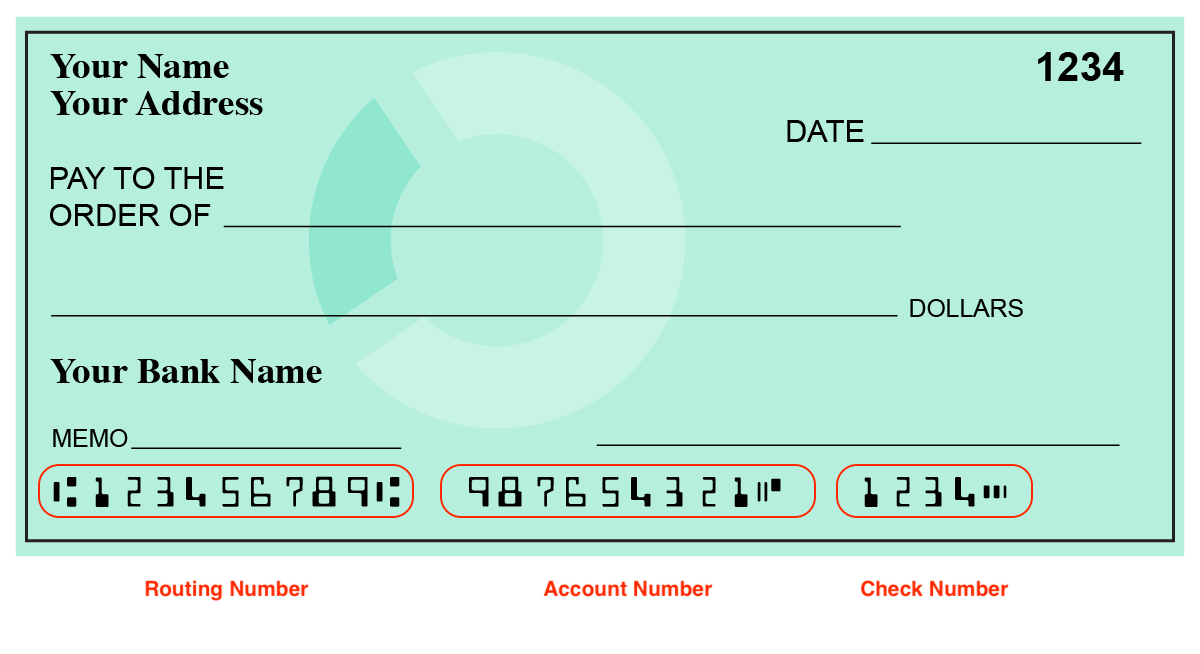
The most traditional method is looking at a paper check associated with your account. If you look at the bottom of a check, you will see a string of numbers printed in a specialized font (known as MICR, or Magnetic Ink Character Recognition).
-
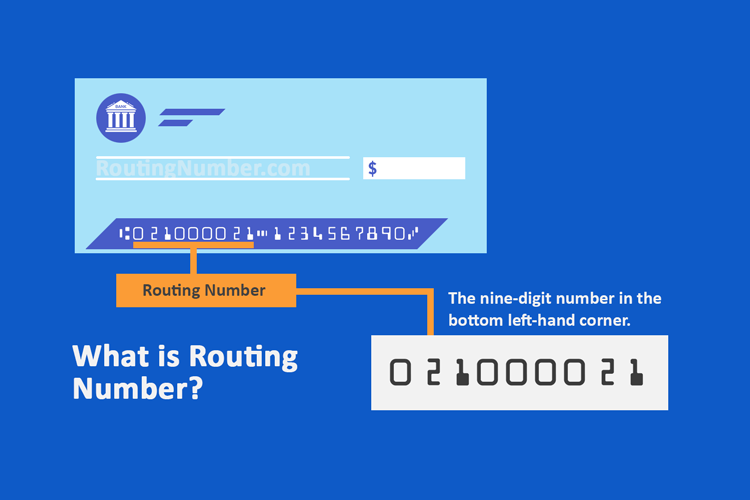
The first set of nine digits on the far left is your routing number.
-
The second set of numbers is typically your account number.
-
The third, shorter set of numbers is the check number.
It is important to note that you should use a check, not a deposit slip. While deposit slips also contain routing numbers, some banks use a different routing number for internal processing on deposit slips that may not work for electronic transfers or direct deposits.
Accessing Online Banking and Mobile Apps
In the era of paperless banking, most consumers find their routing numbers through digital portals. Once you log into your bank’s website or mobile application, navigate to the “Account Details” or “Account Summary” section.
-
Mobile Apps: Many apps have a “Show Details” or “Account Info” link near the account balance. Clicking this will usually reveal both the routing and account numbers.
-
Web Portals: Look for a tab labeled “Services” or “Direct Deposit Information.” Banks often provide a pre-filled PDF form for direct deposit that lists the routing number clearly.
Reviewing Monthly Statements
Your monthly bank statement—whether received via mail or downloaded as a PDF—is a legal document that contains all necessary identifiers. The routing number is usually printed at the top or bottom of the first page, often near the bank’s logo or within the summary of account activity.
The Bank’s Public Website
Because routing numbers identify the institution rather than the individual, they are not considered private information in the same way account numbers are. Most banks list their routing numbers on their public website, often in the “Help,” “FAQ,” or “Contact Us” sections. You can often find them by simply searching the bank’s name followed by “routing number” in a search engine. However, be cautious: large national banks may have different routing numbers for different states or regions.
The Critical Role of Routing Numbers in Financial Transactions
The routing number is the gateway for several key financial activities. Understanding how it is used can help you manage your money more efficiently and avoid costly processing errors.
Direct Deposits and Government Benefits
The most common use for a routing number is the setup of direct deposits. When an employer or a government agency (like the Social Security Administration) sends you money, they require your routing number to ensure the funds reach the correct financial institution. Providing an incorrect number can result in significant delays, as the funds may be returned to the sender or, in rare cases, credited to an incorrect institution.
Automated Clearing House (ACH) Transfers
ACH transfers are electronic bank-to-bank payments. This includes recurring bill payments for utilities, mortgages, or gym memberships. When you authorize a company to withdraw funds from your account, you are providing them with your routing and account numbers to facilitate an ACH pull. This system is the backbone of the American electronic payment infrastructure, processing trillions of dollars annually.
Domestic Wire Transfers
While ACH transfers are often used for standard consumer payments, wire transfers are used for high-value or time-sensitive transactions, such as a down payment on a home. It is crucial to verify if your bank uses a specific routing number for wires. Some institutions use one number for ACH and a different, dedicated number for domestic wires. Using the wrong one can cause the wire to be rejected, which can be stressful during time-critical real estate or business closings.
Tax Refunds
When filing your taxes with the IRS or state authorities, choosing “Direct Deposit” for your refund is the fastest way to receive your money. The tax forms will require both your routing and account numbers. Errors here are notoriously difficult to fix once the return is processed, often requiring the IRS to wait for the bank to reject the deposit before they can mail a physical check.
Potential Pitfalls: Multiple Routing Numbers and Bank Mergers
One might assume that a bank has one single routing number, but this is frequently not the case for larger institutions. Navigating these nuances is vital for accurate financial management.
State-Specific Routing Numbers
Large national banks often have different routing numbers based on the state where the account was originally opened. If you opened an account in New York and later moved to California, your routing number will likely remain the one associated with the New York branch unless you close the account and open a new one. When looking up a routing number on a bank’s website, always ensure you are selecting the state where you established the account.
Transaction-Specific Numbers
As mentioned previously, some banks distinguish between “Electronic/ACH” routing numbers and “Wire Transfer” routing numbers. Furthermore, some institutions have a separate routing number for “Paper/Check” processing. When in doubt, it is always best to contact a customer service representative or use the bank’s internal search tool to confirm which number applies to your specific transaction.
Mergers and Acquisitions
The banking industry is characterized by frequent mergers. When Bank A acquires Bank B, the routing numbers for Bank B usually remain valid for a transitional period (sometimes years). However, the bank will eventually move all accounts to a single routing number. If your bank has recently undergone a merger, keep a close eye on your communications. You may eventually need to update your direct deposit and auto-pay information to reflect a new routing number provided by the parent institution.
Security and Best Practices for Your Financial Data
While a routing number is public information regarding the bank, it becomes a sensitive piece of data when paired with your account number. Together, these two numbers are all someone needs to initiate an unauthorized ACH withdrawal from your account.
Protecting Your Information
-
Dispose of Checks Securely: If you have old checkbooks for closed accounts or voided checks, shred them. Do not simply throw them in the trash.
-
Monitor Your Accounts: Regularly review your bank statements for unauthorized ACH transactions. Most banks have a limited window (usually 60 days) for you to dispute unauthorized electronic transfers.
-
Use Secure Portals: Never email your routing and account numbers in plain text. If you must provide them to a business or an accountant, use a secure, encrypted portal or provide the information over the phone.
Verifying the Recipient
If you are the one sending money, always double-check the routing number of the recipient. A single digit error can send funds to the wrong institution. For large transactions like wire transfers, many financial experts recommend a “call to confirm” policy—calling the recipient on a verified phone number to read back the routing digits before hitting “send.”
By understanding the function, location, and application of your routing number, you gain greater control over your personal finances. This nine-digit code is more than just a requirement on a form; it is a fundamental tool that ensures the reliability and speed of the modern monetary system. Whether you are managing daily expenses or planning major investments, keeping this information accessible and accurate is a hallmark of sound financial literacy.
aViewFromTheCave is a participant in the Amazon Services LLC Associates Program, an affiliate advertising program designed to provide a means for sites to earn advertising fees by advertising and linking to Amazon.com. Amazon, the Amazon logo, AmazonSupply, and the AmazonSupply logo are trademarks of Amazon.com, Inc. or its affiliates. As an Amazon Associate we earn affiliate commissions from qualifying purchases.