
In the modern financial landscape, your bank account number is much more than a string of random digits. It is the primary identifier that anchors your participation in the global economy. Whether you are setting up a direct deposit for a new job, configuring automatic bill payments, or initiating a wire transfer to a brokerage account, having immediate and accurate access to your account number is essential. Despite its importance, many consumers find themselves searching through piles of paperwork or navigating complex digital interfaces just to find this basic piece of information.

Understanding how to retrieve your account number—and distinguishing it from other identifiers like your routing number or debit card number—is a fundamental skill in personal finance. This guide explores the various methods to locate your account number, the structural differences between financial identifiers, and the security protocols necessary to keep this sensitive data safe.
Primary Methods for Retrieving Your Bank Account Number
The shift toward digital-first banking has made retrieving financial information more accessible than ever, yet it has also created multiple silos where this data might be stored. Depending on your preference for physical documents or digital tools, there are several reliable ways to find your account number.
Mobile Banking Applications
For most modern banking customers, the mobile app is the most convenient tool for managing finances. To find your account number via a mobile app, you generally need to log in using biometric authentication or a secure passcode. Once inside the dashboard, selecting a specific account (such as a checking or savings account) will usually lead you to an “Account Details” or “Manage Account” section.
For security reasons, many apps mask the account number by default, showing only the last four digits. Look for a “view” or “eye” icon, or a link that says “Show Full Account Number.” This extra layer of security ensures that even if your phone is unlocked, a casual observer cannot immediately see your full financial details.
Online Banking Portals
If you prefer using a desktop or laptop, online banking portals offer a comprehensive view of your financial profile. Similar to mobile apps, once you log in to your bank’s secure website, you can navigate to the specific account in question. Look for tabs labeled “Details,” “Settings,” or “Account Features.” Many institutions also provide a “Download Voided Check” feature within their online portal, which generates a PDF containing both your routing and account numbers in a standardized format for easy sharing with HR departments or service providers.
Monthly Bank Statements
Whether you receive them via physical mail or as “e-statements” in a PDF format, your monthly bank statement is a legal document that contains your full account number. In most cases, the account number is located at the top of the first page, often near your name and address or the summary of your account balance. If you are looking at a digital statement, you can use the “Find” function (Ctrl+F or Command+F) and search for the word “Account” to quickly jump to the relevant section.
Understanding the Anatomy of a Check
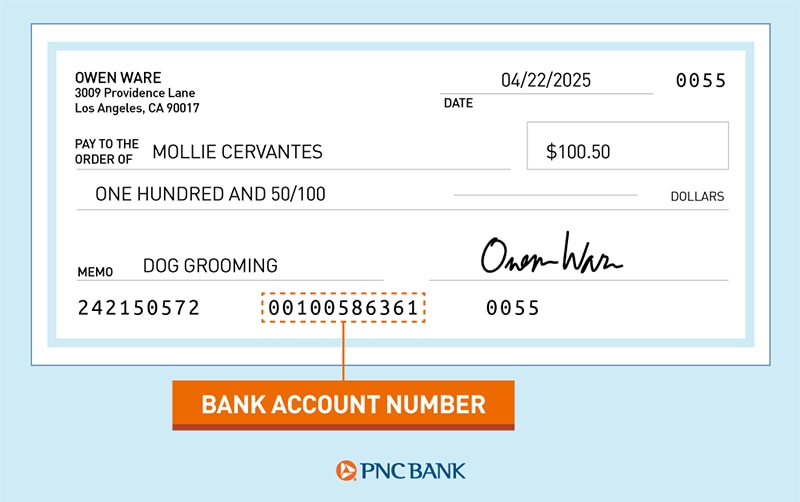
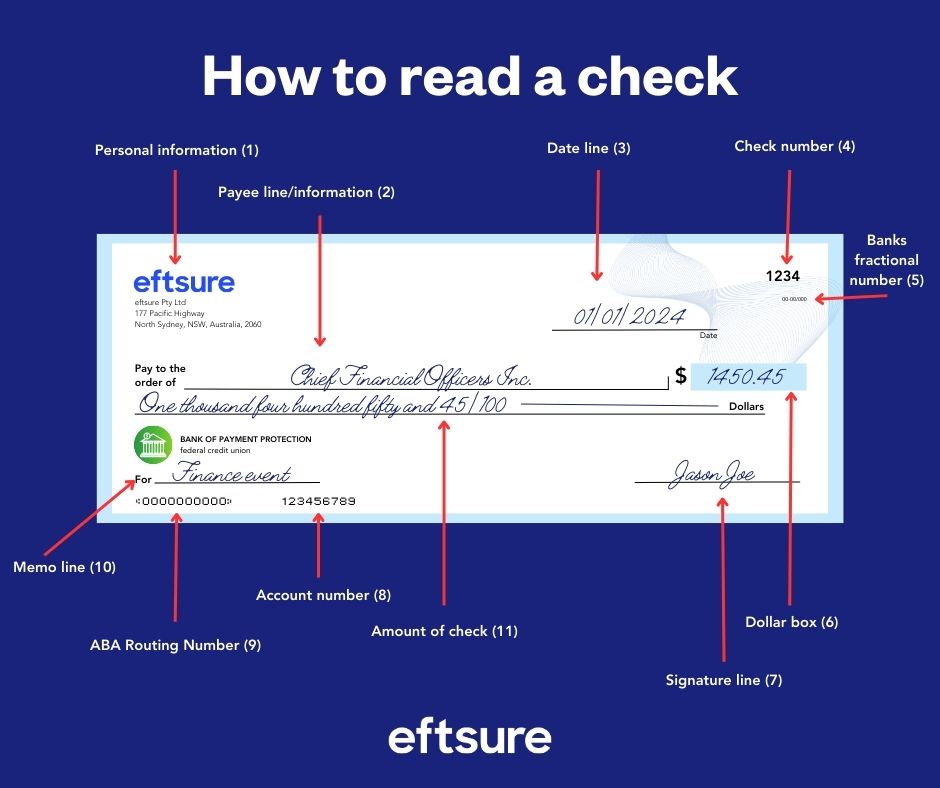
For those who still use physical checkbooks, the most straightforward way to find an account number is to look at the bottom of a check. This area uses a specialized technology known as Magnetic Ink Character Recognition (MICR), which allows high-speed processing machines to read the data.
Decoding the MICR Line
At the bottom of every personal or business check, there is a string of numbers printed in a unique font. This string is typically divided into three distinct sections:
-
The Routing Number: This is a nine-digit code that identifies the specific financial institution where your account is held. In the United States, this is often called the ABA (American Bankers Association) routing transit number.
-
The Account Number: Usually following the routing number (and separated by a unique symbol), this is your specific identifier within that bank. It can range from 8 to 17 digits, depending on the bank’s internal systems.
-
The Check Number: This is a shorter sequence that matches the number in the top right corner of the check, used to track individual transactions.
It is crucial not to confuse the routing number with the account number. The routing number is public information—anyone can look up a bank’s routing number online. However, the account number is private and unique to you. When filling out forms for direct deposit or electronic payments, ensuring these two numbers are entered correctly is the difference between a successful transfer and a financial error that could take days to resolve.
Locating Account Numbers Across Different Financial Platforms
While checking and savings accounts are the most common places where people need to find an account number, other financial tools also utilize unique identifiers that operate under different rules.
Investment and Brokerage Accounts
Brokerage accounts (such as those at Fidelity, Charles Schwab, or Vanguard) also have account numbers, but they may follow different formatting conventions than traditional banks. These numbers are required when you want to transfer assets between firms or link a bank account for funding. You can typically find these on your trade confirmations or monthly brokerage statements. Unlike bank accounts, brokerage accounts often do not have “routing numbers” in the traditional sense; instead, they may use a clearinghouse or a linked “cash management” account with its own specific banking credentials.
Credit Card Account Numbers
It is a common misconception that the 16-digit number on the front of your credit card is your “account number.” While it serves as the identifier for transactions, your underlying credit card account often has a separate internal account number used for administrative purposes. For the sake of making payments from an external bank, you usually use the 16-digit card number. However, for internal bank transfers or when speaking with a customer service representative, they may refer to an account number that differs from the plastic in your wallet.
Digital Wallets and Neo-Banks
The rise of fintech platforms like PayPal, Venmo, and Cash App has introduced a new layer of complexity. These apps often provide “virtual” routing and account numbers to allow users to receive direct deposits. These are not the same as your login credentials or your debit card number. Within these apps, you must usually navigate to the “Direct Deposit” or “Add Money” section to find the specific routing and account numbers assigned to your digital wallet.
The Role of the Account Number in Modern Money Management
The account number is the “address” for your money. In the ecosystem of personal finance, it facilitates several critical functions that allow for the seamless movement of capital.
Facilitating Direct Deposits and Automatic Payments
The most common use for an account number is the Automated Clearing House (ACH) network. When you provide your account and routing numbers to an employer, they use the ACH system to push funds into your account. Conversely, when you set up an automatic utility bill payment, you are authorizing that company to pull funds from your account using those same identifiers. Because these transactions bypass the manual processing of checks or the high fees of wire transfers, they are the backbone of personal cash flow management.
International Wire Transfers and IBAN
When moving money across international borders, a standard domestic account number is often insufficient. Most of the world (outside the U.S.) uses the IBAN (International Bank Account Number) system. An IBAN includes the domestic account number but adds country codes, check digits, and bank identifiers to create a globally unique string. If you are receiving money from abroad, you will likely need to provide your bank’s SWIFT/BIC code along with your account number to ensure the funds reach the correct destination.
Financial Security: Safeguarding Your Most Sensitive Information
Because an account number can be used to initiate withdrawals via the ACH network, it is a high-value target for fraudsters. Protecting this information is as important as protecting your Social Security number or your digital passwords.
Best Practices for Digital Security
Never share your account number over unencrypted email or text messages. If an HR department or a service provider requires this information, use a secure portal or provide it over the phone to a verified representative. Furthermore, regularly auditing your bank statements is the most effective way to spot unauthorized use of your account number. If a fraudster gains access to your number and attempts a “paperless” check or an unauthorized ACH pull, you usually have a limited window (typically 60 days for consumers) to report the error and recover the funds.
What to Do If Your Account Number is Compromised
If you suspect that your account number has fallen into the wrong hands—perhaps due to a lost checkbook or a phishing scam—you must act immediately. Unlike a credit card, where you can simply cancel the card and get a new one with the same underlying account, a compromised bank account number often requires “closing and reloading.” This involves opening a brand-new account with a new number and transferring all your balances and automated payments. While this is a significant administrative hurdle, it is the only way to ensure that unauthorized parties can no longer access your liquidity.
By mastering the details of how to find and use your account number, you gain greater control over your financial life. Whether you are optimizing your savings through automated transfers or protecting your assets from external threats, the account number remains the most fundamental tool in your personal finance toolkit. Understanding its location, its function, and its security requirements is an essential step toward long-term financial literacy and stability.
aViewFromTheCave is a participant in the Amazon Services LLC Associates Program, an affiliate advertising program designed to provide a means for sites to earn advertising fees by advertising and linking to Amazon.com. Amazon, the Amazon logo, AmazonSupply, and the AmazonSupply logo are trademarks of Amazon.com, Inc. or its affiliates. As an Amazon Associate we earn affiliate commissions from qualifying purchases.