
Leveraging Digital Tools for Caloric Assessment
In an increasingly data-driven world, understanding personal physiological requirements, such as daily caloric intake, has evolved beyond simple estimation. Technology now offers sophisticated tools and platforms that provide precise, personalized insights into individual energy needs. For those seeking to optimize their diet, manage weight, or enhance athletic performance, leveraging these digital solutions is paramount. The journey begins with understanding how various tech innovations translate complex metabolic science into actionable data.
The Role of Fitness Trackers and Wearables
Fitness trackers and smart wearables have become ubiquitous, moving beyond mere step counting to offering comprehensive physiological monitoring. Devices from companies like Apple, Garmin, Fitbit, and Whoop integrate a suite of sensors to collect continuous data points crucial for estimating energy expenditure. These wearables typically monitor heart rate, sleep patterns, activity levels (steps, distance, intensity of workouts), and sometimes even blood oxygen saturation and skin temperature.
By analyzing heart rate variability and activity intensity, these devices can calculate an approximation of calories burned throughout the day. Algorithms proprietary to each brand process this raw data, often cross-referencing it with user-inputted biometrics (age, sex, height, weight) to refine caloric expenditure estimates. While not perfectly precise, the consistency of data collection over time allows users to identify trends and adjust their caloric intake accordingly. Advanced wearables also provide insights into recovery, stress levels, and readiness for activity, indirectly influencing caloric needs by indicating periods where the body might require more energy for repair and regeneration, or less during periods of rest. The integration of these devices with companion apps further enhances their utility, presenting complex data in an accessible format and often allowing manual logging of food intake to compare against estimated expenditure.
AI-Powered Nutrition Apps and Platforms
The advent of artificial intelligence (AI) has revolutionized personalized nutrition. AI-powered apps and platforms transcend basic calorie tracking by offering dynamic, adaptive recommendations. These intelligent systems learn from a user’s historical data – including dietary preferences, activity levels, health goals, and even genetic predispositions (if integrated) – to generate highly tailored caloric and macronutrient targets.
Examples include apps that use machine learning to predict satiety levels based on food choices, or platforms that adjust calorie goals in real-time based on actual measured activity from synced wearables. Some AI nutrition platforms can analyze food photos to estimate portion sizes and caloric content, simplifying the often-tedious process of food logging. Furthermore, conversational AI chatbots within these apps can provide instant feedback, answer nutrition-related questions, and help users understand the implications of their food choices on their caloric budget. The power of AI lies in its ability to process vast amounts of data to identify patterns and provide predictive insights, making the process of determining and adhering to caloric needs significantly more intuitive and effective.
Understanding Caloric Calculation Through Software
Beyond wearable tech and AI, dedicated software applications provide the computational backbone for precise caloric calculations. These tools range from web-based calculators to sophisticated dietary analysis programs, each designed to demystify the science behind energy balance. Understanding the methodologies employed by these software solutions is key to interpreting their outputs and applying them effectively.
Basal Metabolic Rate (BMR) and Total Daily Energy Expenditure (TDEE) Calculators
At the core of determining caloric needs are two fundamental metrics: Basal Metabolic Rate (BMR) and Total Daily Energy Expenditure (TDEE). Software calculators are invaluable for estimating these figures.
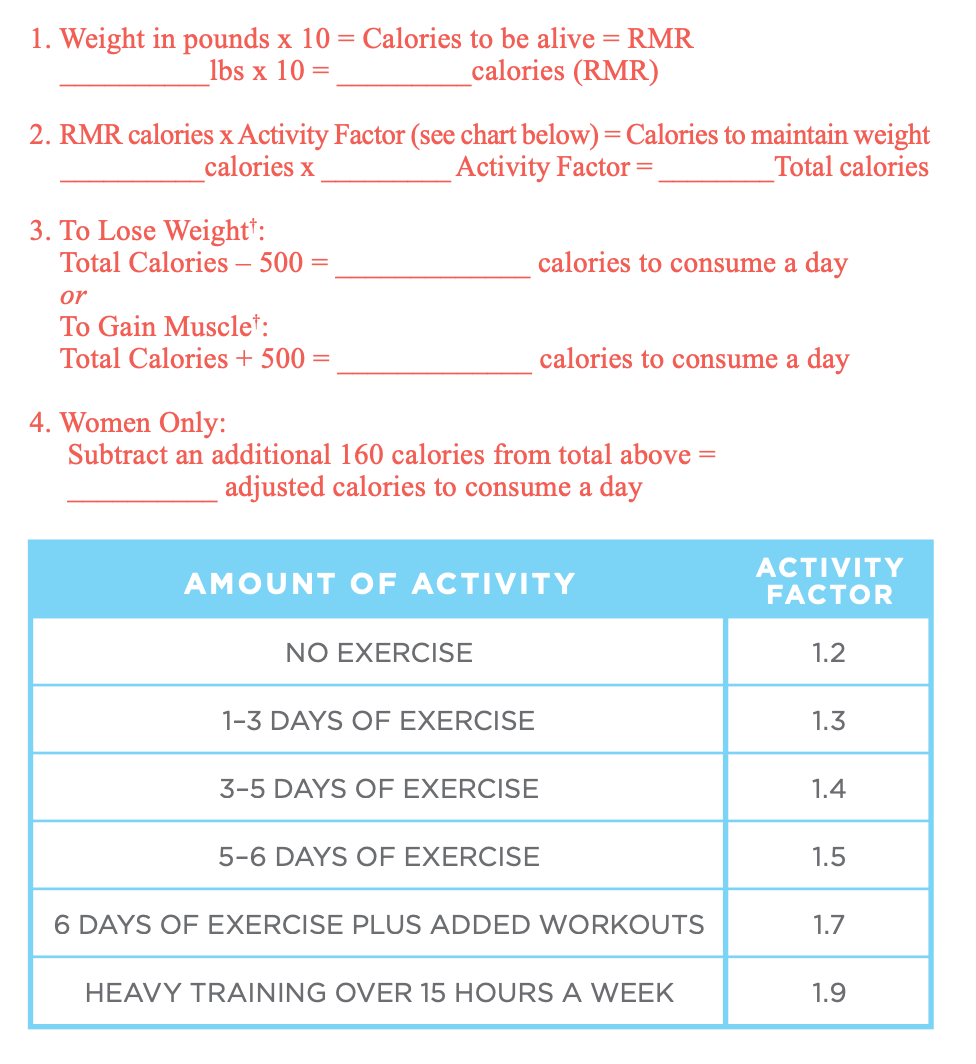
BMR represents the minimum number of calories your body needs to perform basic, life-sustaining functions at rest, such as breathing, circulation, and cell production. Common formulas used by these calculators include the Mifflin-St Jeor equation and the Harris-Benedict equation, which take into account age, sex, height, and weight. Users input their biometrics into the software, which then applies the chosen formula to output their estimated BMR.
TDEE builds upon BMR by factoring in physical activity. Once BMR is calculated, the software applies an “activity multiplier” based on the user’s reported daily activity level (e.g., sedentary, lightly active, moderately active, very active, extra active). This multiplier accounts for the calories burned during exercise, daily movement, and even the thermic effect of food (the energy expended during digestion). High-quality TDEE calculators in software often allow for granular input of specific workout types and durations, refining the accuracy of the activity multiplier. These calculators provide a foundational understanding of an individual’s caloric baseline, serving as a starting point for any dietary strategy.
Macronutrient Tracking and Advanced Software Features
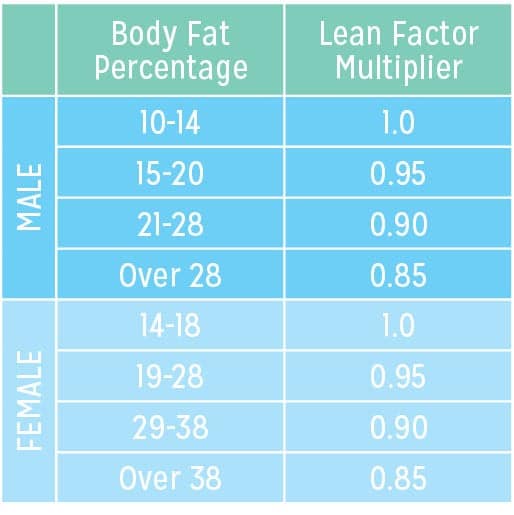
Modern nutrition software extends far beyond simple calorie counting to incorporate detailed macronutrient tracking. Macronutrients – carbohydrates, proteins, and fats – contribute to caloric intake and play distinct roles in body function and composition. Advanced software allows users to log their food intake and receive an immediate breakdown of their macronutrient distribution.
Many platforms offer extensive food databases, often including barcode scanners for quick input and user-generated entries for less common foods. The software then calculates the caloric contribution of each macronutrient, allowing users to hit specific protein, carb, and fat targets, not just overall calorie goals. This is particularly valuable for athletes, bodybuilders, or individuals following specific dietary protocols (e.g., ketogenic, high-protein). Some programs even integrate with recipe databases, automatically calculating nutritional information for home-cooked meals. Furthermore, advanced features might include micronutrient tracking (vitamins and minerals), hydration monitoring, and trend analysis over weeks or months, providing a holistic view of dietary patterns and their impact on overall caloric and nutritional balance.
The Data-Driven Approach to Nutritional Management
The true power of modern technology in determining caloric needs lies in its ability to aggregate, analyze, and present data in meaningful ways. A data-driven approach transforms the abstract concept of calorie requirements into a tangible, manageable aspect of personal health and wellness. This involves not just tracking, but also smart integration and careful consideration of data security.
Integrating Data for Personalized Insights
The real utility of these technologies emerges when various data sources are integrated. A comprehensive digital ecosystem can link a user’s fitness tracker (for activity data), an AI-powered nutrition app (for food logging and recommendations), and perhaps even smart scales (for weight and body composition changes). When these systems communicate, they create a rich, dynamic profile of an individual’s energy balance.
For instance, an app might automatically adjust a user’s recommended caloric intake for the day based on an unusually high-intensity workout detected by their wearable. Conversely, a period of reduced activity might lead to a lowered caloric target. This seamless data flow provides real-time, personalized insights that are far more accurate and responsive than static recommendations. Integrated dashboards often visualize these trends over time, helping users understand the relationship between their activity, food intake, and body metrics. This allows for informed adjustments, preventing plateaus and ensuring continuous progress towards personal caloric and health goals. The ability to see cause-and-effect relationships laid out clearly through integrated data is invaluable for sustained nutritional management.
Digital Security and Data Privacy in Health Apps
While the benefits of data integration for personalized caloric management are substantial, they also raise critical concerns about digital security and data privacy. Health data, including caloric intake, activity levels, and biometric information, is highly sensitive. Users must be diligent in choosing apps and platforms that prioritize robust security measures.
Reputable health technology providers employ encryption protocols for data transmission and storage, multi-factor authentication for user access, and adhere to strict data privacy regulations like GDPR or HIPAA (depending on their operational region). Before committing to a health app or platform, users should review its privacy policy to understand how their data is collected, used, shared, and stored. Opting for services that offer transparent data handling practices and give users control over their data is crucial. The convenience of personalized caloric insights should never come at the expense of personal data security. Ensuring that the technology used to determine caloric needs is secure is as important as the accuracy of its calculations.
Future Trends in Personalized Nutrition Technology
The landscape of technology for caloric assessment is continuously evolving, with exciting innovations on the horizon. These future trends promise even greater precision, personalization, and integration, further empowering individuals to optimize their nutritional intake.
Advanced AI and Machine Learning for Dietary Recommendations
Future iterations of AI and machine learning will move beyond current predictive models to offer truly prescriptive and preventative dietary recommendations. AI systems will likely integrate an even broader array of individual data points, potentially including gut microbiome analysis, genetic markers, and real-time metabolic responses captured through advanced biosensors. This will enable algorithms to not only suggest optimal caloric intake but also recommend specific foods and meal timings based on an individual’s unique biological responses to different nutrients. We could see AI coaches that adapt meal plans hourly, adjusting for stress levels, sleep quality, and even environmental factors, ensuring caloric intake perfectly matches momentary physiological demands and long-term health objectives. These systems will anticipate nutritional deficiencies or excesses before they manifest, providing proactive guidance.
Wearable Biosensors and Continuous Monitoring
The next generation of wearables will feature advanced biosensors capable of continuous, non-invasive monitoring of a wider range of physiological markers directly relevant to caloric metabolism. Imagine wearables that can measure blood glucose levels, lactate, ketones, and even certain hormones in real-time. This real-time biochemical data, when integrated with AI platforms, would provide an unprecedented level of insight into an individual’s metabolic state.
Such biosensors could provide instant feedback on how specific meals or activities impact energy utilization, allowing for immediate caloric and macronutrient adjustments. For example, a biosensor detecting elevated cortisol levels might trigger a recommendation for specific stress-reducing nutrients, or adjust caloric intake to support recovery. These advancements will move us closer to a “digital twin” of our metabolic system, offering hyper-personalized, dynamic guidance on caloric needs, making the process virtually effortless and highly precise. The convergence of advanced sensing, powerful AI, and seamless data integration will redefine how we understand and manage our personal energy balance.
aViewFromTheCave is a participant in the Amazon Services LLC Associates Program, an affiliate advertising program designed to provide a means for sites to earn advertising fees by advertising and linking to Amazon.com. Amazon, the Amazon logo, AmazonSupply, and the AmazonSupply logo are trademarks of Amazon.com, Inc. or its affiliates. As an Amazon Associate we earn affiliate commissions from qualifying purchases.