
Leveraging Digital Tools for Calorie Assessment
Determining an individual’s precise caloric needs has evolved significantly with the advent of digital technology. Gone are the days when rudimentary formulas and guesswork were the sole methods; today, a sophisticated ecosystem of software, apps, and integrated gadgets offers unprecedented accuracy and convenience. These digital solutions provide a dynamic, data-driven approach to understanding one’s metabolic requirements, enabling users to fine-tune their nutritional intake for specific health and fitness goals. The core principle remains understanding Basal Metabolic Rate (BMR) and Total Daily Energy Expenditure (TDEE), but the tools available to measure and manage these metrics have become far more advanced.
The Rise of Nutrition Tracking Apps
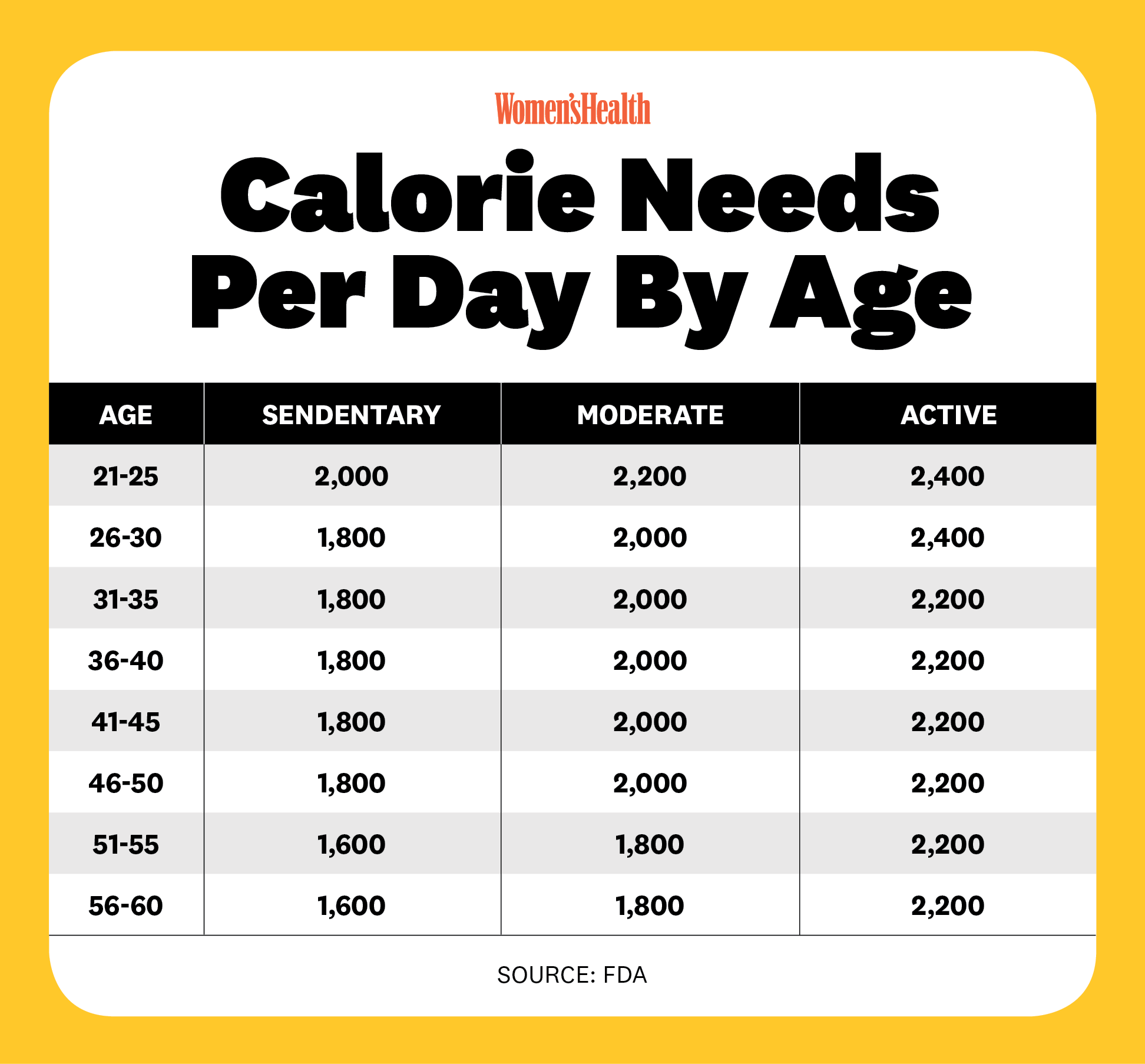
Nutrition tracking applications represent the frontline of digital calorie management. Platforms like MyFitnessPal, LoseIt!, Cronometer, and countless others empower users to log every food item consumed, providing instant breakdowns of macronutrients (proteins, fats, carbohydrates) and micronutrients, alongside total caloric intake. These apps typically feature extensive databases of foods, including brand-specific items and restaurant meals, making accurate logging more accessible. Many also offer barcode scanners to streamline data entry, converting packaged food labels directly into logged meals. Beyond mere tracking, these applications often integrate goal-setting features, calculating daily caloric targets based on user-inputted weight, height, age, activity level, and desired rate of weight gain or loss. The user experience is designed for daily engagement, providing visual progress reports and motivational feedback loops that help sustain adherence to dietary plans.
Wearables and Integrated Ecosystems
The synergy between fitness wearables and nutrition apps has created a powerful, integrated ecosystem for holistic health management. Smartwatches, fitness bands, and continuous glucose monitors (CGMs) gather a wealth of biometric data, from heart rate and sleep patterns to step counts and estimated calorie burn during exercise. When these devices are seamlessly integrated with nutrition tracking apps, they provide a more comprehensive picture of an individual’s energy balance. For instance, a wearable might track an intense workout, estimating an expenditure of 500 calories. This data is then relayed to the connected nutrition app, adjusting the user’s net caloric intake for the day and providing a real-time update on how much more food, or less, they might need to consume to meet their goals. This digital feedback loop offers a level of personalization and responsiveness that manual tracking alone cannot achieve, making calorie assessment a dynamic, rather than static, process.
Understanding Algorithmic Approaches and AI
The foundation of digital calorie estimation lies in complex algorithms that process personal data to predict metabolic needs. These algorithms have become increasingly sophisticated, moving beyond simple formulas to incorporate machine learning and artificial intelligence for more personalized and adaptable recommendations.
Online Calculators: BMR and TDEE Algorithms
At the heart of many digital calorie assessment tools are algorithms designed to calculate BMR and TDEE. The Basal Metabolic Rate is the number of calories the body needs to perform basic, life-sustaining functions at rest. Common equations include the Mifflin-St Jeor Equation or the Harris-Benedict Equation, which consider factors such as age, gender, height, and weight. Online BMR calculators simplify this process, requiring users to input these parameters to receive an immediate estimate.
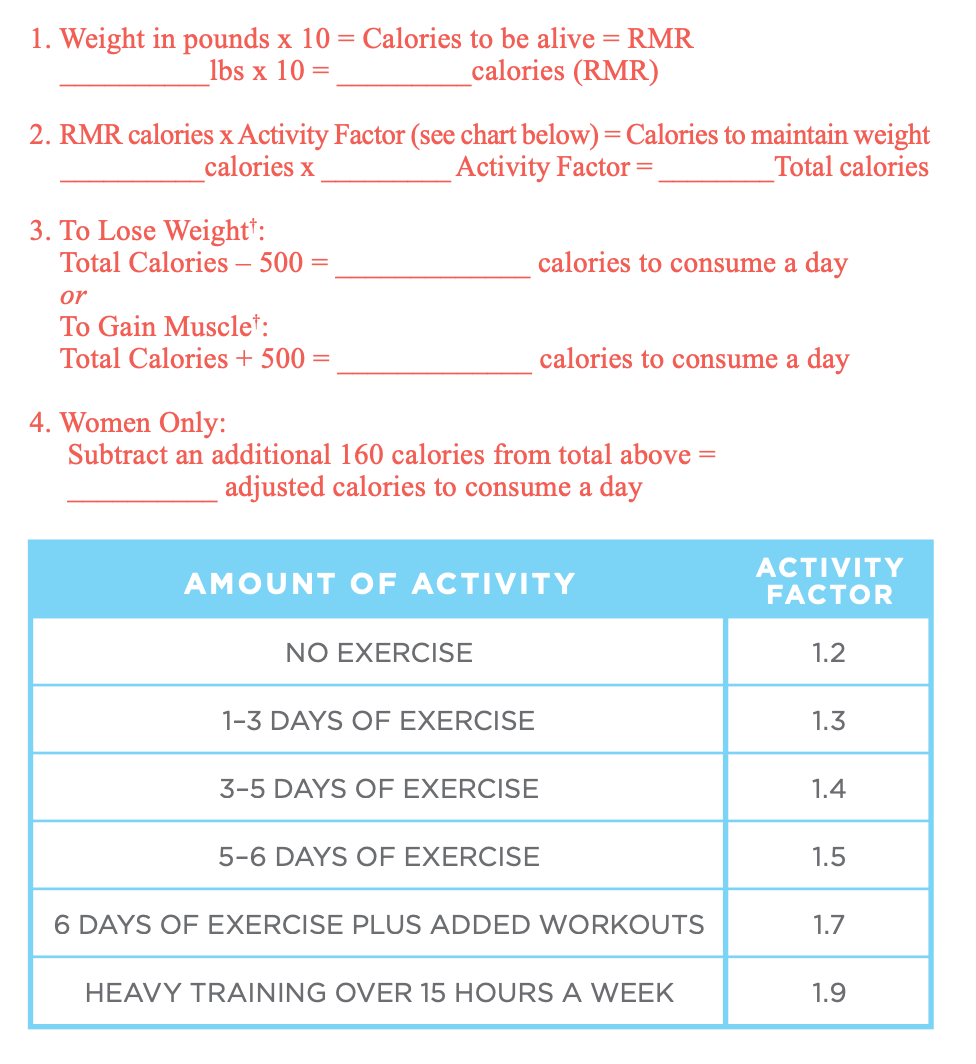
Building on BMR, the Total Daily Energy Expenditure accounts for the calories burned through physical activity. TDEE calculators apply an activity multiplier to the BMR, ranging from sedentary (BMR x 1.2) to extremely active (BMR x 1.9 or higher). While these calculators offer a solid starting point, their accuracy is limited by the generality of the activity multipliers, which don’t account for individual metabolic variations or the precise intensity of various activities. Nevertheless, they provide an accessible and quick initial estimation of caloric needs for a broad user base.
AI-Driven Personalization in Calorie Estimation
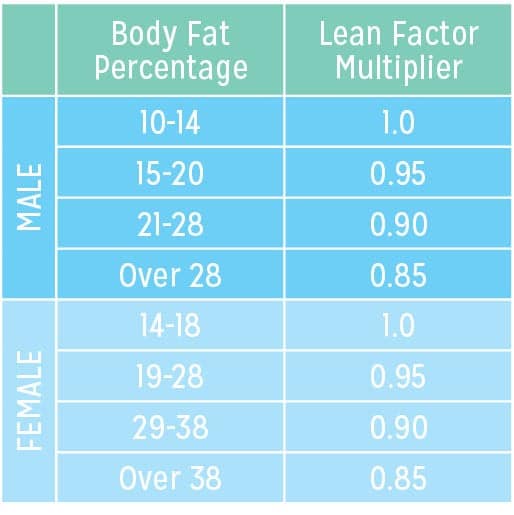
The next frontier in digital calorie assessment is AI-driven personalization. Machine learning algorithms can analyze vast datasets from individual users over time, including logged food intake, activity levels from wearables, sleep patterns, and even stress indicators. By identifying correlations and unique metabolic responses, AI can refine calorie estimates beyond standard formulas. For example, an AI-powered system might learn that a user consistently burns more calories during a particular type of workout than generic estimates suggest, or that their metabolism slows during periods of high stress.
Some advanced AI tools incorporate computer vision for food recognition, allowing users to simply take a picture of their meal for an automated calorie and macro estimation, reducing the friction of manual logging. Others leverage natural language processing to understand dietary preferences, restrictions, and goals from conversational input, providing more nuanced and tailored nutritional advice. This level of personalized feedback, continuously adapting as more data is collected, promises a far more accurate and dynamic understanding of individual caloric requirements, moving towards a truly predictive nutritional model.
Data Accuracy, Privacy, and Smart Usage
While digital tools offer unparalleled insights into caloric needs, their effectiveness heavily relies on data accuracy and responsible usage. Users must also be cognizant of the privacy implications associated with sharing sensitive health data.
Input Integrity and Sensor Precision
The “garbage in, garbage out” principle is paramount in digital health tracking. The accuracy of calorie estimates from apps and wearables is directly tied to the integrity of the data inputted by the user and the precision of the sensors. Manually logging food requires diligence and honest self-reporting; inaccurate portion sizes or misidentified foods will lead to flawed calorie counts. Similarly, while wearable sensors have advanced considerably, factors like device placement, skin contact, and individual physiological differences can affect the accuracy of heart rate monitoring and, consequently, calorie burn estimations. Users should periodically cross-reference app data with professional advice or known nutritional values to ensure their digital tools are providing reliable information. Calibration and consistent use of devices according to manufacturer guidelines are also crucial for maximizing sensor precision.
Navigating Data Privacy in Health Tech
The collection of extensive personal health data, including detailed dietary information, activity levels, and biometric readings, raises significant privacy concerns. Users should thoroughly review the privacy policies of any app or device they use to understand how their data is collected, stored, used, and potentially shared with third parties. Many companies anonymize and aggregate data for research and development purposes, but the specifics vary. It’s important to differentiate between necessary data sharing for app functionality (e.g., syncing with other health platforms) and data sharing for marketing or commercial purposes. Opting for apps with strong encryption, clear data retention policies, and robust user controls over data sharing is a critical step in protecting personal health information in the digital age.
Best Practices for Digital Calorie Management
To maximize the benefits of digital tools for calorie management, several best practices are recommended. Firstly, start with accurate baseline data: measure weight, height, and activity levels precisely. Secondly, be consistent with logging; daily input, even if imperfect, provides more valuable trend data than sporadic entries. Thirdly, don’t rely solely on automated suggestions; use them as a guide, but always consult with a registered dietitian or healthcare professional for personalized advice, especially for specific medical conditions or significant weight goals. Regularly review your progress within the apps and adjust goals as needed. Finally, embrace the learning curve; understanding how different foods and activities impact your personal energy balance is a continuous process that digital tools facilitate.
Future Trends in Calorie Management Technology
The landscape of digital health is constantly evolving, promising even more sophisticated and integrated solutions for understanding caloric needs. The future will likely see a deeper integration of various data streams and more intelligent, proactive recommendations.
Advanced Biometric Integration
Future technologies will likely integrate an even broader spectrum of biometric data into calorie management. Beyond heart rate and steps, we can anticipate widespread adoption of continuous monitoring of glucose levels (even for non-diabetics), blood oxygen saturation, sweat biomarkers, and even gut microbiome data. Sensors embedded in smart clothing, patches, or even ingestibles could provide real-time, highly granular data on metabolic responses to specific foods and activities. This hyper-personalized data will feed into AI models, allowing for an incredibly precise understanding of an individual’s unique energy expenditure and nutrient utilization, moving beyond population-based averages to truly individual physiological responses.
Hyper-Personalized AI Coaching
The evolution of AI in calorie management will culminate in hyper-personalized AI coaching systems. These intelligent agents will not only track and analyze data but also offer proactive, contextualized advice. Imagine an AI coach that, based on your sleep quality, stress levels detected from wearables, and upcoming scheduled activities, suggests a specific meal plan for the day, including precise portion sizes and nutrient timings, to optimize energy and recovery. These systems could learn individual preferences, allergies, and even emotional eating patterns, providing support and interventions that feel truly tailored. Virtual reality and augmented reality interfaces could further enhance the experience, allowing for interactive meal planning, virtual grocery shopping guides, and even real-time feedback on eating habits, making the process of managing caloric intake more intuitive, engaging, and effective than ever before.
aViewFromTheCave is a participant in the Amazon Services LLC Associates Program, an affiliate advertising program designed to provide a means for sites to earn advertising fees by advertising and linking to Amazon.com. Amazon, the Amazon logo, AmazonSupply, and the AmazonSupply logo are trademarks of Amazon.com, Inc. or its affiliates. As an Amazon Associate we earn affiliate commissions from qualifying purchases.