
Investing in the stock market can be a powerful avenue for wealth creation, offering individuals the opportunity to grow their capital significantly over time. However, the prospect can seem daunting, especially for newcomers. A strategic approach, grounded in understanding and discipline, is essential for navigating its complexities and harnessing its potential. This guide will demystify the process, providing a structured pathway for aspiring investors to confidently enter and thrive in the stock market.
Understanding the Fundamentals: Laying the Groundwork for Stock Investing
Before committing capital, it’s crucial to grasp the foundational concepts that underpin the stock market. This knowledge forms the bedrock of informed investment decisions.
What is a Stock?
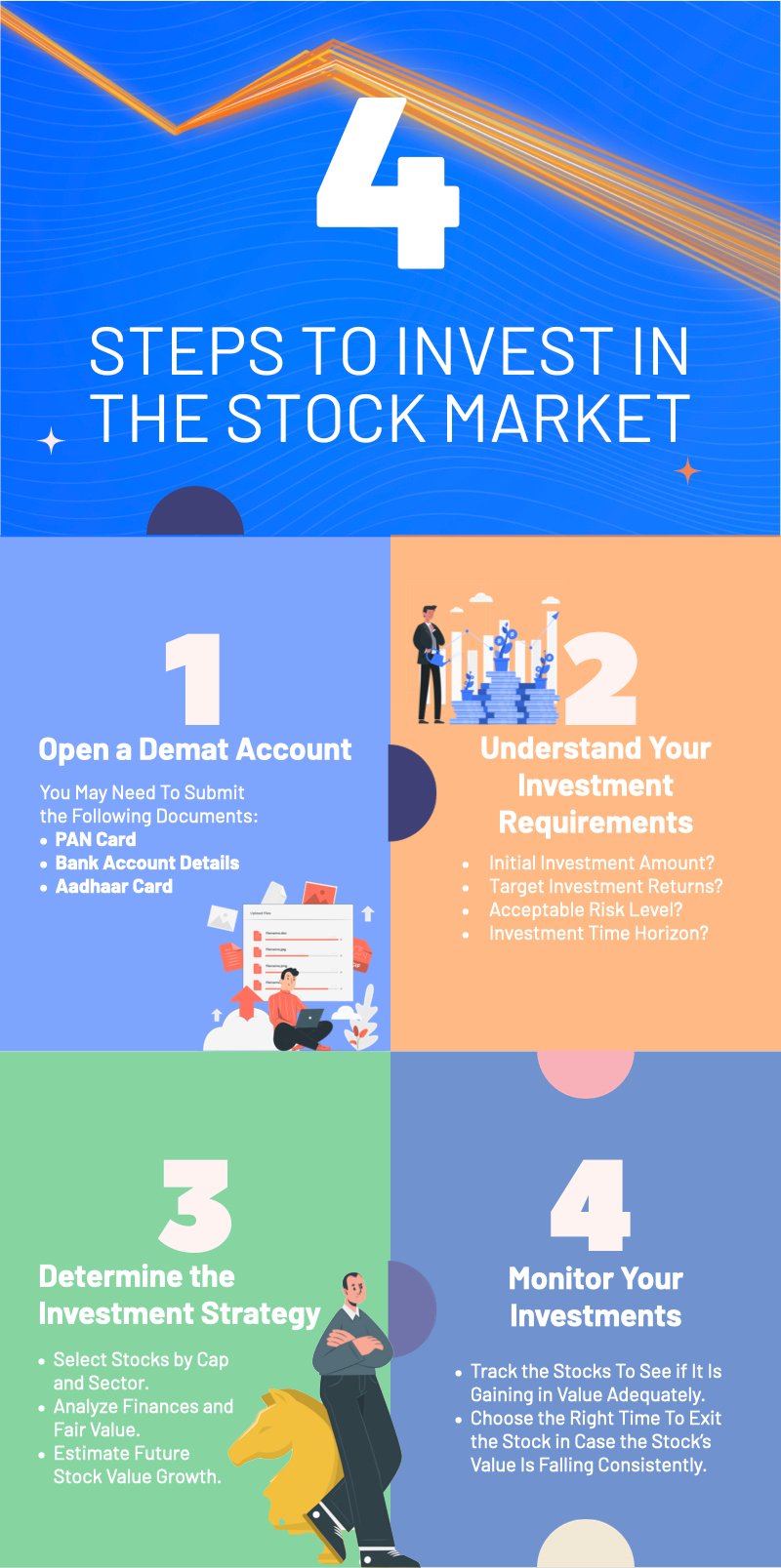
At its core, a stock (also known as a share or equity) represents a fractional ownership interest in a company. When you buy a company’s stock, you become a shareholder, entitling you to a claim on a portion of the company’s assets and earnings. This ownership comes with the potential for two primary forms of return: capital appreciation (the stock price increasing) and dividends (a portion of the company’s profits distributed to shareholders).
Why Invest in Stocks?
Investing in stocks offers several compelling advantages for long-term wealth building:
- Growth Potential: Historically, the stock market has outperformed most other asset classes over extended periods, offering substantial capital appreciation.
- Inflation Hedge: Stock investments can help preserve and grow purchasing power, as company earnings and stock prices tend to rise with inflation over the long term.
- Passive Income: Dividends from certain stocks or funds can provide a steady stream of passive income.
- Accessibility: With the advent of online brokerages and low-cost funds, stock market investing is more accessible than ever before, requiring relatively low initial capital.
Key Market Terminology
Familiarity with common market terms is vital for understanding financial news and investment reports:
- Market Capitalization (Market Cap): The total value of a company’s outstanding shares, calculated by multiplying the current stock price by the number of shares. It categorizes companies as small-cap, mid-cap, or large-cap.
- Dividends: Payments made by a corporation to its shareholders, usually out of its accumulated profits.
- Bull Market: A market condition where prices are rising or expected to rise, typically characterized by investor optimism.
- Bear Market: A market condition where prices are falling or expected to fall, usually accompanied by investor pessimism.
- Volatility: The degree of variation of a trading price series over time. High volatility means prices fluctuate significantly.
Essential Preparations Before You Invest
Successful investing isn’t just about picking the right stocks; it begins with solid personal financial planning. Skipping these preparatory steps can jeopardize your financial well-being.
Assess Your Financial Health
Before allocating funds to the stock market, ensure your personal finances are in order. This involves:
- Emergency Fund: Establishing a robust emergency fund, ideally covering 3-6 months of living expenses, is paramount. This cash reserve prevents you from being forced to sell investments at an inopportune time to cover unexpected costs.
- Debt Management: Prioritize paying off high-interest debt (e.g., credit card debt). The guaranteed return from eliminating such debt often far exceeds potential stock market returns, which are never guaranteed.
Define Your Investment Goals
Your investment goals dictate your strategy. Are you saving for retirement decades away, a down payment on a house in five years, or another specific financial milestone?
- Short-Term Goals: May require more conservative investments outside the volatile stock market.
- Long-Term Goals: Generally allow for greater exposure to stocks, benefiting from compounding returns over extended periods. Clear goals provide direction and help you stay disciplined.
Determine Your Risk Tolerance
Risk tolerance is your comfort level with the potential for investment losses. It’s a critical factor in determining your asset allocation (the mix of different investment types in your portfolio).
- Aggressive Investors: Comfortable with higher risk for potentially higher returns, often holding a larger percentage of stocks.
- Moderate Investors: Seek a balance between growth and stability, with a mix of stocks and bonds.
- Conservative Investors: Prioritize capital preservation over aggressive growth, often leaning towards lower-risk assets.
Understanding your risk tolerance prevents emotional decision-making during market downturns.
Navigating Investment Vehicles and Strategies
Once your financial groundwork is complete, the next step involves choosing how to invest and what to invest in.
Opening a Brokerage Account
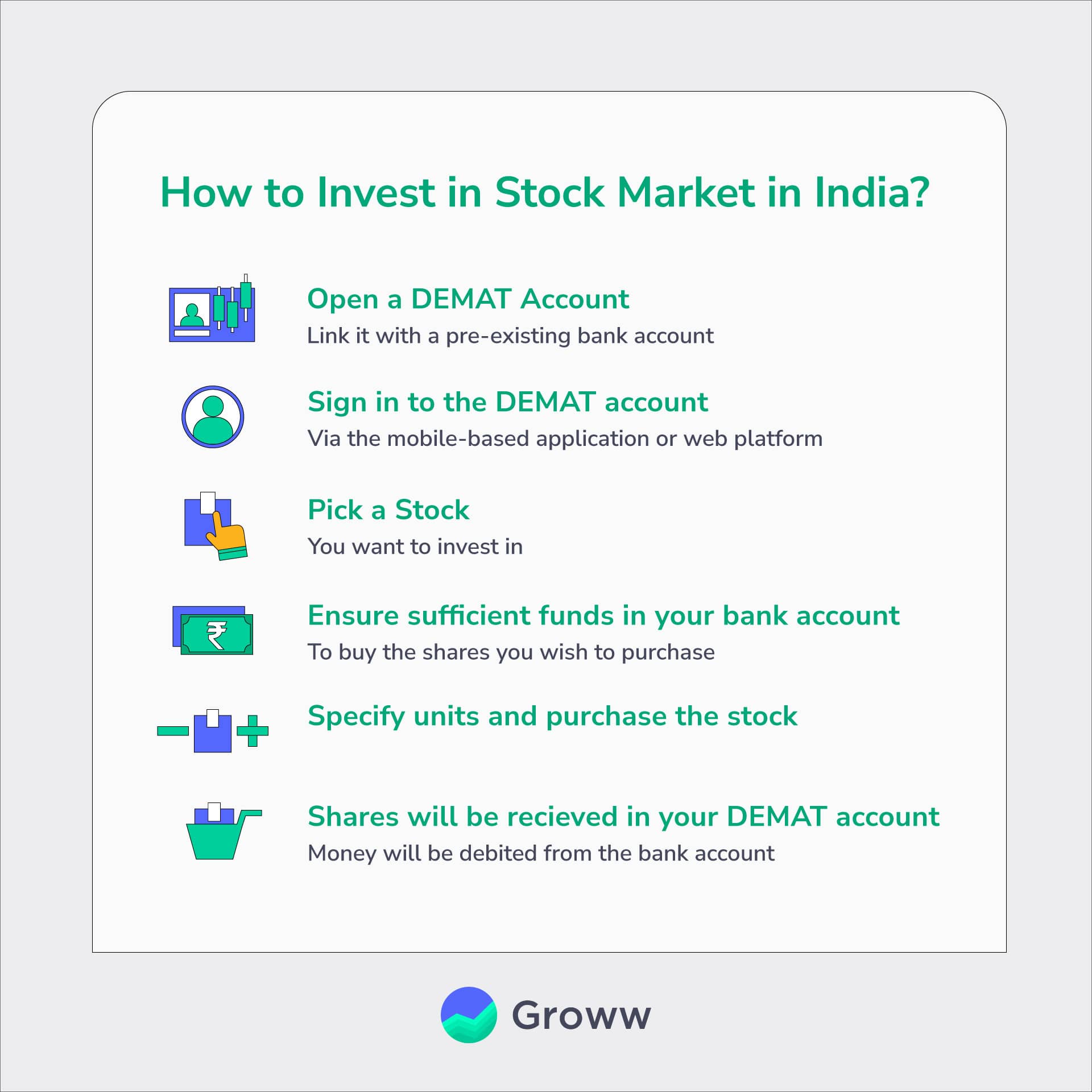
To buy and sell stocks, you’ll need a brokerage account. Online discount brokers are popular choices due to their low fees and user-friendly platforms. Consider factors like:
- Fees: Look for commission-free trading for stocks and ETFs.
- Research Tools: Access to market data, company analysis, and educational resources.
- Customer Service: Reliable support when you need it.
- Account Types: Choose between taxable brokerage accounts, Individual Retirement Accounts (IRAs), or Roth IRAs, each with different tax implications.
Types of Stock Market Investments
Diversifying your investments across different vehicles can help manage risk and optimize returns:
- Individual Stocks: Buying shares of specific companies requires thorough research into their financials, industry position, and growth prospects. It offers the potential for high returns but also carries higher individual company risk.
- Exchange-Traded Funds (ETFs): These are diversified portfolios of stocks (or other assets) that trade like individual stocks on an exchange. ETFs are excellent for broad market exposure (e.g., S&P 500 ETF), sector-specific investing, or international markets, offering instant diversification at a low cost.
- Mutual Funds: Professionally managed portfolios that pool money from many investors to buy a diversified collection of stocks, bonds, or other securities. They can be actively managed (with higher fees) or passively managed (like index funds).
- Index Funds: A type of mutual fund or ETF designed to track the performance of a specific market index (e.g., the Dow Jones Industrial Average or NASDAQ). They are passively managed, have low fees, and offer broad market exposure.
Common Investment Strategies
- Growth Investing: Focuses on companies expected to grow their earnings and revenues at a faster rate than the overall market.
- Value Investing: Involves identifying companies whose stock prices appear to be undervalued by the market, based on their intrinsic worth.
- Income Investing: Prioritizes investments that provide regular income through dividends or interest payments.
- Dollar-Cost Averaging: A strategy where an investor invests a fixed amount of money at regular intervals, regardless of the stock price. This averages out the purchase price over time and reduces the risk associated with market timing.
Research, Analysis, and Diversification: Informed Decision-Making
Making sound investment choices requires diligent research and an understanding of diversification principles.
Fundamental Analysis
This involves evaluating a company’s financial health, management, industry position, and competitive advantages to determine its intrinsic value. Key metrics include:
- Price-to-Earnings (P/E) Ratio: Compares a company’s share price to its earnings per share, indicating how much investors are willing to pay for each dollar of earnings.
- Earnings Per Share (EPS): A company’s net profit divided by the number of outstanding shares, indicating profitability.
- Revenue Growth: The rate at which a company’s sales are increasing.
- Debt-to-Equity Ratio: Measures a company’s financial leverage, indicating how much debt it uses to finance assets relative to shareholders’ equity.
The Power of Diversification
Diversification is the cornerstone of risk management in investing. It involves spreading your investments across different companies, industries, and asset classes to reduce the impact of poor performance by any single investment. A well-diversified portfolio helps mitigate risk without sacrificing potential returns. This includes diversifying by:
- Industry: Spreading investments across different sectors (e.g., technology, healthcare, finance).
- Company Size: Including a mix of small, mid, and large-cap companies.
- Geography: Investing in both domestic and international markets.
- Asset Class: Combining stocks with other asset classes like bonds or real estate.
Cultivating a Long-Term Investment Mindset
Successful stock market investing is rarely about quick gains; it’s a marathon that rewards patience, discipline, and continuous learning.
Compounding Returns
The magic of compounding allows your initial investments and subsequent earnings to generate their own earnings. Reinvesting dividends and capital gains significantly accelerates wealth accumulation over time, making patience one of the most powerful tools in an investor’s arsenal.
Regular Portfolio Review and Rebalancing
Your investment portfolio should not be set and forgotten. Periodically review its performance and adjust its asset allocation back to your target risk levels. Rebalancing involves selling investments that have grown significantly and buying those that have underperformed to maintain your desired diversification and risk profile.
Avoiding Emotional Investing
Fear and greed are powerful emotions that can derail investment plans. Market downturns often trigger panic selling, while bull markets can lead to excessive speculation. Sticking to a well-defined investment plan and avoiding impulsive decisions based on market sentiment is crucial for long-term success.
Continuous Learning and Adaptation
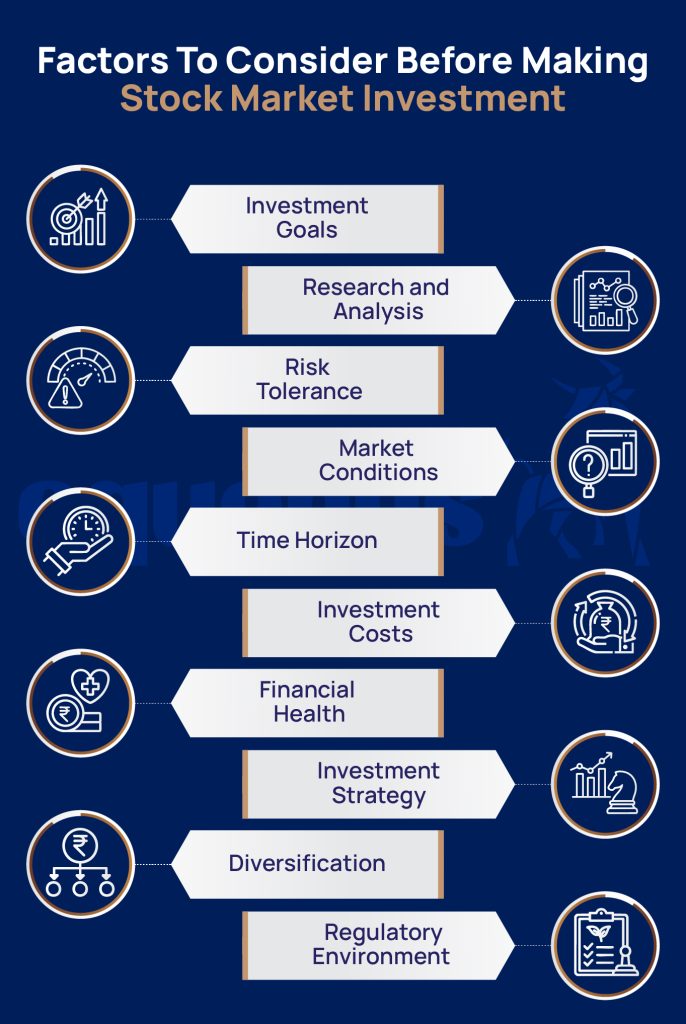
The financial markets are dynamic, influenced by economic shifts, technological advancements, and geopolitical events. Staying informed, continuously educating yourself about market trends, and adapting your strategies where necessary are vital components of a successful investment journey. However, avoid constant tinkering; foundational principles often remain steadfast.
Investing in the stock market is a journey that requires preparation, understanding, and a disciplined approach. By mastering the fundamentals, meticulously planning your financial strategy, diversifying your holdings, and adopting a long-term mindset, you can effectively navigate the market and work towards achieving your financial aspirations.
aViewFromTheCave is a participant in the Amazon Services LLC Associates Program, an affiliate advertising program designed to provide a means for sites to earn advertising fees by advertising and linking to Amazon.com. Amazon, the Amazon logo, AmazonSupply, and the AmazonSupply logo are trademarks of Amazon.com, Inc. or its affiliates. As an Amazon Associate we earn affiliate commissions from qualifying purchases.