
In the rapidly evolving landscape of personal finance, platforms like Robinhood have fundamentally reshaped how individuals approach investing. Once the exclusive domain of professional brokers and high-net-worth individuals, the stock market is now accessible to virtually anyone with a smartphone and an internet connection. Robinhood, in particular, has been a trailblazer in democratizing access to financial markets, primarily through its commission-free trading model and intuitive mobile application. This guide will delve into the practicalities of investing on Robinhood, offering insights into its features, strategies for building a robust portfolio, and crucial considerations for both novice and experienced investors alike. Our aim is to equip you with the knowledge to navigate this powerful financial tool effectively, helping you make informed decisions on your investment journey.
Understanding Robinhood’s Investment Philosophy and Offerings
Robinhood’s meteoric rise is inextricably linked to its disruptive approach to traditional brokerage services. By eliminating commissions on stock, ETF, and options trades, it lowered the barrier to entry for millions, igniting a new wave of retail investor engagement. Understanding its core philosophy and the range of products it offers is the first step towards leveraging its platform for your financial goals.
The Commission-Free Revolution: A Game Changer for Retail Investors
Before Robinhood, trading stocks typically incurred a fee, often ranging from $5 to $10 per trade. While seemingly small, these commissions could significantly eat into the profits of smaller investors or those wishing to trade frequently. Robinhood’s introduction of commission-free trading in 2013 was a seismic shift, forcing much of the industry to follow suit. This model made investing more accessible and affordable, enabling investors to diversify across more assets or execute smaller, more frequent trades without punitive costs. It transformed investing from an expensive endeavor into a more cost-efficient pursuit, particularly beneficial for those starting with modest capital. The shift underscored a broader trend towards consumer-centric financial services, prioritizing ease of access and affordability.
Core Investment Products: Stocks, ETFs, Options, and Crypto
Robinhood provides a diverse array of investment vehicles, catering to various risk appetites and investment strategies.
- Stocks: The most fundamental investment, representing ownership in a company. You can buy shares of publicly traded companies listed on major U.S. exchanges. Robinhood also pioneered fractional shares, allowing you to invest in a portion of a share for as little as $1, making even high-priced stocks accessible.
- ETFs (Exchange-Traded Funds): These are baskets of securities that trade like stocks. ETFs offer instant diversification across various industries, sectors, or market segments with a single purchase, often with lower expense ratios than traditional mutual funds. They are excellent tools for beginners seeking broad market exposure with reduced individual stock risk.
- Options: More complex and riskier, options contracts give you the right, but not the obligation, to buy or sell an underlying asset at a specific price on or before a certain date. While they offer leverage and can magnify gains, they also carry the potential for significant losses and are generally recommended for experienced investors who thoroughly understand their mechanics.
- Cryptocurrencies: Robinhood was one of the first mainstream brokers to offer crypto trading, allowing users to buy and sell popular digital assets like Bitcoin, Ethereum, and Dogecoin. This feature caters to the growing interest in the digital asset space, though it’s crucial to remember the inherent volatility and speculative nature of cryptocurrencies.
The User Experience: Democratizing Access to Financial Markets
Beyond its pricing model, Robinhood’s distinctive user experience has been a cornerstone of its appeal. The platform’s minimalist design, intuitive interface, and gamified elements (like celebratory confetti upon a first trade) were designed to simplify investing and make it less intimidating. This focus on user-friendliness has attracted a younger demographic and those new to investing, reducing the perceived complexity of financial markets. The mobile-first approach ensures that managing your portfolio, executing trades, and monitoring market movements is convenient and accessible from anywhere, truly putting the power of financial markets at your fingertips.
Getting Started: Setting Up Your Robinhood Account and First Steps
Embarking on your investment journey with Robinhood is a straightforward process, designed to be as seamless as possible. However, understanding the initial setup and verification steps is crucial to ensure a smooth start and compliance with financial regulations.
Account Creation and Verification: KYC Requirements
To begin, you’ll need to download the Robinhood app or visit their website. The account creation process typically involves providing basic personal information, including your full name, address, date of birth, and Social Security Number (SSN). This information is necessary for “Know Your Customer” (KYC) regulations, mandated by financial authorities to prevent fraud and money laundering. You’ll also be asked to answer a few questions about your employment status, income, and investing experience to help Robinhood assess your suitability for certain financial products. Identity verification usually requires uploading a photo of a government-issued ID. This entire process is typically quick and digital, often taking only a few minutes to complete, though verification can sometimes take longer.
Funding Your Account: Instant Deposits and Bank Transfers
Once your account is set up, the next step is to fund it. Robinhood offers several convenient methods for depositing money:
- Linking a Bank Account: This is the most common method. You can securely link your checking or savings account using your bank’s login credentials or by manually entering your account and routing numbers.
- Instant Deposits: For newly linked accounts, Robinhood often offers instant access to a portion of your deposit (e.g., up to $1,000) for trading, even before the full amount clears from your bank. This feature is particularly attractive for new investors eager to get started immediately, though the full deposit may take 2-5 business days to settle.
- Wire Transfers: For larger deposits or faster settlement times, wire transfers are an option, though they typically incur fees from your bank.
- Recurring Deposits: For building a consistent investment habit, setting up recurring deposits (e.g., weekly or monthly) can automate your savings and investing strategy, taking advantage of dollar-cost averaging.
Navigating the Interface: Finding Your Way Around the App
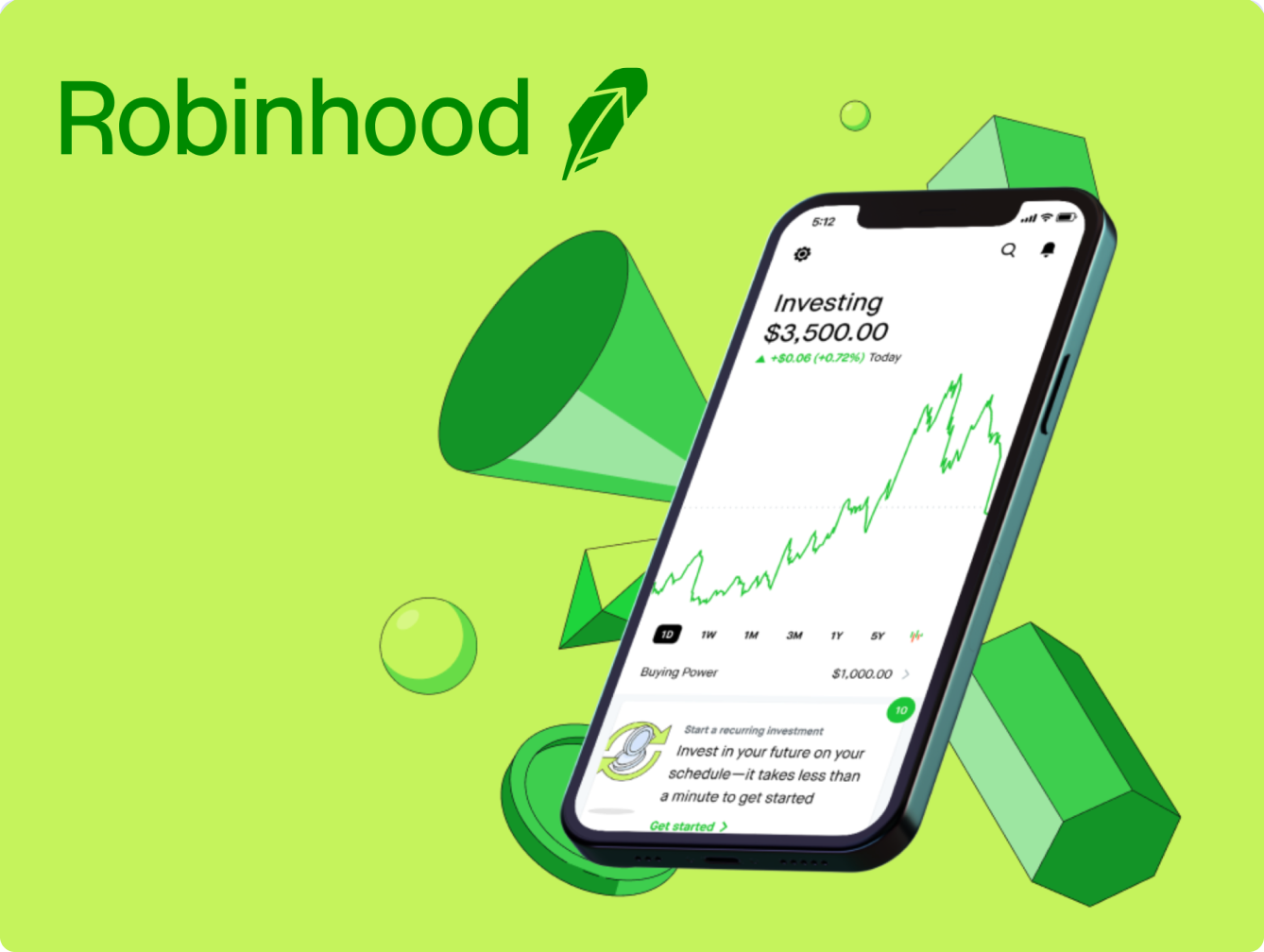
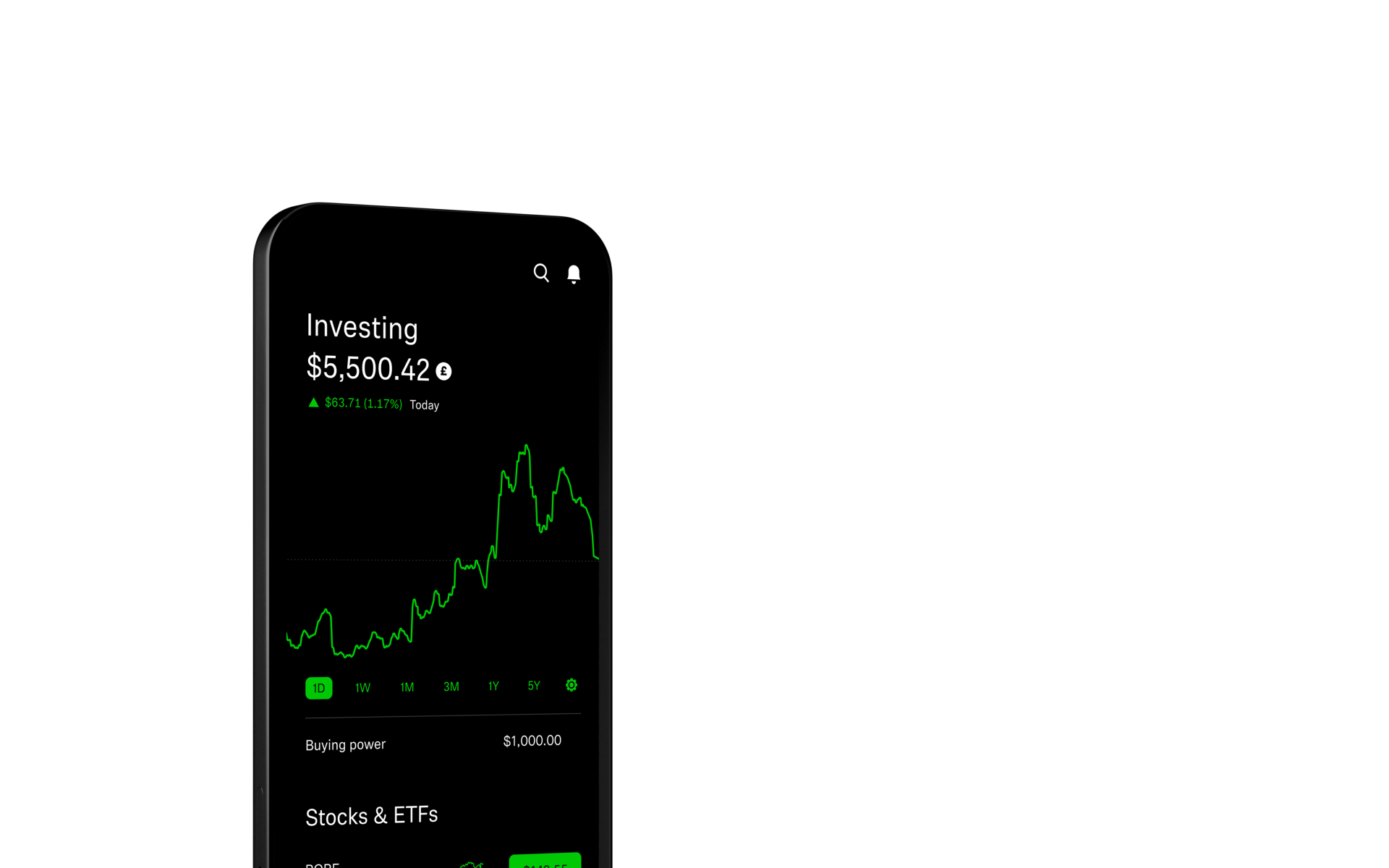
Robinhood’s app is renowned for its simplicity. Upon logging in, you’ll typically see your portfolio value, a watchlist of stocks, and access to various market data. Key sections include:
- Home/Portfolio: Displays your current holdings, total account value, and performance metrics.
- Search Bar: Essential for finding specific stocks, ETFs, or cryptocurrencies. You can search by ticker symbol or company name.
- Cash Management: Details your uninvested cash, allowing for transfers and managing your spending.
- Account Icon: Access to account settings, statements, tax documents, and customer support.
- Notifications: Keeps you informed about market movements, order statuses, and account updates.
Familiarizing yourself with these basic navigation elements will make managing your investments on Robinhood much more intuitive.
Crafting Your Investment Strategy on Robinhood
Successful investing is rarely about luck; it’s about a well-thought-out strategy aligned with your financial objectives and personal risk tolerance. Robinhood, while simplifying the execution of trades, requires you to bring your own strategic thinking to the table.
Defining Your Financial Goals and Risk Tolerance
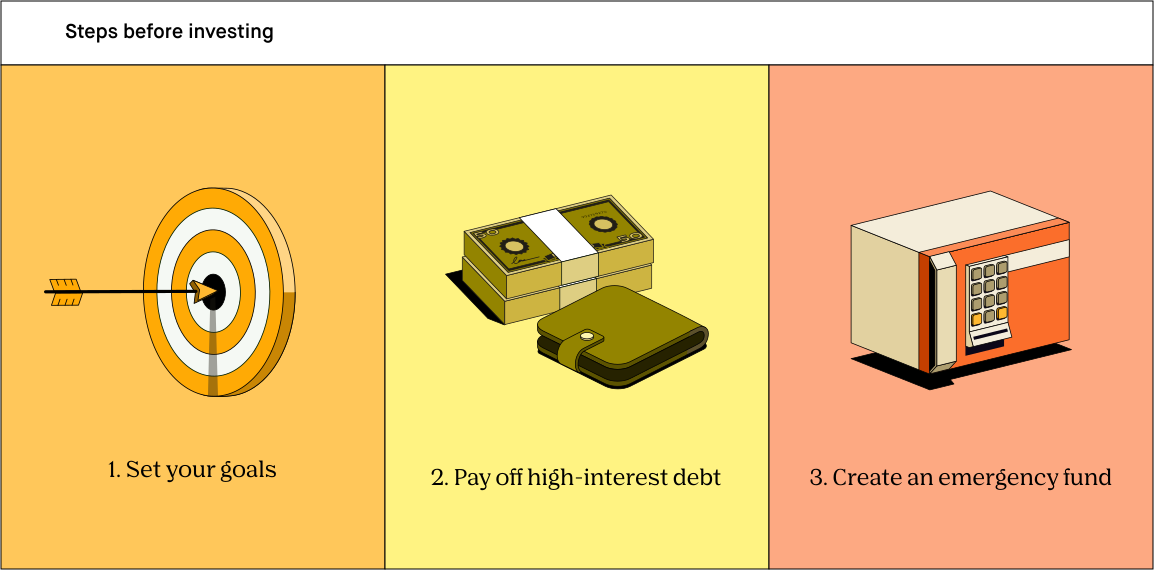
Before placing your first trade, it’s paramount to define what you want to achieve with your investments. Are you saving for retirement, a down payment on a house, or a child’s education? Your goals will dictate your investment horizon (long-term vs. short-term) and, consequently, the level of risk you should be willing to take.
- Long-term goals often allow for higher risk exposure, as market fluctuations tend to smooth out over extended periods.
- Short-term goals generally require a more conservative approach to protect capital.
- Risk Tolerance is your emotional and financial capacity to handle potential losses. Someone with a high risk tolerance might be comfortable with volatile growth stocks, while someone with a low tolerance might prefer stable, dividend-paying stocks or ETFs. Be honest with yourself about how much volatility you can stomach without losing sleep.
Diversification Strategies: Building a Resilient Portfolio
Diversification is the bedrock of prudent investing, acting as your primary defense against unforeseen market downturns. It means spreading your investments across different asset classes, industries, and geographies to reduce the impact of any single asset performing poorly. On Robinhood, you can diversify by:
- Investing in various individual stocks: Don’t put all your eggs in one basket, even if you’re bullish on a particular company.
- Utilizing ETFs: These inherently offer diversification. Consider ETFs covering different sectors (tech, healthcare, energy), market capitalizations (large-cap, small-cap), or even international markets.
- Balancing growth and value stocks: Growth stocks aim for rapid appreciation, while value stocks are typically mature companies trading below their intrinsic value, often paying dividends.
- Considering a mix of stocks and bonds (or bond ETFs): While Robinhood primarily focuses on equities and crypto, bond ETFs can provide stability.
Effective diversification doesn’t eliminate risk, but it smooths out returns and protects against significant losses from a single poor performer.
Long-Term Investing vs. Active Trading: Which Path to Choose?
Robinhood’s platform caters to both long-term investors and active traders, but it’s important to understand the differences and choose the path that aligns with your goals and temperament.
- Long-Term Investing (Buy and Hold): This strategy involves buying assets with the intention of holding them for several years, often decades, allowing compound interest and market growth to work in your favor. It typically involves less frequent trading, lower stress, and is often favored for retirement planning.
- Active Trading: This involves buying and selling assets frequently, attempting to profit from short-term price fluctuations. It requires significant time commitment, in-depth market analysis, and a higher tolerance for risk and stress. While potentially lucrative, active trading carries a much higher risk of loss, especially for beginners.
For most individual investors, particularly those just starting, a long-term, diversified strategy focused on quality assets is generally more sustainable and less stressful.
Utilizing Robinhood’s Research Tools and Educational Resources
Robinhood has evolved to offer more than just trading execution. The platform provides various tools to aid your investment decisions:
- Company News & Fundamentals: Access to financial statements, analyst ratings, and relevant news articles for individual stocks.
- Earnings Calendar: Keep track of upcoming earnings reports, which can significantly impact stock prices.
- Market Data: Real-time stock prices, historical charts, and key market indices.
- Educational Content: Robinhood offers articles, guides, and courses within the app, covering basic investment concepts, market terminology, and strategy.
- Analyst Ratings & Premium Research (with Robinhood Gold): For Gold subscribers, enhanced research from Morningstar and NASDAQ is available, providing deeper insights.
Leveraging these resources can help you conduct due diligence, understand market trends, and make more informed investment choices.
Executing Trades and Managing Your Portfolio
Once you have a strategy, the next step is putting it into action. Robinhood simplifies the process of executing trades, but understanding different order types and how to manage your holdings effectively is crucial for success.
Placing Your First Trade: Market Orders, Limit Orders, and Stop Orders
When you decide to buy or sell an asset, Robinhood offers several order types:
- Market Order: This is the simplest and most common order. It instructs Robinhood to buy or sell the asset immediately at the best available current market price. While quick, the execution price can sometimes deviate slightly from the displayed price, especially in volatile markets.
- Limit Order: A limit order specifies the maximum price you’re willing to pay to buy an asset, or the minimum price you’re willing to accept to sell an asset. Your order will only execute if the market price reaches your specified limit or better. This gives you more control over the price you trade at, but there’s no guarantee the order will fill if the price doesn’t hit your limit.
- Stop Order (Stop-Loss Order): A stop order is used to limit potential losses on an existing position. For a sell stop order, you set a “stop price” below the current market price. If the stock drops to or below this price, your stop order becomes a market order to sell. While useful for risk management, a stop order can sometimes execute at a less favorable price during rapid market drops.
For beginners, starting with market orders for highly liquid stocks is often sufficient. As you gain experience, incorporating limit and stop orders can refine your trading strategy.
Understanding Fractional Shares: Investing with Any Amount
One of Robinhood’s most investor-friendly features is fractional shares. This innovation allows you to buy or sell portions of a share, rather than being limited to whole shares. For example, if a stock trades at $1,000 per share, you can invest just $100 and own 0.1 of a share.
This feature dramatically lowers the entry barrier to investing in high-priced stocks like Amazon, Tesla, or Alphabet, enabling diversification even with a small budget. It empowers investors to dollar-cost average into their favorite companies without needing substantial capital upfront.
Monitoring Performance and Rebalancing Your Portfolio
Effective portfolio management isn’t just about buying; it’s also about monitoring and adjusting your investments over time.
- Monitoring Performance: Robinhood’s portfolio view provides real-time updates on your holdings’ value and performance. Regularly check how your investments are doing relative to your expectations and the broader market.
- Rebalancing: Over time, some of your investments may grow faster than others, causing your portfolio’s asset allocation to drift from your target. Rebalancing involves selling some of your overperforming assets and buying more of your underperforming ones to bring your portfolio back to your desired allocation. This practice helps manage risk and ensures your portfolio remains aligned with your long-term goals. While not necessary monthly, rebalancing annually or semi-annually is a sound strategy.
Managing Risk: Stop-Losses, Position Sizing, and Due Diligence
Risk management is paramount in investing.
- Stop-Losses: As mentioned, stop-loss orders can help limit downside risk by automatically selling a security if it drops to a predetermined price.
- Position Sizing: Avoid allocating too much of your portfolio to a single stock or a highly volatile asset. A common guideline is to limit individual stock positions to a small percentage (e.g., 1-5%) of your total portfolio value.
- Due Diligence: Never invest in something you don’t understand. Research the companies you invest in, understand their business models, financial health, and competitive landscape. Don’t rely solely on hype or social media trends.
Beyond the Basics: Advanced Features and Considerations
As you grow more comfortable with investing on Robinhood, you might explore some of its more advanced features and important considerations that impact your overall financial picture.
Robinhood Gold: Margin Investing and Premium Research
Robinhood Gold is a premium subscription service that offers several enhanced features for a monthly fee:
- Margin Investing: Gold allows eligible users to borrow money against their investments to buy more securities, amplifying potential returns but also significantly increasing risk. Margin investing is not for beginners and can lead to losses greater than your initial investment.
- Instant Deposits: Gold subscribers get higher instant deposit limits, often up to $50,000.
- Premium Research: Access to professional research from Morningstar and NASDAQ, providing deeper insights and analyst ratings, which can be valuable for making informed decisions.
- Higher Yield on Uninvested Cash: Gold members often receive a higher interest rate on their uninvested cash held in their Robinhood brokerage account.
Consider Robinhood Gold only after you have a solid understanding of investing basics and if the benefits align with your sophisticated investment strategy.
Crypto Investing: Understanding the Volatility and Opportunities
Robinhood Crypto allows for commission-free trading of several popular cryptocurrencies. While this offers an opportunity to participate in the growing digital asset market, it’s crucial to acknowledge its unique characteristics:
- Extreme Volatility: Cryptocurrencies are known for dramatic and rapid price swings, far exceeding traditional stocks.
- Regulatory Uncertainty: The regulatory landscape for cryptocurrencies is still evolving, which can introduce additional risks.
- Speculative Nature: Many cryptocurrencies are highly speculative investments without intrinsic value, unlike companies with earnings and assets.
- Security Concerns: While Robinhood takes security seriously, understanding the general risks associated with digital assets (e.g., hacking, private key management if moved off-platform) is important.
Approach crypto investing with caution, allocate only a small, speculative portion of your portfolio, and be prepared for significant price fluctuations.
Tax Implications of Investing on Robinhood
Investing comes with tax responsibilities. Any profits you make from selling investments (capital gains) are taxable events.
- Short-Term Capital Gains: If you sell an investment that you’ve held for one year or less, the profits are taxed at your ordinary income tax rate.
- Long-Term Capital Gains: If you sell an investment held for more than one year, the profits are taxed at a lower, preferential long-term capital gains rate.
- Dividends: Dividends received from stocks or ETFs are also taxable income.
Robinhood provides tax documents (like Form 1099-B) annually detailing your trades and income, which you’ll need for filing your taxes. It’s advisable to consult with a tax professional to understand your specific obligations and optimize your tax strategy.
The Future of Your Investments: Withdrawals and Long-Term Planning
Eventually, you’ll want to access the fruits of your investments. Withdrawing funds from Robinhood is straightforward:
- Selling Assets: First, you need to sell your investments if you wish to withdraw cash. The proceeds from stock sales typically settle in 2 business days.
- Initiating a Bank Transfer: Once funds are settled, you can initiate a transfer back to your linked bank account. This usually takes 3-5 business days to arrive.
For long-term planning, consider how your Robinhood investments fit into your broader financial picture, including retirement accounts, emergency funds, and other savings. While Robinhood is excellent for taxable brokerage accounts, it does not currently offer tax-advantaged retirement accounts like IRAs. Integrating your Robinhood portfolio with your overall financial strategy is key to achieving lasting financial security.
Investing on Robinhood offers an unparalleled opportunity to participate in financial markets with ease and affordability. By understanding its features, developing a sound investment strategy, and committing to continuous learning and risk management, you can effectively leverage this platform to build wealth and achieve your financial aspirations. Remember that investing carries inherent risks, and informed decision-making is your most valuable asset.
aViewFromTheCave is a participant in the Amazon Services LLC Associates Program, an affiliate advertising program designed to provide a means for sites to earn advertising fees by advertising and linking to Amazon.com. Amazon, the Amazon logo, AmazonSupply, and the AmazonSupply logo are trademarks of Amazon.com, Inc. or its affiliates. As an Amazon Associate we earn affiliate commissions from qualifying purchases.