
Investing in the stock market is one of the most effective ways to build long-term wealth and achieve financial independence. Historically, the stock market has provided higher returns than savings accounts, bonds, or commodities over extended periods. However, for many beginners, the world of tickers, charts, and financial jargon can feel overwhelming. Successful investing is not about “beating the market” through luck or timing; rather, it is about understanding the underlying mechanics of finance, managing risk, and maintaining a disciplined approach.
This guide explores the essential steps to transition from a saver to an investor, providing a logical framework for anyone looking to put their capital to work in the equities market.
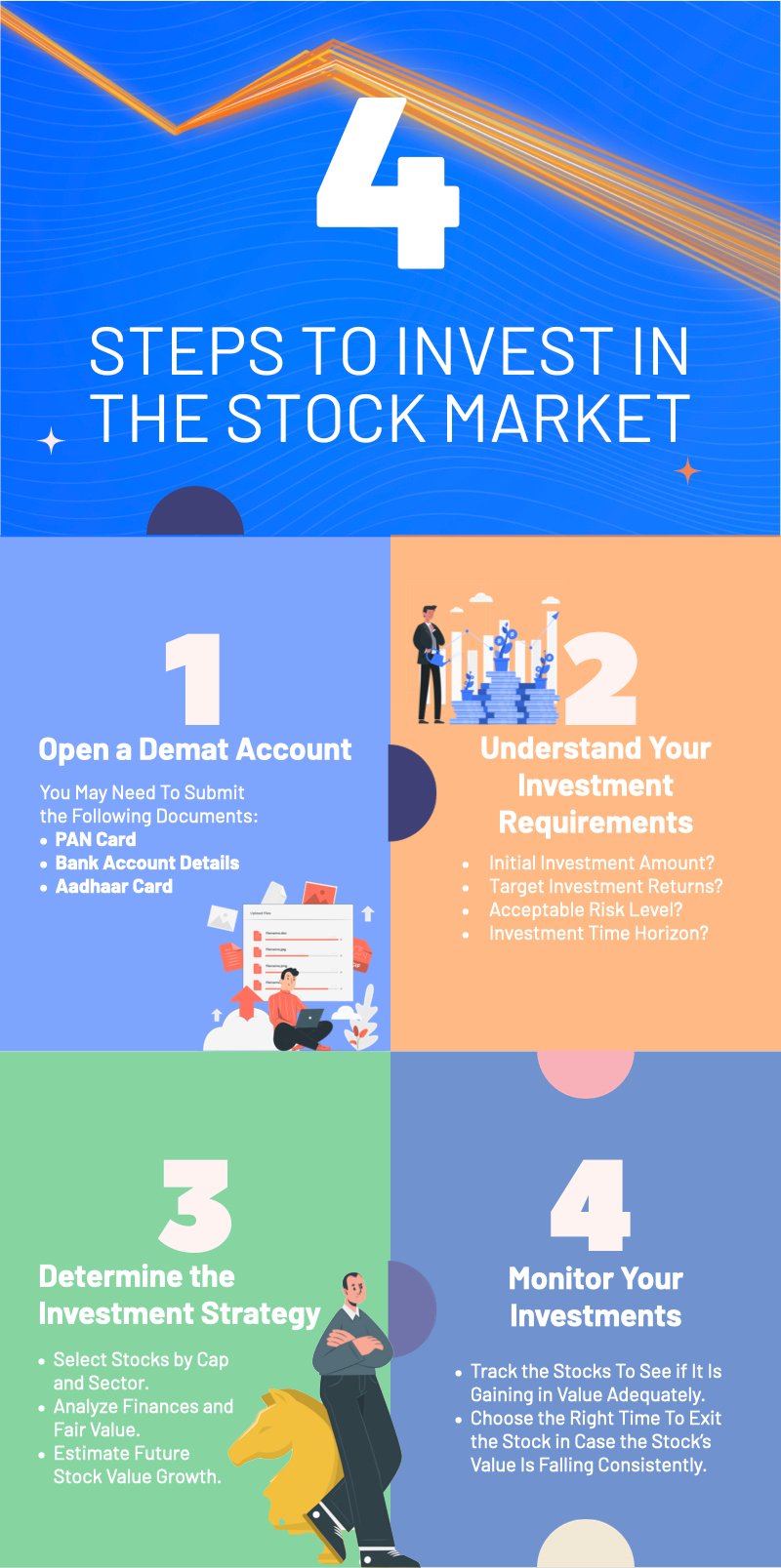
Understanding the Fundamentals of the Stock Market
Before committing your hard-earned money to any asset, it is vital to understand exactly what you are buying and how the marketplace operates. At its core, the stock market is a platform where ownership in companies is traded between buyers and sellers.
What is a Stock?
A stock, often referred to as “equity,” represents a fractional ownership share in a corporation. When you buy a share of a company, you are essentially buying a small piece of that business’s assets and future earnings. If the company grows and becomes more profitable, the value of your shares generally increases. Conversely, if the company struggles, the value of your shares may decrease. As a shareholder, you may also be entitled to a portion of the company’s profits, paid out in the form of dividends.
How the Stock Market Functions
Stocks are traded on exchanges, such as the New York Stock Exchange (NYSE) or the Nasdaq. These exchanges act as secondary markets where investors trade shares they already own. The price of a stock is determined by supply and demand, which are influenced by a company’s performance, economic conditions, and investor sentiment. When you place an order through a brokerage, you are participating in a global ecosystem designed to provide liquidity and transparency to the valuation of businesses.
The Role of Risk and Reward
In the world of personal finance, risk and reward are inextricably linked. Higher potential returns usually come with higher levels of risk. Investing in stocks is inherently more volatile than keeping money in a high-yield savings account or a Certificate of Deposit (CD). Prices can fluctuate wildly in the short term due to geopolitical events, interest rate changes, or industry-specific news. Understanding your “risk tolerance”—your emotional and financial ability to withstand market downturns—is the first step in building a sustainable investment plan.
Developing Your Investment Strategy
A common mistake among novice investors is jumping into the market without a clear strategy. To succeed, you must align your investment choices with your broader financial goals and time horizon.
Defining Your Financial Goals
The way you invest should be dictated by what you are saving for. Are you investing for retirement thirty years away, or are you looking to grow a down payment for a home in five years? Long-term goals allow for a more aggressive posture, as you have the time to recover from temporary market crashes. Short-term goals require a more conservative approach, prioritizing capital preservation over maximum growth.
Active vs. Passive Investing
One of the most important decisions you will make is whether to be an active or passive investor. Active investing involves picking individual stocks in an attempt to outperform the market average. This requires significant time, research, and financial literacy. Passive investing, on the other hand, involves buying “the whole market” through index funds or ETFs. Passive investors aim to match the market’s performance rather than beat it. Research consistently shows that for the vast majority of individual investors, a passive approach yields better long-term results due to lower fees and less emotional decision-making.
Diversification and Asset Allocation
“Don’t put all your eggs in one basket” is the golden rule of investing. Diversification is the practice of spreading your investments across various industries, geographic regions, and company sizes. By diversifying, you ensure that a catastrophic failure in one sector (for example, a tech slump or an energy crisis) doesn’t wipe out your entire portfolio. Asset allocation goes a step further by balancing your stocks with other asset classes, such as bonds or real estate, to create a risk profile that suits your needs.
Practical Steps to Start Investing

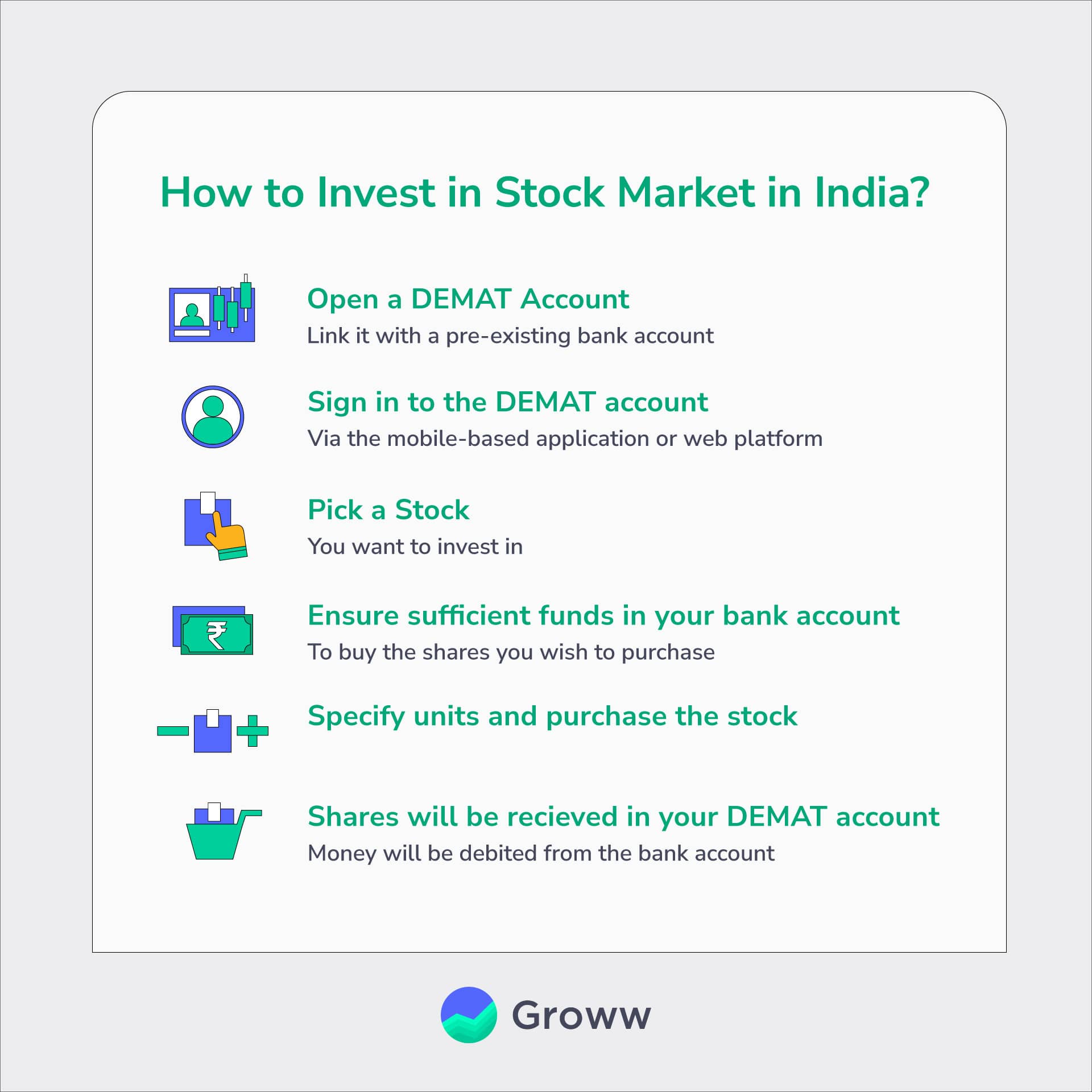
Once you have a strategy in mind, you need to execute the logistical side of the investment process. The barriers to entry have never been lower, thanks to digital brokerage platforms and the elimination of trading commissions.
Choosing the Right Brokerage Account
To buy stocks, you need a brokerage account. There are several types to consider:
- Standard Taxable Brokerage Accounts: These offer the most flexibility, allowing you to withdraw money at any time, but you will owe taxes on capital gains and dividends.
- Retirement Accounts (IRAs/401ks): These offer significant tax advantages. In a Traditional IRA, contributions may be tax-deductible, while in a Roth IRA, your investments grow tax-free, and withdrawals in retirement are also tax-free.
- Robo-Advisors: If you prefer a hands-off approach, robo-advisors use algorithms to manage a diversified portfolio for you based on your risk profile for a small fee.
Determining Your Budget
You do not need thousands of dollars to start. Many modern brokerages offer “fractional shares,” allowing you to buy $10 worth of a company even if its full share price is $1,000. When deciding how much to invest, ensure you have an emergency fund (3–6 months of living expenses) in a liquid savings account first. Investing should be done with “disposable” capital—money you won’t need for at least the next five to ten years.
Placing Your First Trade
When you are ready to buy, you will encounter different order types. A “Market Order” executes the trade immediately at the current price. A “Limit Order” allows you to set a specific price at which you are willing to buy; the trade only executes if the stock hits that price. For most long-term investors, market orders are sufficient, as a few cents of difference today won’t matter much over a twenty-year horizon.
Investment Vehicles: Stocks, ETFs, and Mutual Funds
Not all investments are created equal. Depending on your interest level and expertise, you might choose different vehicles to gain exposure to the market.
Individual Stocks: High Potential, High Risk
Buying shares in a specific company like Apple, Tesla, or Amazon allows you to profit directly from that company’s innovation and success. If you find the “next big thing” early, the returns can be life-changing. However, individual stocks are susceptible to company-specific risks, such as poor management, legal troubles, or shifting consumer tastes.
Exchange-Traded Funds (ETFs) and Index Funds
For most people, ETFs and index funds are the most efficient way to invest. These funds hold a basket of hundreds or thousands of stocks. For example, an S&P 500 index fund gives you exposure to the 500 largest publicly traded companies in the United States. This provides instant diversification. ETFs trade like stocks throughout the day, while index funds (a type of mutual fund) settle at the end of the trading day. Both are prized for their low “expense ratios” (fees).
Dividend Stocks for Passive Income
Some investors focus on “Income Investing,” targeting established companies that pay out a portion of their earnings to shareholders regularly. These dividends can provide a steady stream of passive income. Reinvesting these dividends—a process often automated through a Dividend Reinvestment Plan (DRIP)—is one of the most powerful ways to accelerate the growth of your portfolio.
Managing and Growing Your Portfolio
Buying your first stock is just the beginning. The real work of an investor lies in the “holding” period and the consistent management of their assets.
The Power of Compound Interest
Albert Einstein reportedly called compound interest the “eighth wonder of the world.” In the stock market, compounding happens when your investment gains generate their own earnings. Over decades, this creates an exponential growth curve. The key to maximizing compounding is time. The earlier you start, the less money you actually have to contribute from your own pocket to reach your financial targets.
Regular Rebalancing and Monitoring
Over time, some of your investments will grow faster than others, which can skew your original asset allocation. For example, if your goal was a 70% stock and 30% bond split, a massive bull market might leave you with 85% in stocks, making your portfolio riskier than intended. “Rebalancing” involves selling some winners and buying more of the underperformers to return to your target allocation. Doing this annually or semi-annually ensures you stay on track.
Navigating Market Volatility
The stock market does not move in a straight line. Corrections (a 10% drop) and Bear Markets (a 20% or more drop) are natural parts of the economic cycle. The greatest challenge for any investor is managing their emotions during these periods. Panic-selling during a downturn is the surest way to lock in losses. By maintaining a long-term perspective and continuing to invest regularly—a strategy known as “dollar-cost averaging”—you can turn market volatility to your advantage by buying shares at lower prices.
In conclusion, investing money in stocks is a journey of patience and discipline. By understanding the basics, choosing a strategy that fits your life, and consistently contributing to a diversified portfolio, you can harness the power of the global economy to secure your financial future. The best time to start was ten years ago; the second best time is today.
aViewFromTheCave is a participant in the Amazon Services LLC Associates Program, an affiliate advertising program designed to provide a means for sites to earn advertising fees by advertising and linking to Amazon.com. Amazon, the Amazon logo, AmazonSupply, and the AmazonSupply logo are trademarks of Amazon.com, Inc. or its affiliates. As an Amazon Associate we earn affiliate commissions from qualifying purchases.