
Investing in the stock market can feel like navigating a complex maze, with countless indices, sectors, and individual stocks vying for your attention. Among the most recognized and frequently discussed benchmarks is the Dow Jones Industrial Average (DJIA), often simply referred to as “the Dow.” For decades, the Dow has served as a barometer for the health of the U.S. economy and a beacon for investors seeking exposure to established, blue-chip American companies. But what exactly is the Dow, and more importantly, how can an everyday investor strategically gain exposure to its performance?

This article will demystify the Dow, explore its significance, and outline practical, accessible methods for incorporating it into your investment portfolio. Whether you’re a seasoned investor looking to refine your strategy or a beginner taking your first steps into the financial markets, understanding how to invest in the Dow can be a valuable component of a diversified and robust financial plan. We’ll delve into the nuances of this iconic index, dissect the various investment vehicles available, and provide crucial considerations to ensure your approach aligns with your financial goals and risk tolerance.
Understanding the Dow Jones Industrial Average (DJIA)
Before diving into investment strategies, it’s essential to grasp what the Dow truly represents. Often mistakenly thought to be a broad representation of the entire U.S. stock market, the DJIA has a more specific, albeit influential, role.
What is the DJIA?
The Dow Jones Industrial Average is a stock market index that tracks the performance of 30 large, publicly-owned companies based in the United States. Founded by Charles Dow in 1896, it is one of the oldest and most frequently cited market indicators. Unlike some other major indices like the S&P 500, which is market-capitalization weighted, the DJIA is a price-weighted index. This means that stocks with higher share prices have a greater impact on the index’s value than those with lower share prices, regardless of the company’s overall market capitalization. This unique weighting methodology sometimes leads to criticism, as it doesn’t always reflect the true economic size or influence of its component companies.
How are Companies Selected?
The 30 companies that comprise the Dow are not selected by a rigid formula but rather by a committee from S&P Dow Jones Indices. The primary criteria for inclusion revolve around reputation, sustained growth, interest to a large number of investors, and representation of a significant portion of the broad industrial segment of the U.S. economy. The selection process aims to maintain adequate sector representation within the index, though it does not rigorously adhere to a fixed number of companies from each sector. For instance, while its name includes “Industrial,” the index today includes companies from various sectors, including technology, finance, healthcare, and consumer goods, reflecting the evolving landscape of the American economy. Changes to the index are infrequent, occurring only when a company undergoes a significant structural change or when an index component no longer represents its sector.
Limitations of the DJIA
Despite its prominence, the DJIA has several limitations that investors should be aware of:
- Limited Scope: With only 30 companies, the Dow offers a relatively narrow snapshot of the vast U.S. equity market. It does not include thousands of other publicly traded companies, nor does it fully represent small-cap or mid-cap segments.
- Price-Weighted Methodology: As discussed, its price-weighted nature means that a $1 change in a high-priced stock has a greater effect than a $1 change in a low-priced stock, regardless of the companies’ actual size. This can sometimes distort its representation of overall market movements.
- Lack of Diversification: While its components are large and established, relying solely on the Dow for investment exposure leaves out significant diversification benefits that come from investing across various market capitalizations, sectors, and geographies.
For these reasons, while the Dow is a useful indicator, it should ideally be viewed as one piece of a broader investment puzzle, rather than the entirety of a diversified portfolio.
Practical Ways to Invest in the Dow
Directly investing in the Dow by purchasing shares of all 30 constituent companies individually can be prohibitively expensive and complex, requiring constant rebalancing and active management. Fortunately, there are more accessible and efficient methods for investors to gain exposure to the performance of the DJIA.
ETFs Tracking the Dow
The most popular and straightforward method for most investors to “invest in the Dow” is through an Exchange Traded Fund (ETF) that specifically tracks the Dow Jones Industrial Average. An ETF is a type of investment fund that holds assets such as stocks, bonds, or commodities, and trades on stock exchanges much like individual stocks.
- SPDR Dow Jones Industrial Average ETF Trust (DIA): This is by far the most well-known and liquid ETF tracking the DJIA. Often referred to as “Diamonds,” DIA aims to replicate the price and yield performance of the Dow. When you buy shares of DIA, you are effectively buying a fractional stake in all 30 companies within the index, weighted according to the Dow’s methodology.
- Benefits of Dow ETFs:
- Diversification: Instantly provides exposure to 30 blue-chip companies without needing to purchase them individually.
- Cost-Effective: Typically has low expense ratios, meaning a small percentage of your investment goes towards management fees.
- Liquidity: Can be bought and sold throughout the trading day, offering flexibility.
- Transparency: You always know which companies are held within the fund.
Mutual Funds Focused on Large-Cap Stocks/Indices
While less direct than a dedicated Dow ETF, many broad-market or large-cap mutual funds will naturally have significant overlap with the Dow’s components. These funds invest in a wide array of large, established companies, often including many of the same multinational corporations found in the DJIA.
- Index Mutual Funds: Some mutual funds aim to replicate specific indices, and while pure DJIA index mutual funds are less common than ETFs, many large-cap index funds will have a substantial portion of their holdings mirroring the Dow.
- Actively Managed Large-Cap Funds: These funds employ professional managers who actively select stocks within the large-cap segment. While they don’t strictly track an index, many will hold Dow components if they fit the fund’s investment strategy. Be mindful of higher expense ratios associated with actively managed funds compared to index funds or ETFs.
Robo-Advisors and Brokerage Platforms
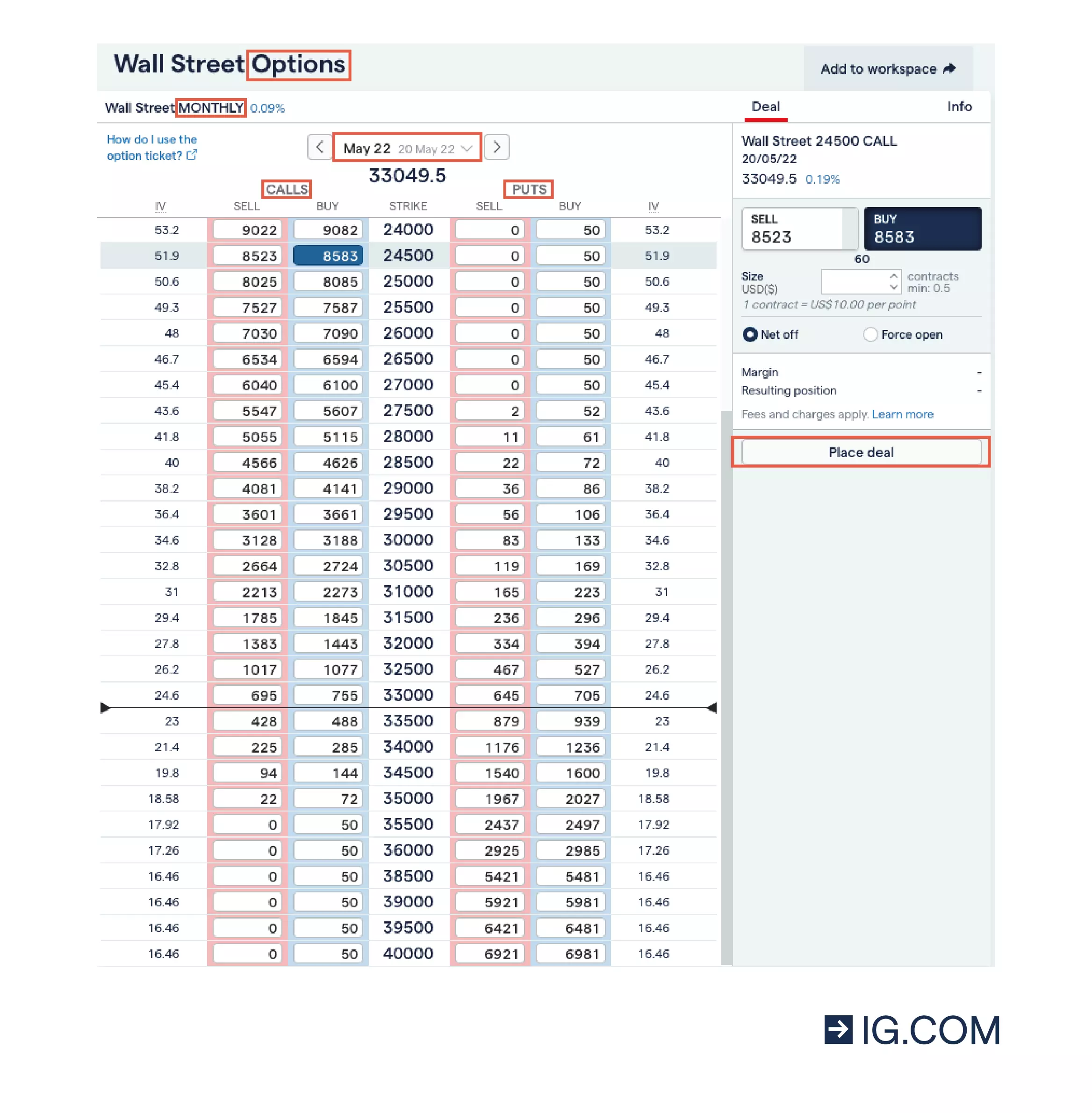
Modern investment platforms have made it easier than ever to access these investment vehicles.
- Online Brokerage Accounts: Opening an account with an online broker (e.g., Fidelity, Schwab, Vanguard, E*TRADE, Interactive Brokers) allows you to purchase shares of Dow-tracking ETFs like DIA with ease. These platforms offer tools, research, and educational resources to help you make informed decisions.
- Robo-Advisors: These digital platforms automate investment management based on algorithms. While they might not offer a specific “Dow-only” portfolio, many robo-advisors build diversified portfolios that include broad market ETFs, which would indirectly give you exposure to the large-cap companies that comprise the Dow. They are particularly suitable for investors who prefer a hands-off approach and automated rebalancing.
Key Considerations Before Investing
Investing in the Dow, or any market index, requires a thoughtful approach. Understanding your personal financial situation and the inherent risks is paramount to a successful investment journey.
Risk Tolerance and Investment Goals
Before allocating capital, assess your comfort level with market fluctuations and define what you hope to achieve.
- Long-term Growth: The Dow has historically shown strong long-term growth, making it suitable for objectives like retirement planning or saving for a child’s education.
- Short-term Volatility: While stable over the long haul, the Dow can experience significant short-term swings due to economic news, geopolitical events, or company-specific developments. If you have a short time horizon, this volatility could pose a risk to your capital.
- Capital Preservation vs. Growth: While Dow companies are generally stable, they are still equities. If your primary goal is capital preservation, a higher allocation to less volatile assets like bonds might be more appropriate.
Diversification Beyond the Dow
While investing in the Dow provides diversification across 30 major companies, it is crucial not to put all your eggs in one basket.
- Asset Allocation: A truly diversified portfolio includes a mix of asset classes, such as stocks, bonds, real estate, and potentially commodities.
- Market Capitalization: Supplementing Dow exposure with small-cap and mid-cap stocks can capture growth potential from different market segments.
- International Exposure: Global diversification through international stock funds or ETFs can reduce reliance on the U.S. economy and open avenues to growth in emerging markets.
- Sector Diversification: Even within the U.S. market, balancing your portfolio across different sectors (e.g., healthcare, energy, technology, consumer staples) can mitigate risk if one sector faces headwinds.
Fees and Expense Ratios
Every investment comes with associated costs, and these can significantly erode your returns over time.
- Expense Ratios of ETFs/Mutual Funds: Pay close attention to the expense ratio, which is the annual fee charged as a percentage of your investment. Even a difference of 0.5% can amount to thousands of dollars over decades. Dow-tracking ETFs like DIA typically have very competitive expense ratios.
- Trading Commissions: While many brokerage platforms now offer commission-free trading for stocks and ETFs, always verify if any fees apply, especially for more complex transactions or if you trade frequently.
- Advisory Fees: If you use a financial advisor, understand their fee structure (e.g., percentage of assets under management, flat fee, hourly rate).
Market Volatility and Long-Term Perspective
Stock markets are inherently volatile. It’s normal for indices like the Dow to experience periods of decline, often referred to as corrections or bear markets.
- Emotional Investing: Avoid making rash decisions based on short-term market movements. Panic selling during downturns can lock in losses.
- Dollar-Cost Averaging: Consider investing a fixed amount regularly (e.g., monthly). This strategy, known as dollar-cost averaging, allows you to buy more shares when prices are low and fewer when prices are high, potentially reducing your average cost over time and smoothing out market volatility.
- Patience is Key: Historically, the stock market has rewarded patient, long-term investors. A well-diversified portfolio, including exposure to the Dow, is designed to ride out short-term fluctuations and capture long-term economic growth.
Setting Up Your Investment Account
To begin investing in the Dow, you’ll need a suitable investment account. The process is generally straightforward and can be completed online in a matter of minutes.
Choosing a Brokerage
Selecting the right brokerage firm is a foundational step. Consider the following:
- Account Types: Decide whether you need a taxable brokerage account, an Individual Retirement Account (IRA) (Traditional or Roth), or another specialized account.
- Fees and Commissions: As mentioned, look for low or no commissions on stock and ETF trades.
- Investment Options: Ensure the brokerage offers the specific Dow-tracking ETFs or mutual funds you’re interested in.
- Tools and Research: Evaluate the quality of their trading platforms, research reports, educational resources, and customer support.
- User Experience: A user-friendly interface can make a significant difference, especially for new investors. Popular options include Vanguard, Fidelity, Charles Schwab, E*TRADE, Robinhood, and Interactive Brokers.
Funding Your Account
Once your brokerage account is open, you’ll need to transfer money into it. Common funding methods include:
- Electronic Funds Transfer (EFT/ACH): This allows you to link your bank account and transfer funds directly. It’s typically free but can take a few business days for funds to clear.
- Wire Transfer: Faster than ACH but often incurs a fee from your bank.
- Check Deposit: Mailing a check is another option, though it’s generally the slowest.
- Rollover: If you’re transferring funds from an existing retirement account (e.g., an old 401(k)), you can initiate a direct rollover.

Placing Your First Trade
With funds in your account, you’re ready to make your first investment. If you’re buying a Dow-tracking ETF like DIA:
- Search for the Ticker Symbol: Use the ticker symbol (e.g., “DIA”) to find the investment.
- Specify Order Type:
- Market Order: Buys or sells shares immediately at the best available current market price. While simple, the price might fluctuate slightly from what you see.
- Limit Order: Allows you to specify the maximum price you’re willing to pay (for buying) or the minimum price you’re willing to accept (for selling). This gives you more control over the execution price but isn’t guaranteed to fill if the market doesn’t reach your specified limit.
- Enter Quantity: Decide how many shares you wish to purchase based on your investment amount and the current share price.
- Review and Confirm: Always double-check your order details before submitting.
Investing in the Dow can be a prudent strategy for gaining exposure to a collection of America’s most established and influential companies. By leveraging accessible tools like ETFs and understanding the fundamental considerations of risk, diversification, and long-term perspective, investors can confidently integrate the Dow into their overall financial strategy. Remember, while the Dow offers a glimpse into market performance, a truly resilient portfolio extends beyond any single index, embracing a holistic approach to asset allocation and continuous learning.
aViewFromTheCave is a participant in the Amazon Services LLC Associates Program, an affiliate advertising program designed to provide a means for sites to earn advertising fees by advertising and linking to Amazon.com. Amazon, the Amazon logo, AmazonSupply, and the AmazonSupply logo are trademarks of Amazon.com, Inc. or its affiliates. As an Amazon Associate we earn affiliate commissions from qualifying purchases.