
For decades, the stock market was perceived as an exclusive club reserved for the wealthy, characterized by mahogany-row boardrooms and high-priced stockbrokers. The prevailing myth was that you needed a significant windfall—perhaps five or ten thousand dollars—just to get your foot in the door. Today, that barrier has been completely dismantled. Thanks to the democratization of financial technology and the rise of micro-investing, anyone with a smartphone and as little as five dollars can become a partial owner of the world’s most successful companies.
Investing with a small amount of money is not just possible; it is one of the most effective ways to build the discipline required for long-term financial independence. This guide explores the strategic framework for entering the equities market when capital is limited, focusing on how to maximize small contributions through modern tools and timeless financial principles.
Overcoming the Psychological Barrier of Small Capital
The biggest obstacle for most beginners isn’t a lack of funds, but the belief that small amounts won’t make a difference. When you are looking at a $50 investment, it is easy to feel that the potential gains are too minuscule to warrant the effort. However, this perspective ignores the two most powerful forces in finance: habit formation and compound interest.
The Power of Compound Interest
Albert Einstein famously referred to compound interest as the “eighth wonder of the world.” For the small-scale investor, time is a much more valuable asset than initial principal. Compounding occurs when your investment earnings are reinvested to generate their own earnings. Over decades, even a modest monthly contribution can grow exponentially. By starting with “little money” today rather than waiting years to save a “large amount,” you give your capital more time to undergo this compounding process. Starting early with $50 a month is often more lucrative than starting ten years later with $500 a month.
Shifting from Consumer to Owner
Investing small amounts facilitates a vital psychological shift from a consumer mindset to an owner mindset. Instead of simply purchasing a product from a global tech giant or a coffee conglomerate, you begin to view these companies as entities that work for you. This shift encourages better financial decision-making. When you own shares—even fractional ones—you become more attuned to market trends, corporate health, and the broader economy, providing an educational foundation that is far more valuable than the initial cash layout.
Essential Prerequisites Before Buying Your First Share
Before deploying your first dollar into the stock market, it is imperative to ensure your financial “house” is in order. Investing is a long-term endeavor, and nothing sabotages a portfolio faster than being forced to liquidate positions during a market downturn because of a personal financial crisis.
High-Interest Debt Management
Mathematically, it rarely makes sense to invest in stocks if you are carrying high-interest debt, such as credit card balances. If the stock market returns an average of 7% to 10% annually, but your credit card is charging you 20% interest, you are effectively losing money by investing. Prioritizing the elimination of high-interest debt provides a guaranteed “return” on your money that exceeds what the stock market can typically offer. Once these liabilities are cleared, every dollar you invest can truly work toward building your net worth.
The Role of an Emergency Fund
The stock market is volatile. Prices can drop 10%, 20%, or more in a single year. If you invest your only $500 and then face an unexpected car repair or medical bill, you may be forced to sell your stocks at a loss. To prevent this, beginners should strive to save at least three to six months of basic living expenses in a high-yield savings account. Even a “mini-emergency fund” of $1,000 can provide the necessary buffer to allow your investments to remain untouched during market fluctuations.
Practical Strategies for Investing with Limited Funds
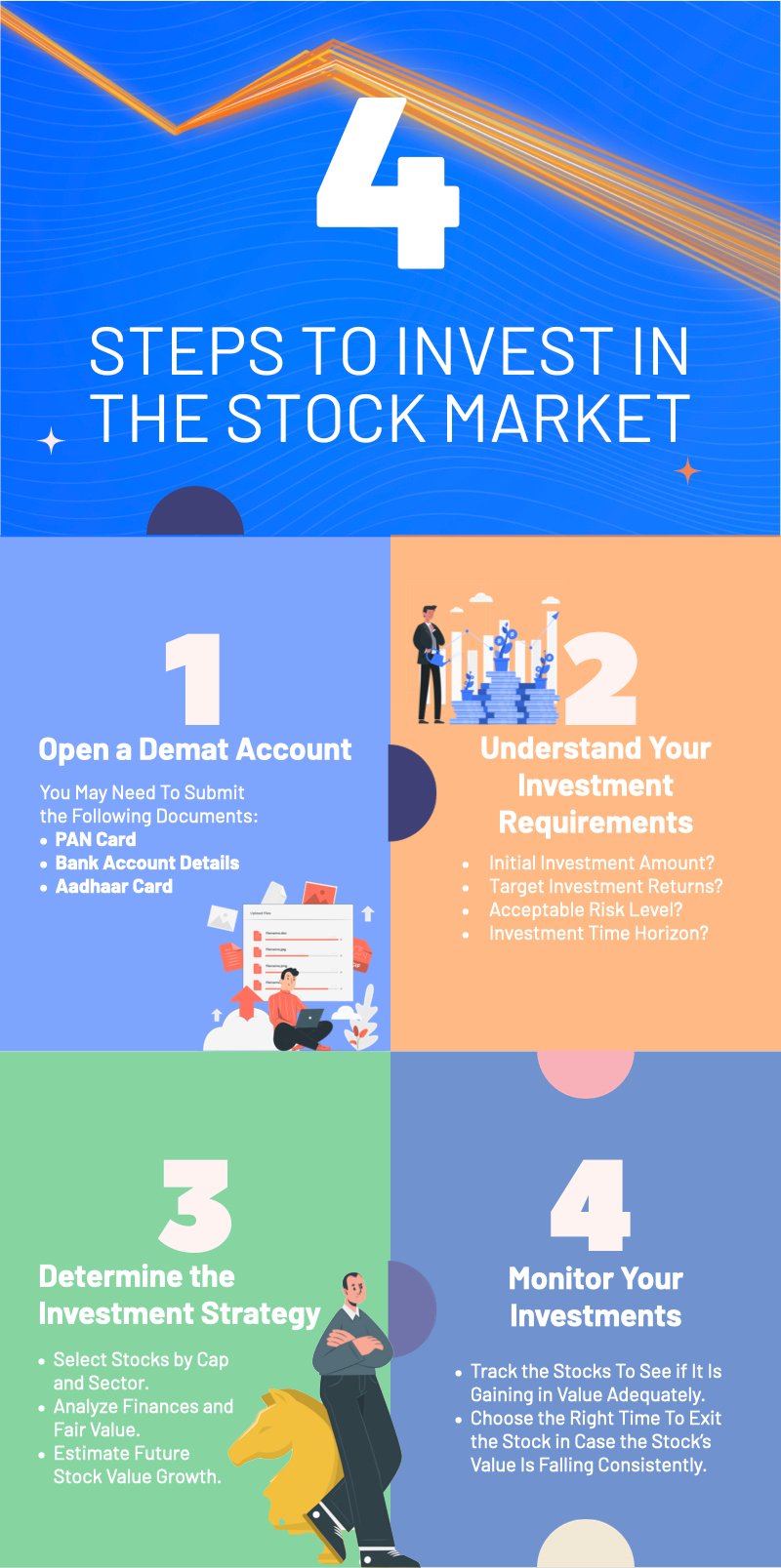
Once your foundations are secure, the next step is choosing the right vehicles for your capital. In the past, the high price of individual stocks (some trading at thousands of dollars per share) made them inaccessible to small investors. Modern financial instruments have solved this problem.
Fractional Shares: The Game Changer
Fractional shares are perhaps the most significant innovation for the beginner investor. They allow you to buy a portion of a stock based on a dollar amount rather than a full share price. If a company’s stock is trading at $3,000 but you only have $30, fractional shares allow you to own 1% of that share. This allows for immediate diversification; instead of saving for months to buy one share of one company, you can spread $100 across ten different blue-chip companies, significantly reducing your risk profile.
Low-Cost Index Funds and ETFs
For beginners, picking individual stocks can be risky and time-consuming. Exchange-Traded Funds (ETFs) and Index Funds offer a more streamlined approach. These funds pool money from many investors to buy a basket of stocks that track a specific index, such as the S&P 500. By buying one share of an S&P 500 ETF, you are effectively owning a tiny piece of the 500 largest publicly traded companies in the U.S. Many of these funds have very low “expense ratios” (fees), making them ideal for those who want to build wealth passively with small, recurring amounts.
Dividend Reinvestment Plans (DRIPs)
Many established companies pay out a portion of their profits to shareholders in the form of dividends. When you have little money, these checks might only be a few cents or dollars. However, through a Dividend Reinvestment Plan (DRIP), your brokerage automatically uses those dividends to buy more shares (or fractional shares) of the company. This creates a self-sustaining cycle of growth where your investment builds on itself without you having to contribute additional cash from your paycheck.
Choosing the Right Micro-Investing Platforms and Brokerages
The platform you choose will dictate your costs and ease of use. For those starting with small amounts, the primary goal is to avoid commissions and high account minimums that eat into your returns.
Commission-Free Trading Apps
A decade ago, every trade cost $5 to $10 in commissions. For a $50 investor, a $10 fee meant a 20% loss the moment the trade was executed. Today, most major brokerages have moved to a commission-free model for stocks and ETFs. Beginners should look for platforms that offer user-friendly interfaces, robust educational resources, and the ability to purchase fractional shares. Ensure the platform is SIPC-insured, which protects your capital in the event the brokerage firm fails.
Robo-Advisors for Hands-Off Growth
If the idea of selecting your own funds or stocks feels overwhelming, robo-advisors are an excellent entry point. These platforms use algorithms to build and manage a diversified portfolio based on your risk tolerance and financial goals. Many robo-advisors specialize in micro-investing, allowing users to “round up” their daily purchases to the nearest dollar and invest the change. This “spare change” approach is an effortless way to start investing with literally pennies, proving that no amount is too small to begin.
Long-Term Habits for Sustainable Growth
Investing is not a sprint; it is a marathon. The technical mechanics of buying stocks are simple, but the emotional discipline required to stay invested is difficult. Developing a systematic approach will help you navigate the inevitable ups and downs of the financial markets.
Dollar-Cost Averaging (DCA)
One of the most effective strategies for small investors is Dollar-Cost Averaging. This involves investing a fixed amount of money at regular intervals (e.g., $25 every payday), regardless of whether the market is up or down. When prices are high, your $25 buys fewer shares; when prices are low, your $25 buys more shares. Over time, this lowers your average cost per share and removes the emotional stress of trying to “time the market.” It turns investing into a disciplined utility bill that you pay to your future self.

Continuous Education and Risk Management
As your portfolio grows from $100 to $1,000 and eventually $10,000, your strategy may need to evolve. It is vital to continue educating yourself on market fundamentals, asset allocation, and tax-advantaged accounts like IRAs or 401(k)s. Understanding your risk tolerance is equally important. While stocks offer high growth potential, they are volatile. Diversifying into different sectors—tech, healthcare, energy, and consumer goods—ensures that a downturn in one industry doesn’t devastate your entire portfolio.
The journey to wealth begins with a single dollar and the decision to start. By leveraging fractional shares, utilizing low-cost platforms, and maintaining a consistent contribution schedule, beginners can turn “little money” into a substantial financial legacy. The market does not care how much you start with; it only cares how long you stay.
aViewFromTheCave is a participant in the Amazon Services LLC Associates Program, an affiliate advertising program designed to provide a means for sites to earn advertising fees by advertising and linking to Amazon.com. Amazon, the Amazon logo, AmazonSupply, and the AmazonSupply logo are trademarks of Amazon.com, Inc. or its affiliates. As an Amazon Associate we earn affiliate commissions from qualifying purchases.