
Investing in the S&P 500 index has long been a cornerstone strategy for both novice and seasoned investors seeking broad market exposure and consistent growth. Representing 500 of the largest U.S. publicly traded companies, the S&P 500 is not just a benchmark; it’s a robust portfolio of America’s economic engine. For many, it offers a compelling blend of diversification, historical performance, and relative simplicity. This guide will demystify how to effectively invest in the S&P 500, empowering you to integrate this powerful investment into your financial strategy.
Understanding the S&P 500 Index
Before diving into investment methods, it’s crucial to grasp what the S&P 500 truly is and why it holds such significance in the financial world. It’s more than just a list of companies; it’s a dynamic representation of the U.S. stock market’s health and potential.
What is the S&P 500?
The S&P 500, or Standard & Poor’s 500, is a stock market index that tracks the stock performance of 500 of the largest companies listed on U.S. stock exchanges. It is one of the most widely recognized and followed equity indices globally. Unlike the Dow Jones Industrial Average, which is price-weighted, the S&P 500 is market-capitalization weighted. This means that companies with larger market values have a greater impact on the index’s performance. The index’s composition is selected by a committee at S&P Dow Jones Indices, aiming for a balance of sector representation and liquidity, ensuring it accurately reflects the broader U.S. economy. Companies like Apple, Microsoft, Amazon, Google (Alphabet), and Tesla frequently rank among its top constituents, but the list is diversified across all major sectors, including technology, healthcare, financials, consumer discretionary, and industrials.
Why Invest in the S&P 500?
Investing in the S&P 500 offers several compelling advantages that make it an attractive option for a diverse range of investors:
- Broad Diversification: By investing in the S&P 500, you are inherently diversifying your portfolio across 500 different companies and numerous industries. This broad exposure significantly reduces the risk associated with investing in individual stocks, as the underperformance of one company or sector is likely to be offset by the strong performance of others.
- Historical Performance: Over the long term, the S&P 500 has demonstrated a remarkable track record of growth. Historically, its average annual return has been around 10-12% (before inflation), although past performance is not indicative of future results. This consistent upward trend, despite numerous market corrections and recessions, underscores its resilience and potential for wealth creation over extended periods.
- Market Representation: The S&P 500 is often considered the best single gauge of large-cap U.S. equities and a proxy for the overall health of the U.S. stock market. By investing in it, you are essentially investing in the collective success of America’s leading corporations.
- Simplicity and Low Cost: For many investors, tracking and managing individual stocks can be time-consuming and complex. S&P 500 investments simplify this process by offering a single vehicle to gain exposure to hundreds of companies, often with very low expense ratios.
Direct vs. Indirect Investment Methods
While you cannot directly “buy” the S&P 500 index itself, you can invest in funds designed to track its performance. The two primary methods are through Exchange-Traded Funds (ETFs) and S&P 500 Index Funds (often mutual funds).
Investing via Exchange-Traded Funds (ETFs)
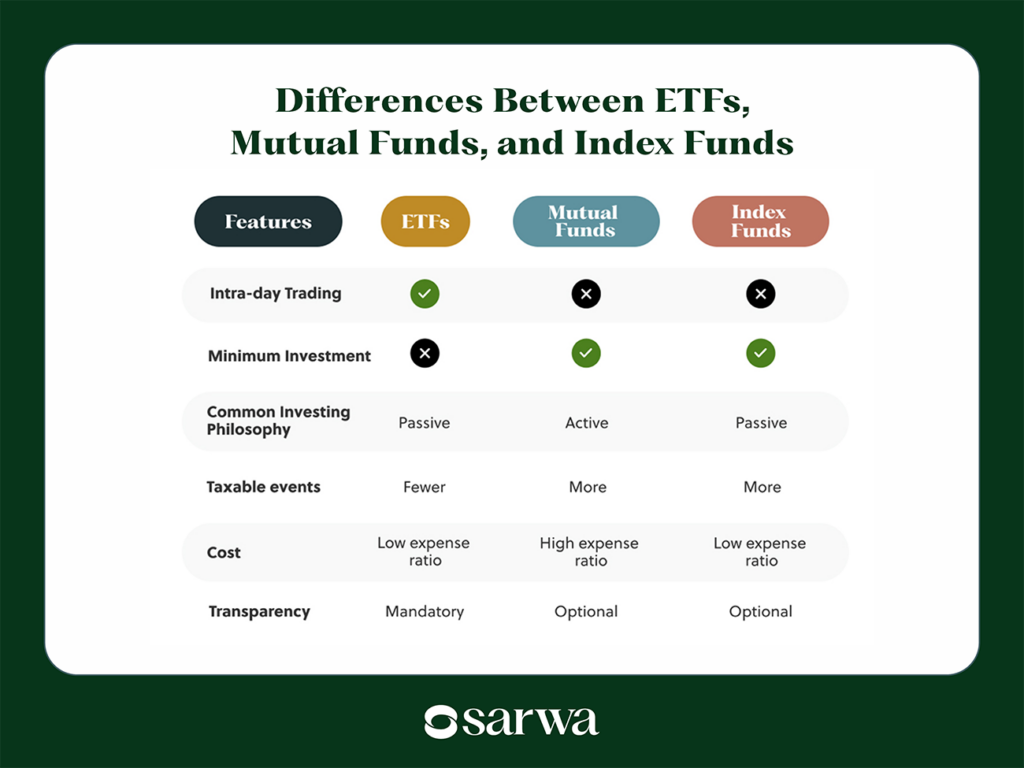
ETFs are a popular and highly liquid way to invest in the S&P 500. An S&P 500 ETF is a type of fund that holds a basket of stocks designed to mirror the composition and performance of the S&P 500 index.
- How They Work: ETFs trade on stock exchanges throughout the day, just like individual stocks. You can buy and sell shares of an S&P 500 ETF at any point during market hours, and their price fluctuates based on supply and demand.
- Benefits:
- Liquidity: Easy to buy and sell.
- Low Expense Ratios: Most S&P 500 ETFs have very competitive expense ratios, meaning a small percentage of your investment goes towards management fees.
- Diversification: Instant exposure to all 500 companies.
- Tax Efficiency: ETFs are generally more tax-efficient than traditional mutual funds due to their creation/redemption mechanism.
- Popular S&P 500 ETFs:
- SPDR S&P 500 ETF Trust (SPY): The oldest and one of the most traded S&P 500 ETFs.
- iShares Core S&P 500 ETF (IVV): Known for its extremely low expense ratio and large asset base.
- Vanguard S&P 500 ETF (VOO): Also highly regarded for its low costs and strong performance.
Investing via Index Funds/Mutual Funds
S&P 500 index mutual funds are another excellent way to gain exposure to the index, particularly for long-term investors who prefer automated investing and do not need intraday trading flexibility.
- How They Work: An S&P 500 index mutual fund is professionally managed (passively, in this case) to track the performance of the S&P 500. When you invest, you buy shares of the fund, which pools money from many investors to purchase the underlying stocks in the index.
- Benefits:
- Simplicity: Often allows for automated contributions, simplifying dollar-cost averaging.
- Diversification: Provides the same broad diversification as S&P 500 ETFs.
- Professional Management: While passive, the fund manager ensures the fund accurately tracks the index.
- Minimum Investment Flexibility: Some funds have higher minimums, while others (especially those offered by major brokerages) have very low or no minimums.
- Comparison with ETFs:
- Trading: Mutual funds are bought and sold once per day after the market closes at their Net Asset Value (NAV), unlike ETFs which trade throughout the day.
- Fees: Both typically have low expense ratios, but mutual funds might sometimes have higher minimum investments or transaction fees depending on the provider.
- Automation: Mutual funds are often easier to set up for recurring, automatic investments.
- Popular S&P 500 Index Funds:
- Vanguard 500 Index Fund Admiral Shares (VFIAX): A popular choice for investors with larger sums, known for its extremely low expense ratio.
- Fidelity 500 Index Fund (FXAIX): Another low-cost option from a major brokerage.
- Many brokerages offer their own proprietary S&P 500 index funds, often with competitive fees.
Step-by-Step Guide to Investing in the S&P 500
Investing in the S&P 500 is a straightforward process once you understand the core mechanics. Follow these steps to begin your investment journey.
Choose a Brokerage Account
Your first step is to open an investment account with a reputable brokerage firm. Consider the following factors when making your choice:
- Fees and Commissions: Look for brokerages with zero-commission trades for stocks and ETFs. Many now offer this.
- Account Types: Decide if you need a taxable brokerage account, or a tax-advantaged retirement account like an Individual Retirement Account (IRA) (Traditional or Roth) or a 401(k) (if offered through your employer).
- Investment Options: Ensure the brokerage offers a wide selection of S&P 500 ETFs and index funds, including those with low expense ratios.
- User Experience and Tools: A user-friendly platform, robust research tools, and good customer service can enhance your investing experience.
- Robo-Advisors: For those who prefer a hands-off approach, robo-advisors can manage diversified portfolios, often including S&P 500 exposure, based on your risk tolerance.
Select Your Investment Vehicle (ETFs vs. Index Funds)
Once your brokerage account is open, you’ll need to decide whether to invest through an S&P 500 ETF or an S&P 500 index mutual fund.
- For active trading or precise entry/exit points: ETFs are generally preferred due to their intraday trading capability.
- For long-term, hands-off investing with automated contributions: Index mutual funds might be more convenient.
- Consider minimums: Some mutual funds have minimum investment requirements (e.g., $3,000 for Vanguard Admiral Shares), while ETFs allow you to buy even a single share. However, many brokerages also offer their own mutual funds with lower or no minimums.
- Expense Ratios: Regardless of your choice, prioritize funds with extremely low expense ratios (e.g., 0.03% to 0.09%). Over decades, even small differences in fees can significantly impact your total returns.
Fund Your Account and Place Your Order
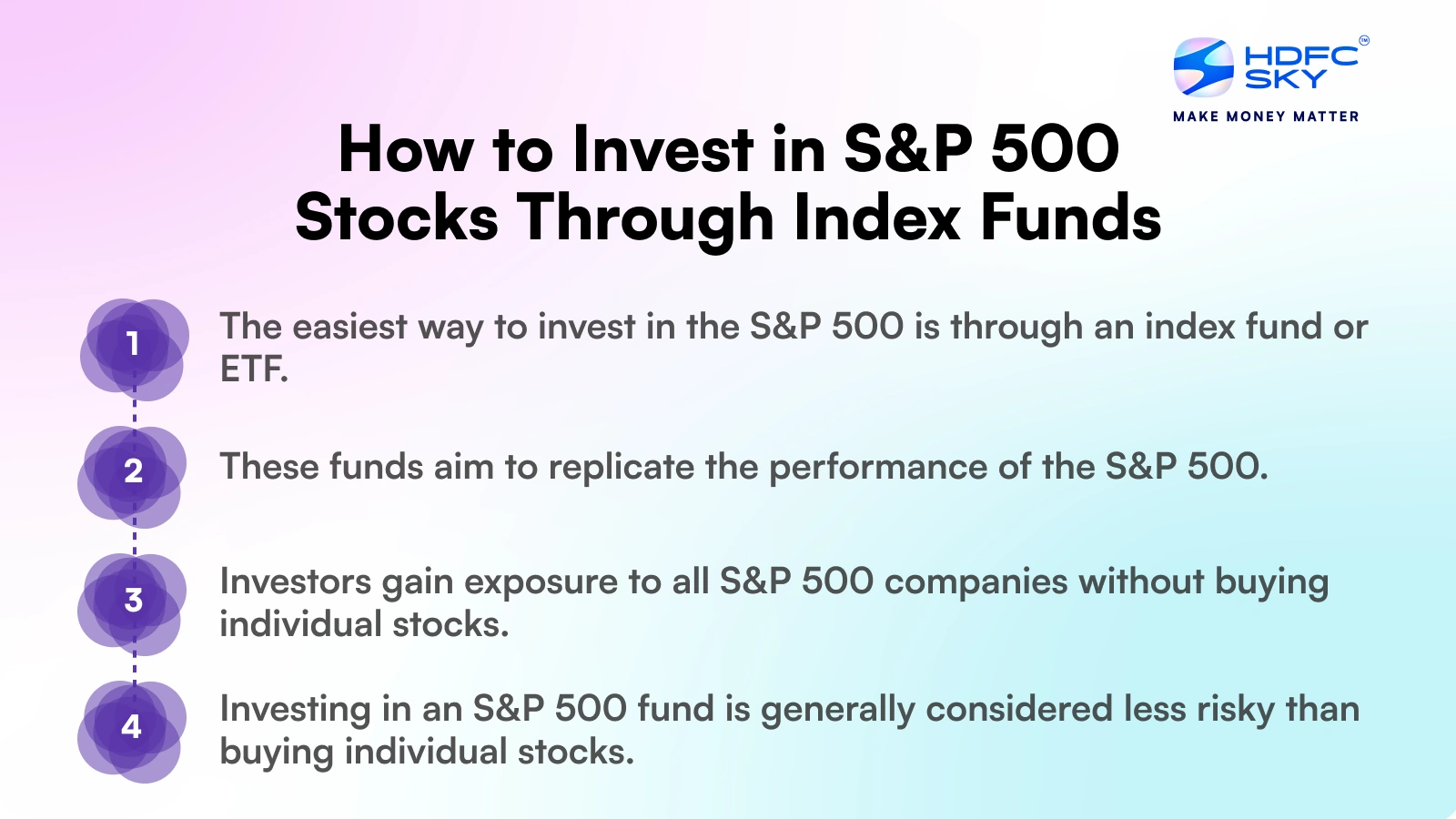
With your account established and your investment vehicle chosen, the final steps are funding your account and making your purchase.
- Fund Your Account: You can typically fund your brokerage account via electronic bank transfer (ACH), wire transfer, or by mailing a check. Set up recurring transfers if you plan to dollar-cost average.
- Place Your Order (ETFs): If investing in an ETF, search for its ticker symbol (e.g., SPY, IVV, VOO) on your brokerage platform. Specify the number of shares you wish to buy and the order type (e.g., market order for immediate execution, limit order to set a maximum price).
- Place Your Order (Index Funds): For an index mutual fund, search for its name or ticker (e.g., VFIAX, FXAIX). You will typically invest a dollar amount rather than a number of shares. Your order will be processed at the fund’s NAV at the end of the trading day.
- Dollar-Cost Averaging: Consider implementing a dollar-cost averaging strategy. This involves investing a fixed amount of money at regular intervals (e.g., monthly). This strategy helps reduce risk by averaging out your purchase price over time, as you buy more shares when prices are low and fewer when prices are high.
Key Considerations for S&P 500 Investors
While investing in the S&P 500 is relatively straightforward, a few critical considerations can significantly impact your long-term success.
Understanding Risks and Volatility
Despite its historical performance, the S&P 500 is not without risk. Stock market investments are subject to fluctuations.
- Market Risk: The value of your investment can go down as well as up. Economic downturns, geopolitical events, and company-specific news can all impact the overall market.
- Short-Term Volatility: While the S&P 500 tends to trend upwards over the long term, it can experience significant short-term volatility. Be prepared for periods where your portfolio value may decline.
- No Guarantees: Past performance is not an indicator of future results. There’s no guarantee that the S&P 500 will continue to deliver the same returns it has in the past.
The key to mitigating these risks is a long-term perspective and diversification beyond just the S&P 500, if appropriate for your overall financial plan.
Long-Term vs. Short-Term Strategy
The S&P 500 is predominantly a long-term investment vehicle.
- Long-Term Growth: For investors with a time horizon of 10 years or more, the S&P 500 has proven to be an excellent tool for wealth accumulation due to the power of compound interest and its ability to recover from downturns.
- Avoid Market Timing: Trying to predict market tops and bottoms is notoriously difficult and often leads to worse returns than simply staying invested. Dollar-cost averaging and maintaining a consistent investment strategy are generally more effective.
- Compounding Returns: The magic of compounding means that your earnings start earning returns themselves. The longer your money is invested, the more potent this effect becomes, making early and consistent investment in the S&P 500 a powerful strategy.
Fees and Expense Ratios
Fees, even small ones, can significantly erode your returns over time.
- Expense Ratio: This is the annual fee charged by the fund (ETF or mutual fund) as a percentage of your total investment. For S&P 500 index funds and ETFs, look for expense ratios below 0.10%, ideally closer to 0.03% to 0.05%.
- Trading Commissions: Many brokerages now offer commission-free trading for most ETFs and mutual funds. Ensure your chosen brokerage doesn’t impose unnecessary fees.
- Other Fees: Be aware of any potential account maintenance fees, transfer fees, or early redemption fees (though these are rare for passively managed index funds). Always read the fund’s prospectus.
Rebalancing and Portfolio Management
While S&P 500 investments are relatively hands-off, periodic review and rebalancing are still important.
- Periodic Review: Annually, review your portfolio’s asset allocation to ensure it still aligns with your financial goals and risk tolerance.
- Rebalancing: Over time, different parts of your portfolio will grow at different rates. If the S&P 500 portion of your portfolio grows significantly and now represents a larger percentage than you intended, you might consider selling some shares and reallocating to other asset classes (e.g., bonds, international stocks) to bring your portfolio back to your target allocation. Conversely, if it shrinks, you might add to it.
- Stay Informed: While you don’t need to track daily market movements, staying generally informed about economic trends and major market shifts can help you make informed decisions about your overall financial plan.
Beyond the Basics: Advanced Strategies and Tax Implications
As you grow more comfortable with S&P 500 investing, you might explore more nuanced approaches and understand the tax implications.
Tax-Advantaged Accounts
Investing in the S&P 500 within tax-advantaged accounts can significantly boost your net returns.
- IRAs (Traditional & Roth): These individual retirement accounts offer tax benefits – either tax-deductible contributions (Traditional) or tax-free withdrawals in retirement (Roth). Maxing out these accounts is often a primary strategy for long-term S&P 500 investors.
- 401(k) and 403(b): Employer-sponsored retirement plans are excellent vehicles. Many offer S&P 500 index funds as investment options. Employer matching contributions are essentially free money, making these accounts incredibly powerful.
- Taxable Brokerage Accounts: For investments beyond your tax-advantaged limits, a regular taxable brokerage account is used. S&P 500 ETFs are generally more tax-efficient in these accounts due to their structure, which often results in fewer capital gains distributions compared to traditional mutual funds.
The Role of the S&P 500 in a Diversified Portfolio
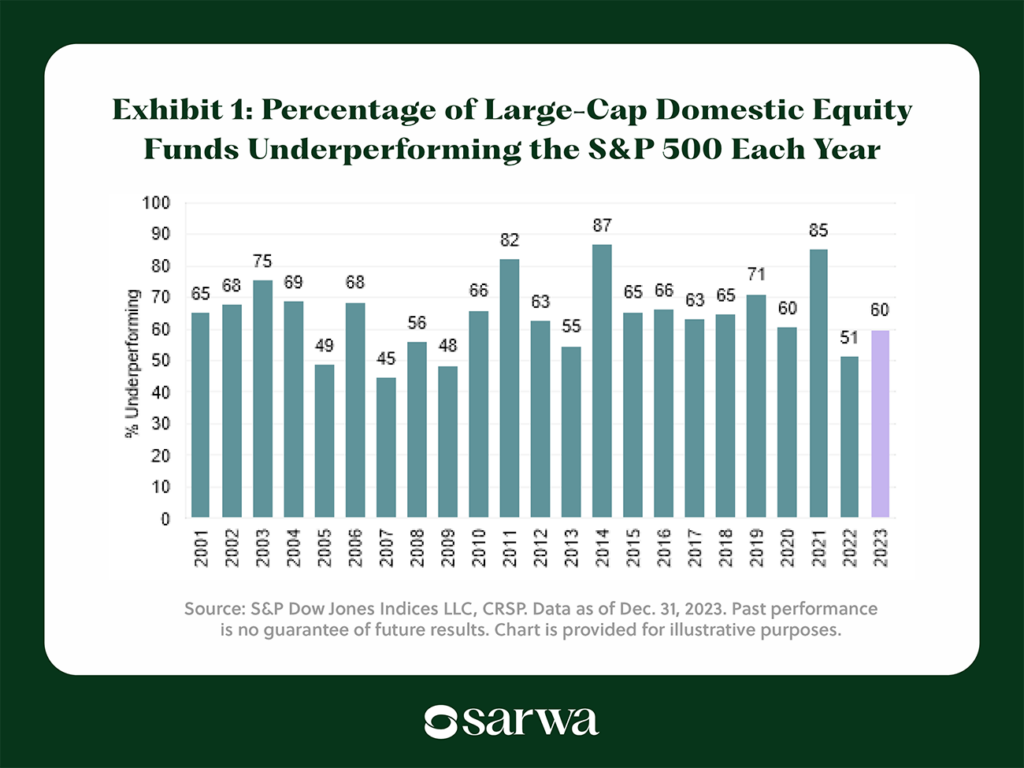
While the S&P 500 offers significant diversification within U.S. large-cap stocks, it shouldn’t necessarily be your only investment.
- Global Diversification: Consider adding international stock market exposure (e.g., through an international index fund or ETF) to further diversify beyond just the U.S. economy.
- Bonds: For a more conservative portfolio, especially as you approach retirement, incorporating bond funds can help reduce overall portfolio volatility.
- Small-Cap and Mid-Cap Exposure: While the S&P 500 focuses on large-cap companies, adding exposure to smaller and mid-sized companies can offer additional growth potential, though often with higher volatility.
Investing in the S&P 500 is a proven strategy for building long-term wealth. By understanding what it represents, choosing the right investment vehicle, and adhering to sound financial principles like diversification, low costs, and a long-term perspective, you can effectively harness the power of America’s leading companies to achieve your financial goals. Always conduct your due diligence and consider consulting a financial advisor to tailor an investment strategy that perfectly fits your individual circumstances and objectives.
aViewFromTheCave is a participant in the Amazon Services LLC Associates Program, an affiliate advertising program designed to provide a means for sites to earn advertising fees by advertising and linking to Amazon.com. Amazon, the Amazon logo, AmazonSupply, and the AmazonSupply logo are trademarks of Amazon.com, Inc. or its affiliates. As an Amazon Associate we earn affiliate commissions from qualifying purchases.