
Investing in small companies offers a unique blend of potential for explosive growth and inherent risks that larger, more established firms may not present. For astute investors seeking to diversify their portfolios and tap into burgeoning sectors, understanding the nuances of small-cap investments is paramount. While the allure of discovering the next market-disrupting unicorn is strong, a measured, research-driven approach is essential to navigate this dynamic segment of the market successfully. This guide delves into the various facets of investing in small companies, outlining the opportunities, challenges, and strategic approaches that can help cultivate a robust and rewarding investment journey.
Why Consider Investing in Small Companies?
The appeal of small companies lies in their potential to deliver outsized returns compared to their larger counterparts. This segment of the market is often overlooked by institutional investors, creating fertile ground for individual investors willing to do their homework.
Potential for High Growth
Small companies, by their very nature, start from a lower revenue and market capitalization base. This provides a significant runway for growth. A relatively small increase in sales or market penetration can translate into substantial percentage gains for investors. Many small companies operate in niche markets or emerging industries, positioning them to capitalize on new trends and technologies before they become mainstream. They are often unburdened by legacy systems or bureaucratic inertia, allowing them to innovate rapidly and adapt to changing market conditions with greater agility.
Innovation and Agility
One of the defining characteristics of small companies is their capacity for innovation. Without the extensive overhead and layers of management typical of large corporations, small businesses can often pivot quickly, experiment with new ideas, and bring products or services to market with remarkable speed. This agility allows them to respond to customer needs and competitive pressures more effectively, potentially gaining a first-mover advantage in emerging sectors. Investing in these innovative firms can mean supporting the very companies that are shaping the future of various industries.
Market Inefficiency and Value Opportunities
The small-cap market is often less efficiently priced than the large-cap market. This means that extensive analyst coverage and institutional trading tend to be less prevalent. For diligent investors, this inefficiency presents an opportunity to uncover undervalued gems that the broader market may have overlooked. Through thorough research and fundamental analysis, it’s possible to identify companies whose intrinsic value is not yet reflected in their stock price, offering significant upside potential as the market eventually recognizes their true worth.
Understanding the Risks and Challenges
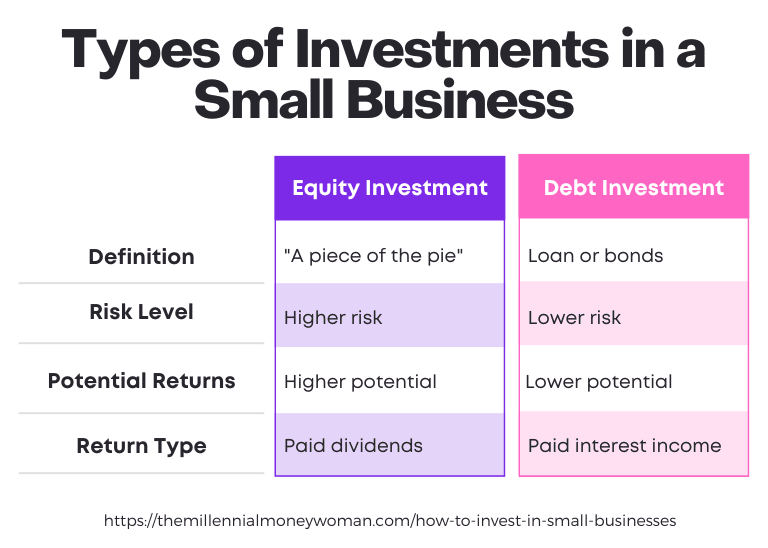
While the potential rewards of investing in small companies are enticing, it’s crucial to approach this market segment with a clear understanding of its inherent risks. The very factors that contribute to their growth potential can also amplify their volatility and vulnerability.
Higher Volatility
Small companies often experience greater price fluctuations than large, established firms. Their stock prices can react more dramatically to news, market sentiment, or economic shifts. This increased volatility stems from factors like lower trading volumes, fewer outstanding shares, and sometimes a less diverse customer base or product offering. Investors must be prepared for more significant swings in their portfolio value and possess the conviction to hold through periods of turbulence.
Limited Liquidity
Many small-cap stocks, especially those on less prominent exchanges or thinly traded, suffer from limited liquidity. This means there may not be enough buyers or sellers at any given time to easily execute large orders without impacting the stock price. It can be challenging to buy or sell significant blocks of shares quickly without causing a substantial price movement, which can be problematic for investors needing to liquidate their positions rapidly.
Less Public Information
Unlike large corporations that are subject to extensive reporting requirements and analyst scrutiny, small companies often provide less public information. Their financial statements might be less detailed, and they may not have the same level of investor relations support. This scarcity of data can make comprehensive due diligence more challenging, requiring investors to dig deeper and rely more on their own analytical capabilities to assess the company’s health and prospects.
Business Failure Risk
Small companies, especially startups and those in competitive industries, face a higher risk of business failure. They may have limited access to capital, face intense competition from larger players, or struggle with scaling operations. A single misstep, an economic downturn, or a sudden change in market preferences can have a disproportionately large impact on a small company, potentially leading to bankruptcy and a complete loss of investment.
Different Avenues for Investing in Small Companies
Navigating the small-cap landscape requires knowledge of the various investment vehicles available. Each avenue presents different levels of involvement, diversification, and risk.

Small-Cap Stocks (Publicly Traded)
The most direct way to invest in small companies is through purchasing their shares on public stock exchanges.
Individual Stock Picking
This approach involves researching and selecting individual small-cap companies to invest in. It demands significant time, effort, and expertise in fundamental analysis. Investors need to pore over financial statements, understand business models, assess management teams, and evaluate competitive landscapes. While offering the highest potential for reward from identifying undervalued gems, it also carries the highest risk due to lack of diversification and potential for misjudgment.
Small-Cap ETFs and Mutual Funds
For investors who prefer diversification and professional management, Small-Cap Exchange Traded Funds (ETFs) and mutual funds are excellent options. These funds pool money from multiple investors to buy a basket of small-company stocks. This provides instant diversification, reducing the impact of any single stock’s poor performance. Fund managers conduct the research and make investment decisions, making it a more hands-off approach. They often track specific small-cap indexes (e.g., Russell 2000, S&P SmallCap 600) or employ active strategies to outperform the market.
Private Equity and Venture Capital
Beyond publicly traded companies, opportunities exist in the private market, often targeting even earlier-stage companies. These avenues are typically higher risk but offer potentially exponential returns.
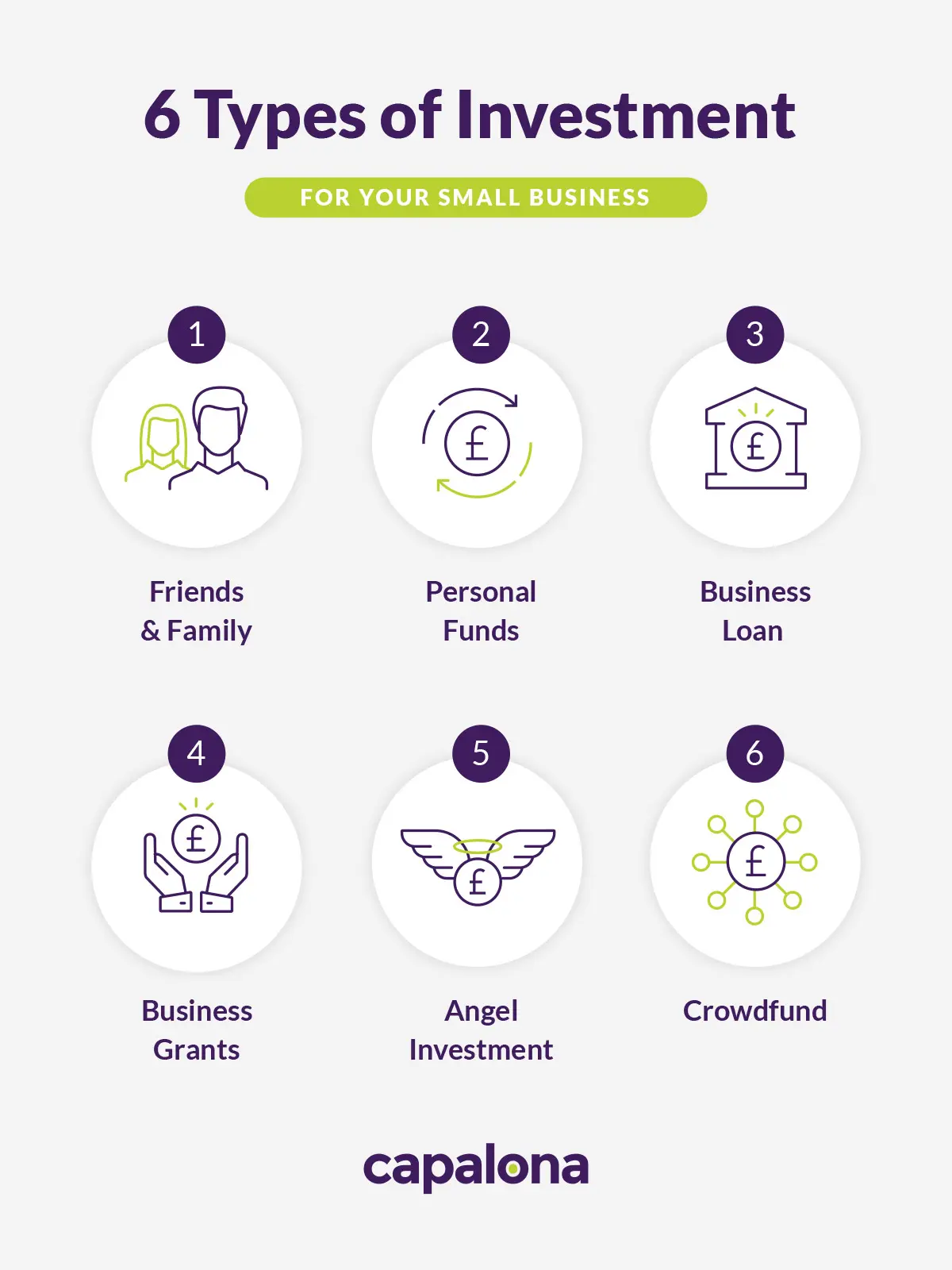
Angel Investing
Angel investors are individuals who provide capital for startup businesses, usually in exchange for convertible debt or ownership equity. This is often an early-stage investment, preceding venture capital funding. Angel investing is highly risky, as most startups fail, but successful investments can yield significant returns. It typically requires substantial capital and direct involvement or networking to find suitable opportunities.
Crowdfunding Platforms
Equity crowdfunding platforms (e.g., Republic, StartEngine, SeedInvest) have democratized private investing, allowing non-accredited investors to invest smaller amounts directly into startups and private companies. These platforms list various companies seeking capital, providing investors with pitch decks, financial information, and often a minimum investment as low as $100. While offering access, due diligence is still critical, and investments are highly illiquid.
Private Equity Funds (Accredited Investors)
These funds pool capital from accredited investors (individuals or institutions meeting specific income/net worth criteria) to invest in private companies, often with the intent of improving operations and selling them for a profit later. This typically involves larger capital commitments and longer lock-up periods, making it suitable for sophisticated investors with a high-risk tolerance and a long-term horizon.
Direct Investment in Local Businesses
While not a traditional stock market investment, direct investment in local small businesses through personal loans, equity stakes, or partnerships can also be a way to invest in small companies. This is often driven by community ties or personal entrepreneurial interests and typically involves a deep understanding of the local market and the specific business.
Key Due Diligence and Research Considerations
Regardless of the chosen avenue, thorough due diligence is the cornerstone of successful small-company investing. Given the limited information often available, an investor’s research must be meticulous and comprehensive.
Evaluate Management Team and Business Model
The quality of a small company’s management team is often a stronger indicator of future success than in larger corporations. Look for experienced leaders with a proven track record, clear vision, and strong execution capabilities. Understand their incentives and alignment with shareholders. Furthermore, scrutinize the business model: Is it sustainable? Does it have a competitive advantage (a moat)? Is there a clear path to profitability and scalability?
Analyze Financial Health and Growth Potential
Delve into the company’s financial statements. Examine revenue growth, profit margins, cash flow, debt levels, and burn rate (for startups). Understand how they generate revenue and manage expenses. Assess their balance sheet for liquidity and solvency. Projecting future growth requires understanding their market opportunity, competitive landscape, and product pipeline. Be wary of companies with unsustainable debt or an inability to generate positive cash flow.
Understand Competitive Landscape and Market Opportunity
Who are the company’s competitors? What are their strengths and weaknesses? How does the company differentiate itself? A strong understanding of the industry dynamics and the company’s position within it is crucial. Equally important is assessing the total addressable market (TAM). Is the market large enough to support significant growth? Are there any looming threats or regulatory changes that could impact the company’s prospects?
Assess Valuation
Valuation is particularly challenging for small companies due to their growth potential and often limited earnings. Common valuation metrics like Price-to-Earnings (P/E) ratios might appear high if the company is growing rapidly or not yet profitable. Consider other metrics such as Price-to-Sales (P/S), Enterprise Value to EBITDA (EV/EBITDA), or discounted cash flow (DCF) models, always adjusting for growth prospects and risk. Compare the valuation to peers in the industry, if comparable companies exist.
Strategies for Successful Small Company Investing
A disciplined and strategic approach is vital for mitigating risks and maximizing returns when investing in small companies.
Diversification is Crucial
Given the inherent volatility and failure risk, diversification is arguably even more critical in small-cap investing than in large-cap. Do not put all your eggs in one basket. Spread your investments across multiple small companies, different industries, and even different types of small-cap investments (e.g., a mix of individual stocks and ETFs). This strategy helps cushion the blow if one or more of your investments underperform or fail.
Long-Term Horizon
Small companies often take time to mature and realize their full potential. Impatient investors who seek quick profits may be disappointed. Adopting a long-term investment horizon (5-10+ years) allows companies ample time to execute their growth strategies, overcome initial hurdles, and for their value to be recognized by the market. This approach also helps smooth out the effects of short-term market volatility.
Start Small and Scale Up
If you are new to small-cap investing, begin with a modest portion of your portfolio. As you gain experience, develop your research skills, and become more comfortable with the market segment’s dynamics, you can gradually increase your allocation. This phased approach allows you to learn from smaller mistakes before committing substantial capital.
Stay Informed and Adapt
The small-cap landscape is constantly evolving. New companies emerge, technologies shift, and competitive dynamics change rapidly. Regularly monitor the performance of your investments, keep abreast of industry news, and reassess your initial investment thesis. Be prepared to adapt your strategy, cut losses on underperforming investments, and redeploy capital into more promising opportunities. This proactive engagement is key to navigating the fast-paced small company environment.
Investing in small companies can be an incredibly rewarding venture for those willing to commit the time and effort required for thorough research and a disciplined strategy. While the risks are undeniable, the potential to identify groundbreaking businesses and participate in their early growth phases offers a unique path to significant wealth creation. By understanding the distinct characteristics of this market, performing diligent research, and adopting a diversified, long-term approach, investors can harness the power of small companies to enrich their financial future.
aViewFromTheCave is a participant in the Amazon Services LLC Associates Program, an affiliate advertising program designed to provide a means for sites to earn advertising fees by advertising and linking to Amazon.com. Amazon, the Amazon logo, AmazonSupply, and the AmazonSupply logo are trademarks of Amazon.com, Inc. or its affiliates. As an Amazon Associate we earn affiliate commissions from qualifying purchases.