
Investing in small businesses offers a unique blend of opportunity and risk, providing a pathway to potentially significant returns while simultaneously contributing to local economies and fostering entrepreneurial growth. Unlike public market investments, which often involve vast, impersonal corporations, small business investing allows for a more direct connection to the ventures you support. This deep dive will explore the landscape of small business investment, outlining the various avenues available, the due diligence required, and the strategic considerations to bear in mind for a successful venture.
Understanding the Landscape of Small Business Investment
The allure of small business investment lies in its potential for exponential growth and the satisfaction of being part of a tangible success story. However, it’s a domain that demands careful consideration, as the risks can be as substantial as the rewards. Investors must navigate a less liquid market, often with fewer established metrics, requiring a more hands-on approach to evaluation.

Why Invest in Small Businesses?
The motivations for investing in small businesses are diverse. For many, it’s the opportunity to achieve higher returns than traditional investments, particularly if the business experiences rapid growth or a successful exit strategy. Beyond financial gains, there’s the appeal of impact investing – supporting local communities, fostering job creation, and backing innovative ideas that might otherwise struggle to secure funding. Small businesses are often the engines of local economies, and investing in them can yield both personal profit and societal benefit.
Moreover, small businesses can offer diversification to an investment portfolio. Their performance is often less correlated with the broader stock market, providing a hedge against market volatility. For accredited investors, some small business investments can also provide tax advantages, depending on the structure and nature of the investment.
The Inherent Risks and Rewards
Investing in small businesses is not without its perils. The failure rate for startups and small enterprises is notoriously high, and a significant portion of these businesses never achieve profitability. Illiquidity is a major concern; unlike publicly traded stocks, it can be extremely difficult to sell your stake in a small business quickly if you need to access your capital. Valuation can also be challenging, as small businesses often lack extensive financial history or comparable market data.
On the flip side, the rewards can be substantial. Successful small businesses can generate outsized returns, especially if you invest early and the company scales effectively. There’s also the potential for a deeper level of engagement than in public markets, allowing investors to contribute not just capital but also expertise, connections, and strategic guidance, potentially increasing the likelihood of success. The satisfaction of helping an entrepreneur bring their vision to life, and profiting from that journey, is a significant non-monetary reward.
Pathways to Investing in Small Businesses
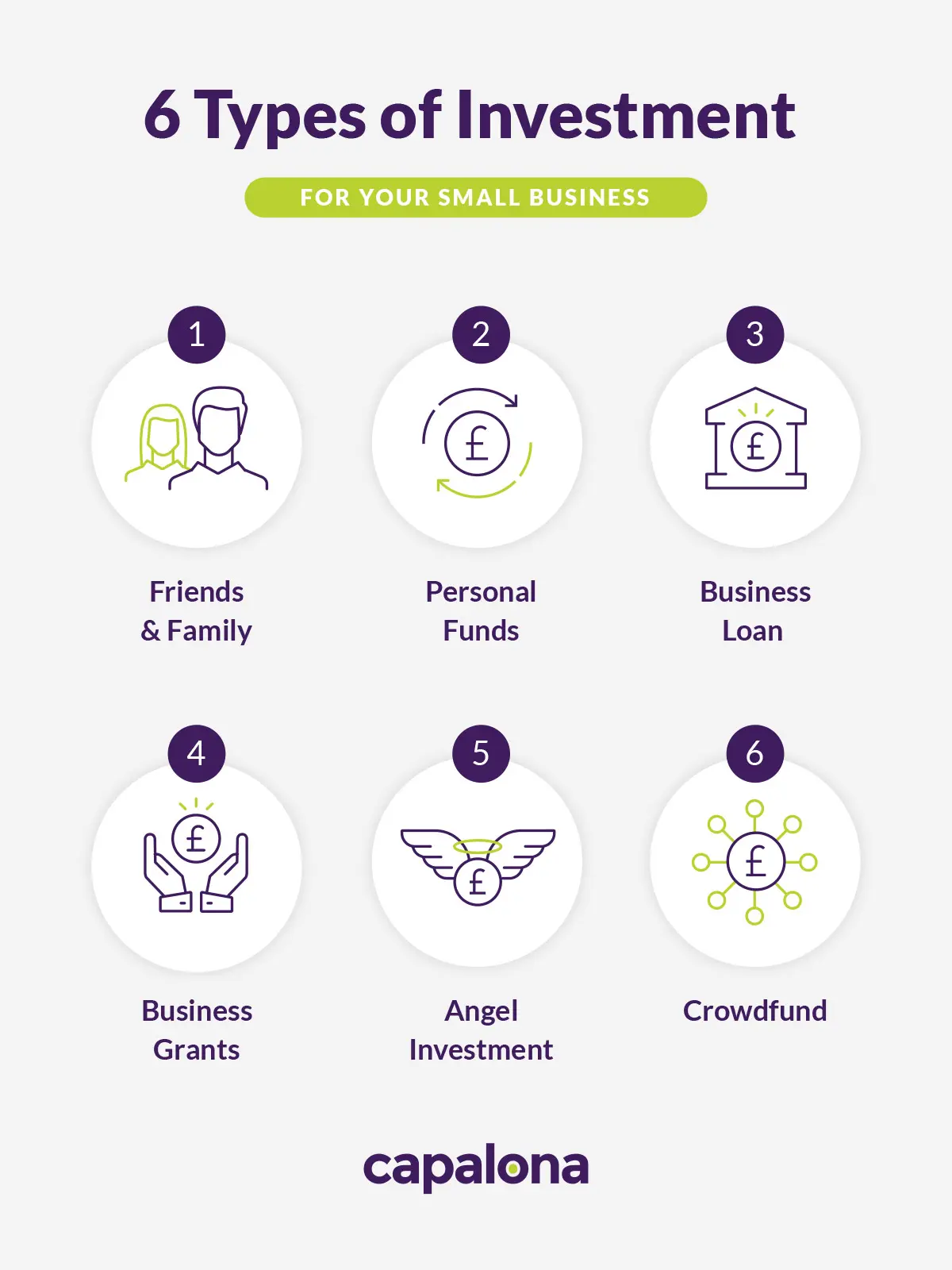
The avenues for investing in small businesses have expanded significantly beyond traditional angel investing, thanks to regulatory changes and technological advancements. Understanding these different pathways is crucial for aligning your investment strategy with your risk tolerance and financial goals.
Direct Equity Investment (Angel Investing & Venture Capital)
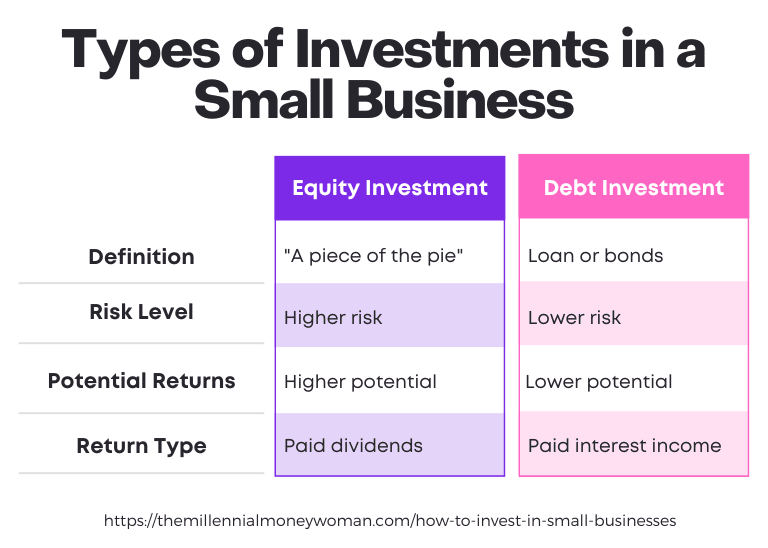
Direct equity investment involves purchasing a share of ownership in a small business. This is the most common form of small business investment, often associated with angel investors and venture capitalists (VCs). Angel investors are typically affluent individuals who provide capital for startups, usually in exchange for convertible debt or ownership equity. They often bring not only money but also mentorship and industry connections. Venture capitalists, on the other hand, manage funds from institutional investors and high-net-worth individuals, investing in companies with high growth potential, usually at later stages than angels.
For individual investors, becoming an angel investor requires significant capital, a deep understanding of business, and a network to find promising opportunities. This path offers the highest potential for return and influence but also carries the greatest risk and demands the most hands-on involvement.
Debt Financing (Loans & Revenue-Based Financing)
Another way to invest is through debt financing, where you lend money to a small business with the expectation of repayment plus interest. This can take several forms:
- Direct Loans: You might lend money directly to a business, often secured by assets or personal guarantees from the business owner. This is common in private lending scenarios.
- Peer-to-Peer (P2P) Lending Platforms: Online platforms connect individual lenders with small businesses seeking loans. These platforms diversify risk by allowing you to invest small amounts in multiple loans.
- Revenue-Based Financing (RBF): In RBF, investors provide capital in exchange for a percentage of the company’s future revenue until a specified multiple of the initial investment is repaid. This can be attractive for businesses with predictable revenue streams and for investors seeking a less dilutive alternative to equity.
Debt financing generally offers lower potential returns than equity but also lower risk, as debt holders are typically paid back before equity holders in case of liquidation.
Crowdfunding Platforms
Crowdfunding has democratized small business investment, allowing a broader range of individuals to participate. There are primarily two types relevant to investing:
- Equity Crowdfunding: Platforms like SeedInvest or StartEngine allow non-accredited investors (with certain limitations) to buy equity stakes in startups and small businesses. This opens up opportunities previously reserved for angels and VCs, but investors must be mindful of the regulatory complexities and the early-stage nature of many of these ventures.
- Debt Crowdfunding/Lending Platforms: Similar to P2P lending, these platforms facilitate loans to small businesses from a pool of individual investors. Kabbage and Funding Circle are examples, though they might focus more on institutional lenders for direct loans, there are platforms enabling individual participation.
Crowdfunding provides accessibility and diversification, allowing investors to spread smaller amounts across multiple businesses. However, it also means less individual control and often less access to detailed financial information than direct investing.
Conducting Due Diligence: Mitigating Investment Risks
Thorough due diligence is paramount when considering an investment in a small business. Unlike public companies, small businesses often have less transparent financials and operations. Your ability to uncover and evaluate potential red flags can make or break your investment.
Evaluating the Business Plan and Market Opportunity
A robust business plan is the foundation of a promising small business. It should clearly articulate the problem the business solves, its target market, competitive advantages, and a clear strategy for growth and profitability. Investors must critically assess:
- Market Size and Growth Potential: Is the target market large enough to support the business’s ambitions? Is the market growing, stagnant, or shrinking?
- Competitive Landscape: Who are the competitors? What is the business’s unique selling proposition (USP)? How sustainable is its competitive advantage?
- Scalability: Can the business model be expanded without disproportionate increases in cost?
- Exit Strategy: What is the potential path for investors to realize a return on their investment (e.g., acquisition, IPO, dividend payouts)?
A well-researched and realistic business plan indicates a thoughtful entrepreneur, while vague or overly optimistic projections should raise concerns.
Assessing the Management Team
Perhaps the most critical factor in a small business’s success is its management team. A brilliant idea with a weak team is far less likely to succeed than a good idea with an exceptional team. Investors should evaluate:
- Experience and Expertise: Does the team have the relevant industry experience, operational knowledge, and leadership skills?
- Track Record: Have they successfully launched or managed businesses before?
- Passion and Commitment: Are they deeply committed to the business’s success, willing to overcome challenges, and resilient in the face of setbacks?
- Complementary Skills: Does the team possess a diverse set of skills necessary for all aspects of the business (e.g., marketing, finance, operations, technology)?
- Integrity and Trustworthiness: This is foundational. You’re entrusting your capital to these individuals.
Meeting the team, understanding their vision, and assessing their character are vital steps. Look for founders who are coachable, transparent, and realistic about challenges.
Analyzing Financials and Legal Structure
A deep dive into the business’s financial health and legal standing is non-negotiable. This includes reviewing historical financial statements (if available), projections, and understanding the legal framework.
- Historical Financials: Examine income statements, balance sheets, and cash flow statements. Look for consistent revenue growth, healthy profit margins, manageable debt levels, and positive cash flow. Be wary of businesses with inconsistent or opaque financial records.
- Financial Projections: Evaluate the assumptions behind future financial forecasts. Are they realistic and achievable? What are the key drivers of revenue and expenses? Conduct sensitivity analysis to understand how changes in assumptions impact profitability.
- Valuation: How is the business being valued? Is the asking price reasonable given its current performance, future potential, and comparable transactions (if any)? This is often the most subjective and challenging part of small business investment.
- Legal Structure and Documentation: Understand the business’s legal entity (e.g., LLC, C-Corp, S-Corp), ownership structure, and any existing shareholder agreements. Review all legal documents related to the investment, including term sheets, loan agreements, and intellectual property registrations. Ensure all necessary permits and licenses are in place.
- Debt and Liabilities: Identify all existing debts, contingent liabilities, and any outstanding legal claims against the business.
Consider engaging a financial advisor or an attorney specializing in small business transactions to assist with this complex but crucial stage of due diligence.
Strategic Considerations for Small Business Investors
Beyond the initial investment, successful small business investing requires a long-term perspective and a clear strategy for engagement and exit.
Diversification and Portfolio Strategy
Just as with public market investing, diversification is key to mitigating risk in small business investments. Avoid putting all your capital into a single venture, no matter how promising it seems. Instead, build a portfolio of investments across different industries, business models, and stages of development. This approach increases your chances of having a winning investment offset potential losses from others. Define your overall investment strategy, including your risk tolerance, desired return, and time horizon.
Active vs. Passive Investment
Decide on your desired level of involvement. Some investors prefer a passive role, providing capital and trusting the management team to execute. Others prefer an active role, offering mentorship, joining advisory boards, or even taking an operational position. Active involvement can increase the likelihood of success by providing valuable guidance and oversight, but it also demands a significant time commitment. Clearly define your role and expectations with the business owners upfront.
Exit Strategies and Liquidity
Before investing, have a clear understanding of the potential exit strategies and how you might eventually liquidate your investment. Unlike publicly traded stocks, there isn’t an open market to sell your shares in a small business. Common exit strategies include:
- Acquisition: The business is acquired by a larger company.
- Secondary Sale: Another investor or the founders buy out your stake.
- Dividend Payouts: The business generates consistent profits and distributes them to shareholders.
- Initial Public Offering (IPO): While rare for small businesses, some grow to a size where they can go public.
The timeframe for an exit can be several years, often 5-10 years or more. Be prepared for this illiquidity and factor it into your financial planning.
Investing in small businesses is an exciting and potentially lucrative endeavor that requires patience, thorough research, and a strategic mindset. By understanding the diverse pathways available, meticulously conducting due diligence, and adopting a prudent portfolio approach, investors can not only realize significant financial returns but also play a vital role in nurturing the growth of innovative enterprises and strengthening the economy.
aViewFromTheCave is a participant in the Amazon Services LLC Associates Program, an affiliate advertising program designed to provide a means for sites to earn advertising fees by advertising and linking to Amazon.com. Amazon, the Amazon logo, AmazonSupply, and the AmazonSupply logo are trademarks of Amazon.com, Inc. or its affiliates. As an Amazon Associate we earn affiliate commissions from qualifying purchases.