
The dream of financial freedom often conjures images of income flowing in without the daily grind – a concept perfectly embodied by passive income. While many avenues promise this elusive goal, real estate has historically stood out as a robust and tangible path. Investing in real estate for passive income isn’t merely about buying a property; it’s a strategic endeavor that, when executed thoughtfully, can provide a consistent stream of earnings, build long-term wealth, and offer a powerful hedge against inflation. This guide delves into the various strategies, considerations, and opportunities available for individuals looking to harness the power of real estate to achieve their passive income aspirations.
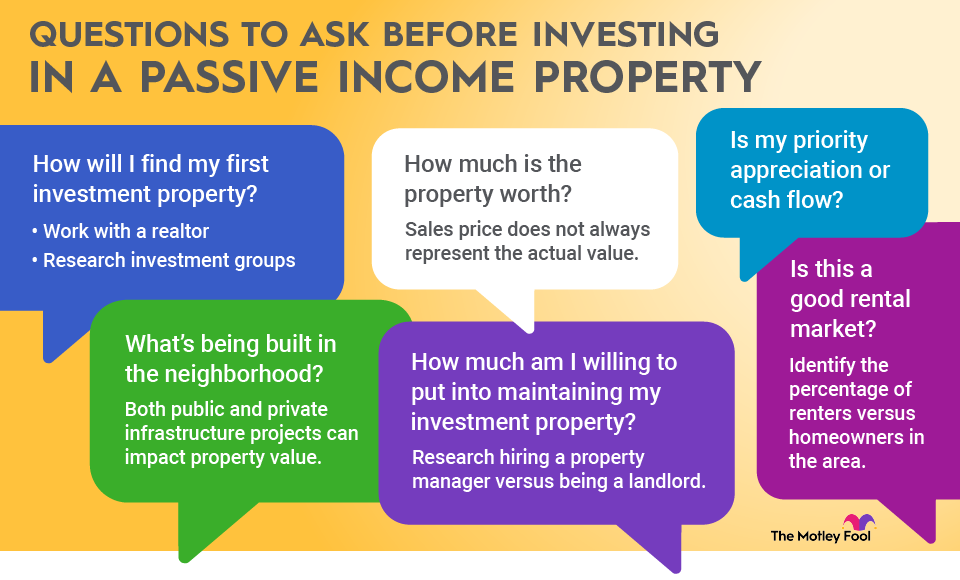
At its core, passive income is money earned regularly with minimal ongoing effort. Real estate, unlike many other investment vehicles, offers multiple layers through which this passive income can be generated. From rental yields to capital appreciation, and through both direct and indirect ownership, the real estate market presents a diverse landscape for investors willing to learn and adapt. The journey to building a passive income portfolio through real estate requires an understanding of different investment vehicles, meticulous due diligence, and a long-term perspective.
The Foundation: Understanding Passive Income through Real Estate
Before diving into specific strategies, it’s crucial to grasp why real estate is such a compelling asset class for passive income generation. It offers a unique combination of income stability, wealth appreciation, and tangible control that few other investments can match.
What Constitutes Passive Income in Real Estate?
Passive income, as defined by the IRS, often involves activities where you don’t materially participate. In real estate, this typically translates to income derived from rental properties where a property manager handles day-to-day operations, or through investments in funds or companies that manage the properties on your behalf. The key is to minimize active involvement while still reaping financial benefits. This distinguishes it from “active” real estate activities like house flipping, which, while profitable, demands significant time and effort.
Why Real Estate Shines for Passive Income
Real estate’s appeal for passive income stems from several inherent characteristics. Firstly, it’s a tangible asset that people always need, whether for living, working, or commerce. This fundamental demand underpins its value. Secondly, real estate offers multiple income streams: rental income (cash flow), property appreciation, and potential tax benefits. Rental income provides a regular, predictable cash flow, which is the cornerstone of passive income. Appreciation, while not immediately liquid, builds equity over time, increasing your net worth. Lastly, the ability to leverage (using borrowed money to finance an investment) can significantly amplify returns, making real estate an accessible wealth-building tool even for those with limited capital.
Key Benefits: Cash Flow, Appreciation, and Tax Advantages
- Consistent Cash Flow: This is the most direct form of passive income, generated from collecting rent from tenants. A well-chosen property in a desirable location can provide a steady stream of income that covers expenses and leaves a profit.
- Long-Term Appreciation: Over time, real estate tends to increase in value. While market fluctuations are inevitable, historical data suggests a consistent upward trend in property values, contributing to significant wealth growth.
- Tax Benefits: Real estate investors can often take advantage of depreciation deductions, which can offset rental income and reduce taxable income. Other potential benefits include deductions for mortgage interest, property taxes, and operating expenses.
- Inflation Hedge: Real estate often performs well during periods of inflation, as property values and rental income tend to rise with the cost of living, protecting purchasing power.
- Leverage: The ability to purchase a significant asset with a relatively small down payment (using a mortgage) allows investors to control a larger asset and benefit from appreciation on the entire property value, not just their initial investment.
Direct Real Estate Investment Strategies for Passive Income
Direct investment involves owning physical property, giving you more control but potentially requiring more active management, unless outsourced. These methods are typically more capital-intensive but can offer higher returns and greater personal satisfaction.
Residential Rental Properties
This is perhaps the most common and intuitive way to invest in real estate for passive income. It involves purchasing single-family homes, duplexes, multi-family units, or apartments and renting them out to tenants.
- Long-Term Rentals: The classic approach. You find tenants, sign a lease (typically 12 months), and collect monthly rent. For truly passive income, you would hire a property management company to handle tenant screening, maintenance, and rent collection, often for a percentage of the monthly rent (e.g., 8-12%).
- Short-Term Rentals (e.g., Airbnb, VRBO): This involves renting out properties on a nightly or weekly basis, often to tourists or business travelers. While potentially generating higher income, it also requires more active management (cleaning, check-ins, dynamic pricing) unless a specialized short-term rental management service is used. This strategy is also highly sensitive to local regulations and tourism trends.
Commercial Real Estate
Investing in commercial properties like office buildings, retail spaces, industrial warehouses, or even specialized properties like self-storage units can yield substantial passive income. Commercial leases are often longer (5-10+ years), providing greater stability, and tenants typically bear more of the operating expenses (triple net leases). However, commercial real estate usually requires significantly more capital and a deeper understanding of market dynamics.
House Hacking
This strategy involves buying a multi-unit property (duplex, triplex, fourplex) and living in one unit while renting out the others. Or, buying a single-family home and renting out spare rooms. This significantly reduces your personal housing expenses, with tenants’ rent potentially covering or exceeding your mortgage, effectively allowing you to live for free or even generate a small profit. As you occupy a unit, financing options can be more favorable (e.g., FHA loans with low down payments). Over time, you can move out and rent your former unit, turning the entire property into a full-fledged passive income generator.
Indirect Real Estate Investment Strategies: The “Hands-Off” Approach
For those who prefer a more hands-off approach or have less capital for direct property purchases, indirect investment methods offer excellent pathways to passive real estate income. These options are often more liquid and diversified.
Real Estate Investment Trusts (REITs)
REITs are companies that own, operate, or finance income-producing real estate across a range of property sectors. They are often publicly traded on major stock exchanges, making them highly liquid and accessible, much like investing in stocks.
- Equity REITs: Own and operate income-producing real estate. They generate revenue primarily through rents, which they then distribute to shareholders as dividends. Examples include REITs focused on apartments, shopping malls, office buildings, data centers, or warehouses.
- Mortgage REITs (mREITs): Provide financing for income-producing real estate by purchasing or originating mortgages and mortgage-backed securities (MBSs). Their revenue is generated primarily from the net interest margin between the interest they earn on their assets and their funding costs.
REITs are legally required to distribute at least 90% of their taxable income to shareholders annually, making them a consistent source of dividend income, which is a perfect example of passive income.
Real Estate Crowdfunding Platforms
These platforms allow multiple investors to pool their money to invest in larger real estate projects (debt or equity) that would otherwise be inaccessible. It lowers the barrier to entry significantly, allowing individuals to invest in commercial properties, development projects, or even a portfolio of rental homes with much smaller capital commitments (sometimes as low as $500-$5,000).
- Debt-Based Crowdfunding: Investors lend money to real estate developers or owners and receive fixed interest payments, often secured by a mortgage on the property. This is similar to being a private lender.
- Equity-Based Crowdfunding: Investors purchase a share of ownership in a property or project and participate in its profits (e.g., rental income, appreciation, sale proceeds).
These platforms offer diversification across various projects, locations, and property types, and professional management typically handles all the operational aspects, making it highly passive for the investor.

Real Estate Syndications and Funds
Similar to crowdfunding but often involving larger, more sophisticated projects and sometimes requiring accredited investor status. A syndication involves a “sponsor” or “general partner” who finds, acquires, and manages a property, pooling capital from “limited partners” (investors). Investors receive a share of the rental income and profits from the eventual sale. Real estate funds operate similarly but typically manage a portfolio of properties. These options offer professional management and the ability to invest in large-scale projects without the burden of direct ownership.
Essential Considerations Before You Invest
No investment is without risk, and real estate is no exception. Successful passive income generation in real estate hinges on thorough preparation, astute decision-making, and an understanding of the inherent challenges.
Risk Assessment and Due Diligence
Every investment carries risk. In real estate, these include market downturns, vacancy risk, unexpected maintenance costs, interest rate fluctuations, and property specific issues. Thorough due diligence is paramount. This means scrutinizing the property’s financials, conducting professional inspections, evaluating the local market (demand, rental rates, comparable sales), and understanding all legal aspects. For indirect investments, this means researching the REIT, crowdfunding platform, or syndicator, examining their track record, fees, and the underlying assets.
Financing Options
Unless you’re paying cash, understanding financing is critical.
- Traditional Mortgages: For residential properties, conventional loans, FHA loans, or VA loans are common.
- Commercial Loans: For commercial properties, these typically involve higher down payments and shorter terms.
- Hard Money Loans & Private Lenders: Often used for short-term financing (e.g., fix-and-flip) due to higher interest rates but quicker approval.
- Portfolio Loans: For investors with multiple properties.
Understanding interest rates, loan terms, and your debt-to-income ratio is crucial for securing favorable financing that supports your passive income goals.
Market Research and Location Analysis
“Location, location, location” remains a timeless mantra in real estate. Investigate areas with strong economic fundamentals: job growth, population increase, good schools, low crime rates, and desirable amenities. Understand local rental demand, average rental rates, and property values. A thriving local economy generally translates to higher occupancy rates and potential for appreciation. This applies whether you’re buying a physical property or assessing the portfolio of a REIT or crowdfunding project.
Property Management: Self-Managed vs. Professional
For direct property investments, deciding on property management is a key factor in how “passive” your income truly is.
- Self-Management: You handle everything – tenant screening, rent collection, maintenance, emergencies. This saves management fees but requires significant time and effort, making it less passive. It’s often viable for local investors with only one or two properties.
- Professional Property Management: A property management company handles all operational aspects for a fee. This is essential for truly passive income, especially for out-of-state investors or those with multiple properties. They deal with tenant issues, repairs, and legal compliance, freeing up your time.
Legal and Tax Implications
Real estate investing comes with a web of legal and tax considerations. Understand landlord-tenant laws, zoning regulations, property taxes, capital gains taxes, and depreciation rules. Consulting with a real estate attorney and a tax professional (CPA) is highly recommended to ensure compliance, optimize your tax strategy, and protect your assets. Forming an LLC for your properties, for instance, can offer liability protection.
Building a Sustainable Passive Income Stream
Achieving lasting financial freedom through real estate is a marathon, not a sprint. It requires strategic planning, continuous learning, and a long-term perspective.
Diversification within Real Estate
Don’t put all your eggs in one basket. Diversify your real estate investments across different property types (residential, commercial), locations, and investment vehicles (e.g., direct rental properties, REITs, crowdfunding). This mitigates risk and provides stability even if one segment of the market experiences a downturn.
Reinvesting Profits
A powerful strategy for accelerating wealth growth is to reinvest your passive income. Instead of spending all your rental profits, use them to pay down mortgages faster, save for another down payment, or invest in new opportunities. This compounding effect can significantly increase your portfolio’s size and income-generating capacity over time.
Long-Term Vision and Patience
Real estate is not a get-rich-quick scheme. It typically requires a long-term commitment to fully realize its benefits, especially appreciation. Market cycles ebb and flow, and patience is crucial during downturns. Focus on acquiring quality assets that generate consistent cash flow, and allow time for your investments to mature and compound.
Continuous Learning
The real estate market is dynamic. Economic conditions, interest rates, regulations, and technological advancements constantly reshape the landscape. Stay informed, read industry news, attend seminars, and network with other investors. Continuous learning will help you identify new opportunities, mitigate risks, and adapt your strategies for sustained success.

Conclusion
Investing in real estate for passive income offers a proven path to financial independence and wealth creation. Whether you choose to directly own rental properties, diversify through REITs, or leverage the accessibility of crowdfunding platforms, the core principles remain the same: diligent research, strategic planning, and a long-term commitment. While direct ownership offers more control and potentially higher returns, indirect methods provide diversification and a more hands-off approach. By understanding the various strategies, meticulously assessing risks, and continuously educating yourself, you can build a robust real estate portfolio that generates consistent passive income, allowing you to move closer to your financial goals and truly enjoy the freedom that passive wealth can provide. The journey begins with understanding your resources, defining your risk tolerance, and taking that crucial first step into the expansive world of real estate investing.
aViewFromTheCave is a participant in the Amazon Services LLC Associates Program, an affiliate advertising program designed to provide a means for sites to earn advertising fees by advertising and linking to Amazon.com. Amazon, the Amazon logo, AmazonSupply, and the AmazonSupply logo are trademarks of Amazon.com, Inc. or its affiliates. As an Amazon Associate we earn affiliate commissions from qualifying purchases.