
Nvidia Corporation (NVDA) has evolved from a niche manufacturer of graphics processing units (GPUs) for gamers into the backbone of the global artificial intelligence revolution. As of 2024, it stands as one of the most valuable companies in the world, frequently joining the trillion-dollar market cap club. For individual investors, the surge in Nvidia’s valuation presents both a massive opportunity and a complex challenge: how to gain exposure to this semiconductor giant without overextending risk.
Investing in Nvidia is no longer just about betting on video games; it is a play on the future of data centers, autonomous vehicles, and generative AI. This guide explores the financial intricacies of Nvidia, the various vehicles available for investment, and the strategic considerations necessary for building a position in this high-growth stock.
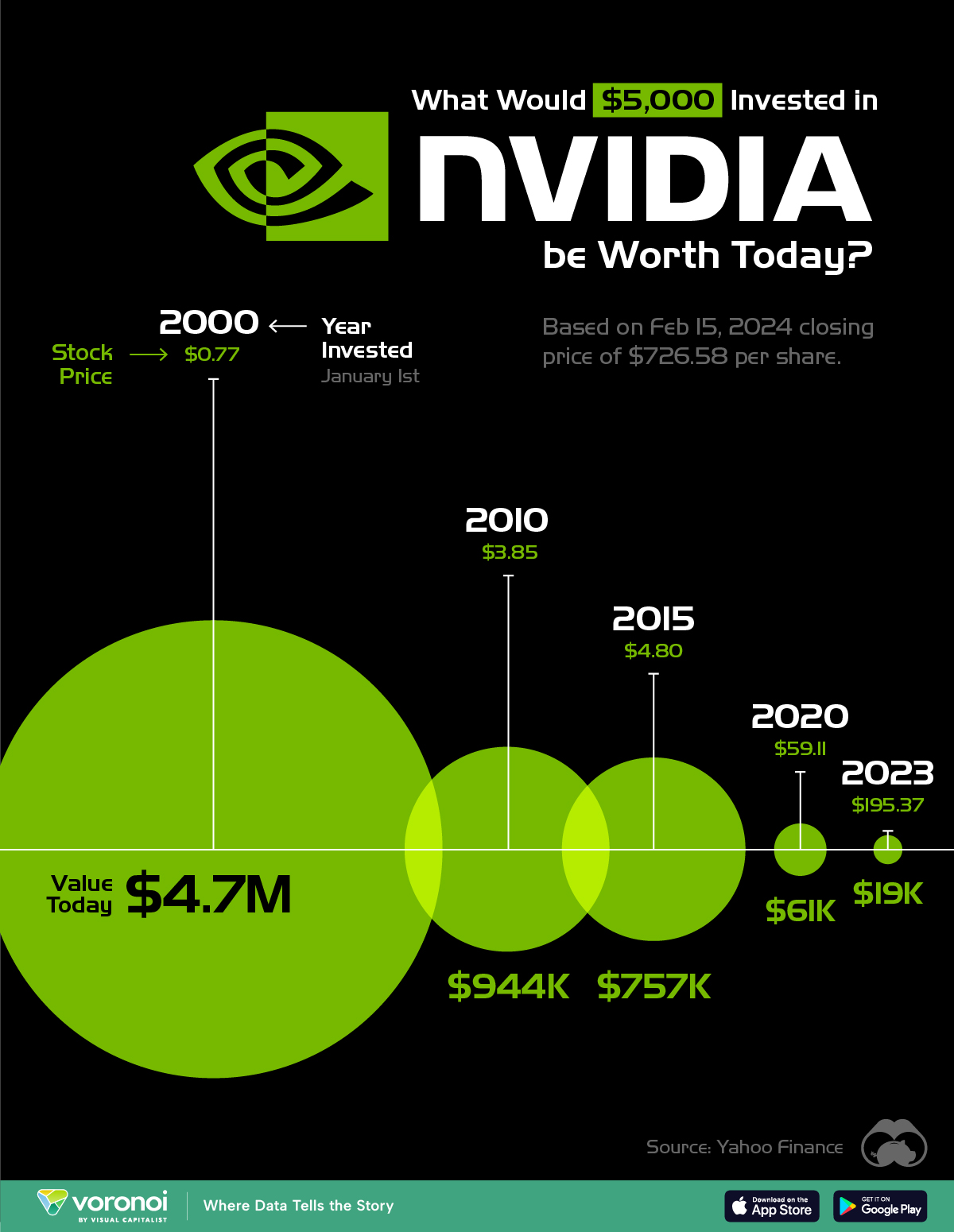
Understanding Nvidia’s Market Position and Financial Health
Before deploying capital, an investor must understand what they are actually buying. Nvidia’s financial narrative has shifted dramatically over the last decade, transitioning from a cyclical hardware provider to a dominant platform company.
The Shift from Gaming to Data Centers
For years, Nvidia’s primary revenue driver was the gaming sector. However, the architecture of their GPUs—capable of performing thousands of simultaneous calculations—proved to be the perfect engine for training Large Language Models (LLMs) like ChatGPT. Today, the “Data Center” segment represents the lion’s share of Nvidia’s revenue. When you invest in Nvidia, you are investing in the infrastructure of the internet’s next iteration. The company’s ability to maintain high margins in this sector is a key metric for investors to monitor.
Analyzing Key Financial Metrics
To assess Nvidia’s investment quality, one must look at the balance sheet and income statements. Nvidia is characterized by exceptionally high gross margins—often exceeding 70%—which is a rarity in the hardware world. This reflects their “moat”: the CUDA software platform. CUDA locks developers into Nvidia’s ecosystem, making it difficult for competitors like AMD or Intel to displace them. Investors should also track the Price-to-Earnings (P/E) ratio and the Forward P/E. While Nvidia often appears “expensive” by traditional standards, its rapid earnings growth frequently brings these valuations back to earth.
The Dividend and Buyback Strategy
While Nvidia is primarily a growth stock, it does offer a modest dividend. However, the real value for shareholders often comes in the form of share buybacks. By reducing the number of shares outstanding, Nvidia increases the ownership stake of remaining shareholders, effectively boosting the earnings per share (EPS). For a “Money” focused investor, understanding this capital allocation strategy is vital for long-term valuation.
Methods for Investing in Nvidia Stock
There are multiple ways to gain exposure to Nvidia, ranging from direct ownership to diversified funds. The right choice depends on your risk tolerance and investment horizon.
Direct Stock Ownership via Brokerages
The most straightforward way to invest is by purchasing shares of NVDA directly through a brokerage account. Modern platforms like Fidelity, Charles Schwab, or Vanguard, as well as fintech apps like Robinhood, allow you to buy shares with minimal fees. Direct ownership gives you the full benefit of price appreciation and any dividends paid, but it also exposes you to the full volatility of a single stock.
Fractional Shares and Dividend Reinvestment
Because Nvidia’s share price can be high, many brokerages offer fractional shares. This allows you to invest a specific dollar amount (e.g., $100) rather than buying a full share. Furthermore, investors should consider enabling a Dividend Reinvestment Plan (DRIP). This automatically uses your dividend payments to buy more shares of the stock, compounding your investment over time without requiring additional manual capital injections.
Indirect Exposure Through ETFs
If the volatility of a single semiconductor stock is too high for your comfort level, Exchange-Traded Funds (ETFs) are an excellent alternative. Nvidia is a top holding in many prominent tech and semiconductor ETFs, such as:
- VanEck Semiconductor ETF (SMH): Focuses heavily on the chip industry.
- Technology Select Sector SPDR Fund (XLK): Provides broad exposure to big tech.
- Invesco QQQ Trust (QQQ): Tracks the Nasdaq-100, where Nvidia is a major component.
Investing via an ETF provides “basket” protection; if Nvidia has a bad quarter but the rest of the tech sector thrives, your portfolio is cushioned.
Strategic Timing and Risk Assessment
In the world of investing, what you buy is just as important as when and at what price you buy it. Nvidia is a high-beta stock, meaning it tends to move more aggressively than the broader market.
Valuation Concerns: Is the P/E Ratio Justified?
A common deterrent for new investors is Nvidia’s valuation. When a stock grows by triple digits in a year, the “bubble” conversation inevitably arises. To determine if the price is right, investors should look at the PEG ratio (Price/Earnings to Growth). If Nvidia’s earnings growth is projected to stay at 50-80%, a high P/E ratio may actually be justified. However, if growth slows down, the stock price could face a significant “multiple contraction,” leading to losses for those who bought at the peak.
Assessing Market Volatility and Macroeconomic Factors
Nvidia does not exist in a vacuum. Its price is influenced by global supply chains, particularly its relationship with TSMC (Taiwan Semiconductor Manufacturing Company). Geopolitical tensions in the Taiwan Strait represent a “tail risk” for Nvidia investors. Additionally, high-interest rate environments generally hurt growth stocks as the present value of future earnings decreases. Investors must weigh these macro risks against the micro-success of Nvidia’s product launches.
The Role of Quarterly Earnings Calls
For Nvidia, earnings season is a high-stakes event. Because the market prices in so much growth, even a “good” earnings report can lead to a price drop if the company’s “guidance” (future projections) isn’t spectacular. Investors should listen for updates on supply constraints and the adoption rates of new architectures, such as the Blackwell chips, to gauge the company’s momentum.
Technical Steps to Executing Your Trade
Once the research is complete, the execution of the trade requires a tactical approach to ensure you aren’t overpaying due to market fluctuations.
Choosing the Right Investment Platform
For long-term investors, a tax-advantaged account like a Roth IRA or a 401(k) with brokerage access is often the best place to hold Nvidia. This allows capital gains to grow tax-free. For more active traders, a platform with robust technical analysis tools and real-time data is essential, given how quickly Nvidia’s price can shift during the trading day.
Market Orders vs. Limit Orders
When you are ready to buy, avoid using “Market Orders” during periods of high volatility (like the first 30 minutes of the trading day). A “Limit Order” allows you to set the maximum price you are willing to pay. For a stock as liquid as Nvidia, a limit order ensures you don’t get caught in a “flash spike” where you end up paying significantly more than the current average price.
Dollar-Cost Averaging (DCA)
Given Nvidia’s volatility, many seasoned investors use Dollar-Cost Averaging. Instead of investing $10,000 at once, you might invest $1,000 every month for ten months. This strategy lowers the risk of investing a lump sum right before a market correction, effectively smoothing out your purchase price over time.
Long-Term Portfolio Management and Exit Strategies
Investing is a marathon, not a sprint. Owning Nvidia requires a disciplined approach to portfolio management to ensure that one stock doesn’t dominate your entire financial future.
Diversification and Rebalancing
If Nvidia’s stock triples in value, it may become a disproportionately large percentage of your portfolio. This is known as “concentration risk.” Professional financial advisors often recommend rebalancing—selling a portion of your winners to buy into other sectors. This locks in profits and ensures that a single downturn in the semiconductor industry won’t wipe out your net worth.
Monitoring the Competitive Landscape
The “Money” case for Nvidia relies on its near-monopoly on AI chips. However, the landscape is shifting. Big tech players like Google (TPUs), Amazon (Trainium), and Microsoft (Maia) are developing their own in-house chips to reduce their reliance on Nvidia. As an investor, you must continuously monitor whether these internal chips are eating into Nvidia’s market share or if Nvidia’s innovation keeps them steps ahead.

Defining Your Exit Strategy
Before you buy your first share, decide when you will sell. Are you holding until retirement? Are you selling once the stock hits a certain price target? Or will you sell if the company’s revenue growth drops below a specific percentage? Having a predetermined exit strategy prevents emotional decision-making during market panics or periods of irrational exuberance.
In conclusion, investing in Nvidia is a sophisticated play on the computational backbone of the modern economy. While the potential for high returns is significant, it requires a balance of fundamental analysis, tactical execution, and rigorous risk management. By understanding the company’s financial metrics and utilizing smart entry strategies like DCA and ETFs, investors can position themselves to benefit from the AI era while protecting their broader financial health.
aViewFromTheCave is a participant in the Amazon Services LLC Associates Program, an affiliate advertising program designed to provide a means for sites to earn advertising fees by advertising and linking to Amazon.com. Amazon, the Amazon logo, AmazonSupply, and the AmazonSupply logo are trademarks of Amazon.com, Inc. or its affiliates. As an Amazon Associate we earn affiliate commissions from qualifying purchases.