
The landscape of personal finance has undergone a seismic shift over the last decade. While traditional equities, bonds, and real estate remain staples of a diversified portfolio, a new asset class has emerged as a cornerstone of the modern investor’s strategy: cryptocurrency. Among the thousands of digital assets available today, Ethereum (ETH) stands out not merely as a currency, but as the foundational layer for a new global financial system.
Investing in Ethereum is no longer a niche activity for tech enthusiasts; it is a calculated move for individuals looking to gain exposure to the growth of decentralized finance (DeFi), non-fungible tokens (NFTs), and the next iteration of the internet, often called Web3. This guide provides a strategic roadmap for those looking to navigate the complexities of Ethereum as an investment, focusing on risk management, platform selection, and long-term wealth accumulation.
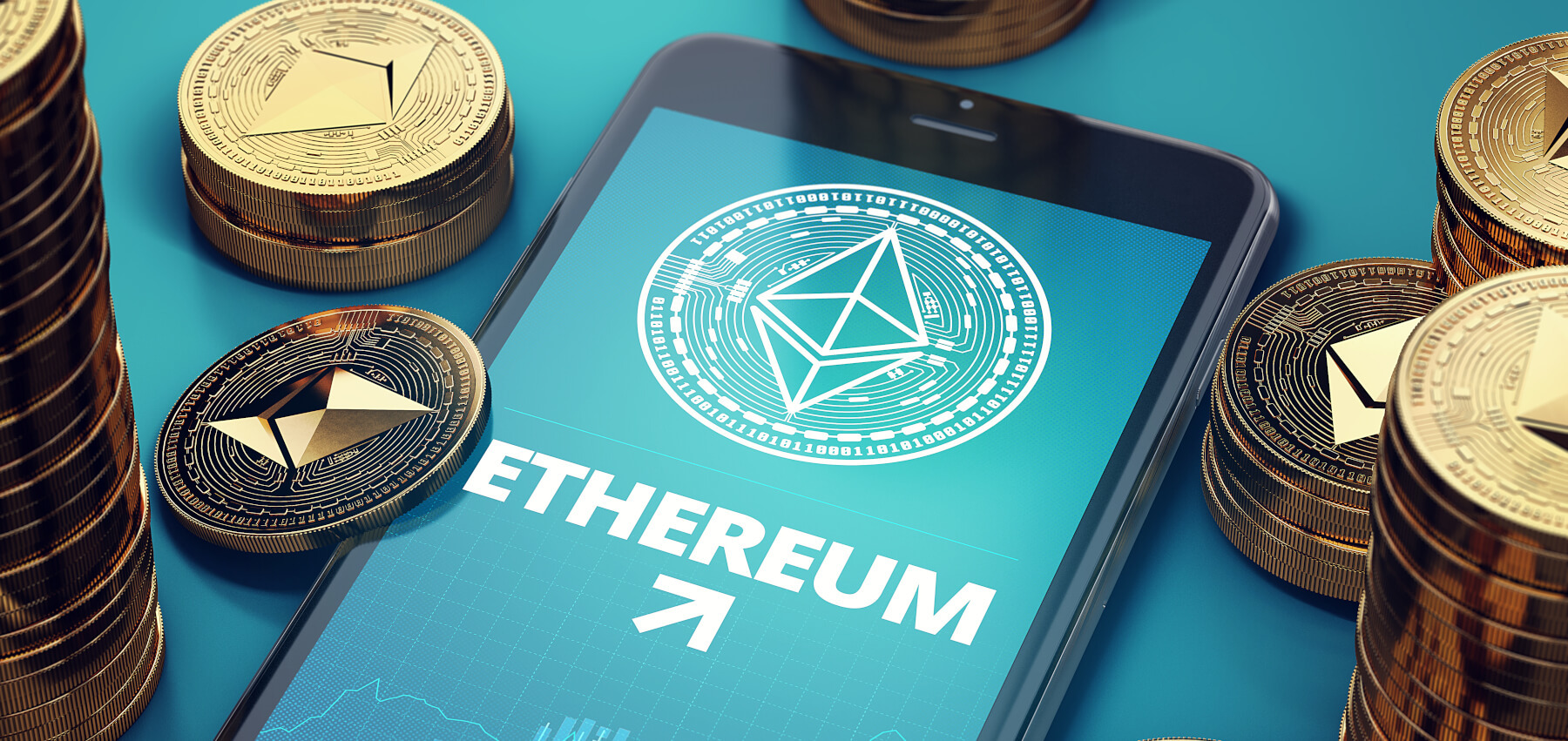
Understanding Ethereum as a Productive Financial Asset
Before allocating capital, a prudent investor must understand what they are buying. Unlike Bitcoin, which is often characterized as “digital gold” due to its fixed supply and role as a store of value, Ethereum is frequently compared to “digital oil” or “digital equity.” It is the utility token that powers the most widely used blockchain network in the world.
The Value Proposition of Smart Contracts
The primary driver of Ethereum’s value is its ability to execute smart contracts—self-executing agreements with the terms written directly into code. This technology allows for the creation of decentralized applications (dApps) that operate without intermediaries like banks or law firms. As more businesses and developers build on the Ethereum network, the demand for the Ether (ETH) token increases, as it is required to pay for the computational power (known as “gas”) needed to process transactions.
From Speculation to Yield: The Proof of Stake Model
One of the most significant financial shifts in Ethereum’s history was its transition from Proof of Work to Proof of Stake (PoS). From an investor’s perspective, this changed ETH from a purely speculative asset into a “productive” asset. By holding ETH, investors can now “stake” their tokens to help secure the network and, in return, earn a percentage-based yield. This is analogous to earning dividends on a stock or interest on a bond, making it an attractive option for those seeking passive income within the digital asset space.
Ethereum vs. Bitcoin in a Diversified Portfolio
While Bitcoin often leads market trends, Ethereum offers a different risk-reward profile. Bitcoin’s value is tied to its scarcity and its potential as a global reserve currency. Ethereum’s value is tied to its network effects and the volume of economic activity occurring on its blockchain. For many investors, a balanced approach involves holding both: Bitcoin for stability and Ethereum for growth potential driven by technological utility.
Setting Up Your Investment Infrastructure
To invest in Ethereum, you need a reliable infrastructure that prioritizes security, ease of use, and low transaction costs. Because the digital asset market operates 24/7, choosing the right tools is the first step in protecting your capital.
Choosing the Right Cryptocurrency Exchange
For most investors, the journey begins on a centralized exchange (CEX). These platforms act as the bridge between traditional fiat currency (like USD or EUR) and the world of crypto.
- Tier-1 Exchanges: Platforms like Coinbase, Kraken, and Gemini are highly regulated and offer robust security features. They are ideal for beginners due to their user-friendly interfaces.
- Fees and Liquidity: When choosing an exchange, consider the “maker” and “taker” fees. Higher liquidity on an exchange ensures that you can buy or sell ETH at a price close to the market rate without significant “slippage.”
- Security Protocols: Ensure the exchange offers two-factor authentication (2FA) via an app (like Google Authenticator) rather than SMS, which is vulnerable to SIM-swapping attacks.
Custodial vs. Non-Custodial Storage
A critical decision for any Ethereum investor is where to keep their tokens.
- Custodial Storage: This means leaving your ETH on the exchange. While convenient for active traders, it carries the risk of the exchange being hacked or facing insolvency.
- Non-Custodial Wallets: These allow you to hold your own “private keys.”
- Hardware Wallets (Cold Storage): Devices like Ledger or Trezor are considered the gold standard for security. They keep your keys offline, making them immune to online hacking attempts.
- Software Wallets (Hot Wallets): Apps like MetaMask or Exodus are convenient for interacting with dApps but are slightly more vulnerable because they are connected to the internet.
Executing Your First Purchase
Once your account is funded, you can execute a “Market Order” for an instant purchase at the current price, or a “Limit Order” to buy ETH only when it hits a specific price point. For long-term investors, the exact entry point is often less important than the overall strategy of accumulating a position over time.

Strategic Investment Methodologies
Investing in Ethereum requires more than just buying the token; it requires a disciplined strategy to manage the inherent volatility of the cryptocurrency market.
Dollar-Cost Averaging (DCA)
The most recommended strategy for most individual investors is Dollar-Cost Averaging. Instead of trying to “time the market” and invest a lump sum, you invest a fixed amount of money at regular intervals (e.g., $100 every two weeks). This approach lowers the average cost of your investment over time and mitigates the emotional stress associated with price swings. During a market downturn, your $100 buys more ETH; during a bull market, it buys less, naturally balancing your portfolio.
Staking for Compounded Growth
As mentioned earlier, Ethereum’s Proof of Stake mechanism allows investors to earn rewards.
- Exchange Staking: Many exchanges allow you to stake your ETH with a single click, taking a small commission for the service.
- Liquid Staking: Protocols like Lido or Rocket Pool allow you to stake your ETH and receive a “liquid” token (like stETH) in return. This allows you to earn rewards while still having the flexibility to use your assets in other financial activities.
- Solo Staking: For those with 32 ETH or more, running a personal validator node provides the highest yield and contributes most directly to the network’s decentralization.
Long-Term Holding (HODLing)
The “HODL” strategy—holding an asset for years regardless of price volatility—has historically been the most successful strategy for Ethereum investors. Given the complexity of the Ethereum ecosystem and its roadmap for future upgrades (such as “sharding” to increase transaction speeds), many institutional investors view ETH as a five-to-ten-year play rather than a short-term trade.
Risk Management and Financial Oversight
No investment is without risk, and the crypto market is famously volatile. Professional financial management requires a clear understanding of what could go wrong and how to protect your net worth.
Managing Volatility and Position Sizing
Ethereum can experience price swings of 10% or more in a single day. To prevent these swings from causing financial distress, investors should practice proper position sizing. A common rule of thumb is to allocate only a small percentage of your total investable assets (e.g., 1% to 5%) to high-volatility assets like cryptocurrency. This ensures that even a significant market correction won’t jeopardize your overall financial stability.
The Importance of Tax Compliance
In many jurisdictions, including the United States, the IRS treats cryptocurrency as property. This means every time you sell ETH, trade it for another coin, or use it to buy a coffee, you trigger a taxable event.
- Capital Gains: You must track the difference between your “cost basis” (the price you paid) and the price at the time of the transaction.
- Income Tax: Rewards earned through staking are typically treated as ordinary income.
Using specialized crypto tax software can help automate this process and ensure you remain compliant with local regulations.
Regulatory and Technical Risks
Investors must stay informed about the shifting regulatory landscape. Changes in how governments classify ETH—whether as a commodity or a security—can impact market liquidity and price. Additionally, while the Ethereum blockchain is highly secure, “smart contract risk” exists in the dApps built on top of it. If you use your ETH in a decentralized lending platform that has a bug in its code, your funds could be at risk. Stick to well-audited, long-standing protocols to minimize this exposure.

Conclusion: The Long-Term Outlook for Ethereum
Investing in Ethereum represents a bet on the digital transformation of the global economy. As the network matures and its scalability improves, the “Ethereum economy” is expected to capture more value from traditional sectors like banking, insurance, and digital media.
By approaching Ethereum with a “Money” mindset—focusing on sound investment principles, secure storage, and disciplined accumulation—you can position yourself to benefit from the growth of this revolutionary technology. Whether you are a conservative investor looking for a small amount of growth exposure or a tech-forward individual building a digital-first portfolio, Ethereum offers a unique combination of utility and financial potential that is difficult to find in any other asset class. Success in this space does not require being a coding expert; it requires patience, a commitment to security, and a clear vision of the future of finance.
aViewFromTheCave is a participant in the Amazon Services LLC Associates Program, an affiliate advertising program designed to provide a means for sites to earn advertising fees by advertising and linking to Amazon.com. Amazon, the Amazon logo, AmazonSupply, and the AmazonSupply logo are trademarks of Amazon.com, Inc. or its affiliates. As an Amazon Associate we earn affiliate commissions from qualifying purchases.