
The financial landscape has undergone a seismic shift over the last decade. What began as an experimental digital currency described in an anonymous whitepaper has evolved into a trillion-dollar asset class that commands the attention of institutional investors, sovereign nations, and everyday individuals. For the beginner, however, the world of cryptocurrency can seem like a labyrinth of complex jargon, extreme volatility, and technical barriers.
Investing in cryptocurrency is not merely about “buying low and selling high”; it is about understanding a new paradigm of decentralized finance and integrating it into a broader wealth-management strategy. This guide focuses on the “Money” aspect of crypto—how to approach it as a disciplined investor, manage your risk, and build a portfolio that aligns with your long-term financial goals.

1. Establishing Your Financial Foundation
Before purchasing your first fraction of a Bitcoin, it is imperative to view cryptocurrency through the lens of traditional personal finance. Because of its high volatility, crypto should never be the bedrock of your financial house; rather, it should be the experimental or high-growth wing built upon a solid foundation.
Evaluating Your Risk Tolerance and Asset Allocation
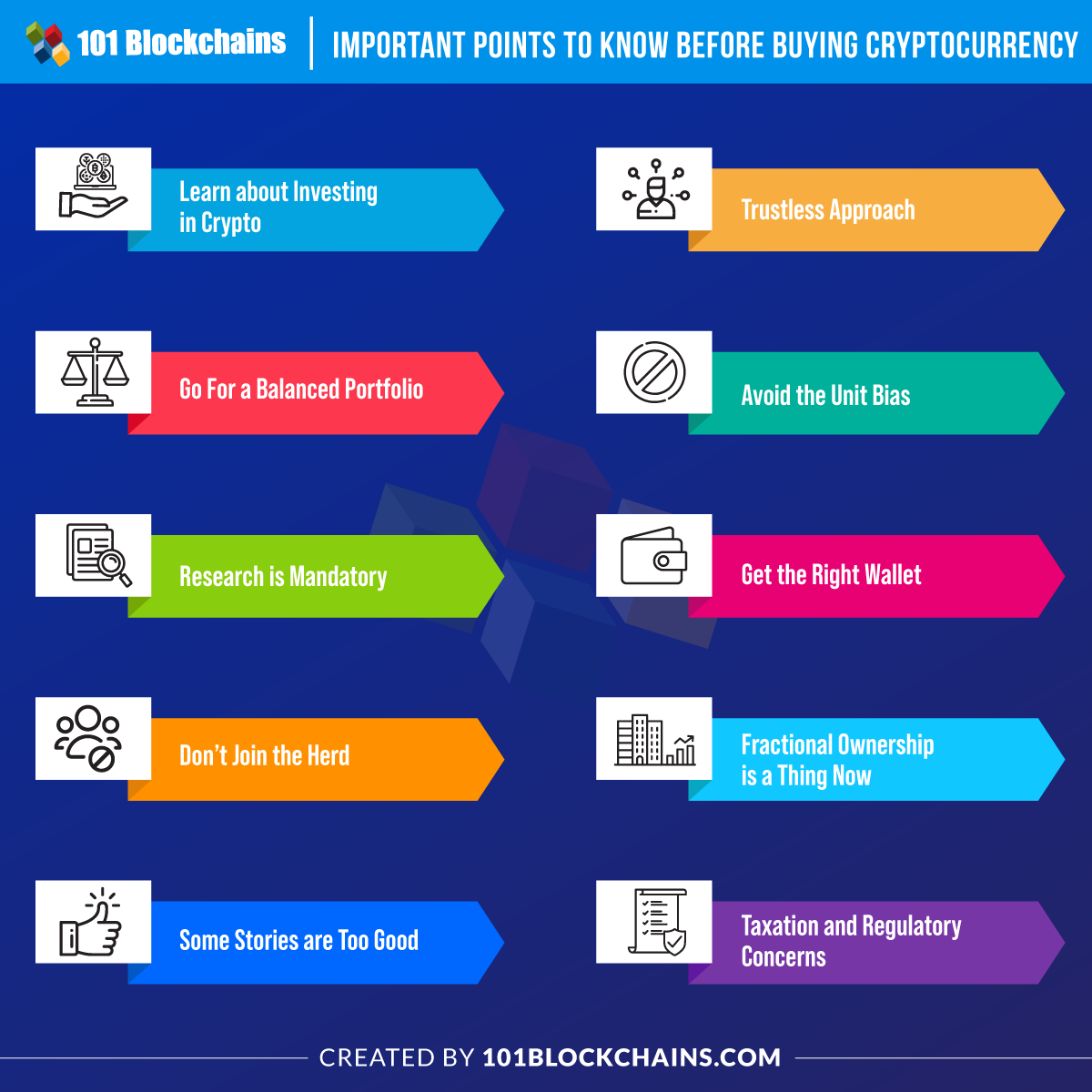
Cryptocurrency is categorized as a “high-risk, high-reward” asset. Prices can fluctuate by 10% or 20% within a single day, which can be psychologically taxing for the uninitiated. Before investing, ask yourself how much of your total portfolio you are willing to expose to this volatility. Most financial advisors suggest a modest allocation—typically between 1% and 5% of your total investable assets—for beginners. This ensures that even a significant market downturn won’t derail your retirement plans or daily life.
The Prerequisite: Debt and Emergency Funds
The golden rule of crypto investing is: “Only invest what you can afford to lose.” Before entering the market, ensure your “Money” basics are covered. This means having a fully funded emergency fund (3–6 months of living expenses) and having cleared high-interest consumer debt, such as credit card balances. Investing in a volatile asset while paying 20% interest on a loan is a mathematically poor financial decision.
Defining Your Investment Horizon
Are you looking for a short-term trade or a long-term store of value? Beginners often fall into the trap of “revenge trading” or trying to time the market. A professional approach involves defining your time horizon. Many successful investors adopt a multi-year outlook, viewing assets like Bitcoin and Ethereum as “digital gold” or “digital oil” that require time to mature and gain wider adoption.
2. Navigating the Infrastructure: Exchanges and Security
Once your financial house is in order, the next step is understanding the mechanics of the market. In the world of finance, “how” you buy is often as important as “what” you buy.
Choosing the Right Cryptocurrency Exchange
A cryptocurrency exchange is a platform where you trade fiat currency (like USD, EUR, or GBP) for digital assets. For beginners, the primary criteria should be security, regulatory compliance, and ease of use. Large, reputable exchanges offer “custodial” services, meaning they manage the technical side of holding your coins. When selecting an exchange, look for features such as Two-Factor Authentication (2FA), insurance funds, and a history of transparent audits.
Understanding Liquidity and Trading Fees
In the realm of investing, liquidity refers to how easily an asset can be converted into cash without affecting its price. Stick to high-volume exchanges and well-established cryptocurrencies to ensure you can exit your positions when needed. Additionally, be mindful of fee structures. Some platforms charge a premium for “instant buys,” while their advanced trading interfaces offer much lower fees. Over time, these costs can significantly eat into your investment returns.
The Importance of Self-Custody and Wallets
As you grow your investment, the concept of “Self-Custody” becomes vital. In the crypto world, there is a common saying: “Not your keys, not your coins.” If an exchange goes bankrupt or is hacked, your funds could be at risk. For larger holdings, investors often use “Cold Storage” or hardware wallets—physical devices that keep your private keys offline. Mastering the use of wallets is a crucial step in securing your digital wealth from cyber threats.
3. Strategic Investment Methodologies
Successful investing is rarely about finding the “next big thing” before anyone else; it is about consistency and disciplined execution. For a beginner, the following strategies provide a roadmap to navigating the market’s turbulence.
Dollar-Cost Averaging (DCA)
Dollar-cost averaging is the practice of investing a fixed amount of money at regular intervals (e.g., $100 every month), regardless of the asset’s price. This strategy is particularly effective in the crypto market because it removes the emotional burden of trying to “time the bottom.” When prices are high, your $100 buys less; when prices are low, your $100 buys more. Over time, this lowers your average cost basis and smooths out the effects of volatility.
Diversification: Bitcoin, Ethereum, and Altcoins
A balanced crypto portfolio usually starts with the “Blue Chips.” Bitcoin (BTC) is often viewed as a decentralized store of value, while Ethereum (ETH) is a platform for decentralized applications. Beyond these two, there are thousands of “Altcoins” (alternative coins). While Altcoins can offer higher percentage gains, they also carry significantly higher risk. For a beginner, a portfolio heavily weighted toward BTC and ETH (perhaps 70-80%) provides a more stable entry point than “chasing” low-market-cap tokens.
The Power of “HODLing”
Derived from a famous internet typo, “HODL” has become a serious investment philosophy: Hold On for Dear Life. It refers to a buy-and-hold strategy. History has shown that the crypto market moves in aggressive cycles. Those who panic-sell during “crypto winters” often miss the massive gains of the subsequent “bull runs.” A professional investor maintains a long-term conviction that outweighs short-term market noise.
4. Risk Management and Regulatory Compliance
To treat crypto as a legitimate part of your financial life, you must address the less glamorous aspects of investing: taxes, regulations, and security risks.
Navigating the Tax Landscape
In many jurisdictions, cryptocurrency is treated as property, meaning every time you sell or trade one coin for another, it is a taxable event. Keeping meticulous records of your “cost basis” (the price at which you bought) and your sale price is essential. Many investors use specialized software to track their transactions and ensure they are compliant with capital gains tax laws. Ignoring this can lead to significant financial penalties.
Identifying and Avoiding Market Scams
Because the crypto market is relatively new and partially decentralized, it is a playground for bad actors. Beginners must be wary of “pump and dump” schemes, where the price of a small coin is artificially inflated before insiders dump their holdings. Additionally, be skeptical of any platform promising “guaranteed returns.” In finance, a guarantee of high returns almost always signals a Ponzi scheme or a high-risk gamble.
The Evolving Regulatory Environment
The “Money” aspect of crypto is heavily influenced by government regulation. When a major economy announces new laws regarding stablecoins or exchange licenses, the market reacts. Staying informed about the regulatory landscape helps you understand the institutional health of your investments. Increased regulation, while often viewed as a hurdle, can actually lead to greater stability and the entry of more institutional capital, which is generally positive for long-term valuations.
Conclusion: The Disciplined Path Forward
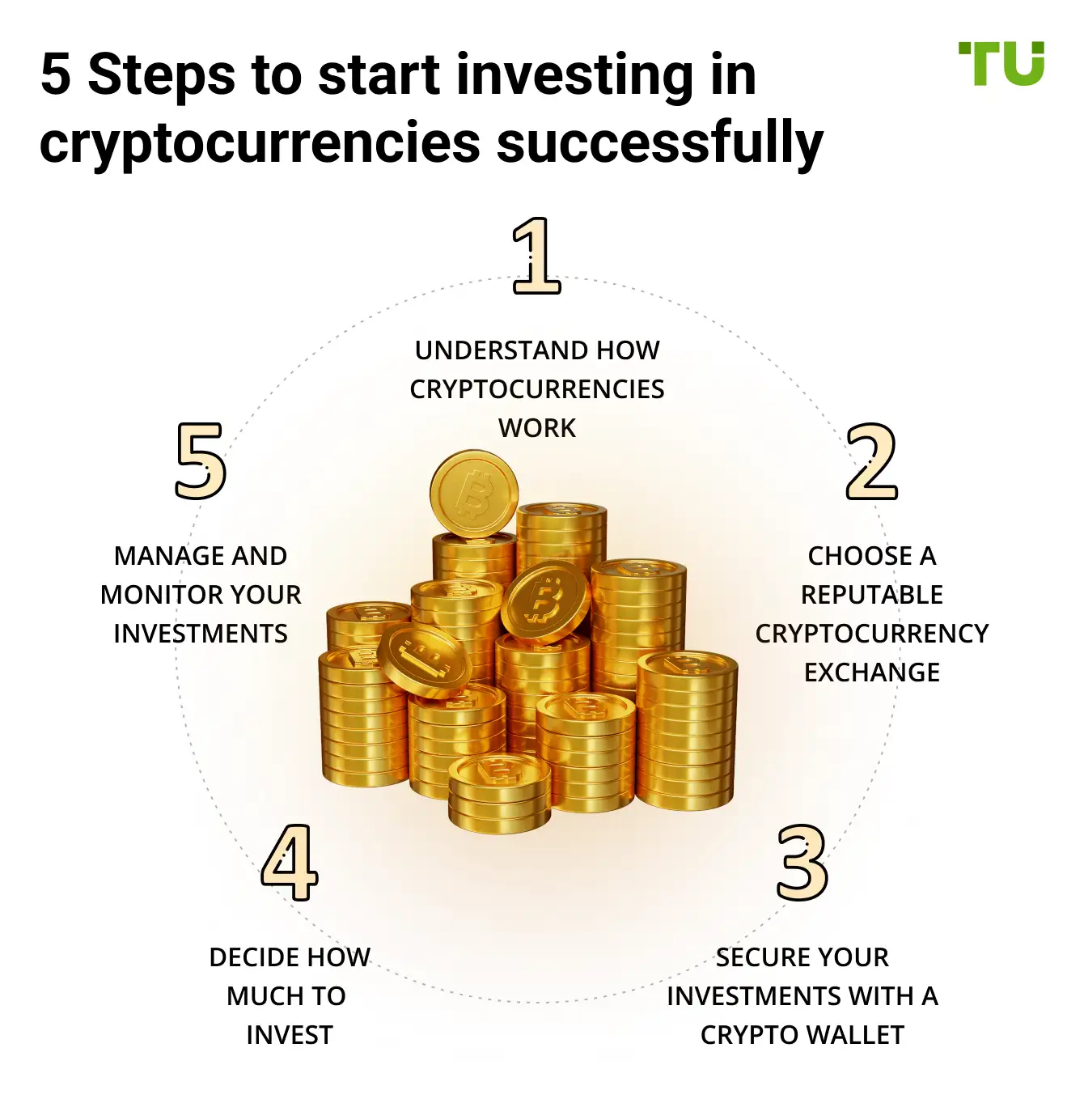
Investing in cryptocurrency as a beginner does not require a degree in computer science, but it does require financial discipline and a commitment to continuous learning. By building a strong financial foundation, choosing secure platforms, employing strategies like dollar-cost averaging, and respecting the tax and regulatory environment, you transform crypto from a speculative gamble into a strategic asset.
The future of finance is increasingly digital. While the journey will undoubtedly involve market corrections and volatility, those who approach the space with a professional mindset—focusing on risk mitigation and long-term growth—are best positioned to benefit from this technological revolution in money. Remember: the goal is not to get rich overnight, but to build sustainable wealth over time.
aViewFromTheCave is a participant in the Amazon Services LLC Associates Program, an affiliate advertising program designed to provide a means for sites to earn advertising fees by advertising and linking to Amazon.com. Amazon, the Amazon logo, AmazonSupply, and the AmazonSupply logo are trademarks of Amazon.com, Inc. or its affiliates. As an Amazon Associate we earn affiliate commissions from qualifying purchases.