
The financial landscape has undergone a seismic shift over the last decade. What began as an experimental whitepaper by an anonymous figure has evolved into a multi-trillion-dollar asset class that challenges traditional notions of banking, value, and investment. Investing in cryptocurrency is no longer a niche hobby for tech enthusiasts; it has become a legitimate pillar of modern personal finance. However, the path to building a successful crypto portfolio is fraught with volatility and complexity. To navigate this space effectively, one must approach it not as a gamble, but as a disciplined financial strategy.
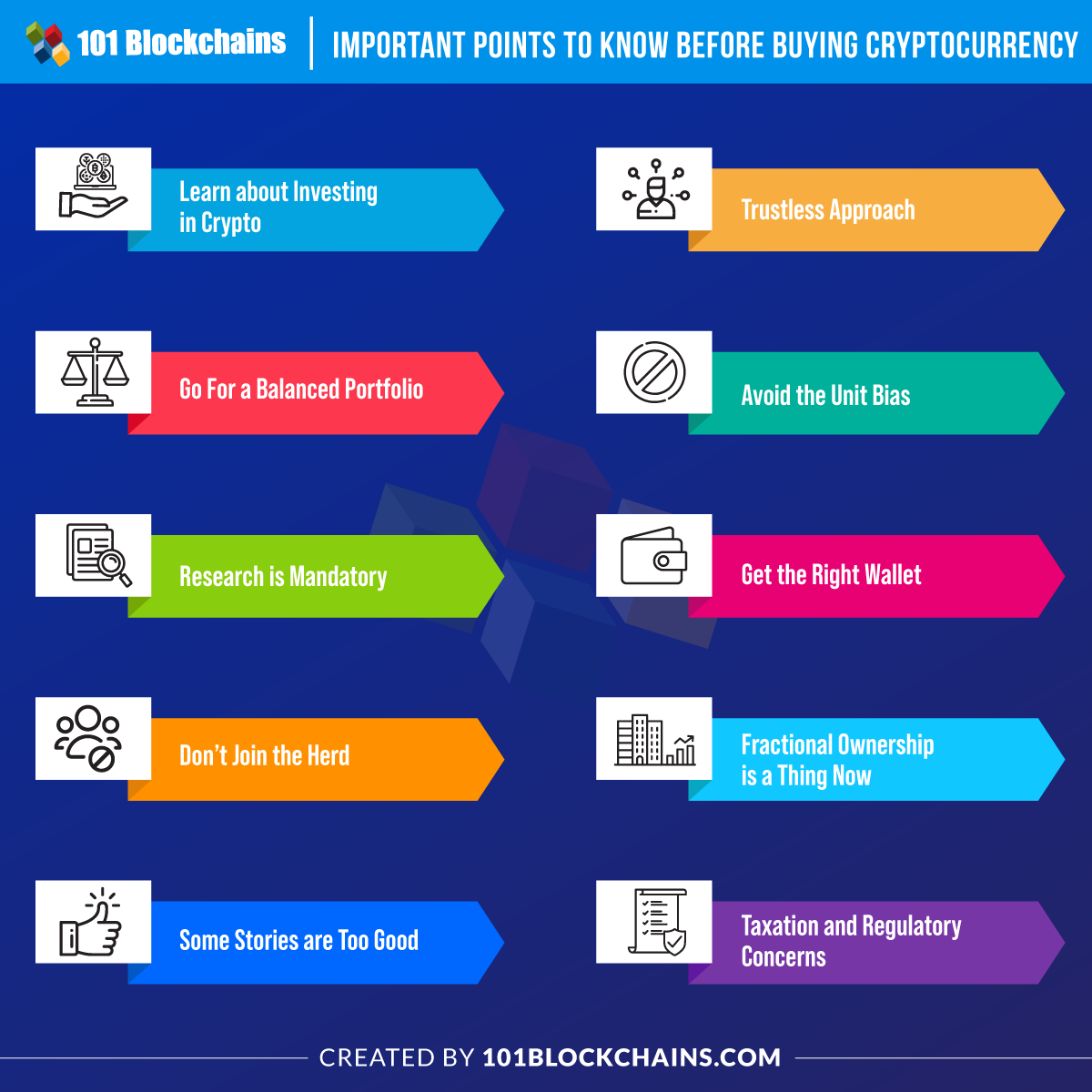
This guide explores the fundamental principles of investing in digital assets, focusing on risk management, strategic allocation, and the long-term wealth-building potential of the blockchain economy.
Building a Foundation: Understanding the Cryptocurrency Landscape
Before committing capital, a prudent investor must understand the “why” and “what” of the market. Cryptocurrency is not a monolithic entity; it is a diverse ecosystem of digital assets with varying use cases, risk profiles, and value drivers.
Differentiating Between Store of Value and Utility Tokens
The market is generally divided into two primary categories: Bitcoin and everything else (altcoins). Bitcoin (BTC) is often referred to as “digital gold” because of its capped supply and decentralized nature, making it a primary store of value and a hedge against fiat currency inflation. On the other hand, assets like Ethereum (ETH) are utility tokens. They power decentralized applications (dApps) and smart contracts. Understanding this distinction is vital for asset allocation; Bitcoin often serves as the “anchor” of a portfolio, while utility tokens offer higher growth potential alongside higher risk.
The Role of Stablecoins in a Financial Strategy
Stablecoins, such as USDC or USDT, are pegged to the value of a traditional currency like the U.S. Dollar. While they are not “investments” in the sense of price appreciation, they are essential tools for the modern investor. They provide a “safe harbor” during periods of extreme market volatility, allowing you to move out of volatile positions without necessarily exiting back into the traditional banking system.
Assessing Market Cap and Liquidity
In the world of personal finance, liquidity is king. When selecting crypto coins, investors should look beyond the unit price. A coin priced at $0.0001 isn’t necessarily “cheap” if it has a massive supply and low trading volume. Instead, focus on Market Capitalization (Price x Circulating Supply). Large-cap coins (Bitcoin, Ethereum) offer more stability, while mid-cap and small-cap coins offer higher explosive potential but can be difficult to sell during a market crash due to low liquidity.
Essential Steps to Executing Your First Purchase
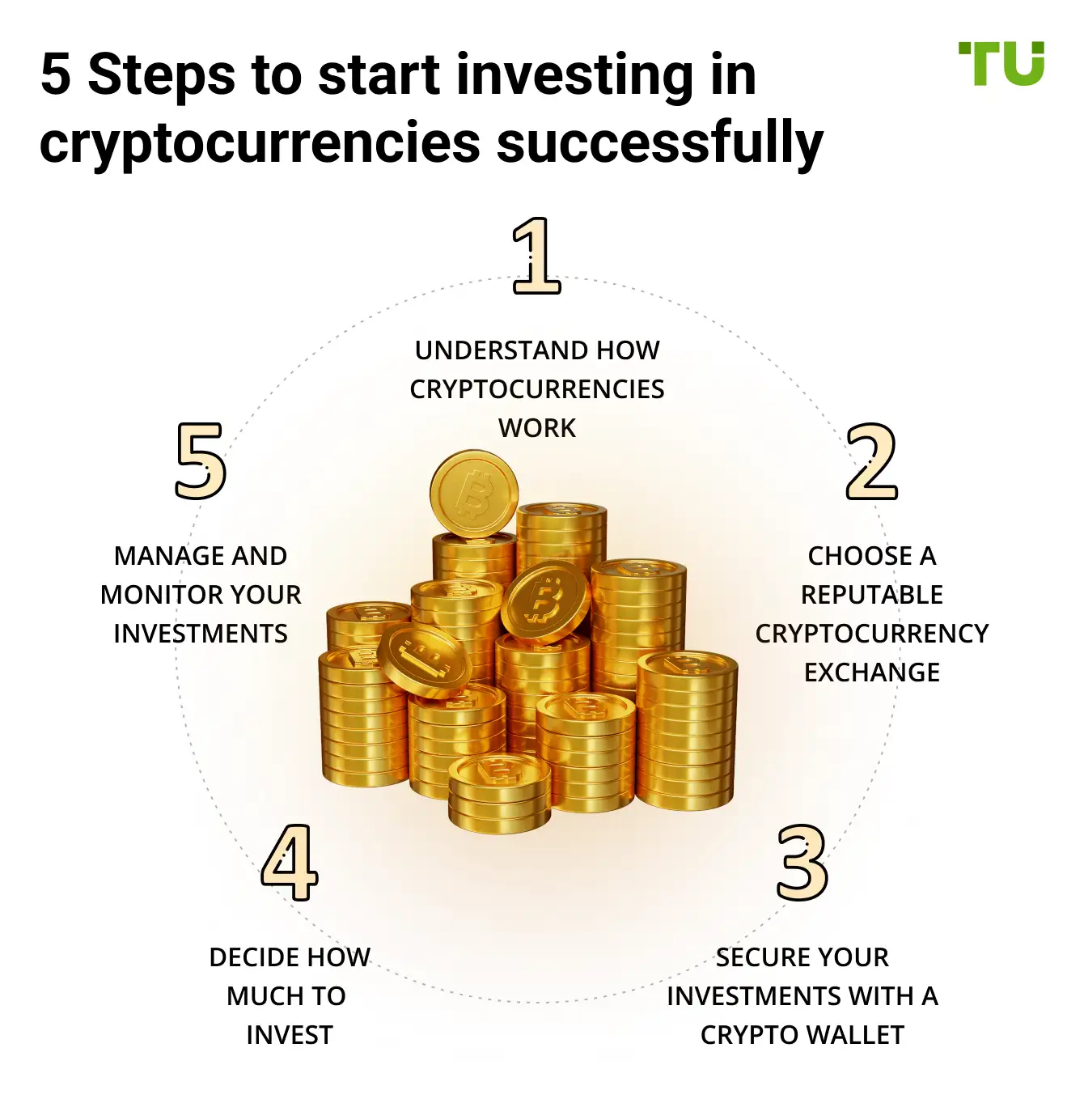
Once the theoretical foundation is laid, the transition to active investing requires a series of tactical steps. The goal here is to minimize fees and maximize security.
Selecting the Right Exchange
Your choice of a cryptocurrency exchange is your most important infrastructure decision. Major platforms like Coinbase, Kraken, or Binance provide the “on-ramp” where you exchange your local fiat currency for digital assets. When choosing, prioritize platforms with a strong regulatory track record, robust security measures (such as two-factor authentication), and competitive fee structures. For high-net-worth investors, institutional-grade platforms often offer better “over-the-counter” (OTC) desks to minimize price slippage on large orders.
The Critical Importance of Custody and Wallets
In traditional finance, your bank is responsible for the safety of your funds. In crypto, the responsibility lies with you. The phrase “not your keys, not your coins” is a cornerstone of crypto investing. While keeping assets on an exchange is convenient for frequent trading, long-term investors should utilize “cold storage” (hardware wallets). These are physical devices that keep your private keys offline, making them immune to online hacking attempts.
Navigating KYC and Compliance
To prevent money laundering and ensure financial security, reputable exchanges require “Know Your Customer” (KYC) verification. This involves providing government ID and proof of residence. While some seek “non-KYC” options for privacy, the professional investor typically embraces regulated platforms, as they offer better integration with traditional tax reporting and banking services.
Investment Strategies for Long-Term Wealth
The difference between a “crypto trader” and a “crypto investor” lies in their time horizon and methodology. To build sustainable wealth, one must move away from emotional “panic buying” and toward structured systems.
Dollar-Cost Averaging (DCA)
The crypto market is notoriously volatile, with double-digit percentage swings occurring in hours. Trying to “time the bottom” is a losing game for most. Dollar-Cost Averaging involves investing a fixed amount of money at regular intervals (e.g., $200 every month), regardless of the price. This strategy smooths out the purchase price over time, reducing the impact of volatility and removing the emotional stress of market timing.
Staking and Yield Generation
For the income-focused investor, many cryptocurrencies offer a way to earn passive returns. “Staking” involves locking up your coins to help secure a blockchain network; in return, you receive rewards in the form of additional coins. This is the crypto equivalent of earning dividends on a stock or interest in a savings account. For assets like Ethereum or Solana, staking can provide an annual yield of 3% to 7%, significantly boosting the total return of a long-term position.
Portfolio Rebalancing and Profit Taking
A common mistake in crypto investing is letting a single winning position dominate your entire net worth. If a speculative altcoin surges in value, it may represent a disproportionate amount of your risk. Professional investors practice “rebalancing”—selling a portion of their winners to reinvest in stable assets or to move back into Bitcoin. Setting “take-profit” targets ensures that you actually realize gains rather than watching a paper fortune vanish during a market correction.
Risk Management and the Psychology of Investing
Successful investing is 20% knowledge and 80% temperament. In an asset class as volatile as crypto, risk management is not just a suggestion; it is a survival requirement.
Determining Your Risk Tolerance
Cryptocurrency should never represent 100% of a person’s investment portfolio. Most financial advisors suggest a 1% to 10% allocation depending on age and financial goals. Because of the “asymmetric risk” of crypto—where the potential for gain is significantly higher than the potential for loss—even a small allocation can have a meaningful impact on your overall wealth without endangering your financial solvency if the market crashes.
Avoiding the “FOMO” Trap
Fear Of Missing Out (FOMO) is the greatest enemy of the retail investor. When news outlets report on a coin’s massive price surge, the “smart money” has usually already bought in. Professional investing requires the discipline to buy when the market is quiet or “fearful” and to be cautious when the market is “greedy.” Conducting thorough due diligence—reading whitepapers, checking the team’s background, and understanding the coin’s economic model—is the only way to combat emotional decision-making.
Security Protocols and Scam Prevention
The decentralized nature of crypto means there is no “undo” button for transactions. Investors must be hyper-vigilant against phishing scams, “rug pulls” (where developers abandon a project after taking investor funds), and fraudulent investment schemes promising guaranteed high returns. If an investment opportunity sounds too good to be true, it almost certainly is. Protect your wealth by using unique, complex passwords and never sharing your wallet’s “seed phrase” with anyone.
The Future of Digital Finance and Institutional Adoption
As we look toward the future, the “Money” aspect of cryptocurrency is becoming increasingly integrated into the global financial system. This maturation provides a more stable environment for new investors.
The Impact of Crypto ETFs
The approval of Spot Bitcoin and Ethereum ETFs (Exchange-Traded Funds) by major financial regulators marks a turning point. These products allow traditional investors to gain exposure to crypto through their 401(k)s or brokerage accounts without the need to manage digital wallets. This influx of institutional capital from firms like BlackRock and Fidelity provides a level of legitimacy and liquidity that was absent in the early years of the market.
Regulatory Evolution
While some fear regulation, it is generally a positive development for the long-term investor. Clearer rules of the road prevent fraud, protect consumers, and allow large corporations to hold crypto on their balance sheets. As the legal framework for digital assets solidifies, the extreme volatility of the past may dampen, making crypto a more predictable component of a diversified financial plan.

Cryptocurrency as a Diversification Tool
In an era of high global debt and geopolitical uncertainty, cryptocurrency offers a non-correlated asset class. It does not always move in sync with the stock market or the bond market. For the modern investor, holding a basket of digital assets is no longer just about seeking high returns; it is about building a resilient, 21st-century portfolio that is prepared for the digitalization of the global economy.
By combining technical security, disciplined strategy, and a long-term perspective, investing in crypto coins can serve as a powerful engine for personal financial growth. The key is to start small, stay educated, and treat every digital coin as a serious financial commitment rather than a speculative gamble.
aViewFromTheCave is a participant in the Amazon Services LLC Associates Program, an affiliate advertising program designed to provide a means for sites to earn advertising fees by advertising and linking to Amazon.com. Amazon, the Amazon logo, AmazonSupply, and the AmazonSupply logo are trademarks of Amazon.com, Inc. or its affiliates. As an Amazon Associate we earn affiliate commissions from qualifying purchases.