
Investing in companies is one of the most proven pathways to long-term wealth creation. When you buy shares of a corporation, you are not merely engaging with a ticker symbol on a digital screen; you are acquiring a partial ownership stake in a living, breathing business entity. This ownership entitles you to a portion of the company’s assets and a claim on its future earnings. However, transitioning from a casual observer to a sophisticated investor requires a deep understanding of market mechanics, valuation techniques, and strategic allocation.
The journey of investing in companies begins with a shift in mindset. It requires moving away from the “get rich quick” mentality often associated with speculative trading and toward a disciplined approach focused on fundamental value. By understanding how to evaluate a company’s health and how to position yourself within the broader financial ecosystem, you can build a portfolio that stands the test of time.
Understanding the Fundamentals of Equity Ownership
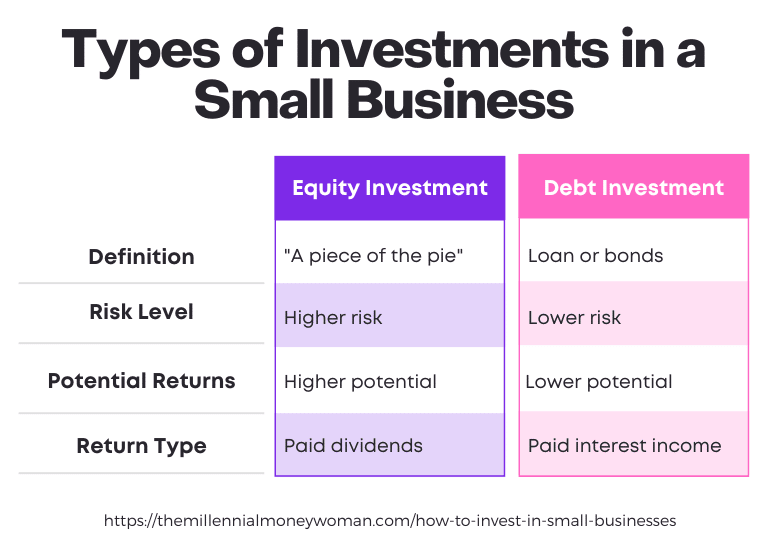
At its core, investing in a company means providing capital in exchange for equity. For the company, this capital is used to fund operations, expand into new markets, or develop innovative products. For the investor, the goal is to see that capital grow through capital appreciation or to receive a portion of the profits via dividends.
The Difference Between Public and Private Equities
The most common way to invest in companies is through the public stock market. Publicly traded companies, such as Apple, Amazon, or Coca-Cola, are listed on exchanges like the New York Stock Exchange (NYSE) or the Nasdaq. These companies are regulated by government bodies and must disclose their financial performance regularly. This transparency makes them accessible to the general public.
In contrast, private equity involves investing in companies that are not listed on public exchanges. This was traditionally reserved for institutional investors or high-net-worth individuals. However, newer financial platforms and regulations have begun to open doors for “accredited investors” to participate in venture capital and private placements. Private investing often carries higher risk and lower liquidity, but it offers the potential for significant returns if a company eventually goes public or is acquired.
How the Stock Market Functions as a Gateway
The stock market acts as a secondary market where investors buy and sell shares from one another. When you buy a stock, you are usually not buying it directly from the company (unless it is an Initial Public Offering), but from another investor who wishes to sell. The price of these shares is determined by supply and demand, which are influenced by the company’s performance, economic conditions, and investor sentiment. Understanding this dynamic is crucial because it highlights the difference between the “price” of a stock and the “intrinsic value” of the underlying company.
Developing a Strategic Investment Framework
Before deploying capital, an investor must establish a framework that aligns with their financial goals. Without a strategy, investing becomes indistinguishable from gambling. A robust framework considers your appetite for risk, your time horizon, and your methodology for selection.
Assessing Risk Tolerance and Time Horizons
Every investor has a unique psychological profile and financial situation. Risk tolerance is your ability and willingness to lose some or all of an original investment in exchange for the possibility of higher returns. Generally, if you have a long time horizon—twenty or thirty years—you can afford to weather the volatility of the market because you have time to recover from downturns.
Conversely, if you are nearing retirement or saving for a short-term goal like a house down payment, your strategy should lean toward capital preservation. This might involve investing in established, “blue-chip” companies with steady cash flows rather than high-growth, speculative startups.
Fundamental vs. Technical Analysis
There are two primary schools of thought when it comes to evaluating companies: fundamental analysis and technical analysis.
Fundamental analysis is the study of a company’s financial health, management team, industry position, and economic environment. The goal is to determine the “true value” of a company. If the market price is lower than this calculated value, the stock is considered undervalued and potentially a good buy.
Technical analysis, on the other hand, focuses on price movements and chart patterns. Technical analysts believe that all known information is already baked into the stock price, and by studying historical trends, they can predict future price movements. While technical analysis is popular among short-term traders, long-term investors typically rely on fundamental analysis to build lasting wealth.
Methods for Investing in Companies
Once you have a strategy, you must choose the vehicle through which you will invest. The modern financial landscape offers several ways to gain exposure to corporate growth, ranging from hands-on selection to automated diversification.
Direct Stock Purchases
Buying individual stocks is the most direct way to invest in a company. This approach allows for maximum control over your portfolio. You can choose to own the companies you believe in or those whose products you use every day. However, direct investing requires significant research and a commitment to staying updated on company news and quarterly earnings reports. The primary risk here is lack of diversification; if you put all your money into one or two companies and they fail, your financial health suffers a major blow.
Exchange-Traded Funds (ETFs) and Mutual Funds
For those who prefer a more hands-off approach, ETFs and mutual funds offer an efficient way to invest in hundreds or even thousands of companies at once. An S&P 500 index fund, for instance, allows you to own a small piece of the 500 largest publicly traded companies in the United States.
ETFs are particularly popular because they offer low fees and high liquidity. By investing in a broad-market ETF, you are essentially betting on the growth of the economy as a whole rather than the success of a single firm. This diversification significantly reduces the risk of a total loss.
Dividend Growth Investing
Some investors focus specifically on companies that pay dividends. Dividends are a portion of a company’s profit distributed to shareholders, usually on a quarterly basis. Dividend growth investing involves seeking out “Dividend Aristocrats”—companies that have not only paid but increased their dividends for at least 25 consecutive years. This strategy provides a passive income stream and is often favored by those seeking stability and long-term compounding.
Analyzing Company Health and Value
To succeed in direct investing, you must learn to read the “vital signs” of a business. This involves diving into financial statements and understanding the competitive landscape.
Key Financial Statements
There are three primary documents you must review to understand a company’s performance:
-
The Income Statement: This shows the company’s revenues, expenses, and profits over a specific period. Look for consistent revenue growth and healthy net income margins.
-
The Balance Sheet: This provides a snapshot of what the company owns (assets) and what it owes (liabilities). A strong balance sheet has more assets than liabilities and a manageable level of debt.
-
The Cash Flow Statement: This tracks the actual cash moving in and out of the business. It is possible for a company to show a “profit” on paper while actually running out of cash. Positive free cash flow is the gold standard of financial health.
Essential Valuation Ratios
Ratios help you compare companies of different sizes within the same industry.
-
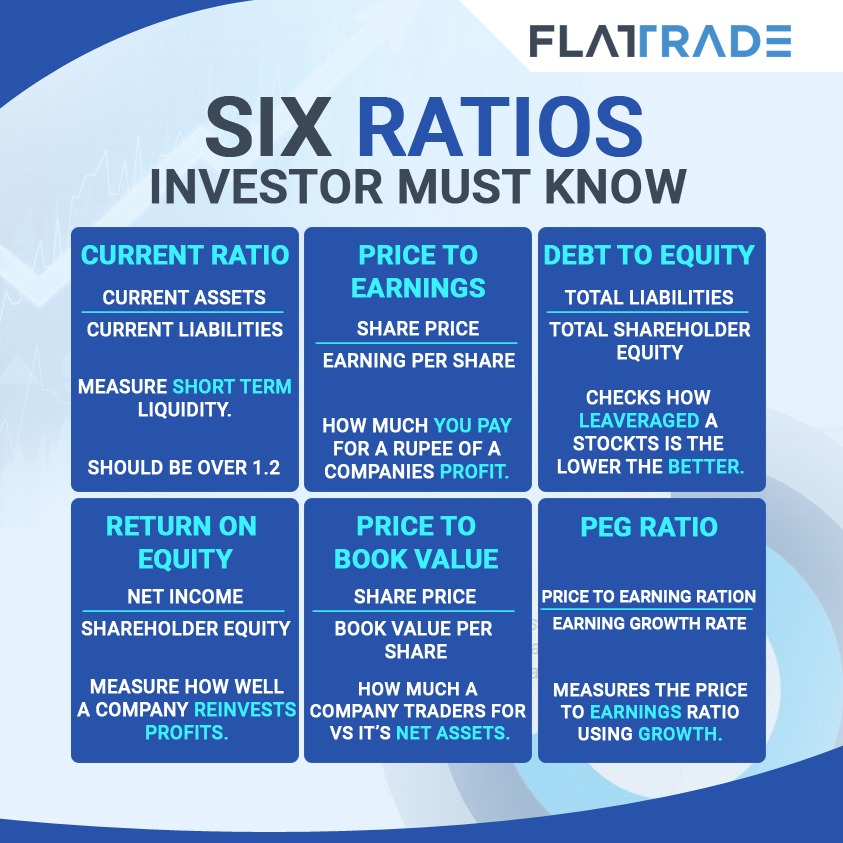
Price-to-Earnings (P/E) Ratio: This measures the current share price relative to its per-share earnings. A high P/E might suggest the stock is overvalued or that investors expect high growth in the future.
-
Debt-to-Equity Ratio: This indicates how much a company is financing its operations through debt versus wholly-owned funds. High debt can be risky during economic downturns.
-
Return on Equity (ROE): This measures how effectively management is using investors’ money to generate profit.
Evaluating Competitive Moats
Coined by Warren Buffett, the term “economic moat” refers to a company’s competitive advantage that protects it from competitors. A moat might be a strong brand (like Nike), a patent (in the case of pharmaceutical companies), or high switching costs (like enterprise software). Companies with wide moats are generally safer long-term investments because they can maintain their market share and pricing power over time.
Managing Your Portfolio for Long-Term Success
Investing is not a “one and done” event; it is a continuous process of management and refinement. Even the best-selected portfolio requires oversight to ensure it remains aligned with your objectives.
The Importance of Diversification
Diversification is often called the “only free lunch in finance.” By spreading your investments across different sectors (technology, healthcare, energy), geographic regions, and asset classes, you reduce the impact of any single failure. If the tech sector takes a hit, your holdings in consumer staples or utilities might remain steady, cushioning the blow to your overall net worth.
Rebalancing and Emotional Discipline
Over time, some of your investments will grow faster than others, causing your portfolio to become lopsided. Rebalancing is the process of selling portions of your “winners” and buying more of your “underperformers” to return to your original target allocation.
More importantly, successful investing requires emotional discipline. The market is prone to cycles of euphoria and panic. Many investors fail because they buy at the peak out of “fear of missing out” (FOMO) and sell at the bottom out of fear. Staying the course and sticking to your fundamental analysis during market volatility is what separates successful investors from the rest.

Tax-Efficiency and Account Types
Where you hold your investments is just as important as what you buy. In the United States, for example, using tax-advantaged accounts like a 401(k) or a Roth IRA can significantly boost your long-term returns by reducing the amount of tax you pay on capital gains and dividends.
For taxable brokerage accounts, being mindful of “tax-loss harvesting”—selling losing positions to offset gains—can also be a powerful tool for wealth preservation. Understanding the tax implications of your investment decisions ensures that you keep more of the wealth you have worked so hard to build.
Ultimately, investing in companies is an exercise in patience and continuous learning. By focusing on quality businesses, maintaining a diversified approach, and managing your emotions, you can harness the power of the global economy to secure your financial future.
aViewFromTheCave is a participant in the Amazon Services LLC Associates Program, an affiliate advertising program designed to provide a means for sites to earn advertising fees by advertising and linking to Amazon.com. Amazon, the Amazon logo, AmazonSupply, and the AmazonSupply logo are trademarks of Amazon.com, Inc. or its affiliates. As an Amazon Associate we earn affiliate commissions from qualifying purchases.