
The advent of cryptocurrency has ushered in a new era of digital finance, offering a fascinating, albeit often complex, frontier for investors. What began as an esoteric concept for tech enthusiasts has evolved into a significant asset class, attracting both individual and institutional money. For those looking to diversify their portfolios or explore high-growth opportunities, understanding how to invest in cryptocurrencies is no longer optional but a crucial skill. This guide delves into the essential financial considerations, practical steps, and strategic approaches for navigating the cryptocurrency investment landscape, ensuring you’re equipped with the knowledge to make informed decisions within the “Money” domain.
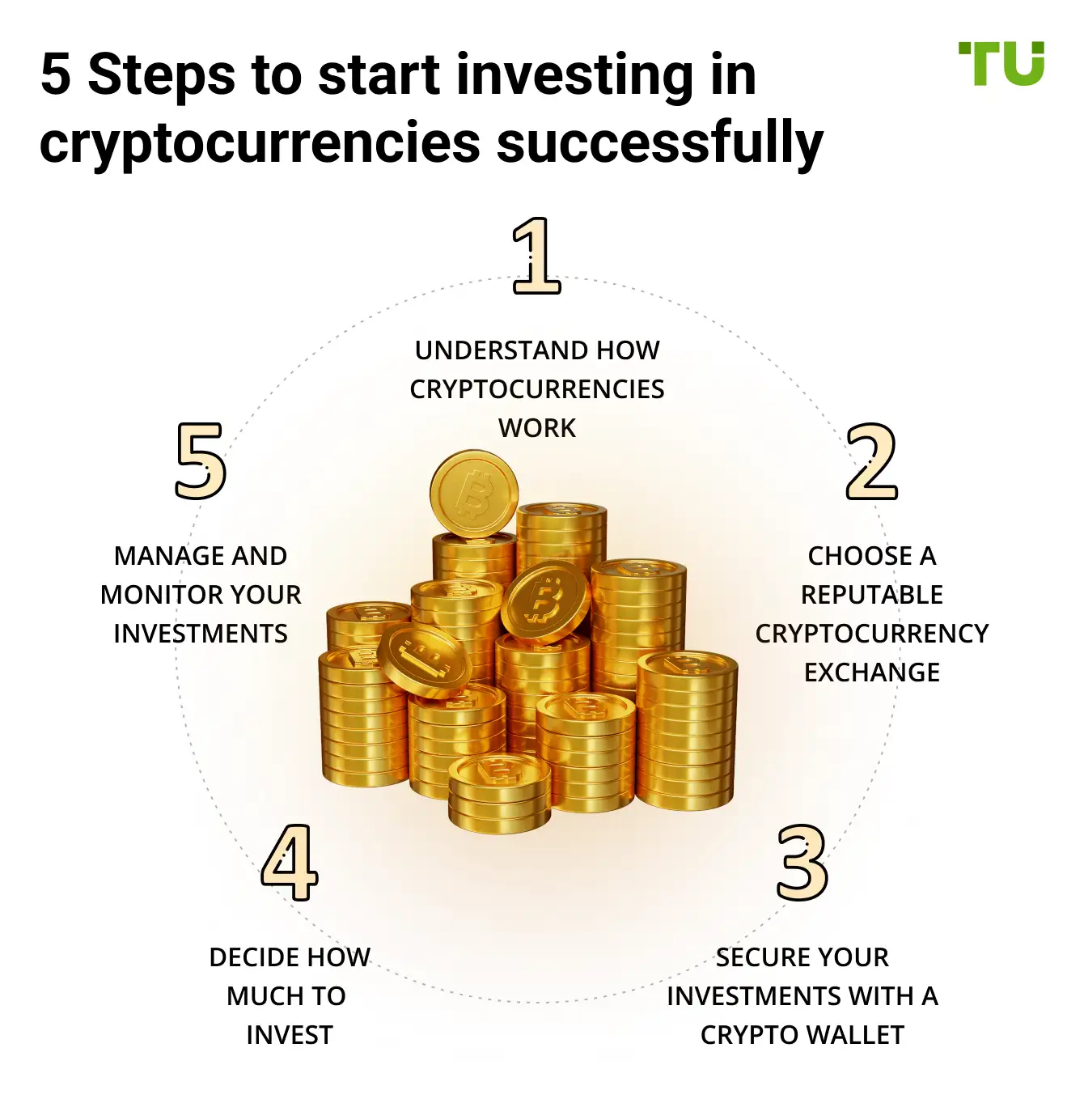
Understanding the Cryptocurrency Landscape
Before committing capital, a fundamental grasp of what cryptocurrency entails from an investment perspective is paramount. It’s more than just digital cash; it represents a paradigm shift in financial technology, offering potential for both significant gains and considerable risks.
What is Cryptocurrency from an Investor’s Standpoint?
At its core, a cryptocurrency is a digital or virtual currency secured by cryptography, making it nearly impossible to counterfeit or double-spend. Unlike traditional currencies issued by central banks, cryptocurrencies operate on decentralized networks based on blockchain technology. For an investor, this decentralization is a key differentiator, implying a system free from governmental oversight or bank intermediaries. Each unit of cryptocurrency is a digital asset with a market value, driven by supply, demand, utility, and speculative interest. Understanding this distinction is the first step in assessing its place within your personal finance strategy.
Why Consider Cryptocurrency for Your Portfolio?
The allure of cryptocurrency investment stems from several compelling factors. Firstly, the potential for high returns has captivated many. Bitcoin, Ethereum, and other major cryptocurrencies have demonstrated explosive growth over various periods, outperforming traditional assets significantly. Secondly, cryptocurrency offers portfolio diversification, acting as a non-correlated asset to stocks, bonds, and real estate, potentially reducing overall portfolio risk in certain market conditions. Thirdly, the underlying blockchain technology offers innovative solutions in various sectors, from finance and supply chain to gaming and digital identity, suggesting long-term intrinsic value beyond mere speculation. Investors often seek exposure to this technological revolution and its future financial implications.
Key Characteristics of the Crypto Market
The cryptocurrency market is characterized by extreme volatility, a factor that both attracts and deters investors. Prices can swing wildly within short periods, driven by news, sentiment, regulatory changes, and broader economic factors. This volatility means that while substantial profits are possible, so are significant losses. Furthermore, the market operates 24/7, globally, without the traditional closing hours of stock exchanges. Liquidity varies widely among different cryptocurrencies, with major assets like Bitcoin and Ethereum offering deep markets, while smaller altcoins may have thinner trading volumes. Understanding these characteristics is vital for managing expectations and designing an appropriate investment strategy.
Getting Started: The Practical Steps to Investment
Once you understand the basic landscape, the next logical step is to translate that understanding into actionable investment decisions. This section outlines the practical financial processes involved in acquiring your first cryptocurrency assets.
Choosing a Reliable Cryptocurrency Exchange
The gateway to cryptocurrency investment is a reliable exchange, which functions much like a brokerage account for traditional securities. When selecting an exchange, prioritize platforms known for their robust security measures, competitive fees, diverse asset offerings, and user-friendly interfaces. Look for exchanges that are regulated in reputable jurisdictions and have a strong track record of preventing hacks and protecting user funds. Popular choices include Coinbase, Binance, Kraken, and Gemini, each with its own advantages regarding features, fees, and supported currencies. Researching their terms of service, geographical availability, and customer support quality is a crucial due diligence step before entrusting your capital.
Setting Up Your Account and Verification
After selecting an exchange, you’ll need to create an account. This typically involves providing an email address, setting a strong password, and undergoing a “Know Your Customer” (KYC) verification process. KYC is a regulatory requirement designed to prevent money laundering and fraud. It usually entails submitting personal identification documents, such as a government-issued ID, proof of address, and sometimes a selfie for facial recognition. While this might seem intrusive, it’s a necessary step to ensure the security and legitimacy of your transactions and to comply with financial regulations. Completing KYC fully often unlocks higher trading limits and withdrawal capabilities.
Funding Your Investment Account
With your account verified, the next step is to deposit funds. Most exchanges support various funding methods, including bank transfers (ACH or wire transfers), debit/credit card payments, and sometimes even third-party payment processors. Bank transfers generally have lower fees but can take several days to clear, while debit/credit card payments are faster but often incur higher transaction fees. Some exchanges also allow you to fund your account with other cryptocurrencies, though this is usually for experienced investors. Carefully consider the fees associated with each deposit method, as these can impact your overall investment returns.
Making Your First Purchase
Once your account is funded, you’re ready to make your first cryptocurrency purchase. Navigate to the trading section of your chosen exchange. Here, you’ll typically find a “Buy/Sell” or “Trade” interface. Select the cryptocurrency you wish to buy (e.g., Bitcoin, Ethereum) and enter the amount you want to invest. Most exchanges offer market orders (to buy at the current market price) and limit orders (to buy at a specific price you set). For beginners, a simple market order is often sufficient to get started. Review the transaction details, including any fees, before confirming your purchase. Congratulations, you are now a cryptocurrency investor!
Crafting Your Cryptocurrency Investment Strategy
Successful cryptocurrency investment requires more than just buying assets; it demands a well-thought-out strategy that aligns with your financial goals and risk tolerance.
Diversification Across Different Digital Assets
Just as you wouldn’t put all your traditional investment capital into a single stock, it’s prudent to diversify your cryptocurrency holdings. While Bitcoin and Ethereum are often considered the “blue chips” of crypto, a balanced portfolio might include exposure to other promising altcoins, stablecoins (which peg their value to fiat currencies to reduce volatility), or even different sectors within crypto, such as DeFi (Decentralized Finance) or NFTs (Non-Fungible Tokens) if you understand their underlying value. Diversification helps mitigate the risk associated with the volatile nature of individual assets and allows you to potentially capture growth from various segments of the market. However, avoid over-diversifying into too many obscure assets without proper research.
Long-Term Holding (HODLing) vs. Short-Term Trading
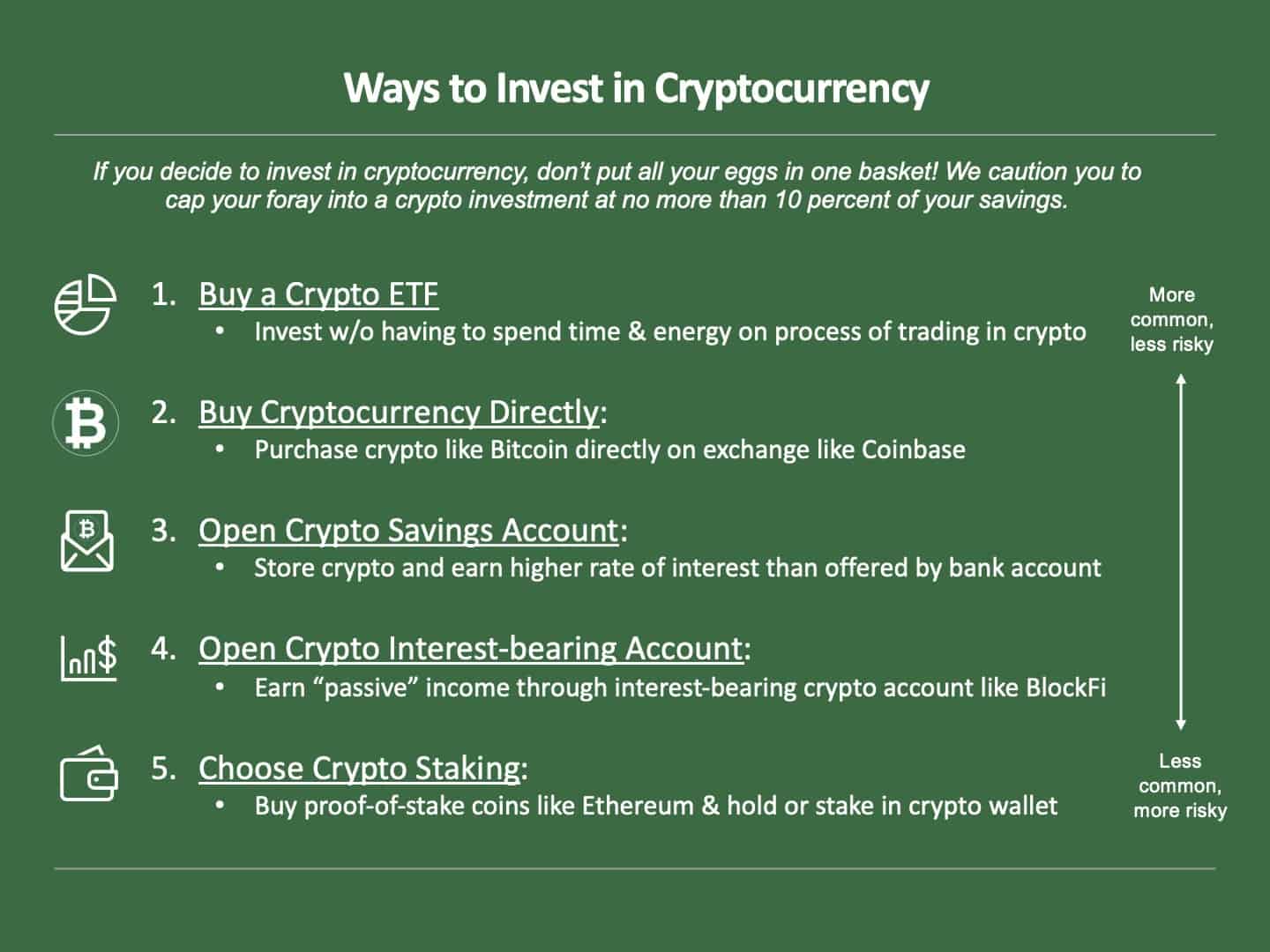
Your investment horizon significantly influences your strategy. “HODLing” (a misspelling of “hold” that became a meme) refers to a long-term strategy where investors buy and hold cryptocurrencies for an extended period, often years, riding out market fluctuations with the belief that the value will appreciate over time. This approach minimizes transaction fees and the stress of daily market watching. Short-term trading, on the other hand, involves frequent buying and selling to capitalize on smaller price movements. This requires extensive market analysis, technical charting skills, and a higher tolerance for risk and stress. For most beginners, a long-term HODLing strategy, perhaps combined with dollar-cost averaging, is generally more advisable.
Researching Potential Investments and Due Diligence
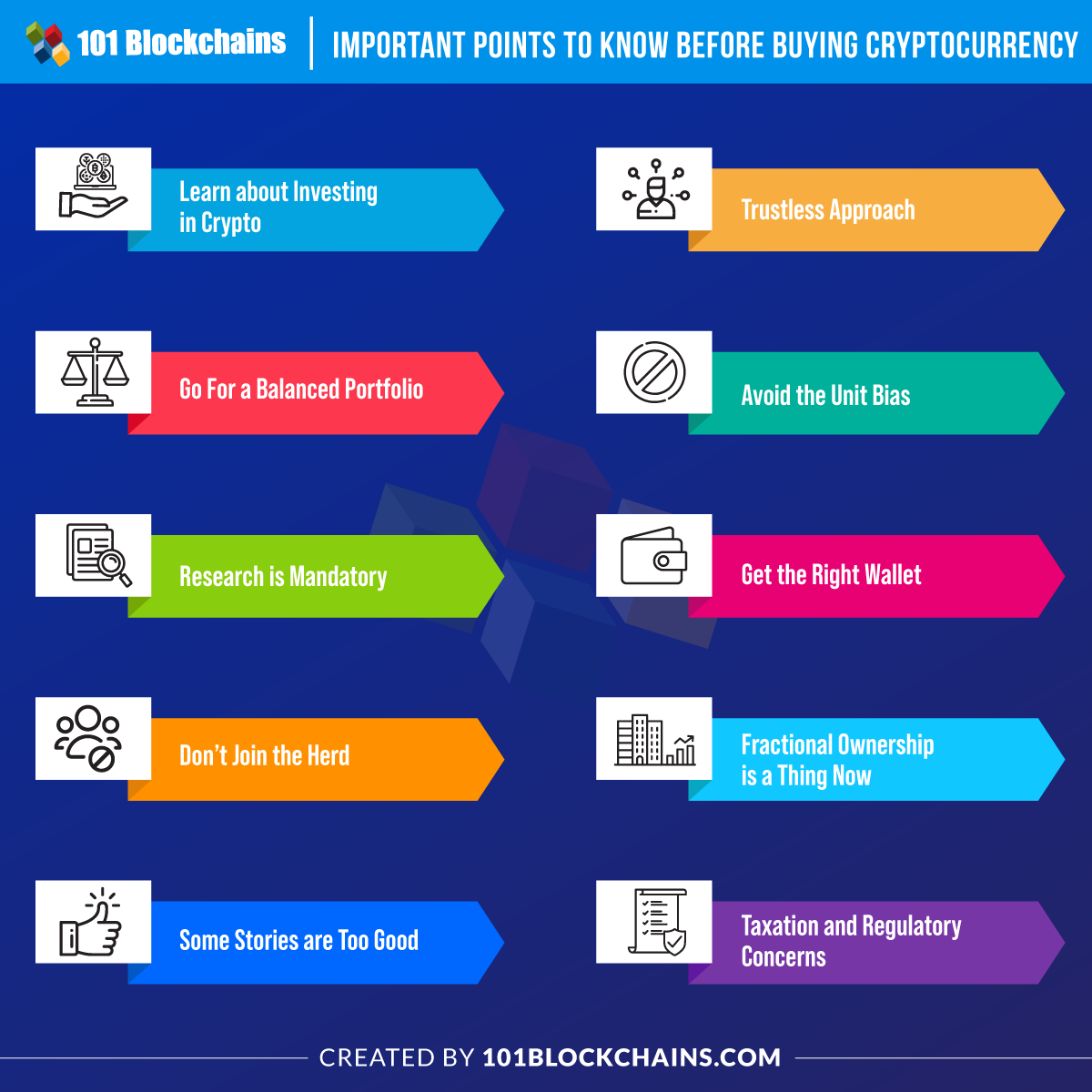
Investing in cryptocurrency requires rigorous research, often referred to as “due diligence.” Don’t invest based on hype or social media trends. Instead, delve into the project’s whitepaper, understand its underlying technology, evaluate the team behind it, assess its market capitalization and circulating supply, and scrutinize its use case and adoption potential. Consider the tokenomics (how the cryptocurrency is created, distributed, and managed). Look for strong communities, active development, and clear roadmaps. Resources like CoinMarketCap, CoinGecko, and independent crypto research sites can provide valuable data. A thorough understanding helps you separate legitimate projects with long-term potential from speculative ventures.
Dollar-Cost Averaging (DCA)
Dollar-Cost Averaging (DCA) is a powerful investment strategy applicable to cryptocurrencies, particularly given their volatility. Instead of investing a large lump sum at once, DCA involves investing a fixed amount of money at regular intervals (e.g., weekly or monthly), regardless of the asset’s price. When prices are high, your fixed sum buys fewer units; when prices are low, it buys more. Over time, this strategy helps to average out your purchase price, reducing the risk of making a large investment at a market peak. DCA removes emotional decision-making from investing and is an excellent way for new investors to gradually build their crypto portfolio while mitigating risk.
Navigating Risks and Ensuring Security
The decentralized nature and relative newness of the cryptocurrency market present unique risks that investors must understand and actively manage. Financial security extends beyond market volatility to include safeguarding your digital assets.
Understanding Market Volatility and Its Impact
As previously mentioned, cryptocurrency markets are highly volatile. This means that your investment can experience dramatic price swings, often exceeding those of traditional assets. While this volatility offers the potential for rapid gains, it also carries the risk of equally rapid losses. It’s crucial to only invest capital you can afford to lose and to prepare psychologically for significant portfolio fluctuations. Emotional trading decisions driven by fear or greed are common pitfalls that can lead to poor financial outcomes. A disciplined approach, sticking to your predetermined strategy, is vital to navigate this inherent market characteristic.
Protecting Your Digital Assets: Wallets and Security Measures
Once you own cryptocurrency, securing it becomes paramount. Leaving large amounts of crypto on an exchange, while convenient for trading, exposes you to the risk of exchange hacks or insolvency. For long-term holding, transferring your assets to a personal cryptocurrency wallet is highly recommended. These come in two main types:
- Hot Wallets: Connected to the internet (e.g., mobile apps, desktop software, web wallets). They are convenient but slightly more vulnerable.
- Cold Wallets: Offline storage solutions (e.g., hardware wallets like Ledger or Trezor, or paper wallets). These are considered the most secure as they are impervious to online hacks.
Beyond choosing a wallet, always enable Two-Factor Authentication (2FA) on your exchange and wallet accounts, use strong, unique passwords, and be wary of phishing attempts. Never share your private keys or seed phrase with anyone. These are the equivalent of the keys to your financial safe.
Avoiding Scams and Fraud
The cryptocurrency space, unfortunately, is rife with scams. These can range from phishing emails designed to steal your login credentials, fake investment schemes promising unrealistic returns, fraudulent initial coin offerings (ICOs), and pump-and-dump schemes that artificially inflate prices before crashing. Always be skeptical of unsolicited offers, resist pressure to invest quickly, and thoroughly vet any project or opportunity before committing funds. If an offer seems too good to be true, it almost certainly is. Educate yourself on common scam tactics to protect your financial well-being.
Regulatory Uncertainty and Its Implications
The regulatory landscape for cryptocurrencies is still evolving globally. Different countries and jurisdictions are adopting varying approaches, from outright bans to embracing digital assets with clear frameworks. This regulatory uncertainty can impact market sentiment, asset prices, and the operational viability of crypto businesses. Changes in tax laws, securities regulations, or banking policies related to crypto can have significant financial implications for investors. Staying informed about regulatory developments in your region is crucial for understanding potential impacts on your investments and ensuring compliance.
The Future of Cryptocurrency Investment
The journey of cryptocurrency investment is still in its early stages. While challenges persist, the trajectory points towards increasing integration into the global financial system.
Evolving Regulatory Frameworks
As cryptocurrencies gain mainstream adoption, governments and financial institutions are increasingly working towards establishing clearer regulatory frameworks. This evolution is likely to bring greater stability, investor protection, and legitimacy to the market. We can anticipate more defined guidelines for exchanges, asset classifications, and tax obligations. While initial regulations might create short-term market volatility as the industry adapts, a mature regulatory environment is generally seen as a positive for long-term growth and institutional confidence, making cryptocurrency a more conventional asset class.
Institutional Adoption and Market Maturation
The past few years have seen a surge in institutional interest and adoption of cryptocurrencies. Major corporations, investment funds, and even public companies are allocating portions of their treasuries to Bitcoin and other digital assets. This institutional flow of capital brings increased liquidity, market depth, and legitimacy, contributing to the maturation of the asset class. As more sophisticated financial products, such as spot Bitcoin ETFs, become widely available, access to cryptocurrency investment will broaden, making it easier for traditional investors to gain exposure. This trend suggests a future where digital assets play a more central role in global financial portfolios.
Continuous Learning and Adaptation
The cryptocurrency market is dynamic and constantly innovating. New technologies, projects, and financial instruments emerge regularly. For investors, continuous learning and adaptation are not just advantageous but essential. Staying informed about blockchain advancements, market trends, regulatory updates, and emerging investment opportunities will be key to long-term success. Engaging with reputable financial news sources, academic research, and community discussions can help you remain agile and make informed decisions in this rapidly evolving financial frontier.
In conclusion, investing in cryptocurrency is a journey that blends financial acumen with an understanding of emerging technology. By approaching it with a clear strategy, diligent research, robust security practices, and an awareness of the inherent risks, investors can navigate this exciting domain and potentially harness its transformative financial opportunities. Remember, prudent financial management and a long-term perspective remain the cornerstones of successful investing, regardless of the asset class.
aViewFromTheCave is a participant in the Amazon Services LLC Associates Program, an affiliate advertising program designed to provide a means for sites to earn advertising fees by advertising and linking to Amazon.com. Amazon, the Amazon logo, AmazonSupply, and the AmazonSupply logo are trademarks of Amazon.com, Inc. or its affiliates. As an Amazon Associate we earn affiliate commissions from qualifying purchases.