
In the contemporary landscape of digital education, maintaining academic integrity has transitioned from a physical classroom challenge to a complex technological requirement. As educational institutions worldwide pivot toward hybrid and remote learning models, tools like the Respondus LockDown Browser have become indispensable. For MacBook users, the installation process involves navigating specific macOS security protocols designed to protect the integrity of the operating system while allowing specialized software to function. This guide provides a professional, in-depth analysis of the installation, configuration, and optimization of LockDown Browser on macOS.
Understanding Respondus LockDown Browser and Its Security Architecture
Before proceeding with the technical installation, it is crucial to understand the technological framework of the Respondus LockDown Browser. Unlike a standard web browser such as Safari or Chrome, LockDown Browser is a custom browser that locks down the testing environment within a learning management system (LMS) like Canvas, Blackboard, or Moodle.
What is LockDown Browser?
LockDown Browser is a specialized application that inhibits digital cheating during online assessments. From a technical standpoint, it functions as a sandbox environment. When launched, it restricts the user’s ability to print, copy, go to another URL, or access other applications. For MacBook users, this means the software must interface deeply with the macOS kernel to disable features like “Mission Control,” “Command+Tab” switching, and screen capture shortcuts.
The Role of Digital Integrity in Online Education
The software represents a critical pillar in “EdTech” (Educational Technology) security. By creating a secure “tunnel” between the student’s local hardware and the institution’s exam server, it ensures that the assessment reflects the student’s actual knowledge without the aid of external digital resources. In the Tech niche, this is referred to as endpoint security management, where the software temporarily takes control of the user’s interface to prevent unauthorized actions.
System Requirements and Pre-Installation Checks for macOS
Installing specialized software on a MacBook requires a clear understanding of hardware and software compatibility. Apple’s transition from Intel processors to Apple Silicon (M1, M2, and M3 chips) and the iterative updates to macOS (from Big Sur to Sonoma) have introduced new layers of security that users must navigate.
Hardware and Software Compatibility
To ensure a seamless installation, your MacBook must meet the following minimum technical specifications:
-
Operating System: macOS 10.13 to 14.0+ (Respondus frequently updates compatibility to match Apple’s latest releases).
-
Memory: A minimum of 4 GB RAM, though 8 GB is recommended for optimal performance during proctored sessions involving video.
-
Hard Disk Space: At least 200 MB of free space for the application and temporary cached files.
-
Processor: Intel or Apple Silicon (LockDown Browser is optimized for both, though Apple Silicon users may occasionally trigger the Rosetta 2 translation layer if the institution uses an older build).
Necessary Permissions and Security Settings
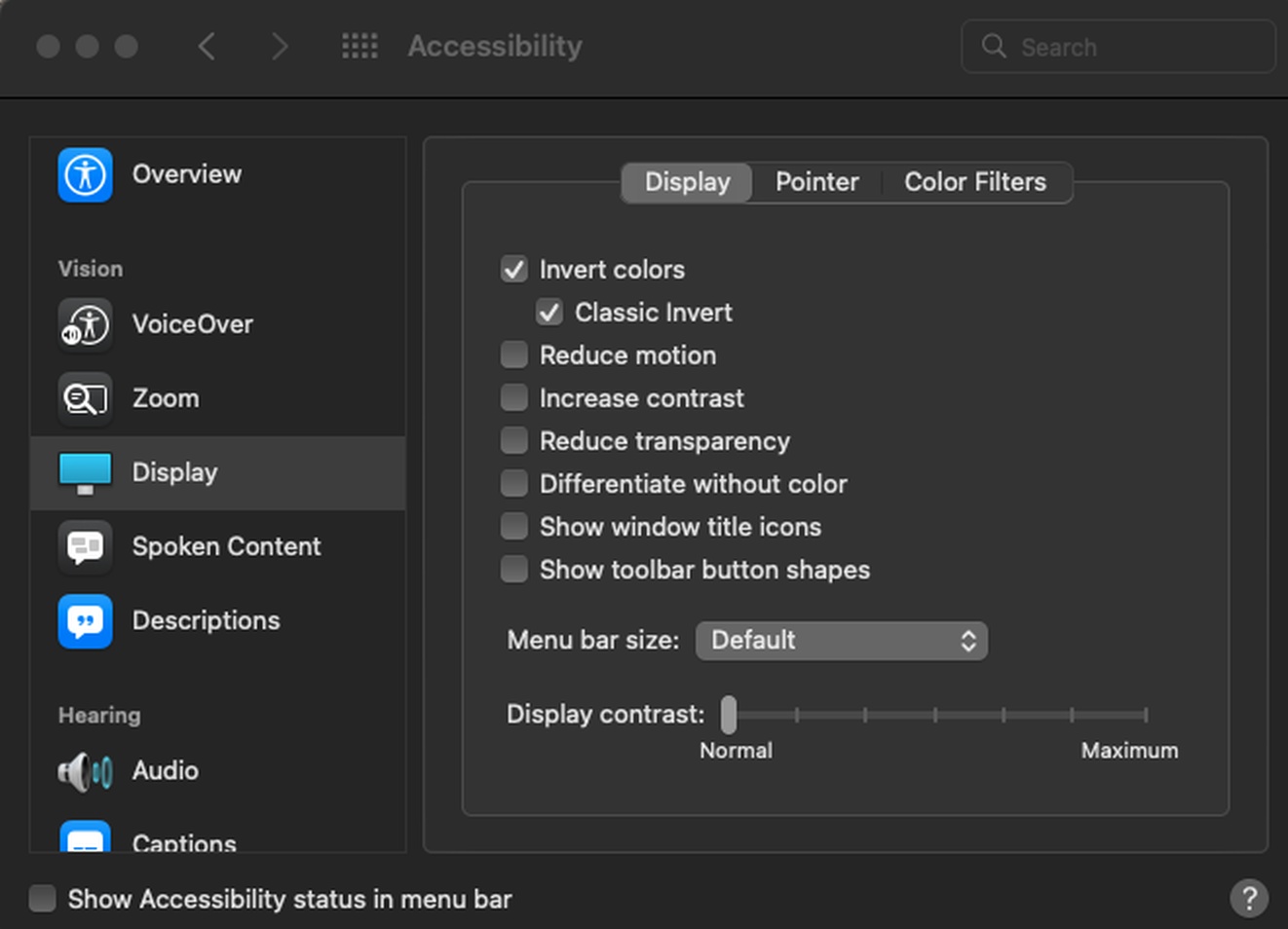
macOS is renowned for its stringent “Gatekeeper” security. Before installing, ensure you have administrative privileges on your MacBook. LockDown Browser requires access to the camera and microphone (if the exam is proctored) and “Accessibility” permissions to manage the desktop environment. Users should be prepared to interact with the “System Settings” (formerly System Preferences) to grant these high-level permissions.
Step-by-Step Installation Guide for MacBook Users
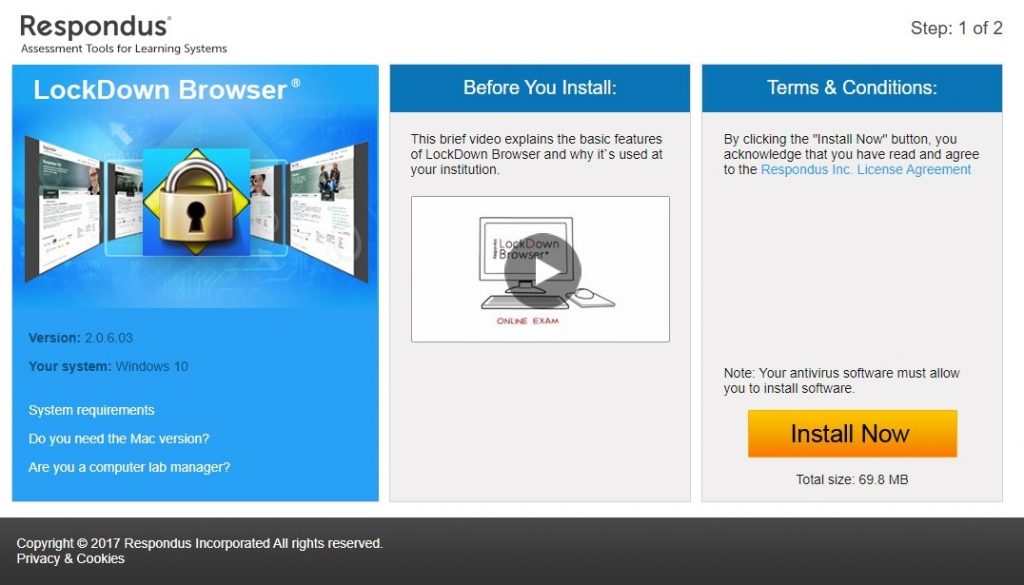
The installation of LockDown Browser is unique because the software is often “branded” or customized for specific institutions. You cannot simply download a “generic” version from the Mac App Store; you must use the specific link provided by your educational institution.
Downloading the Installer Package
-
Access the Unique URL: Log in to your institution’s Learning Management System (LMS) and navigate to the quiz or exam section. Usually, a download link is provided there.
-
Verify the Source: Ensure the download originates from a
respondus.comdomain. -
Identify the File: On a Mac, the file will typically be a
.ziparchive containing a.pkg(Package) or.dmg(Disk Image) file. Once downloaded, double-click the.zipfile to extract the installer.
Executing the Installation Wizard
-
Launch the Installer: Double-click the
Install Respondus LockDown Browser.pkgfile. -
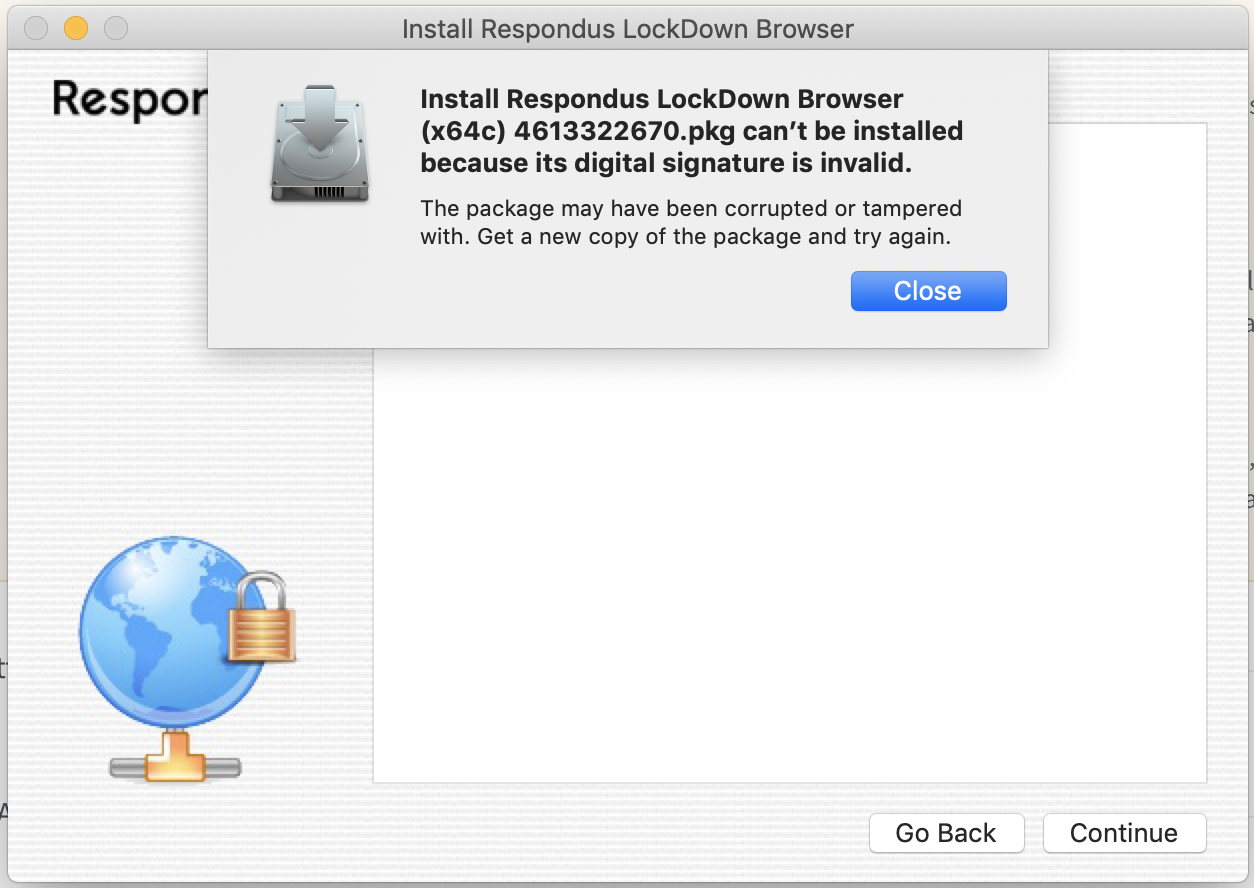
Security Verification: You may see a macOS warning stating the package is from a “verified developer.” Click “Open” or “Continue.”
-
Guided Steps: Follow the on-screen instructions. You will be asked to agree to the License Agreement.
-
Authentication: macOS will prompt you for your MacBook’s administrator password or Touch ID to authorize the installation of a new application.
-
Completion: Once the progress bar reaches the end, click “Close.” The application will now be located in your “Applications” folder.
Verifying the Installation
It is a technical best practice to verify the installation before the day of the exam. Locate the LockDown Browser icon in your Applications folder or via Spotlight (Command + Space). Launch it to ensure the application opens without a “Crash on Launch” error. It will typically prompt you to close any unauthorized background applications, such as Spotify, Discord, or screen-sharing tools like Zoom.
Troubleshooting Common Installation and Launch Issues
Despite the streamlined nature of macOS, technical conflicts can arise due to the intrusive nature of lockdown software. Troubleshooting requires a methodical approach to identifying software conflicts.
Resolving “App Cannot Be Opened” Warnings
Apple’s Gatekeeper may occasionally block the software if it perceives it as a security risk. To resolve this:
-
Go to System Settings > Privacy & Security.
-
Scroll down to the Security section.
-
If the browser was blocked, you would see a message saying “LockDown Browser was blocked from use…” Click Open Anyway and enter your admin password.
Handling Background Application Interference
LockDown Browser is designed to detect “blacklisted” applications. On a MacBook, common culprits include:
-
Siri: Sometimes Siri’s background process triggers a security flag. It is recommended to disable “Hey Siri” during exams.
-
Universal Control / Handoff: These macOS features allow interaction across Apple devices and can sometimes be flagged as a potential cheating vector.
-
Auto-Update Daemons: Software like Adobe Creative Cloud or Google Software Update can occasionally attempt to launch in the background. If the browser asks you to close these, use the “Kill Process” button provided by the LockDown Browser interface.
Network Connectivity and Server Sync
If the browser installs but fails to load the login page, the issue is likely network-related. MacBooks using aggressive firewall settings or VPNs may block the browser’s ability to reach the Respondus servers. Ensure that any VPN is disconnected and that your Wi-Fi is on a private, stable network rather than a restricted public hotspot.
Best Practices for Maintaining a Secure Testing Environment
The installation is only the first step. To ensure the software functions reliably throughout the academic term, MacBook users must adopt specific digital maintenance habits.
Regular Updates and Version Control
Respondus frequently releases patches to keep up with Apple’s rapid macOS update cycle. Every time you launch the browser, it performs a version check. If an update is available, always choose to install it immediately. Running an outdated version of LockDown Browser on a newer version of macOS is a primary cause of system freezes and “Kernel Panics.”
Optimizing Your MacBook for Peak Performance during Exams
To prevent technical lag during an assessment, follow these tech-centric optimization steps:
-
Restart Before Use: A fresh reboot clears the RAM and terminates stray background processes that might conflict with the browser.
-
Power Management: Always keep your MacBook plugged into a power source. LockDown Browser and the associated proctoring webcam feed consume significant CPU cycles, which can drain a battery rapidly.
-
Monitor “Screen Recording” Permissions: In the latest macOS versions, even if the app is installed, you must manually ensure that “Screen Recording” is enabled for LockDown Browser in the Privacy & Security settings if your exam requires a webcam (Proctored mode). This allows the software to capture the video feed of the student.
By following this technical roadmap, MacBook users can ensure that the Respondus LockDown Browser is not just installed, but optimized for a high-stakes academic environment. Understanding the intersection of Apple’s security architecture and the demands of digital proctoring software is the key to a stress-free and successful online examination experience.
aViewFromTheCave is a participant in the Amazon Services LLC Associates Program, an affiliate advertising program designed to provide a means for sites to earn advertising fees by advertising and linking to Amazon.com. Amazon, the Amazon logo, AmazonSupply, and the AmazonSupply logo are trademarks of Amazon.com, Inc. or its affiliates. As an Amazon Associate we earn affiliate commissions from qualifying purchases.