
In an era defined by technological advancement, optimizing our home environments for health and efficiency has become paramount. Among the often-overlooked yet critical components of a modern household is the water filtration system. A Kenmore water filter, a testament to practical home technology, plays a vital role in delivering clean, purified water for drinking, cooking, and even appliance longevity. This guide delves into the specifics of installing a Kenmore water filter, framing the process not just as a mundane chore, but as an essential technological upgrade that directly impacts wellness and the operational integrity of your home appliances. By understanding the ‘how-to’ through a tech-centric lens, users can ensure optimal performance and leverage the full benefits of this sophisticated filtration gadget.

The Technological Imperative of Water Filtration in Modern Homes
The quality of tap water, despite municipal treatments, can often be compromised by a myriad of contaminants, ranging from sediment and chlorine to heavy metals and micro-plastics. This isn’t just a health concern; it’s a technological challenge for the systems and appliances within our homes. Hard water, for instance, can lead to scale buildup in coffee makers, ice makers, and even dishwashers, significantly reducing their lifespan and efficiency – a costly technical debt over time. Implementing an effective water filtration system, like those offered by Kenmore, transitions water quality from a liability to a robust asset, safeguarding both human health and hardware performance.
Understanding Kenmore’s Filtration Technology
Kenmore water filters are engineered to utilize multi-stage filtration processes, often employing activated carbon blocks, particulate filters, and sometimes advanced ion-exchange resins. These components work in concert to trap and neutralize impurities at a microscopic level. Activated carbon, for instance, is a marvel of material science, with its vast surface area capable of adsorbing chlorine, volatile organic compounds (VOCs), and other taste- and odor-altering substances. Particulate filters tackle larger sediment, protecting plumbing and internal appliance mechanisms. The sophistication lies not just in the materials but in the precise engineering of the cartridge itself, designed for optimal flow rates and contaminant reduction specific to Kenmore appliances, ensuring that every drop delivered meets stringent quality standards. This is not merely a filter; it’s a carefully calibrated piece of fluid dynamics technology integrated into your home’s infrastructure.
Health and Appliance Benefits of Advanced Filtration Systems
The immediate benefit of a Kenmore water filter is, of course, improved water taste and smell, making hydration more appealing. Beyond sensory improvements, the reduction of contaminants has profound health implications, minimizing exposure to potentially harmful substances. From a technology and appliance perspective, the advantages are equally compelling. By removing dissolved solids and chlorine, filtration systems dramatically reduce the wear and tear on water-dispensing appliances. Ice makers produce clearer, harder ice; coffee makers brew with greater consistency and longevity; and the internal components of refrigerators equipped with water dispensers remain free from mineral deposits that could lead to clogs or breakdowns. Investing in a quality filter is, in essence, an investment in the extended operational life and peak performance of your household’s water-reliant tech.
Preparing for Installation: Tools, Resources, and Essential Pre-Checks
Before embarking on the physical installation, a thorough preparation phase is crucial. This pre-installation protocol ensures a smooth process, prevents potential complications, and guarantees the immediate efficacy of the new filtration unit. Approaching this stage systematically, much like preparing for a software installation or hardware upgrade, minimizes downtime and maximizes success.
Identifying Your Kenmore Filter Type and Model
Kenmore offers a range of water filters designed for various applications, primarily refrigerators and standalone pitchers. Refrigerator filters are specific to the make and model of the appliance, often indicated by a part number printed on the filter housing or in the refrigerator’s manual. Before purchasing a replacement, it is imperative to cross-reference this model number. Using an incorrect filter, even if it appears to fit, can lead to leaks, reduced filtration efficiency, or damage to the appliance’s water dispensing system. Digital manuals and Kenmore’s online parts catalog are invaluable technological resources for precise identification, often allowing users to input their refrigerator model number to find the exact compatible filter. This precise matching is a fundamental step in ensuring system compatibility and peak performance.
Gathering the Right Tech-Friendly Tools
While Kenmore filter installation is largely a tool-free operation, having a few basic items on hand can streamline the process and address minor contingencies. A small towel or two is essential for catching drips, especially when dealing with residual water in the filter housing. A shallow pan can be useful for larger spills. For filters that require a quarter-turn rotation, a firm grip is usually sufficient, but for older, stubborn filters, a non-slip rubber grip pad or even a strap wrench (applied gently to avoid damage) can provide the necessary torque without compromising the filter housing. Ensuring adequate lighting, perhaps with a headlamp or a portable LED work light, improves visibility, especially in the often-cramped spaces behind or inside refrigerators. These seemingly low-tech tools are critical enablers for a successful high-tech component swap.
Pre-Installation Safety Protocols and System Disengagement
The most critical pre-installation step for any water filter is to shut off the water supply to the appliance. For refrigerator filters, this typically involves locating the shut-off valve behind the refrigerator or under the sink that supplies water to the fridge. Turning this valve fully clockwise will stop the water flow. If no individual shut-off valve is present, the main water supply to the entire house must be temporarily turned off. Once the water supply is secured, it’s advisable to dispense any remaining water from the refrigerator’s dispenser until the flow stops, which helps relieve residual pressure in the line and minimizes spills when the old filter is removed. This systematic disengagement ensures safety and prevents uncontrolled water release, which could lead to electrical hazards or water damage.
Step-by-Step Installation: A Seamless Integration of Filtration Tech
With preparations complete, the actual installation of the Kenmore water filter is a straightforward process, designed for user-friendliness. This section breaks down the sequence into manageable steps, emphasizing precision and attention to detail for optimal functionality.
The Disengagement and Removal Process for Old Filters
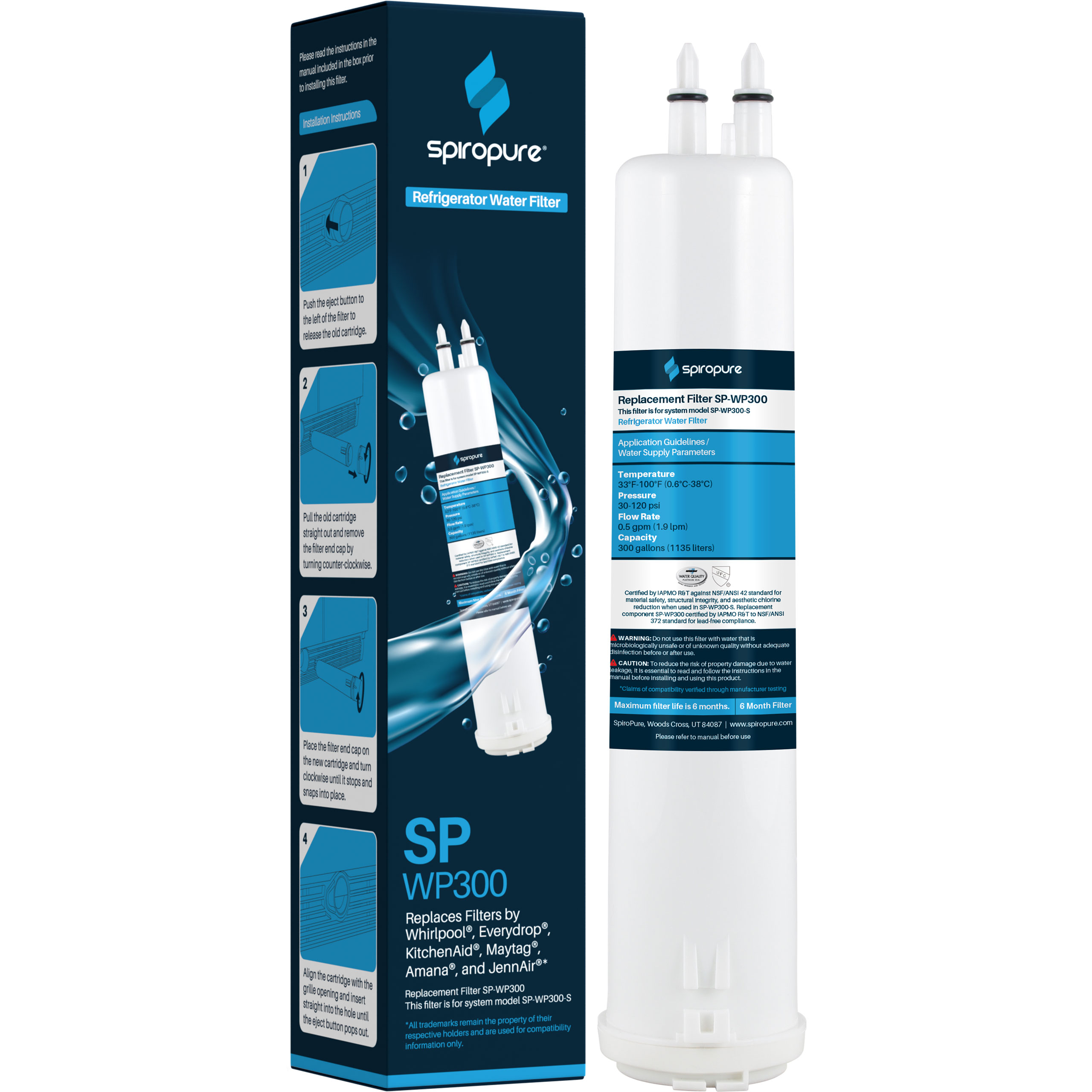
Accessing the old filter is the first physical step. Kenmore refrigerator filters are typically located either inside the refrigerator compartment (often in the upper right corner or on a shelf) or in the base grille at the bottom front of the appliance. Once located, the removal mechanism usually involves a simple twist or push-button release. For twist-out filters, grasp the filter firmly and rotate it counter-clockwise (typically a quarter-turn) until it disengages from its housing. For push-button releases, pressing the button will often eject the filter, which can then be pulled straight out. Be prepared for a small amount of water to drip out as the old filter is removed; this is normal and is residual water from the filter and lines. Having towels ready will mitigate any mess. Proper removal ensures the integrity of the housing for the new filter.
Precision Alignment and Installation of the New Filter Cartridge
Before inserting the new Kenmore filter, ensure that the protective cap or plastic wrapping is removed from the O-rings and filter ends. Lubricating the O-rings with a small amount of clean tap water can aid in smooth insertion and create a better seal, preventing future leaks. Align the new filter with the housing. Many Kenmore filters have an arrow or notch that indicates the correct alignment. Carefully push the new filter into the housing until it seats firmly. If it’s a twist-in type, rotate it clockwise until it locks into place – you may hear a click or feel it tighten securely. Do not overtighten, as this can damage the filter housing or the filter itself. The goal is a snug, leak-proof connection that allows water to flow correctly through the filtration media. This precision in seating ensures the filter functions as an integral part of your appliance’s water delivery system.
Activating the System: Flushing and Leak Detection
Once the new filter is securely in place, the water supply can be turned back on. Slowly open the shut-off valve (either behind the fridge or the main house valve) to allow water to flow back into the appliance. Immediately inspect the area around the newly installed filter for any signs of leaks. Even a slow drip indicates an improper seal, requiring the filter to be re-seated or checked for damage. After confirming there are no leaks, the system needs to be flushed. Dispense approximately 2-3 gallons of water through the refrigerator’s dispenser. This flushing process serves several critical functions: it purges air from the water lines, rinses any loose carbon particles from the new filter (which can cause initial cloudiness), and allows the filter to become fully saturated and operational. Initial water may appear cloudy or discolored; this is normal and will clear after flushing.
Post-Installation Optimization and Troubleshooting Common Tech Hurdles
The installation process is just the first step. Ensuring the filter performs optimally and addressing any post-installation issues are key to maximizing its value. This involves smart usage and knowing how to diagnose minor technical glitches.
Optimizing Filter Performance: Initial Flushing Protocols
Beyond the initial 2-3 gallons, some Kenmore filters benefit from continued flushing for a few minutes over the next several hours or days of light use. This ensures all air is completely purged and the filter media is fully hydrated, leading to optimal contaminant reduction and flow rates. For refrigerators with filter indicator lights, it may take a few minutes for the ‘replace filter’ light to reset, or it might need to be manually reset by holding down a designated button (often labeled “Filter,” “Reset Filter,” or “Water Filter”) for 3-5 seconds. Consult your refrigerator’s manual for specific reset instructions. Proper flushing not only primes the filter but also extends the life of subsequent filters by preventing premature clogging due to initial manufacturing dust.
Addressing Installation Glitches: Troubleshooting Low Flow or Leaks
Even with careful installation, minor issues can arise.
-
Low Water Flow: If water flow from the dispenser is significantly reduced after installation, it often indicates an airlock in the system, insufficient flushing, or an improperly seated filter. Re-flushing a gallon or two more often resolves airlocks. If not, re-check the filter’s seating, ensuring it is fully inserted and locked. In rare cases, a faulty new filter could be the culprit.
-
Leaks: Any leak, no matter how small, must be addressed immediately. First, turn off the water supply. Remove the filter and inspect the O-rings for any damage, twists, or debris. Ensure the filter housing itself is clean. Re-lubricate the O-rings with water and re-install the filter, ensuring it clicks or twists firmly into place. If leaks persist, it might indicate damage to the filter housing or a defective filter, necessitating a replacement. These are akin to software bugs or hardware malfunctions in a more complex system and require systematic debugging.
Digital Reminders and Smart Maintenance for Ongoing Purity
Many modern Kenmore refrigerators feature digital filter change indicators, which automatically track filter usage (either by time or gallons dispensed). However, manual tracking, perhaps through a calendar reminder or a smart home app integration, can provide an additional layer of vigilance. Some Kenmore filters even come with QR codes that link to online resources or allow for easy reordering, leveraging smart device capabilities. Setting up recurring reminders, whether through a smart assistant or a simple calendar entry, ensures that filter replacements occur on schedule, typically every six months, or when the indicator light illuminates, maintaining continuous optimal water quality and extending the life of your appliances. This proactive approach to maintenance is a cornerstone of intelligent home management.
The Long-Term Technological Advantage: Maximizing Your Kenmore Filter’s Lifespan
Understanding the operational cycles and maintenance routines of your Kenmore water filter is key to harnessing its full technological potential over time. Proper long-term care translates to consistent performance and maximized return on investment.
Understanding Filter Replacement Cycles and Indicators
Kenmore water filters, like most filtration media, have a finite lifespan. Their efficiency diminishes as they trap more contaminants. Most manufacturers recommend replacing refrigerator filters every six months or after filtering a certain volume of water, typically around 200-300 gallons, whichever comes first. Relying on your refrigerator’s digital filter indicator is generally a reliable method, but understanding the time/volume basis helps in anticipating replacements, especially if your household uses more water than average. Ignoring these indicators can lead to decreased water quality, reduced flow rates, and potentially even bacterial growth in an overloaded filter, effectively turning a protective technology into a liability. Consistent replacement ensures the system operates at peak efficiency.
Eco-Friendly Disposal and Recycling of Used Cartridges
As conscious consumers, the disposal of used filter cartridges is an important consideration. While many components of water filters are plastic, the presence of activated carbon and other filtration media can make conventional recycling challenging in some municipalities. However, several manufacturers and third-party programs offer recycling services for used water filters. Kenmore, through its parent company Sears or partner programs, may provide guidance on responsible disposal. If not, check with your local recycling facility for specific guidelines on plastic composites. Diverting these components from landfills aligns with a broader commitment to sustainable technology and responsible product lifecycle management, ensuring that even after its functional life, the filter’s impact is minimized.

Leveraging Smart Home Integration for Filter Management
Looking ahead, the evolution of home technology suggests even more integrated filter management. While current Kenmore systems often rely on internal indicators, future iterations might offer seamless integration with smart home ecosystems. Imagine a scenario where your smart refrigerator automatically orders a new filter when its life cycle is nearing an end, or a voice assistant reminds you based on your water consumption patterns. Some advanced refrigerators already connect to home Wi-Fi, allowing for remote monitoring and diagnostics via a smartphone app. As smart home technology continues to evolve, managing your Kenmore water filter could become an even more passive, automated process, further enhancing convenience and ensuring uninterrupted access to purified water – a testament to the ongoing convergence of domestic utility and cutting-edge tech.
In conclusion, installing a Kenmore water filter is more than a simple replacement task; it’s an intelligent decision to maintain and upgrade your home’s foundational technology for health and efficiency. By following these tech-informed guidelines, users can confidently manage their water filtration systems, ensuring a continuous supply of clean, great-tasting water and safeguarding their valuable home appliances for years to come.
aViewFromTheCave is a participant in the Amazon Services LLC Associates Program, an affiliate advertising program designed to provide a means for sites to earn advertising fees by advertising and linking to Amazon.com. Amazon, the Amazon logo, AmazonSupply, and the AmazonSupply logo are trademarks of Amazon.com, Inc. or its affiliates. As an Amazon Associate we earn affiliate commissions from qualifying purchases.