
The global transition toward sustainable mobility is no longer a futuristic concept; it is a current technological revolution. As electric vehicles (EVs) evolve from niche gadgets to mainstream transport, the infrastructure supporting them must keep pace. For the tech-savvy homeowner, installing an EV charger is more than a simple utility upgrade—it is the integration of high-powered hardware and smart software into the home’s ecosystem. This guide provides a deep dive into the technical requirements, installation protocols, and smart integrations necessary to establish a robust home charging station.
Decoding the Hardware: Choosing the Right Charging Tier
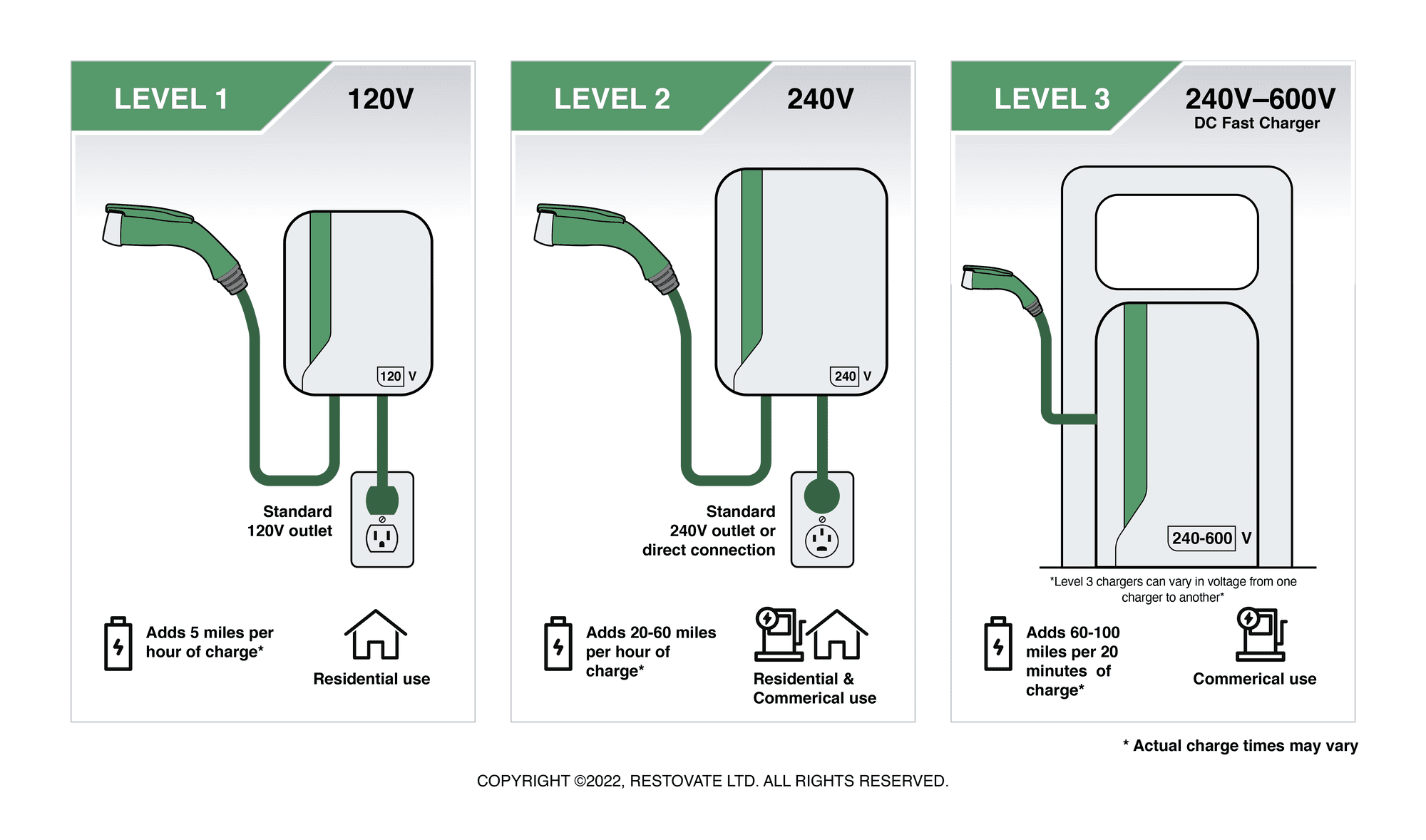
Before picking up a drill or opening a circuit breaker panel, it is essential to understand the technological differences between the types of charging hardware available. EV chargers are categorized into “levels” based on their power output and the speed at which they replenish a battery’s state of charge (SoC).
Level 1 vs. Level 2: The Technical Specifications
Most EVs come bundled with a Level 1 charger. Technically, this is a basic cord-set that plugs into a standard 120-volt AC outlet. While accessible, Level 1 charging is the slowest form of energy transfer, typically delivering 1.2 to 1.4 kW of power. For a modern EV with a 75 kWh battery, a full charge could take over 50 hours.
In contrast, a Level 2 charger—the standard for dedicated home installations—operates on 240 volts, similar to a heavy-duty appliance like a clothes dryer. Level 2 stations can deliver anywhere from 3.6 kW to 19.2 kW, depending on the amperage of the circuit and the vehicle’s onboard charger capacity. The technical leap from 120V to 240V reduces charging time significantly, often replenishing a full battery overnight in 4 to 10 hours.
Connector Standards: J1772, NACS, and CCS
The physical interface between the charger and the car is governed by specific technical standards. For years, the J1772 (Type 1) connector was the universal standard for Level 2 charging in North America. However, the landscape shifted recently with the emergence of the North American Charging Standard (NACS), originally developed by Tesla.
When selecting hardware, you must ensure compatibility. While adapters exist, choosing a charger with a native connector for your vehicle minimizes resistance and heat buildup during high-current sessions. Furthermore, understanding the communication protocol between the car and the charger (often using the ISO 15118 standard) ensures that “handshaking” occurs correctly, allowing the vehicle to request the precise amount of current it can handle.
Preparing the Digital and Electrical Backbone
Installing an EV charger is not a “plug-and-play” scenario in the traditional sense. It requires a sophisticated assessment of your home’s electrical infrastructure to ensure it can handle a sustained, high-amperage load for several hours at a time.
Assessing Electrical Panel Capacity and Load Calculation
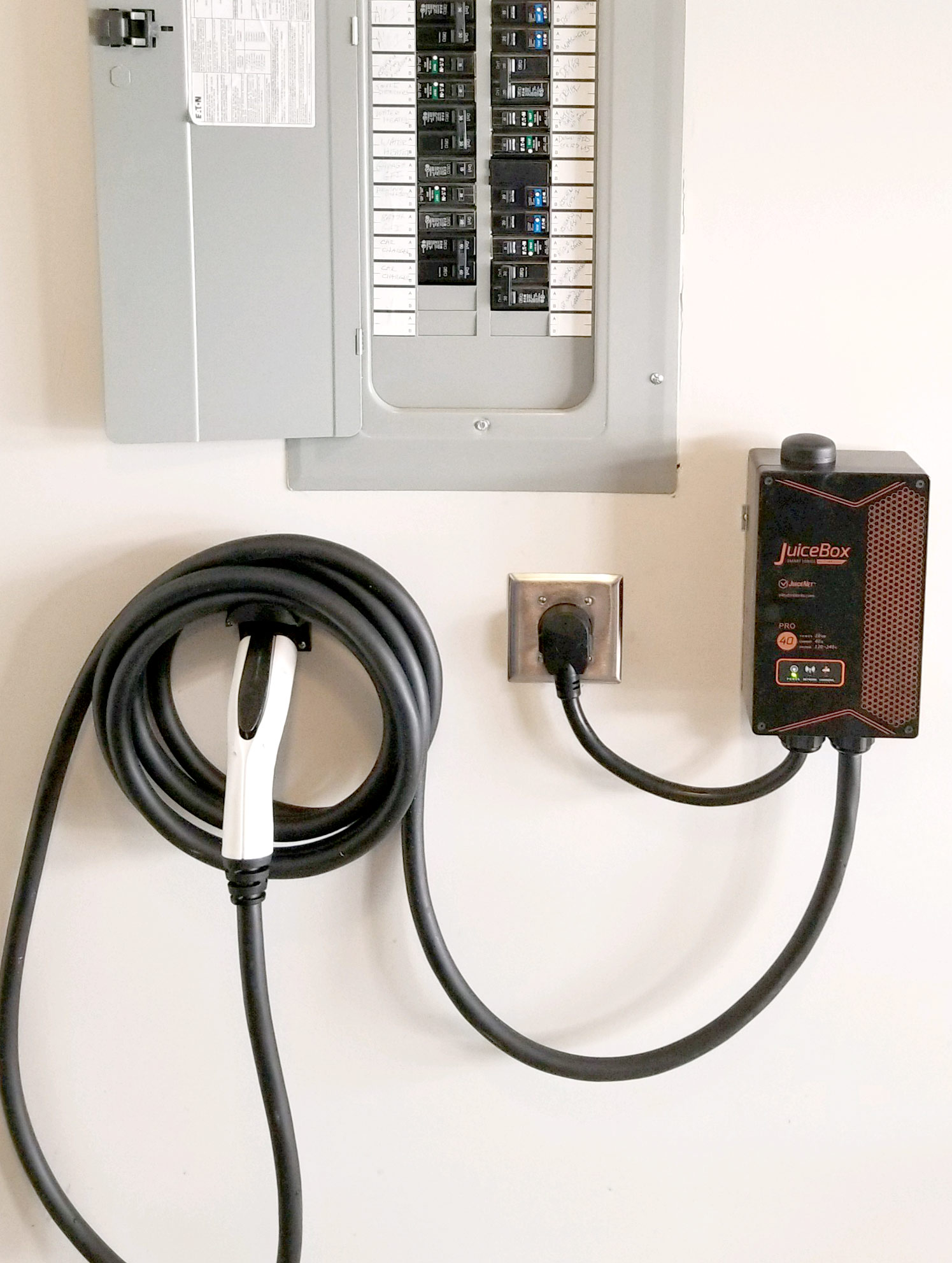
The most critical technical hurdle is the service capacity of your home’s electrical panel. Most modern homes have a 100-amp or 200-amp service. A Level 2 charger typically requires a dedicated 40-amp to 60-amp circuit.
To determine if your panel can handle the addition, a load calculation is required. This involves summing the existing electrical loads (HVAC, water heater, kitchen appliances) and comparing them against the total service capacity. If the panel is near its limit, you may need a service upgrade or a “smart load shedder.” This technological solution monitors total home power consumption and temporarily pauses the EV charger if the total load exceeds a safe threshold, preventing a main breaker trip.
Wiring Requirements and Circuit Breaker Selection
The gauge of the wiring used is dictated by the amperage of the charger. For a 40-amp charger, National Electrical Code (NEC) standards typically require 8 AWG or 6 AWG copper wire. Because an EV charger is considered a “continuous load” (meaning it runs at full power for more than three hours), the circuit must be oversized by 125%. Therefore, a charger that draws 32 amps requires a 40-amp breaker, and a charger drawing 48 amps requires a 60-amp breaker.
Furthermore, the choice of circuit breaker is vital. Many jurisdictions now require GFCI (Ground Fault Circuit Interrupter) breakers for EV circuits. However, many Level 2 chargers have internal GFCI protection. Installing a GFCI breaker on a circuit with a GFCI-equipped charger can sometimes lead to “nuisance tripping,” a technical conflict that must be resolved according to local building codes.
Step-by-Step Technical Installation
The physical installation involves high-voltage electrical work. While some enthusiasts may have the skills to perform the task, professional certification is often required for warranty validation and insurance compliance.
Physical Mounting and Weatherproofing
The charging unit, often referred to as Electric Vehicle Supply Equipment (EVSE), must be mounted at an ergonomic height, typically 48 inches from the floor. If the charger is installed outdoors, it must have a NEMA 3R or NEMA 4 rating to protect against rain, snow, and ice. The technical placement should also consider the length of the charging cable (usually 18 to 25 feet) to ensure it reaches the vehicle’s charge port without creating a trip hazard or putting tension on the connector.
Hardwiring vs. Plug-in Connections
There are two primary ways to connect the EVSE to the home’s power. A “plug-in” installation uses a NEMA 14-50 or NEMA 6-50 outlet. This offers flexibility, as the unit can be easily replaced or moved. However, plug-in connections are typically limited to 40 amps of output.
“Hardwiring” involves connecting the home’s electrical wires directly into the charger’s internal terminals. This is the technically superior method for high-performance units. Hardwiring allows for the highest possible charging speeds (up to 80 amps in some cases) and eliminates a potential point of failure—the outlet itself—which can occasionally overheat under the extreme thermal stress of EV charging.
Smart Integration and Software Optimization
Modern EV chargers are essentially IoT (Internet of Things) devices. The “smart” aspect of these chargers allows for data tracking, remote management, and integration with renewable energy sources.
Configuring Wi-Fi and App Connectivity
Once the hardware is powered on, the next step is software commissioning. Most premium chargers (such as those from ChargePoint, Wallbox, or Tesla) feature a dedicated mobile app. By connecting the charger to your home’s 2.4GHz or 5GHz Wi-Fi network, you unlock features like scheduled charging. This is technically advantageous for users on “Time-of-Use” (TOU) utility plans, allowing the charger to automatically activate during off-peak hours when the grid is less stressed and electricity is cheaper.
Dynamic Load Management and Grid Communication
Advanced EVSE units support the Open Charge Point Protocol (OCPP). This is an open-source communication standard that allows the charger to talk to various software backends. For homes with multiple EVs, “Power Sharing” or “Dynamic Load Management” allows two chargers to share a single circuit. The software intelligently negotiates the power distribution: if one car is nearly full and the other is empty, the empty car receives more amperage. This software-driven approach prevents the need for expensive secondary electrical runs.
Security, Maintenance, and Future-Proofing
As with any connected technology, the security and longevity of your EV charging setup depend on proactive maintenance and digital hygiene.
Implementing Cybersecurity Protocols
Because smart chargers are connected to your home network, they represent a potential entry point for cyber threats. Ensure your charger’s firmware is kept up to date. Manufacturers frequently release patches to fix vulnerabilities in the Wi-Fi stack. Additionally, using a strong, unique password for the charger’s management app and ensuring your home router uses WPA3 encryption are essential steps in securing your domestic infrastructure.

Future-Proofing for Bidirectional Charging (V2X)
The next frontier in EV technology is bidirectional charging, which includes Vehicle-to-Home (V2H) and Vehicle-to-Grid (V2G). This technology allows your car to act as a giant battery backup for your house during a power outage. While still in the early adoption phase, installing a charger that supports ISO 15118-20 (the standard for bidirectional power transfer) ensures your hardware won’t be obsolete in three years. Choosing a heavy-duty conduit that can accommodate larger wires in the future is another technical foresight that can save significant costs down the road.
In conclusion, installing an EV charger is a sophisticated blend of electrical engineering and digital integration. By understanding the hardware specifications, ensuring the electrical panel is technically capable, and leveraging smart software for optimization, you create a seamless and high-tech fueling station right in your garage. As the automotive industry continues its digital transformation, a well-installed, smart-enabled charger remains the most vital link in the chain of modern electric mobility.
aViewFromTheCave is a participant in the Amazon Services LLC Associates Program, an affiliate advertising program designed to provide a means for sites to earn advertising fees by advertising and linking to Amazon.com. Amazon, the Amazon logo, AmazonSupply, and the AmazonSupply logo are trademarks of Amazon.com, Inc. or its affiliates. As an Amazon Associate we earn affiliate commissions from qualifying purchases.