
Chromebooks have undergone a remarkable evolution, transforming from minimalist, cloud-dependent devices into versatile machines capable of handling far more than just web browsing. This transformation is largely thanks to the integration of a full-fledged Linux development environment, affectionately known as Crostini. For power users, developers, and those seeking to leverage specific open-source software not available via the Google Play Store or web apps, this Linux capability is a game-changer. One of the fundamental skills in the Linux world is knowing how to handle .tar.gz files – compressed archives that are a common method for distributing source code and software packages.

While the thought of delving into the command line might seem daunting to some, mastering the installation of .tar.gz files on your Chromebook opens up a new realm of possibilities, from niche productivity tools to specialized development environments. This comprehensive guide will walk you through the entire process, demystifying each step and empowering you to harness the full potential of your Chromebook’s Linux capabilities. We’ll explore not just the “how-to,” but also the “why,” connecting these technical steps to broader themes of technology trends, digital security, and personal productivity that define the modern computing landscape.
Demystifying tar.gz and Chromebook’s Linux Potential
Before we dive into the practical steps, it’s crucial to understand what a .tar.gz file is and why it’s so prevalent in the Linux ecosystem. We’ll also take a moment to appreciate how Chromebooks have embraced Linux, turning what was once a simple browser appliance into a surprisingly powerful and flexible gadget. This understanding forms the bedrock upon which your advanced Linux journey will be built.
What Exactly is a tar.gz File?
At its core, a .tar.gz file is a combination of two distinct utilities: tar (Tape Archive) and gzip (GNU Zip). The tar utility is used to consolidate multiple files and directories into a single archive file, often referred to as a “tarball.” This is incredibly useful for packaging an entire software project, including its source code, documentation, and various assets, into one convenient unit. Think of it like putting all your project files into a single box.
Once tar has done its job, gzip steps in. This is a compression algorithm that significantly reduces the size of the tarball, making it faster to download and consume less storage space. The .gz extension signifies that the file has been compressed with gzip. Therefore, a .tar.gz file (or sometimes just .tgz) is essentially a compressed archive containing one or more files and directories.
This format is ubiquitous in the Linux and Unix-like operating systems because it’s efficient, open-standard, and allows for the distribution of software in its raw form, giving users the flexibility to compile it for their specific system or modify it if they wish. It’s a cornerstone of the open-source software movement, facilitating the sharing and collaboration that drives much of today’s technological innovation. While modern Linux distributions often rely on package managers (like apt or dnf) for easier software installation, tar.gz remains a vital method for distributing software that isn’t in official repositories, or when you need a specific version or configuration.
The Chromebook Transformation: Embracing Linux
For many years, Chromebooks were seen as specialized devices, primarily designed for web-based tasks. Their simplicity, security, and affordability made them popular for education and light productivity. However, this perception began to shift dramatically with Google’s introduction of Crostini, the project that enables a full Linux container to run alongside Chrome OS. This wasn’t just a gimmick; it was a strategic move that fundamentally changed the capabilities and “brand” perception of the Chromebook.
Crostini allows users to install and run a vast array of Linux applications, from powerful development environments like VS Code and Android Studio, to graphic design suites like GIMP and Inkscape, and even niche scientific computing tools. This integration has elevated Chromebooks from simple web browsers to legitimate contenders in the productivity and development space, appealing to a wider audience, including students, developers, and even creative professionals. The underlying technology relies on containerization (similar to Docker), which provides a lightweight, isolated environment for Linux, ensuring it doesn’t interfere with the core Chrome OS experience while maintaining the robust security features Chromebooks are known for.
This technological leap directly impacts user productivity, enabling individuals to run sophisticated software that can facilitate everything from coding projects for online income to complex data analysis for a side hustle. It broadens the appeal of the Chromebook, positioning it not just as an affordable gadget but as a versatile platform for serious work, reflecting a key “technology trend” towards more flexible and powerful personal computing devices.
Preparing Your Chromebook for Advanced Software Installations
Before you can install any .tar.gz file, you need to ensure your Chromebook is properly configured. This involves enabling the Linux development environment and then preparing that environment with essential updates and tools. Think of this as laying the groundwork for your Linux adventure – a crucial step that ensures a smooth installation process down the line.
Activating the Linux Development Environment (Crostini)
Enabling Linux on your Chromebook is a straightforward process, but it’s the gateway to unlocking advanced software capabilities. Here’s how to do it:
- Access Settings: Click on the time/status area in the bottom-right corner of your screen, then click the gear icon to open Settings.
- Navigate to Linux Development Environment: In the left-hand menu of the Settings window, scroll down and look for “Linux development environment (Beta)” or simply “Linux.” Click on it.
- Turn On: You’ll see an option to “Turn on” the Linux development environment. Click this button.
- Follow On-Screen Prompts: A setup wizard will guide you through the initial configuration. You’ll be prompted to choose a username and allocate disk space for your Linux container. For disk space, while the default is usually sufficient for basic use, if you plan on installing several large applications or development tools, it’s wise to allocate more (e.g., 20-30 GB if you have the available storage). You can always adjust this later in settings if needed.
- Installation Process: The Chromebook will then download and install the necessary files for the Debian-based Linux environment. This process can take several minutes, depending on your internet speed.
- Terminal App: Once completed, a Linux Terminal app will appear in your app launcher. This is your command-line interface to the Linux world. Open it!
Successfully setting up Crostini is your first big step into leveraging more advanced “software” and “apps” on your Chromebook, moving beyond the confines of the Chrome browser and Android ecosystem.
Essential Linux Container Setup and Updates
Even after enabling Linux, your environment isn’t quite ready for advanced installations. Just like any operating system, it needs to be updated and equipped with some fundamental tools. This step is critical for “digital security” and “productivity,” ensuring your system is stable, secure, and has all the necessary components for compiling software.
-
Update Your Package List: The first command you should always run in a fresh Linux environment is
sudo apt update. This command downloads the latest package information from the configured repositories. It doesn’t install anything but updates the list of available packages and their versions.sudo apt updatesudostands for “superuser do” and allows you to run commands with administrative privileges, which is necessary for system-level changes.aptis the package manager for Debian-based systems like the one Crostini uses. -
Upgrade Installed Packages: After updating the package list, it’s good practice to upgrade any installed packages to their latest versions. This helps patch security vulnerabilities and improves stability.
sudo apt upgrade -yThe
-yflag automatically answers “yes” to any prompts, making the process non-interactive. This command will download and install updates for all packages that are already installed in your Linux container. -
Install Essential Build Tools: To compile software from source (which is often required when installing from a
.tar.gzfile), you’ll need a set of development tools, including compilers like GCC,make, andbuild-essential.
bash

sudo apt install build-essential -y
Thebuild-essentialpackage is a meta-package that includes all the fundamental tools required for compiling Debian packages. Installing it ensures you have the necessary compilers and utilities to turn source code into executable programs.
These initial setup steps are non-negotiable. They ensure that your Linux environment is up-to-date, secure, and possesses the foundational tools needed for the installation of more complex software. This meticulous preparation is a hallmark of good “tech” practices and contributes significantly to your overall “productivity” by preventing common errors later on.
The Core Process: Extracting and Installing Your tar.gz File
With your Chromebook’s Linux environment ready, it’s time to tackle the main event: downloading, extracting, and installing a .tar.gz file. This section will guide you through the essential file management and command-line operations, translating complex actions into easy-to-follow steps.
From Download to Linux Terminal: File Management
The first step is to get your .tar.gz file onto your Chromebook and then make it accessible within the Linux environment.
- Download the
.tar.gzfile: Use your Chrome browser to download the desired.tar.gzfile. Most files will download to yourDownloadsfolder, which is part of your Chrome OS file system. - Locate the File in Chrome OS Files App: Open the Files app on your Chromebook. You’ll typically find the downloaded
.tar.gzfile under “My files” -> “Downloads.” - Move the File to Linux Files: In the Files app, you’ll see a section labeled “Linux files.” This is the storage space dedicated to your Linux container. Drag and drop your
.tar.gzfile from theDownloadsfolder into theLinux filesfolder. This action copies the file into your Linux environment, making it accessible from the Linux Terminal. For example, if you moved it directly intoLinux files, its path within Linux will be/home/YOUR_USERNAME/filename.tar.gz. If you create a subfolder withinLinux files(e.g.,software) and move it there, its path would be/home/YOUR_USERNAME/software/filename.tar.gz.
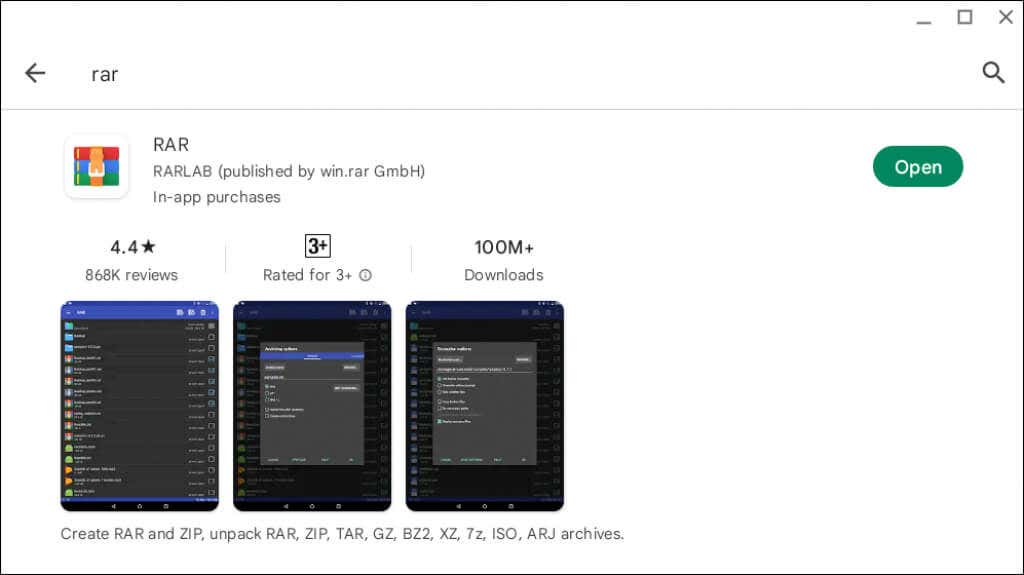
This seemingly simple file transfer is a crucial bridge between your Chrome OS and Linux environments. Understanding file paths and locations is fundamental for effective command-line interaction and a key aspect of “digital security,” as it ensures you know exactly where your files are residing.
Navigating and Extracting Archives with Command Line
Now that the file is in your Linux environment, you’ll use the Terminal to navigate to its location and extract its contents.
-
Open the Linux Terminal: Launch the “Terminal” app from your Chromebook’s app launcher.
-
Navigate to the File’s Directory: When you open the Terminal, you’ll typically start in your Linux home directory (
/home/YOUR_USERNAME). Use thecd(change directory) command to navigate to where you placed the.tar.gzfile.- If you moved the file directly into
Linux files, you’re already in the correct directory, so nocdcommand is needed. - If you created a subfolder, e.g.,
software, you would type:
bash

cd software
You can uselsto list the contents of the current directory and confirm the.tar.gzfile is there.
- If you moved the file directly into
-
Extract the
.tar.gzFile: Thetarcommand is used for extraction. The common flags are:-x: Extract files from an archive.-v: Verbose output, showing the files being extracted (optional but useful).-f: Specify the archive file name.-z: Decompressgziparchives (this is what handles the.gzpart).
So, to extract
your_software.tar.gz, you would use:tar -xzvf your_software.tar.gzReplace
your_software.tar.gzwith the actual name of your file. After extraction, a new directory (or several files) will be created, typically with a name similar to the original archive (e.g.,your_software-1.0).
This step is where the magic of command-line power truly comes into play. Understanding how tar works is a basic but essential skill for anyone serious about using Linux, whether for “software” development or simply installing unique “apps.”
Compiling and Installing: The Heart of Linux Software Setup
After extraction, the next phase is to install the software. This is often the most variable part, as it depends heavily on the specific software package. Many open-source projects follow a common configure, make, make install pattern, but others might have specific installation scripts.
-
Navigate into the Extracted Directory:
cd your_software-1.0(Replace
your_software-1.0with the actual name of the directory created after extraction). -
Check for Installation Instructions: Always look for a
README,INSTALL, orBUILDfile within the extracted directory. These files contain crucial, software-specific instructions. You can view them usinglessorcat:less READMEPress
qto exitless. -
The Standard
configure,make,make installProcess:-
Configure: Many projects use a
configurescript to check your system’s environment, find necessary libraries (dependencies), and prepare the software for compilation../configureThe
./tells the shell to look for theconfigurescript in the current directory. Ifconfigurefails, it often means you’re missing dependencies. The error message will usually tell you which packages are needed (e.g., “missing libssl-dev”). You would then install them usingsudo apt install libssl-dev. This is a critical point for “productivity” – troubleshooting dependencies can be time-consuming but essential. -
Compile: If
configureruns successfully, you can compile the source code.makeThis command invokes the
makeutility, which reads instructions from aMakefile(generated byconfigure) and compiles the source code into executable binaries. This can take a significant amount of time, depending on the software’s size and your Chromebook’s processing power. -
Install: Once compiled, you can install the software to its final destination on your system.
bash

sudo make install
This command copies the compiled executables, libraries, and documentation to standard system directories (e.g.,/usr/local/bin,/usr/local/lib). Thesudois usually required because these directories are system-owned.
-
-
Alternative Installation Methods:
- Specific Installation Scripts: Some projects might have their own installation scripts, often named
install.shorsetup.py. Always refer to theREADMEfile. You might run them like:
bash

./install.sh
- Binary Packages: Occasionally, a
.tar.gzmight contain pre-compiled binaries. In such cases, you just need to extract the files and either move the executables to a directory in your system’s PATH (like/usr/local/bin) or run them directly from their extracted location.
- Specific Installation Scripts: Some projects might have their own installation scripts, often named
This “tech” process of compiling from source provides the greatest flexibility and control, allowing you to install software precisely tailored to your needs. It’s a powerful skill for anyone looking to go beyond pre-packaged “apps” and truly customize their “gadget.”
Addressing Challenges, Ensuring Security, and Maximizing Productivity
Installing software from .tar.gz files can sometimes present hurdles, but armed with the right knowledge, you can overcome them. Equally important are the considerations for digital security and understanding how these advanced installations contribute to your overall productivity.
Common Pitfalls and Troubleshooting Strategies
Even with careful steps, you might encounter issues. Here are some common problems and how to approach them:
- Missing Dependencies: This is by far the most frequent issue. The
configurescript or theREADMEfile will typically inform you about missing libraries or packages (e.g.,libssl-dev,python3-dev,cmake).- Solution: Use
sudo apt install <package-name>to install the required dependencies. Sometimes, the package name isn’t exactly what the error message suggests; a quick web search (e.g., “debian install libssl-dev”) can often help.
- Solution: Use
- Permissions Errors: If you’re trying to install or modify system files without
sudo, you’ll get a “Permission denied” error.- Solution: Ensure you use
sudoformake installand any other command that writes to system-owned directories.
- Solution: Ensure you use
- Compilation Errors: If
makefails with cryptic error messages, it could be due to:- Missing Build Tools: Ensure
build-essentialis installed (sudo apt install build-essential). - Incorrect
configureoptions: Rerun./configurewith different options if the software allows for them (checkREADMEor./configure --help). - Outdated Source Code / Incompatibility: Sometimes, very old or very new software might not compile smoothly on your specific Debian version. Check the software’s forums or issue tracker.
- Missing Build Tools: Ensure
- Software Not Found After Installation: If
make installran successfully but you can’t run the program by typing its name, it might not be in your system’s PATH.- Solution: Check where
make installplaced the executable (often/usr/local/bin). You might need to add that directory to your PATH environment variable or create a symbolic link to/usr/bin. Alternatively, navigate to the executable’s directory and run it with./program_name.
- Solution: Check where
Troubleshooting is an inherent part of advanced “tech” usage. It hones your problem-solving skills and deepens your understanding of how Linux systems work, directly contributing to your long-term “productivity.”
Digital Security and Best Practices for Linux Software
When you’re installing software from source or third-party .tar.gz files, you bypass the trusted repositories and security checks of official package managers. This means “digital security” becomes a paramount concern.
- Trustworthy Sources Only: Always download
.tar.gzfiles from official project websites, reputable GitHub repositories, or well-known open-source platforms. Avoid downloading from unknown or suspicious websites, as these files can contain malware or malicious scripts. - Verify Integrity (if possible): Some projects provide checksums (like MD5, SHA256) for their downloads. If available, verify the checksum of your downloaded file against the published one to ensure the file hasn’t been tampered with during download.
bash

sha256sum your_software.tar.gz
- Understand What You’re Installing: Before running
./configure,make, ormake install, take a moment to review theREADMEand any other documentation. While reviewing source code is beyond most users, understanding the project’s purpose and general approach is important. - Use
sudoResponsibly: Only usesudowhen absolutely necessary, typically formake installor installing system dependencies. Running compilation steps (./configure,make) withsudois generally discouraged unless specifically instructed by the software developer, as it can sometimes lead to file permission issues or security vulnerabilities. - Isolate if Concerned: If you are highly suspicious of a
.tar.gzfile but still need to try it, consider using a separate, temporary Linux container or a virtual machine (if your Chromebook supports it and you have the technical know-how) to test it in an isolated environment.
These best practices are not just for installing .tar.gz files; they are fundamental principles for maintaining strong “digital security” across all your computing activities. They protect your “gadget” and your data from potential threats.
Why Advanced Linux Tools Matter for Chromebook Productivity and Innovation
Installing software from .tar.gz files isn’t just a technical exercise; it’s about expanding the horizons of what your Chromebook can do and boosting your “productivity” and capacity for “innovation.”
- Access to Niche Tools: Many specialized “AI Tools,” scientific software, specific development environments, or bleeding-edge versions of open-source projects are not available as Android apps or simple
.debpackages. They are often distributed as.tar.gzarchives, requiring compilation from source. For developers, data scientists, or researchers, this access is invaluable. - Customization and Control: Compiling from source gives you more control over how the software is built and configured. You can enable or disable specific features, optimize for your hardware, or integrate with other tools in a way that pre-compiled binaries might not allow. This level of customization is a significant “technology trend” in empowering users.
- Learning Opportunity: The process itself is a fantastic learning experience. It demystifies the inner workings of Linux, familiarizes you with command-line tools, and builds confidence in your technical abilities. This knowledge is transferable and beneficial across various “tech” roles, potentially even opening doors to “online income” opportunities through freelancing or specialized development.
- Cost-Effectiveness: By enabling your Chromebook to run powerful, open-source Linux software, you might avoid the need to purchase more expensive laptops or proprietary software licenses, making your Chromebook an even more financially savvy “gadget.” This resonates with the “Money” aspect, highlighting how leveraging open-source tools can reduce costs.
In conclusion, installing a .tar.gz file on your Chromebook is more than just executing a few commands. It’s about tapping into the powerful Linux ecosystem, gaining control over your software, expanding your device’s capabilities, and sharpening your technical acumen. As Chromebooks continue to evolve, mastering such skills will ensure your device remains a versatile and productive tool, ready to adapt to new “technology trends” and empower you in an increasingly digital world.