
In the landscape of modern personal finance, the routing number serves as the foundational coordinate for almost every automated transaction. Whether you are setting up a direct deposit for a new career, authorizing an electronic bill payment, or initiating a domestic wire transfer, this nine-digit code is the essential link between your private account and the broader Federal Reserve system. Despite its ubiquity, many consumers find themselves searching for this number only when a financial form demands it. Understanding not just where to find your routing number, but also how it functions within the machinery of the American financial system, is a critical component of financial literacy.

The Routing Transit Number (RTN), often simply called a routing number, was established by the American Bankers Association (ABA) in 1910. Its original purpose was to streamline the processing of paper checks, but in the digital age, it has become the primary identifier for financial institutions during Automated Clearing House (ACH) transfers and electronic fund movements. Knowing how to locate and verify this number ensures that your capital moves accurately, securely, and without the delays associated with administrative errors.
Reliable Methods for Locating Your Bank Routing Number
For the vast majority of account holders, finding a routing number is a straightforward process that can be accomplished through both physical and digital channels. Depending on your preference for banking—be it traditional brick-and-mortar or digital-first—there are several primary locations where this information is stored.
Examining Physical Checks
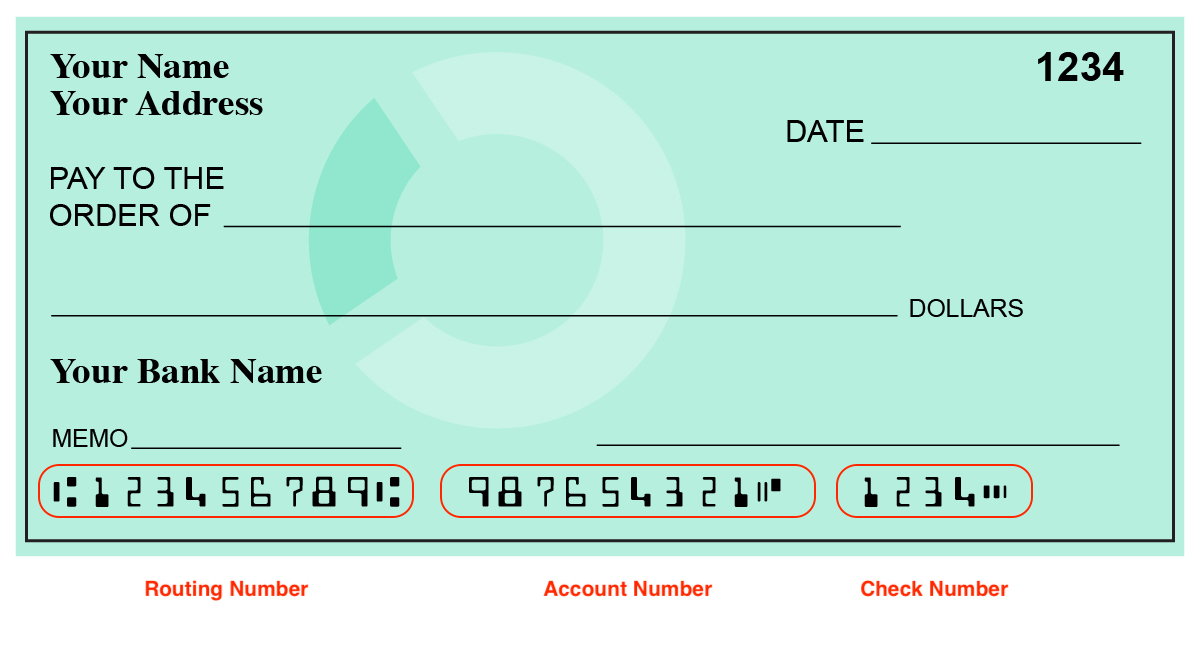
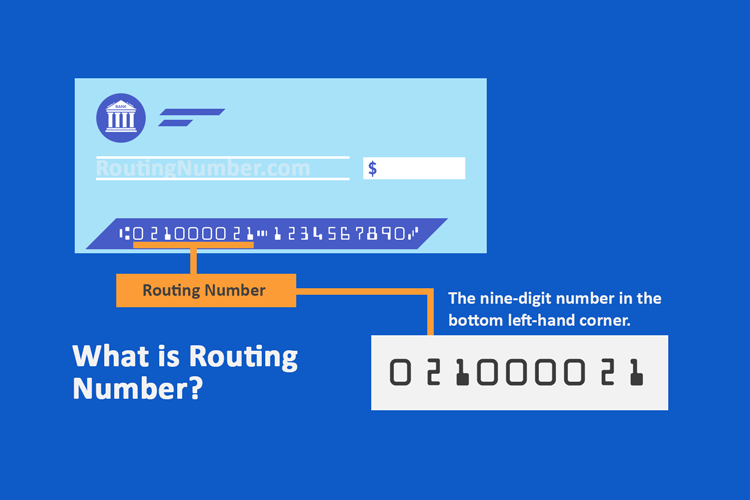
If you still use paper checks, the most reliable way to find your routing number is to look at the bottom of a check. At the base of every check is a string of numbers printed in a specialized font known as MICR (Magnetic Ink Character Recognition). This line typically contains three distinct sets of numbers. The first set of nine digits, usually bracketed by a specific symbol, is your ABA routing number. The second set is your unique account number, and the third is the specific check number. It is important to use a check rather than a deposit slip, as deposit slips occasionally feature different internal routing codes that may not be valid for outgoing electronic transfers.
Utilizing Online Banking and Mobile Apps
In an increasingly paperless world, most consumers turn to digital platforms. Upon logging into your bank’s secure portal or mobile application, navigate to the “Account Details” or “Account Summary” section. Often, the routing number is listed alongside your current balance and account number. Many modern banking apps provide a “Copy” feature specifically for these numbers to prevent transcription errors. If it is not immediately visible on the dashboard, check the “Direct Deposit” or “ACH Information” tab, as these sections are specifically designed to provide the coordinates necessary for incoming transfers.
Reviewing Monthly Bank Statements
Your monthly bank statement—whether received via mail or downloaded as a PDF—is a legal record of your financial standing and contains all necessary identification codes. The routing number is typically located at the top of the statement or within the account summary header. Using a statement is often the safest way to verify a routing number if you are skeptical of third-party websites or are unable to access your mobile app due to technical issues.
Official Bank Websites and Customer Service
Most large national banks maintain a public list of their routing numbers on their official websites. Since routing numbers identify the institution rather than the specific individual, they are not considered private information in the same way an account number is. You can often find these by searching “routing number” in the bank’s help center. However, be aware that large institutions may have different routing numbers for different states or types of transactions. When in doubt, calling the customer service number on the back of your debit card is a foolproof way to confirm the correct digits for your specific branch.
Understanding the Nuances of Routing Number Variations
It is a common misconception that a single bank has only one routing number. In reality, the U.S. financial system is complex, and a single institution may utilize multiple routing numbers based on geography, the type of transaction, or the legacy of bank mergers.
Regional and State-Specific Routing Numbers
Large national banks, such as Chase, Wells Fargo, or Bank of America, frequently assign routing numbers based on the state where the account was originally opened. If you opened an account in California and subsequently moved to New York, your routing number will generally remain tied to the California region. This is because the routing number identifies the specific “home” branch or processing center within the Federal Reserve’s regional structure. When filling out financial documents, always use the routing number associated with the state where you initially established the account, regardless of your current residency.
ACH vs. Wire Transfer Routing Numbers
One of the most frequent errors in personal finance management is the confusion between ACH routing numbers and Wire Transfer routing numbers. While many banks use the same nine-digit code for both, some institutions maintain a separate routing number specifically for domestic wire transfers.
-
ACH (Automated Clearing House): Used for direct deposits, payroll, and recurring bill payments. This is the “standard” routing number found on your checks.
-
Wire Transfers: Used for high-value, near-instantaneous transfers (such as a down payment on a home).
Using an ACH routing number for a wire transfer can result in the transaction being rejected or held in a suspense account, leading to significant delays. Always verify with your bank if a specialized wire routing number is required before initiating large-scale transfers.
The Impact of Bank Mergers and Acquisitions
The banking industry is characterized by frequent consolidation. When one bank acquires another, the routing numbers of the acquired institution are eventually phased out and replaced by those of the parent company. However, this transition period can last for years. During a merger, banks typically allow legacy routing numbers to remain active for a set period to ensure that direct deposits and automated payments are not interrupted. If your bank has recently undergone a merger, keep a close watch on official correspondence regarding when you must update your records to the new institution’s routing number.
The Strategic Importance of Routing Numbers in Financial Management
Beyond the simple task of locating the number, understanding its role is vital for maintaining a secure and efficient financial life. The routing number is more than just an ID; it is a tool for managing cash flow and ensuring the integrity of your personal economy.
Security and Fraud Prevention
While a routing number is public-facing information, it becomes a security risk when paired with your account number. Together, these two strings of digits act as the “key” to your financial vault. Fraudsters often use these numbers to create “pre-authorized drafts” or “demand drafts,” which allow them to pull money from an account without a physical signature. To protect your assets, never share your routing and account numbers on unencrypted platforms or with unverified vendors. Regularly monitoring your transaction history for unauthorized ACH withdrawals is a hallmark of proactive financial management.
Streamlining Business and Side Hustle Income
For those involved in the gig economy or small business management, the routing number is the gateway to faster payments. Setting up a direct deposit via a routing number is significantly faster and more secure than waiting for a physical check to arrive in the mail and clear. By providing accurate routing information to clients or employer platforms, you reduce the “float” time—the period between when money is sent and when it becomes available for your use. This optimization of liquidity is a fundamental strategy for maximizing the growth potential of your savings and investments.
International Considerations: SWIFT and IBAN
For individuals dealing with international finance, the U.S. routing number system is distinct from global standards. While domestic transfers rely on the nine-digit ABA routing number, international transfers typically require a SWIFT (Society for Worldwide Interbank Financial Telecommunications) code or an IBAN (International Bank Account Number). If you are expecting a transfer from overseas, providing only your domestic routing number will be insufficient. In these cases, you must contact your bank to obtain their specific SWIFT/BIC code, which functions as the international equivalent of a routing number, directing the funds across borders to the correct U.S. institution.
Troubleshooting and Verification Tools
If you are ever unsure about the validity of a routing number, there are professional tools available to verify the information before you commit to a transaction. The American Bankers Association maintains an official “Routing Number Registrar.” Consumers can use online lookup tools provided by the ABA or the Federal Reserve to verify that a nine-digit code corresponds to the correct financial institution.
Verifying a routing number is particularly important when sending money to a third party. If you are paying a contractor or transferring funds to a family member, double-checking the routing number via a public database can prevent the nightmare of “misdirected payments.” In the U.S. banking system, once an ACH transfer is initiated with a valid routing and account number, reversing the transaction can be a complex and often unsuccessful process. Precision is the best defense against financial loss.
By mastering the details of your routing number—from where it is hidden on a digital dashboard to the regional logic behind its digits—you gain greater control over your financial infrastructure. These nine digits are the silent workhorses of the economy, ensuring that your wealth moves with the same speed and accuracy as the modern world demands. Whether you are building an investment portfolio or simply managing daily expenses, the routing number remains an indispensable tool in your financial toolkit.
aViewFromTheCave is a participant in the Amazon Services LLC Associates Program, an affiliate advertising program designed to provide a means for sites to earn advertising fees by advertising and linking to Amazon.com. Amazon, the Amazon logo, AmazonSupply, and the AmazonSupply logo are trademarks of Amazon.com, Inc. or its affiliates. As an Amazon Associate we earn affiliate commissions from qualifying purchases.