
Financial mastery is rarely the result of a single windfall or a lucky break in the stock market. Instead, it is the cumulative effect of small, disciplined decisions made daily. To handle money better, one must transition from a reactive state—where bills and unexpected expenses dictate your stress levels—to a proactive state where your capital serves your long-term objectives. This shift requires a combination of psychological awareness, strategic planning, and the consistent application of proven financial principles.
Mastering the Art of Cash Flow Management
The foundation of all financial success is understanding exactly where your money goes. Many individuals earn a respectable income but find themselves living paycheck to paycheck because they lack a clear view of their cash flow. Managing money better begins with the granular tracking of every dollar that enters and exits your ecosystem.

The Psychology of Conscious Spending
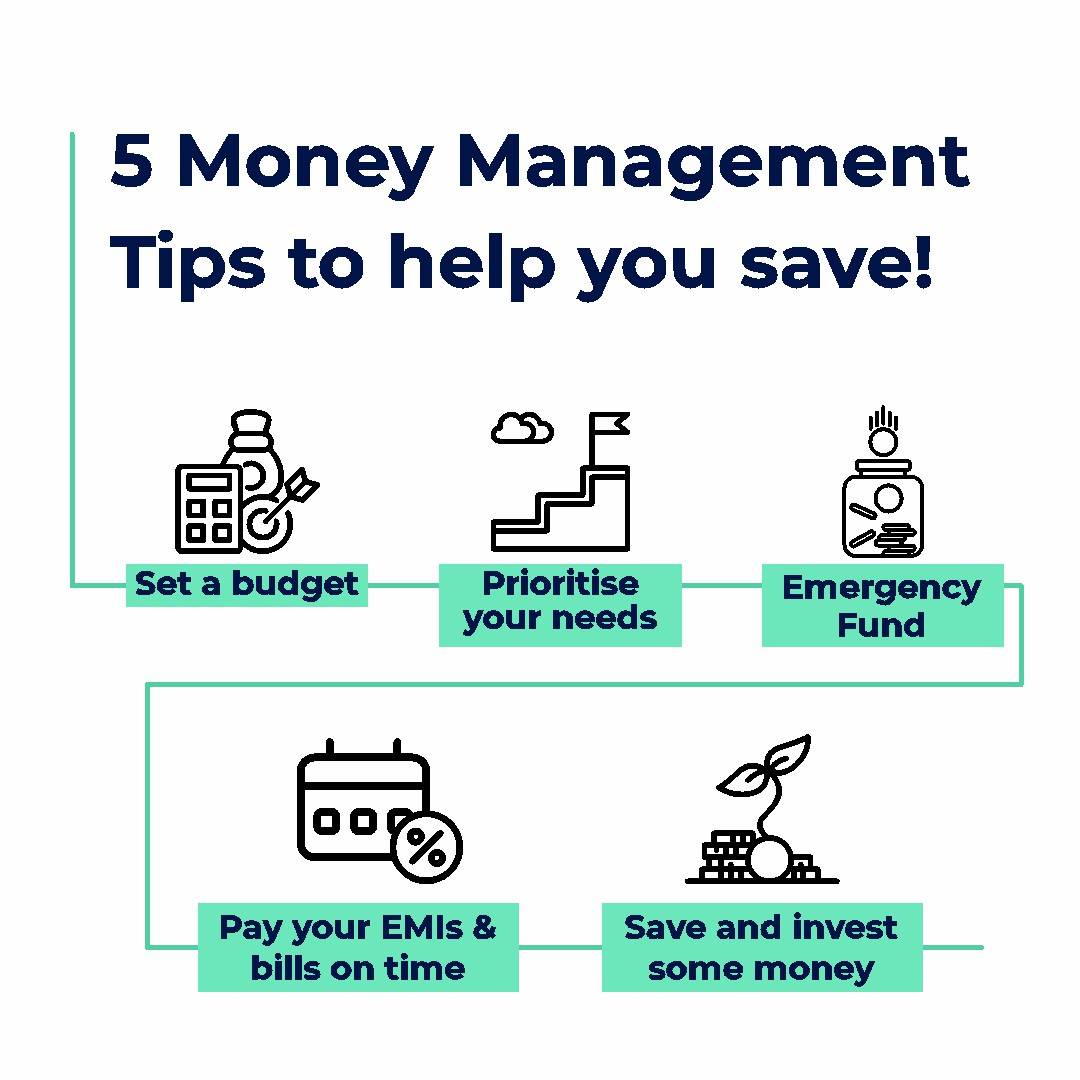
Budgeting is often viewed as a restrictive practice, a “diet” for your wallet. However, the most effective way to view a budget is as a tool for prioritization. Conscious spending involves cutting costs ruthlessly on the things that do not bring you value so that you can spend extravagantly on the things that do. By categorizing your expenses into “fixed” (rent, insurance, utilities) and “variable” (entertainment, dining out, hobbies), you can identify leakage points where money is being spent out of habit rather than intent.
Implementing the 50/30/20 Rule
For those who find traditional line-item budgeting too cumbersome, the 50/30/20 rule offers a streamlined alternative. This framework suggests allocating 50% of your after-tax income to “needs,” 30% to “wants,” and 20% to “savings and debt repayment.” This structure ensures that you are living within your means while simultaneously building a future for yourself. If your needs exceed 50%, it is a signal to either increase your income or aggressively downsize your fixed costs, such as housing or transportation.
The Power of Financial Automation
The greatest enemy of a good financial plan is human friction. To handle money better, you must remove yourself from the decision-making process as much as possible. Setting up automatic transfers to savings accounts, investment platforms, and bill pay systems ensures that your financial goals are met before you have the chance to spend the money elsewhere. This “pay yourself first” mentality treats your future self as the most important creditor you have.
Building a Resilient Financial Safety Net
Before focusing on aggressive growth or luxury purchases, you must insulate yourself against the inherent volatility of life. A resilient safety net prevents you from backsliding into debt when the unexpected occurs, such as a medical emergency, a job loss, or a major home repair.
The Emergency Fund: Your Financial Insurance
A standard emergency fund should consist of three to six months of essential living expenses. This capital should not be invested in the stock market; its primary purpose is liquidity and capital preservation, not growth. By keeping this money in a High-Yield Savings Account (HYSA), you ensure it earns a competitive interest rate while remaining accessible within 24 to 48 hours. This fund acts as a psychological buffer, allowing you to make better long-term decisions because you are not operating from a place of panic.
Strategic Debt Repayment
High-interest debt, particularly credit card debt, is a wealth destroyer. Handling money better requires a calculated approach to eliminating these liabilities. Two popular methods include the “Debt Snowball” and the “Debt Avalanche.” The Snowball method focuses on paying off the smallest balances first to build psychological momentum, while the Avalanche method targets the highest interest rates first to minimize the total amount paid over time. While the Avalanche is mathematically superior, the Snowball is often more effective for those who need quick wins to stay motivated.
Understanding the Role of Insurance
Protecting your wealth is just as important as growing it. Handling money better involves assessing your risk profile and ensuring you have adequate coverage for health, life, disability, and property. Without proper insurance, a single catastrophic event can wipe out years of disciplined saving and investing. View insurance premiums not as an expense, but as a necessary cost of protecting your net worth.
Strategic Investing for Long-Term Wealth
Once your cash flow is managed and your safety net is in place, the focus shifts to making your money work for you. Investing is the process of purchasing assets that have the potential to appreciate in value or generate income over time.
The Principles of Asset Allocation
Asset allocation is the process of dividing your investment portfolio among different asset categories, such as stocks, bonds, and real estate. The goal is to balance risk and reward based on your time horizon and risk tolerance. Generally, younger investors can afford a higher allocation of stocks, which offer higher potential returns but greater volatility, while those closer to retirement may shift toward bonds and fixed-income assets for stability.
Maximizing Tax-Advantaged Accounts
One of the most effective ways to handle money better is to minimize the amount you lose to taxes. Utilizing accounts like the 401(k), 403(b), or Individual Retirement Accounts (IRAs) allows your investments to grow tax-deferred or tax-free. Furthermore, if your employer offers a matching contribution to a retirement plan, this is effectively a 100% return on your investment and should be the first priority in your investment strategy.
The Mathematics of Compound Interest
The most powerful force in personal finance is time. Compound interest is the interest you earn on your initial investment plus the interest earned on the interest already accumulated. This exponential growth starts slowly but accelerates dramatically over decades. By starting early and contributing consistently, you allow the math of compounding to do the heavy lifting of wealth creation. Waiting even five or ten years to start can result in a significantly smaller nest egg, requiring much higher monthly contributions to catch up.
Diversifying Income Streams and Scaling Earnings
While cutting expenses is a vital part of handling money better, there is a limit to how much you can save. Conversely, there is no theoretical limit to how much you can earn. Increasing your “gap”—the difference between your income and your expenses—often requires looking beyond a traditional 9-to-5 salary.
Leveraging the Side Hustle Economy
The modern economy provides unprecedented opportunities to generate additional income through side hustles. Whether it is freelance consulting, e-commerce, or participating in the gig economy, a secondary income stream provides both financial upside and a hedge against job loss. The key is to choose a side hustle that aligns with your skills or allows you to build new ones, rather than simply trading more time for a low hourly wage.
Developing High-Value Skills
To handle money better in the long term, you must invest in your “human capital.” This means continuously upgrading your skills to remain competitive in the marketplace. High-value skills—such as data analysis, specialized technical proficiency, or high-level sales—command higher premiums. Often, the best return on investment you can achieve is a certification or a degree that significantly boosts your earning potential for the remainder of your career.
Transitioning to Passive Income
The ultimate goal of money management is to reach a point where your assets generate enough income to cover your lifestyle. This is often achieved through dividends from stocks, rental income from real estate, or royalties from intellectual property. Building these streams takes time and capital, but they are the hallmark of true financial independence, allowing you to decouple your time from your income.
Implementing Financial Tools and Systems
In the digital age, handling money better is made easier by a wide array of financial technology. These tools provide the data and insights necessary to make informed decisions and track your progress toward your goals.
Utilizing Fintech for Granular Insights
Apps and software that aggregate your accounts provide a holistic view of your net worth. By seeing your assets and liabilities in one place, you can track your progress over months and years. These tools also allow you to monitor your credit score, analyze your investment fees, and identify areas where you might be overpaying for services.
The Importance of Regular Financial Audits
Just as a business performs quarterly reviews, an individual should conduct regular financial audits. Once a month, review your spending against your budget. Once a quarter, check your investment performance and rebalance your portfolio if necessary. Once a year, review your insurance policies and long-term goals. These check-ins ensure that your daily habits remain aligned with your overarching financial objectives.

Designing a Legacy and Giving
Handling money better also involves deciding what the money is for beyond your own needs. Whether it is saving for a child’s education, planning for an inheritance, or engaging in strategic philanthropy, having a “why” behind your financial discipline provides the motivation to stay the course. Wealth is ultimately a tool for living a meaningful life, and defining that meaning is the final step in true financial mastery.
aViewFromTheCave is a participant in the Amazon Services LLC Associates Program, an affiliate advertising program designed to provide a means for sites to earn advertising fees by advertising and linking to Amazon.com. Amazon, the Amazon logo, AmazonSupply, and the AmazonSupply logo are trademarks of Amazon.com, Inc. or its affiliates. As an Amazon Associate we earn affiliate commissions from qualifying purchases.