
The allure of entrepreneurship – the freedom, the impact, the potential for significant financial reward – captivates countless individuals. However, the path from a brilliant idea to a thriving enterprise is rarely straightforward. While passion, innovation, and perseverance are undeniable prerequisites, the bedrock of any successful venture is a profound understanding and diligent management of its financial underpinnings. Starting a business, at its core, is a financial undertaking. It demands not just a vision, but a robust financial strategy to navigate the initial expenses, generate sustainable income, and ultimately achieve profitability. This guide delves into the essential financial considerations and steps crucial for launching a business, ensuring that your entrepreneurial journey is built on a solid fiscal foundation.
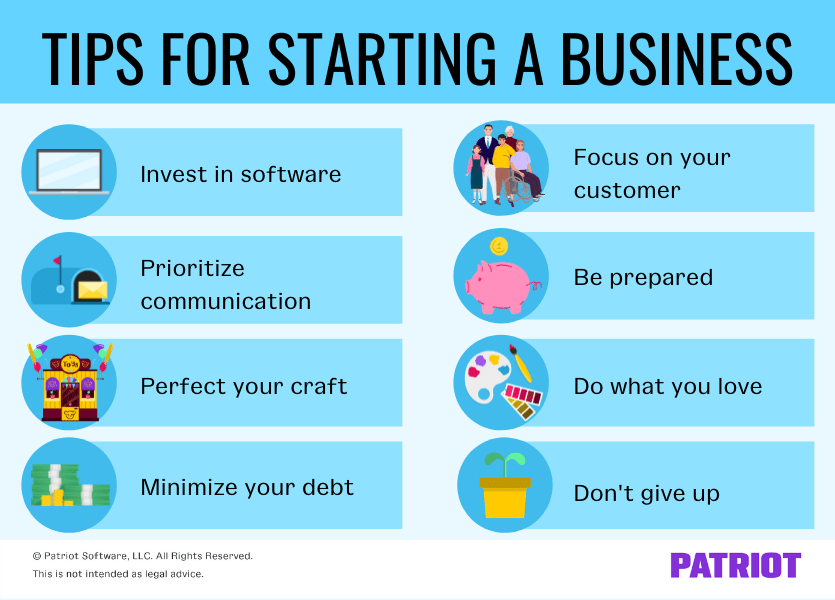
Laying the Financial Foundation: From Ideation to Validation
Every successful business begins with an idea, but for that idea to evolve into a profitable entity, it must first undergo rigorous financial scrutiny. This initial phase is about transforming abstract concepts into quantifiable financial projections and assessing market viability through a monetary lens.
Validating Your Business Idea (Market & Financial Viability)
Before investing significant time and capital, you must confirm that your business idea addresses a genuine market need and has the potential to generate revenue. This isn’t just about whether people like your idea, but whether they are willing and able to pay for it. Conduct thorough market research to identify your target customer base, understand their purchasing power, and gauge their willingness to spend on your product or service. Analyze competitors’ pricing strategies to determine a viable price point that allows for competitive positioning while ensuring healthy profit margins. This early financial modeling helps you estimate potential revenue streams, understand the demand elasticity for your offering, and ultimately determine if your venture has the inherent financial viability to sustain itself and grow. Without a paying market, even the most innovative concept is just a hobby.
Crafting a Robust Business Plan (The Financial Blueprint)
A business plan serves as your venture’s navigational chart, and its financial section is the most critical component. It’s where you meticulously outline how you expect to make money, how much it will cost to operate, and how you will manage your financial resources. Begin by detailing all anticipated startup costs – everything from legal fees and permits to initial inventory, equipment purchases, and marketing expenses. Following this, project your operational expenses, distinguishing between fixed costs (rent, salaries) and variable costs (raw materials, utilities that fluctuate with production).
The heart of your financial plan lies in your revenue forecasts, projecting sales volumes and pricing strategies over the next one to five years. Crucially, perform a break-even analysis: calculate the point at which your total revenues equal your total costs, signifying when your business will start generating profit. This analysis is invaluable for understanding the sales volume required to cover your expenses. Finally, articulate your funding requirements, specifying how much capital you need, what it will be used for, and outlining potential sources – whether it’s personal savings, loans, or equity investment. This comprehensive financial blueprint not only guides your decisions but also becomes a vital document when seeking external funding.
Funding Your Venture: Securing the Capital
Once your financial blueprint is in place, the next crucial step is securing the capital needed to transform your vision into reality. The source and type of funding you pursue will significantly impact your business’s ownership structure, debt burden, and growth trajectory.
Bootstrapping and Personal Investment
Bootstrapping involves funding your business primarily through personal savings, minimal external capital, and reinvesting early revenues. This lean startup approach emphasizes extreme frugality, creativity, and resourcefulness to minimize overheads. The advantages are clear: you maintain complete control and ownership of your company, avoid debt obligations, and sidestep equity dilution. This path is ideal for entrepreneurs who have sufficient personal capital, a business model with low startup costs, or the ability to generate revenue quickly. However, the downside includes limited capital for rapid scaling, significant personal financial risk, and potential strain on personal resources. Many successful enterprises began by bootstrapping, gradually growing through their own cash flow.
Exploring Debt Financing (Loans & Lines of Credit)
Debt financing involves borrowing money that must be repaid, typically with interest, over a set period. Common options include traditional bank loans, Small Business Administration (SBA) loans, and business lines of credit. Bank loans often require a solid business plan, collateral, and a strong credit history, making them more accessible for established businesses or those with tangible assets. SBA loans, backed by the government, often offer more favorable terms for startups. A business line of credit provides flexible access to funds up to a certain limit, useful for managing cash flow fluctuations or unexpected expenses. The benefit of debt financing is that you retain full ownership of your company. However, the obligation to make regular repayments, regardless of your business’s profitability, can put significant pressure on cash flow, and failure to repay can lead to severe financial penalties or even business failure.
Attracting Equity Investors (Angels & Venture Capital)
Equity financing involves selling a portion of your company’s ownership (equity) to investors in exchange for capital. Angel investors are high-net-worth individuals who typically invest their own money in early-stage startups, often providing mentorship alongside funding. Venture capitalists (VCs) are firms that invest institutional money in businesses with high growth potential, seeking significant returns on their investment. Attracting equity investors means access to substantial capital, invaluable industry expertise, and extensive networks. However, the trade-off is the dilution of ownership and control, as investors gain a stake in your company and often a say in strategic decisions. Preparing for equity funding requires a compelling pitch, detailed financial projections demonstrating high ROI potential, and a clear exit strategy for investors.
Alternative Funding Avenues (Grants & Crowdfunding)
Beyond traditional financing, several alternative avenues exist. Government grants, often non-repayable, are typically awarded for businesses in specific industries, those addressing particular social needs, or those meeting certain demographic criteria. Researching federal, state, and local grant opportunities can provide a significant boost without incurring debt or giving up equity. Crowdfunding platforms (e.g., Kickstarter, Indiegogo for reward-based; SeedInvest, Republic for equity-based) allow entrepreneurs to raise small amounts of money from a large number of individuals. Reward-based crowdfunding focuses on pre-selling products or offering unique experiences, while equity crowdfunding allows non-accredited investors to buy small stakes in private companies. These methods not only provide capital but also help validate market interest and build a community around your brand.

Managing Your Business Finances: Operational Prowess
Securing capital is only the beginning. Sustaining a business demands meticulous ongoing financial management, ensuring that every dollar is accounted for, optimized, and contributes to the company’s bottom line.
Setting Up Your Financial Systems
From day one, establish robust financial systems to ensure clarity, compliance, and control. Open dedicated business bank accounts and, if applicable, business credit cards. This separation of personal and business finances is non-negotiable for legal, tax, and accounting purposes, providing a clear audit trail and protecting personal assets. Invest in reliable accounting software such as QuickBooks, Xero, or FreshBooks. These tools automate invoicing, expense tracking, payroll, and generate crucial financial reports, streamlining your operations and providing real-time insights into your financial health. A properly structured chart of accounts will also facilitate accurate categorization of income and expenses.
Budgeting and Expense Tracking
A detailed operational budget is your financial roadmap for day-to-day activities. It allocates funds for various departments and activities, ensuring resources are used efficiently. Consistently track every expense, no matter how small. This meticulous tracking is vital for tax deductions, identifying areas where costs can be cut, and understanding the true cost of doing business. Distinguish between fixed costs (e.g., rent, insurance, salaries) that remain constant regardless of production volume, and variable costs (e.g., raw materials, production wages) that fluctuate with business activity. Regular budget reviews allow you to compare actual spending against projections, identifying variances and making necessary adjustments to maintain financial discipline.
Revenue Management and Pricing Strategies
Effective revenue management is about more than just making sales; it’s about optimizing your pricing, sales channels, and customer acquisition strategies to maximize income. Develop a pricing model that reflects your product’s value, covers costs, and allows for a healthy profit margin – whether it’s cost-plus, value-based, or competitive pricing. Regularly review and adjust your pricing based on market dynamics, customer feedback, and competitor actions. Implement efficient systems for invoicing and managing accounts receivable to ensure timely collection of payments. Explore diverse revenue streams, if applicable, to diversify income and reduce reliance on a single source. Cash flow is the lifeblood of any business, and proactive revenue management ensures a steady and predictable inflow of funds.
Understanding Profitability and Cash Flow
While often conflated, profit and cash flow are distinct and equally critical metrics. Profit (the bottom line on your income statement) indicates whether your revenues exceed your expenses over a period. Cash flow (reflected in your cash flow statement) tracks the actual movement of money in and out of your business. A business can be profitable on paper but still experience cash flow shortages if, for example, customers are slow to pay or inventory sits too long. Conversely, a business might have strong cash flow but low profitability if operating expenses are too high. It’s crucial to understand both. Regularly analyze your Profit & Loss (P&L) statement, Balance Sheet, and Cash Flow Statement to gain a holistic view of your financial performance, identify trends, and make informed strategic decisions to improve both profitability and liquidity.
Scaling and Sustaining Financial Growth
Once your business is operational and generating revenue, the focus shifts to strategic financial management for growth and long-term sustainability. This involves careful planning for expansion, prudent risk management, and smart allocation of resources.
Reinvesting Profits vs. Taking Distributions
As your business begins to generate profits, a critical financial decision arises: how much to reinvest back into the company for growth versus how much to distribute to owners or shareholders. Reinvesting profits into new equipment, marketing campaigns, product development, or expanding operations can fuel accelerated growth and increase the company’s long-term value. However, owners also need to be compensated. Striking the right balance is crucial. A strategic approach involves setting clear financial goals for growth and profitability, and then allocating a portion of profits towards those goals while also ensuring adequate compensation for the entrepreneurs who founded the business. This decision should align with your business’s stage of growth, cash flow needs, and personal financial goals.
Financial Forecasting for Expansion
Growth is rarely accidental; it’s meticulously planned, especially from a financial perspective. As you consider scaling, develop detailed financial forecasts that project future revenues, expenses, and cash flow under various growth scenarios. This involves anticipating the costs associated with expansion – whether it’s hiring more staff, opening new locations, increasing production capacity, or entering new markets. Scenario planning (best-case, worst-case, and most likely) helps you understand potential financial impacts and prepare contingency plans. Accurate forecasting is essential for securing additional funding if needed for growth, managing working capital requirements, and setting realistic expectations for investors and stakeholders.
Risk Management and Financial Prudence
No business is immune to risks, and financial prudence dictates that you prepare for the unexpected. Build a robust financial emergency fund for your business, typically three to six months of operating expenses, to weather unforeseen downturns, market shifts, or sudden expenses. Assess and secure appropriate business insurance – including general liability, property, professional liability, and business interruption insurance – to protect against financial losses from unforeseen events. Develop contingency plans for various financial challenges, such as a major customer loss, supply chain disruptions, or economic recessions. This proactive approach to risk management safeguards your financial health and enhances your business’s resilience. Regular audits and reviews of your financial controls also help prevent fraud and ensure compliance.

Conclusion
Starting a business is a monumental undertaking, laden with both immense potential and significant challenges. While vision and innovation are the sparks, it is a deep commitment to financial literacy and disciplined fiscal management that provides the fuel for long-term success. From the initial validation of your idea through a financial lens, to strategically securing capital, meticulously managing day-to-day operations, and thoughtfully planning for future growth, every step of the entrepreneurial journey is intertwined with financial considerations. By prioritizing robust financial planning, setting up sound systems, diligently tracking every dollar, and making informed financial decisions, you not only increase your chances of survival but also pave the way for a thriving, sustainable, and ultimately profitable enterprise. Embrace financial acumen as your most powerful entrepreneurial tool, and transform your business aspirations into a tangible, financially sound reality.
aViewFromTheCave is a participant in the Amazon Services LLC Associates Program, an affiliate advertising program designed to provide a means for sites to earn advertising fees by advertising and linking to Amazon.com. Amazon, the Amazon logo, AmazonSupply, and the AmazonSupply logo are trademarks of Amazon.com, Inc. or its affiliates. As an Amazon Associate we earn affiliate commissions from qualifying purchases.