
In the realm of personal finance, few expenses can be as daunting and unpredictable as healthcare costs. For many individuals managing chronic conditions or seeking new treatments, the sticker price of essential medications can represent a significant financial barrier. Zepbound, a newer medication approved for chronic weight management, is one such drug that carries a substantial cost, often hundreds or even thousands of dollars per month without adequate insurance coverage or savings strategies. This financial reality prompts a critical question for many patients: how can one access Zepbound more affordably?
Navigating the complex landscape of prescription drug pricing, insurance benefits, and patient assistance programs requires a strategic and informed approach. This article delves into a comprehensive guide designed to empower patients with actionable strategies for reducing the financial burden of Zepbound, ensuring access to necessary treatment without compromising financial well-being. From leveraging insurance and manufacturer programs to exploring alternative avenues and long-term financial planning, we will dissect the various pathways to make Zepbound more accessible and affordable.

Understanding the Financial Landscape of Zepbound
Before diving into solutions, it’s crucial to grasp why Zepbound, like many innovative medications, commands such a high price and what factors contribute to this financial challenge for consumers.
The Sticker Price: Why Zepbound is Expensive
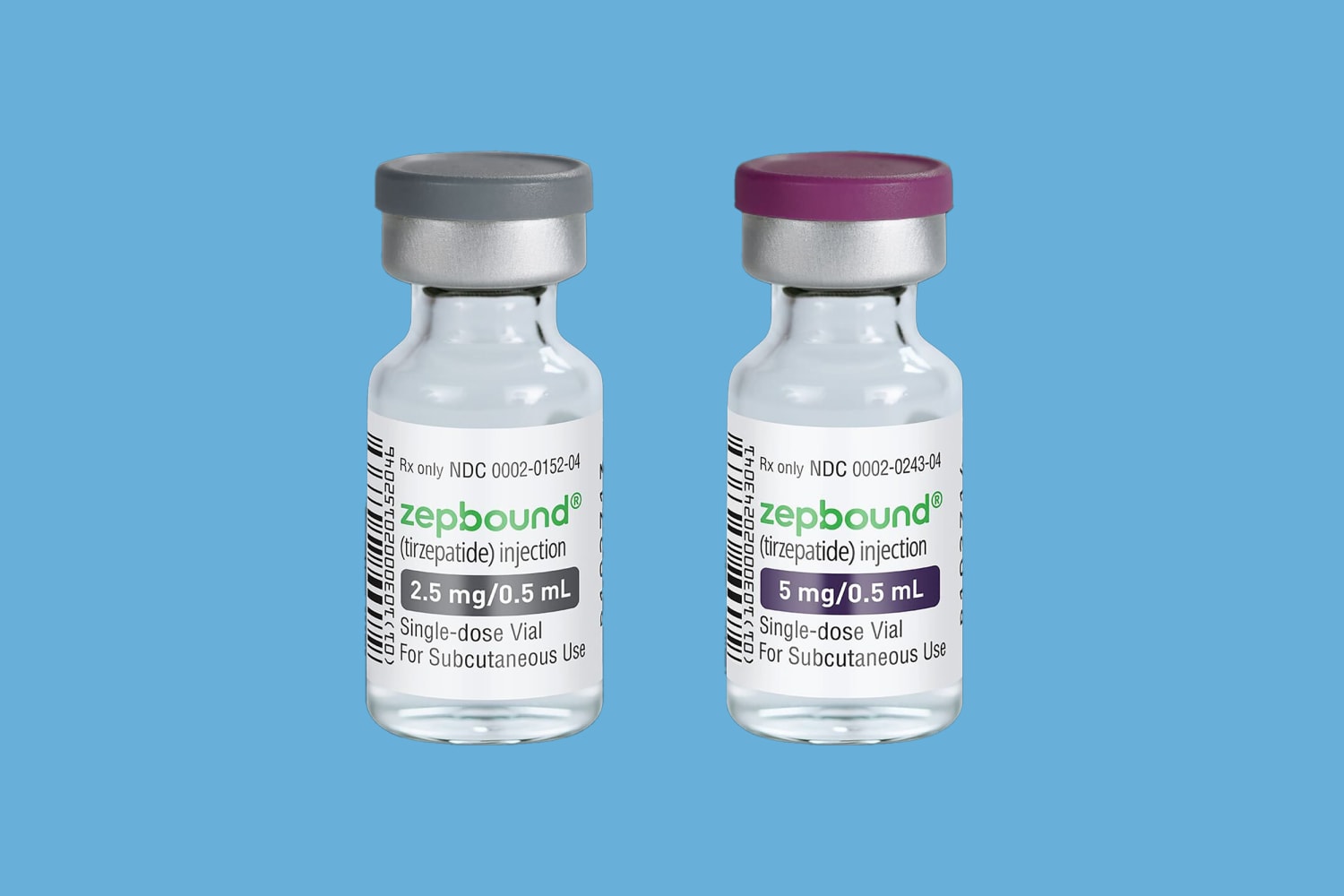
Zepbound (tirzepatide) is a cutting-edge medication that represents a significant advancement in the treatment of obesity. Its development involves extensive research, clinical trials, regulatory approval processes, and manufacturing complexities, all of which contribute to its initial high cost. Pharmaceutical companies invest billions into bringing new drugs to market, and these costs are naturally recouped through pricing. Additionally, the drug’s efficacy and potential to address a widespread health concern (obesity and related comorbidities) also factor into its market valuation. Without insurance, a monthly supply of Zepbound can easily exceed $1,000, placing it out of reach for many.
Factors Influencing Drug Pricing
The journey from drug development to the patient’s hand involves a myriad of stakeholders, each influencing the final price. These include:
- Research & Development (R&D) Costs: The massive investment in discovering, testing, and refining new drug compounds.
- Manufacturing and Supply Chain: Costs associated with producing the drug, ensuring quality control, and distributing it globally.
- Regulatory Approval: Expenses related to navigating stringent FDA (or equivalent) approval processes.
- Marketing and Sales: Pharmaceutical companies incur significant costs to educate healthcare providers and patients about new treatments.
- Pharmacy Markups: Retail pharmacies add their own markup to the wholesale price.
- PBMs (Pharmacy Benefit Managers): These intermediaries negotiate prices between manufacturers and insurance companies, often leading to complex pricing structures, rebates, and formularies that can indirectly affect out-of-pocket costs for patients.
The Financial Burden for Patients
For patients, the high cost translates into a significant financial burden. This burden is exacerbated for those with high-deductible insurance plans, those who are uninsured, or those whose insurance plans do not cover Zepbound or similar weight-loss medications. This can lead to difficult choices between adhering to prescribed treatment and managing other essential living expenses, underscoring the urgent need for cost-saving strategies.
Navigating Insurance Coverage and Patient Programs
The most direct and often most impactful way to reduce the cost of Zepbound is through strategic engagement with your health insurance provider and leveraging manufacturer-sponsored programs.
Maximizing Your Health Insurance Benefits
The first step is always to understand your insurance policy inside and out.
- Formulary Check: Verify if Zepbound is listed on your insurance plan’s formulary (list of covered drugs). If it’s not, or if it’s on a higher tier, you may need to pursue an appeal process with your doctor’s support, arguing for medical necessity.
- Prior Authorization (PA): Many new or high-cost medications require prior authorization from your insurance company. This involves your doctor submitting documentation to demonstrate that the medication is medically necessary for your condition.
- Step Therapy: Some plans require “step therapy,” meaning you must try and fail on a less expensive, often generic, alternative before they will cover a more expensive drug like Zepbound.
- Deductibles, Co-pays, and Co-insurance: Understand how your deductible, co-payment, and co-insurance apply to prescription drugs. A high deductible means you pay the full negotiated price until you meet it.
Exploring Manufacturer Savings Programs and Coupons
Pharmaceutical companies often provide direct assistance to patients to help them afford their medications.
- Zepbound Savings Card/Coupon: Eli Lilly, the manufacturer of Zepbound, typically offers a savings card or coupon program. These programs can significantly reduce your out-of-pocket costs, sometimes bringing a monthly supply down to a much more manageable price (e.g., $25) for eligible commercially insured patients. Eligibility usually depends on having commercial insurance and not being enrolled in government-funded programs like Medicare or Medicaid. It’s crucial to visit the official Zepbound website or speak with your doctor for the most up-to-date information on these programs.
- Patient Assistance Programs (PAPs): For uninsured or underinsured patients who meet specific income criteria, pharmaceutical companies may offer Patient Assistance Programs. These programs can provide Zepbound at no cost or significantly reduced cost. Application processes typically involve providing income documentation and physician verification.
Government and Non-Profit Assistance Initiatives
Beyond manufacturer programs, there are broader support systems designed to help patients with medication costs.
- Medicare/Medicaid: If you are enrolled in Medicare Part D or Medicaid, your coverage will follow their respective formularies and guidelines. It’s essential to check your specific plan’s coverage for Zepbound and understand any associated costs.
- State Prescription Assistance Programs: Many states offer programs to help residents afford prescription medications, particularly for seniors or low-income individuals.
- Disease-Specific Foundations: While Zepbound is for weight management, if your weight is linked to other conditions (e.g., diabetes, heart disease), there might be disease-specific foundations that offer financial aid for related treatments. Organizations like the Obesity Action Coalition (OAC) can also be valuable resources for patient advocacy and information on financial support.
Alternative Strategies for Cost Reduction
Beyond traditional insurance and manufacturer programs, several other avenues can help reduce the cost of Zepbound.
The Role of Compounding Pharmacies (with caveats)
Compounding pharmacies create customized medications for individual patients, often due to allergies, specific dosage requirements, or unavailability of commercial products. They can sometimes offer compounded versions of active ingredients found in medications like Zepbound (tirzepatide) at a lower cost.
- Important Caveats: This approach comes with significant risks. Compounded drugs are not FDA-approved, meaning they haven’t undergone the same rigorous testing for safety, efficacy, and consistent manufacturing quality as commercial drugs. The purity, potency, and sterility of compounded versions can vary widely. It is critical to consult with your physician and only consider highly reputable compounding pharmacies that adhere to strict quality standards and have a transparent track record. The FDA has also issued warnings regarding compounded versions of GLP-1 receptor agonists due to potential safety concerns.
Investigating Prescription Discount Cards and Apps
Several companies offer free prescription discount cards or apps that can provide savings on medications, even if you have insurance.
- How They Work: These cards/apps negotiate prices directly with pharmacies, often providing a lower price than your insurance co-pay, especially if you have a high deductible. Popular examples include GoodRx, SingleCare, ScriptSave WellRx, and Optum Perks.
- Using Them: Simply present the card or app coupon to your pharmacist. It’s always wise to compare the discount card price with your insurance co-pay to ensure you’re getting the best deal. Note that using a discount card usually means the purchase won’t count towards your insurance deductible or out-of-pocket maximum.
Comparing Pharmacy Prices (Online vs. Brick-and-Mortar)
Prices for the same medication can vary significantly between different pharmacies.
- Shop Around: Use online tools or call local pharmacies to compare prices. Even within the same city, a difference of tens or hundreds of dollars is not uncommon.
- Online Pharmacies: Reputable online pharmacies (like those certified by VIPPS – Verified Internet Pharmacy Practice Sites) can sometimes offer competitive prices. However, always exercise extreme caution and verify the legitimacy of any online pharmacy to avoid counterfeit or unsafe medications.
- Wholesale Clubs: Membership-based warehouse clubs (e.g., Costco, Sam’s Club) often have pharmacies that offer competitive pricing on prescriptions, sometimes even without a club membership for the pharmacy portion.
Long-Term Financial Planning for Chronic Medication
For a medication like Zepbound, which is often prescribed for long-term use, integrating its cost into your broader financial plan is essential.
Budgeting for Healthcare Expenses
Incorporate medication costs into your monthly budget. Treat it as a fixed expense, just like rent or utilities.
- Dedicated Savings: Consider setting up a separate savings account specifically for medical expenses.
- Emergency Fund: Ensure your emergency fund is robust enough to cover unexpected medical costs or periods where insurance coverage might be in flux.
Health Savings Accounts (HSAs) and Flexible Spending Accounts (FSAs)
These tax-advantaged accounts are powerful tools for managing healthcare costs.
- HSAs: Available to individuals with high-deductible health plans (HDHPs), HSAs allow you to contribute pre-tax dollars, which grow tax-free, and can be withdrawn tax-free for qualified medical expenses. Zepbound costs would be a qualified expense. HSAs offer triple tax advantages and are a great way to save for future healthcare needs.
- FSAs: Offered by employers, FSAs allow you to set aside pre-tax money for healthcare expenses. While typically “use it or lose it” on an annual basis (though some plans offer a grace period or carryover), they can provide significant savings on current-year medical costs, including Zepbound.
Discussing Affordability with Your Healthcare Provider
Your doctor is your primary advocate. Openly discussing the financial strain of medication costs is crucial.
- Exploring Alternatives: While Zepbound may be the optimal choice, your doctor might be aware of alternative medications that are less expensive or have better insurance coverage for your specific plan.
- Dosage Adjustments/Treatment Plans: In some cases, adjusting dosages or exploring intermittent treatment plans (if medically appropriate) might be a discussion point, though adherence to prescribed regimen is usually paramount for efficacy.
- Letters of Medical Necessity: Your doctor can provide strong letters of medical necessity to your insurance company for prior authorizations or appeals, increasing the likelihood of coverage.
Important Considerations and Due Diligence
While seeking affordability, it is paramount to prioritize safety, efficacy, and legitimate sources.
Avoiding Scams and Unregulated Sources
The internet is rife with fraudulent websites and sellers claiming to offer “cheap” versions of popular drugs.
- Red Flags: Be wary of prices that seem too good to be true, websites that don’t require a prescription, unsolicited emails, or sellers who refuse to provide verifiable contact information.
- Counterfeit Drugs: These products can be ineffective, contaminated, or contain incorrect dosages, posing serious health risks. Stick to licensed pharmacies and reputable healthcare providers.
Prioritizing Safety and Efficacy
Your health is priceless. The goal is to get affordable Zepbound, not cheap and potentially dangerous Zepbound. Always ensure that any medication you obtain is from a verified, legitimate source and is the exact prescription your doctor ordered.

The Value of Professional Medical Advice
All discussions about medication, dosage, alternatives, and financial assistance should be done in conjunction with your healthcare provider. They possess the medical expertise to guide your treatment and can often connect you with resources for financial support. Do not make changes to your medication regimen or obtain drugs from unverified sources without consulting your doctor.
In conclusion, while the cost of Zepbound can be a significant hurdle, a multi-faceted approach combining insurance maximization, manufacturer programs, discount strategies, and sound financial planning can substantially reduce its financial impact. By being proactive, informed, and diligent, patients can navigate the complexities of medication pricing and access the treatment they need without undue financial strain.
aViewFromTheCave is a participant in the Amazon Services LLC Associates Program, an affiliate advertising program designed to provide a means for sites to earn advertising fees by advertising and linking to Amazon.com. Amazon, the Amazon logo, AmazonSupply, and the AmazonSupply logo are trademarks of Amazon.com, Inc. or its affiliates. As an Amazon Associate we earn affiliate commissions from qualifying purchases.