
Cash App has revolutionized peer-to-peer payments, making sending and receiving money instant and convenient. However, this speed can also be a double-edged sword when transactions go awry. Whether due to an accidental send, a scam, or unauthorized activity, the immediate concern for users is how to recover lost funds. Navigating the process of getting your money back from Cash App requires a clear understanding of its policies, diligent action, and an awareness of financial protection mechanisms available to consumers.
Understanding Cash App’s Transaction Dynamics
Before diving into recovery strategies, it’s crucial to grasp how Cash App transactions fundamentally operate and the financial implications of its design. This understanding forms the basis for effective recourse.
The Irreversibility of Sent Payments
One of the core tenets of Cash App, like many P2P payment services, is the near-instant and often irreversible nature of sent payments. Once you authorize and send money to another Cash App user, the funds are typically credited to their account immediately. This speed is a convenience but also means there’s no inherent “recall” button for initiated transactions. Unlike traditional bank transfers that might have a short processing window, Cash App payments are more akin to handing over physical cash – once it’s gone, getting it back depends on the recipient’s willingness to return it or the platform’s intervention in cases of fraud.
Authorized vs. Unauthorized Transactions
The distinction between authorized and unauthorized transactions is paramount in determining your chances of financial recovery.
- Authorized Transactions: These are payments you intentionally initiated, even if you later regret them or made a mistake (e.g., sending money to the wrong person, falling for a scam and willingly sending funds). In such cases, Cash App’s ability to recover funds is limited, as you technically approved the transfer. Recovery often relies on the recipient’s cooperation or specific fraud investigation.
- Unauthorized Transactions: These are payments made without your knowledge or consent (e.g., someone gained access to your account and sent money, or your linked card was used without authorization). These cases are generally treated with higher priority by financial institutions and payment platforms, as they represent a breach of security and consumer protection.
Common Scenarios for Money Loss
Understanding the typical situations where users lose money helps in categorizing the incident and determining the best course of action.
- Mistaken Sends: You accidentally sent money to the wrong person (wrong Cashtag, phone number, or email). This is an authorized transaction, albeit unintended.
- Scams and Fraud: You were tricked into sending money to a scammer (e.g., fake lottery winnings, “sugar daddy” scams, online purchase scams where goods are never delivered). While you authorized the payment, the underlying intent was fraudulent, which can complicate recovery.
- Unauthorized Account Access: Someone hacked into your Cash App account and made transfers without your permission. This is a clear unauthorized transaction.
- Linked Card Fraud: Your debit or credit card linked to Cash App was compromised and used for unauthorized transactions within or outside the app.
Immediate Steps for Recouping Funds
Swift action significantly improves your chances of recovering lost money, particularly in cases of mistaken sends or unauthorized activity.
Contacting the Recipient (for Mistaken Sends)
If you accidentally sent money to the wrong person, your first and often most effective step is to contact the recipient directly through Cash App.
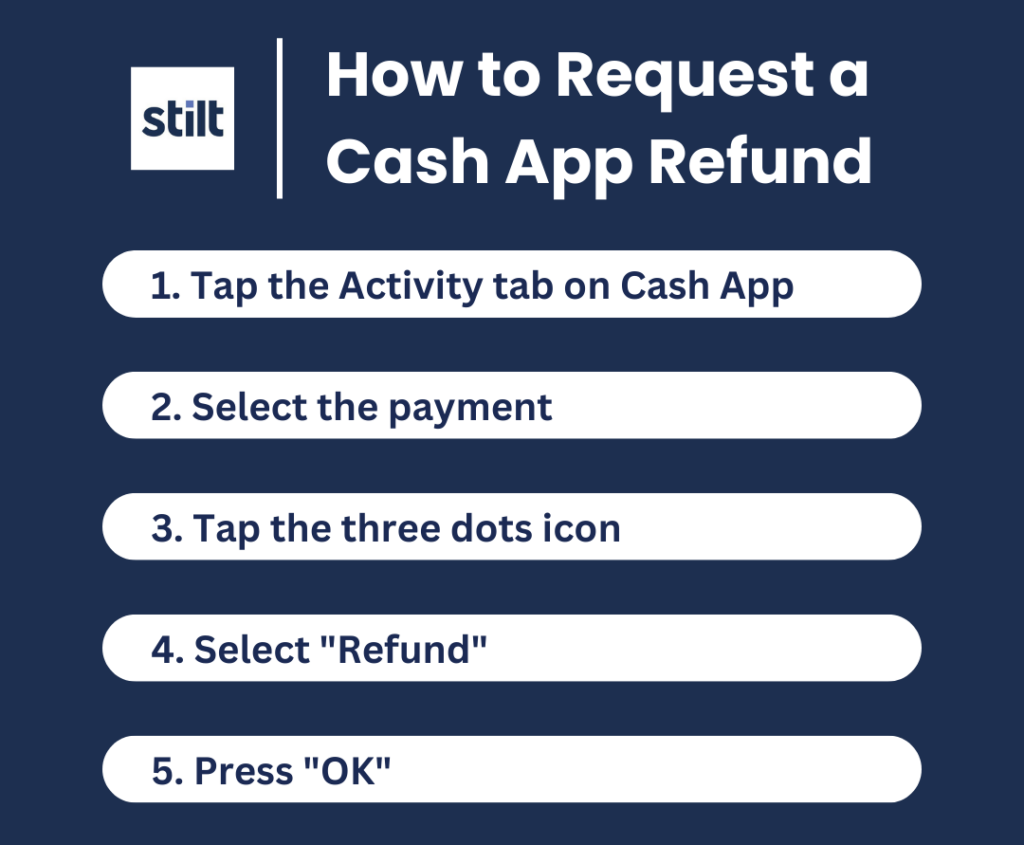
- Locate the Transaction: Go to your Activity feed in Cash App and find the erroneous payment.
- Request a Refund: Tap on the payment and look for an option to “Request” a refund or “Contact” the recipient. Cash App offers a feature to request money from a user, which you can use to explain the situation and ask for the funds back.
- Communicate Clearly: Send a polite message explaining the mistake. Provide details like the amount and the exact time of the transaction. If the recipient is honest, they may return the funds. However, there’s no guarantee, as the recipient is under no legal obligation to do so from Cash App’s perspective.
Initiating a Dispute Through Cash App Support
For more complex issues like scams, fraud, or unauthorized transactions where direct contact with the recipient is impossible or unsuccessful, engaging Cash App support is the next critical step.
Reporting Fraudulent Activity
If you suspect you’ve been scammed or were tricked into sending money, report it immediately within the app.
- Access Support: Tap the profile icon on your Cash App home screen, then scroll down and select “Support.”
- Report an Issue: Choose “Something Else” or “Report a Problem” and describe your situation in detail.
- Provide All Details: Include the transaction ID, the recipient’s Cashtag, the amount, date, and a thorough explanation of what happened. Screenshots of conversations or proof of the scam can be invaluable.
Cash App will investigate these claims, but success often depends on the nature of the fraud and the evidence provided.
Reporting an Unauthorized Transaction
If your account was compromised and money was sent without your permission:
- Lock Your Account: Immediately disable your Cash App card if you have one, and change your password to prevent further unauthorized access.
- Contact Support: Follow the steps above to reach Cash App support. Clearly state that the transaction was unauthorized and that your account may have been compromised.
- Secure Evidence: Note down the exact time, amount, and recipient of the unauthorized transaction. Any unusual login attempts or suspicious activity should also be reported.
Cash App generally takes unauthorized transactions more seriously than authorized ones, as they impact the security of their platform and users.
Providing Necessary Evidence
Regardless of the dispute type, the more evidence you can provide, the stronger your case. This includes:
- Transaction details (ID, date, amount, recipient).
- Screenshots of conversations with scammers.
- Details of phishing attempts or suspicious emails/texts.
- Any information indicating coercion or deception.
Contacting Your Bank (for Linked Debit/Credit Cards)
If your Cash App account is linked to a debit or credit card, and funds were debited from that source, your bank or card issuer might offer an additional layer of protection.
Understanding Chargeback Rights
For credit card transactions, the Fair Credit Billing Act (FCBA) offers robust consumer protections, including chargeback rights for unauthorized charges or billing errors. Debit card protections are generally provided under the Electronic Fund Transfer Act (EFTA), though they might have different timelines and liability limits compared to credit cards.
- Notify Your Bank/Card Issuer: Contact them immediately after discovering the unauthorized or fraudulent transaction. Explain that the charge originated from Cash App but was not authorized by you or was part of a scam.
- Follow Their Procedures: Banks have specific procedures for disputing charges. This usually involves filling out a dispute form and providing documentation.
- Adhere to Timelines: There are strict deadlines for disputing charges (e.g., 60 days from the statement date for credit cards). Act quickly.
A successful chargeback means your bank reverses the transaction and returns the funds to your account, effectively pulling them back from Cash App (which then attempts to recover from the recipient). This can be a more reliable route for unauthorized transactions compared to relying solely on Cash App’s internal processes, especially if Cash App is slow to respond or denies your claim.
Navigating Common Cash App Scams and Frauds
The digital landscape is rife with deceptive practices. Recognizing common scams is key to preventing financial loss and understanding the limited recourse for willingly sent funds.
Recognizing Red Flags
Scammers constantly evolve their tactics, but many share common traits:
- “Sugar Daddy” / “Giveaway” Scams: Promises of large sums of money in exchange for a small upfront payment or sharing personal banking details. Cash App will never ask you to send money to receive money.
- Fake Customer Support: Impersonators posing as Cash App support via social media, phone, or email, asking for your login credentials or to send them money to “verify” your account. Legitimate Cash App support will never ask for your PIN, login code, or to send money for verification.
- Investment Scams: Guarantees of high returns with little to no risk, often involving cryptocurrency or fake platforms.
- Online Purchase Scams: You pay for goods or services that are never delivered or are significantly misrepresented.
- Phishing Attempts: Emails or texts designed to look like they’re from Cash App, asking you to click on malicious links or provide personal information.
Protecting Yourself from Future Financial Loss
Prevention is always better than cure, especially when recovery is challenging.
- Verify Recipients: Always double-check the Cashtag, phone number, or email address before sending money. A small mistake can be costly.
- Use Strong Passwords and 2FA: Enable two-factor authentication (2FA) for your Cash App account. Use a unique, strong password.
- Be Wary of Unsolicited Requests: If someone you don’t know asks for money or offers you money for an unusual reason, be extremely cautious. “If it sounds too good to be true, it probably is.”
- Don’t Share Account Details: Never share your login credentials, PIN, or sensitive financial information with anyone, including those claiming to be Cash App support.
- Understand What Cash App Can and Cannot Do: Recognize that Cash App is primarily a payment facilitator. It has limitations in reversing transactions, especially when you authorized the payment.
When to Escalate: Beyond Cash App Support
If Cash App’s internal dispute resolution process proves unsatisfactory or you’ve experienced significant financial loss, further avenues for escalation exist.
Filing a Complaint with Consumer Protection Agencies
For unresolved issues, particularly those involving potential fraud or violation of consumer financial protection laws, federal agencies can offer assistance.
- Consumer Financial Protection Bureau (CFPB): The CFPB handles complaints about financial products and services, including payment apps. Filing a complaint with the CFPB can prompt Cash App (Block, Inc.) to review your case more thoroughly, as they are obligated to respond to the agency.
- Federal Trade Commission (FTC): The FTC collects reports about fraud, scams, and bad business practices. While they don’t typically resolve individual complaints, your report helps them identify patterns and take action against fraudsters.
- State Attorney General: Your state’s Attorney General’s office may also have a consumer protection division that can intervene or offer guidance for specific types of fraud.
When filing a complaint, provide all relevant documentation, including communication with Cash App support, transaction details, and any evidence of fraud or unauthorized activity.
Legal Recourse and Small Claims
For substantial losses, especially if you have a clear case of fraud or negligence, consulting legal counsel or pursuing small claims court might be an option. This is generally a last resort due to the time and cost involved.
- Gather All Evidence: A strong legal case hinges on meticulous documentation.
- Consult an Attorney: An attorney specializing in consumer law can advise on the viability of your case and guide you through the process.
- Small Claims Court: For amounts within the small claims court limits in your jurisdiction, you might be able to pursue the recipient directly if their identity can be established, or potentially Cash App if negligence can be proven. This is complex and often impractical for typical P2P transaction issues.
The Importance of Documentation
Throughout the entire recovery process, maintaining thorough records is crucial. Document every step:
- Dates and times of all transactions.
- Communication with the recipient, Cash App support, your bank, and any consumer agencies.
- Case numbers assigned by Cash App or your bank.
- Screenshots of all relevant screens, messages, and emails.
This documentation serves as concrete evidence, strengthens your position in disputes, and ensures you have a clear timeline of events.
Proactive Financial Safeguards for Cash App Users
Empowering yourself with knowledge and employing preventive measures is the most effective strategy for protecting your money on Cash App and other digital financial tools.
Regularly Monitoring Transaction History
Make it a habit to check your Cash App activity feed frequently. Regular monitoring allows you to spot suspicious transactions almost immediately, which is crucial for meeting dispute deadlines and acting before funds are irrevocably dispersed. Set up notifications for every transaction, so you’re alerted in real-time.
Understanding Cash App’s Terms of Service
Many users skip reading the terms of service, but these documents outline your rights and responsibilities, as well as Cash App’s limitations. Familiarizing yourself with these terms can help you understand what recourse you might have and what situations are outside Cash App’s liability. For instance, the terms explicitly state that Cash App is not responsible for peer-to-peer transactions sent to the wrong recipient.
Setting Spending Limits and Notifications
Some financial tools allow you to set daily or weekly spending limits. While Cash App itself doesn’t offer granular spending limits within the app for sending money, you can achieve a similar effect by linking a separate bank account or pre-paid debit card that you only fund with the amount you intend to spend or send. Additionally, ensure all notifications for transactions, account logins, and other activities are enabled.

Educating Yourself on Digital Financial Security
The best defense against financial loss is continuous education. Stay informed about the latest scam tactics, phishing attempts, and best practices for digital security. Resources from reputable financial institutions, consumer protection agencies, and cybersecurity blogs can provide valuable insights. Treat Cash App as you would your physical wallet: keep it secure, be mindful of who you’re transacting with, and never leave it exposed to potential theft.
While getting your money back from Cash App can be challenging, especially for authorized payments, proactive measures, swift action, and leveraging available financial protection mechanisms can significantly improve your chances of recovery and prevent future losses.
aViewFromTheCave is a participant in the Amazon Services LLC Associates Program, an affiliate advertising program designed to provide a means for sites to earn advertising fees by advertising and linking to Amazon.com. Amazon, the Amazon logo, AmazonSupply, and the AmazonSupply logo are trademarks of Amazon.com, Inc. or its affiliates. As an Amazon Associate we earn affiliate commissions from qualifying purchases.