
In the realm of personal finance, a voided check might seem like an outdated relic in an increasingly digital world. However, its importance remains undiminished for a variety of critical financial processes. From setting up direct deposit for your paycheck to establishing automatic bill payments, a voided check serves as a crucial document that reliably communicates your bank account and routing information. For Bank of America customers, understanding the precise methods to obtain such a document is essential for seamless financial management. This article delves into the significance of voided checks, outlines the specific avenues available through Bank of America, explores viable alternatives, and provides crucial advice on safeguarding your financial data.

The Indispensable Role of a Voided Check in Modern Finance
Despite the proliferation of online banking and digital payment systems, the voided check retains a foundational place in verifying account details for a multitude of financial transactions. Its primary function is to provide a non-negotiable, yet verifiable, record of your bank account and routing numbers.
Decoding the Voided Check: More Than Just a Cancelled Slip
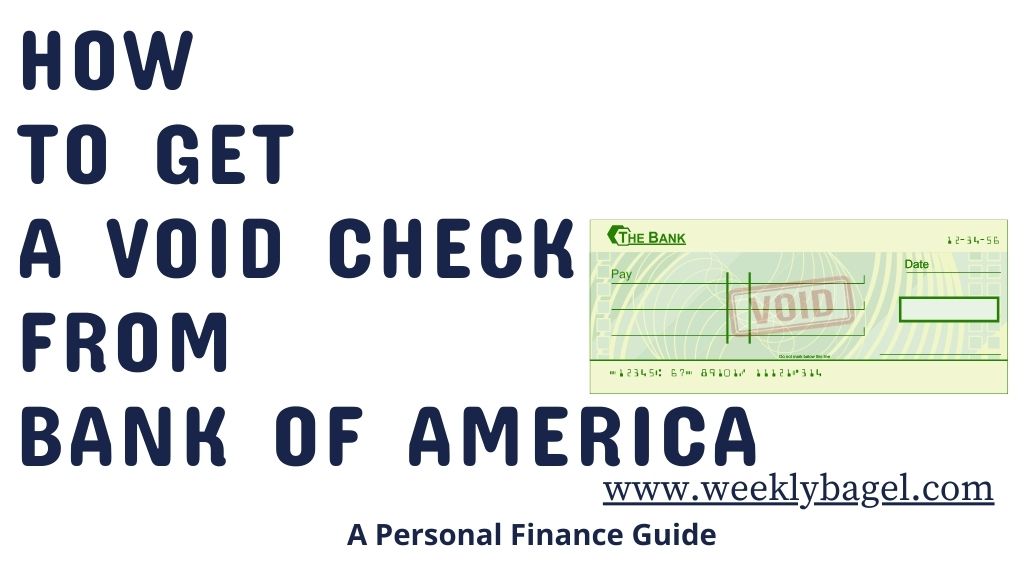
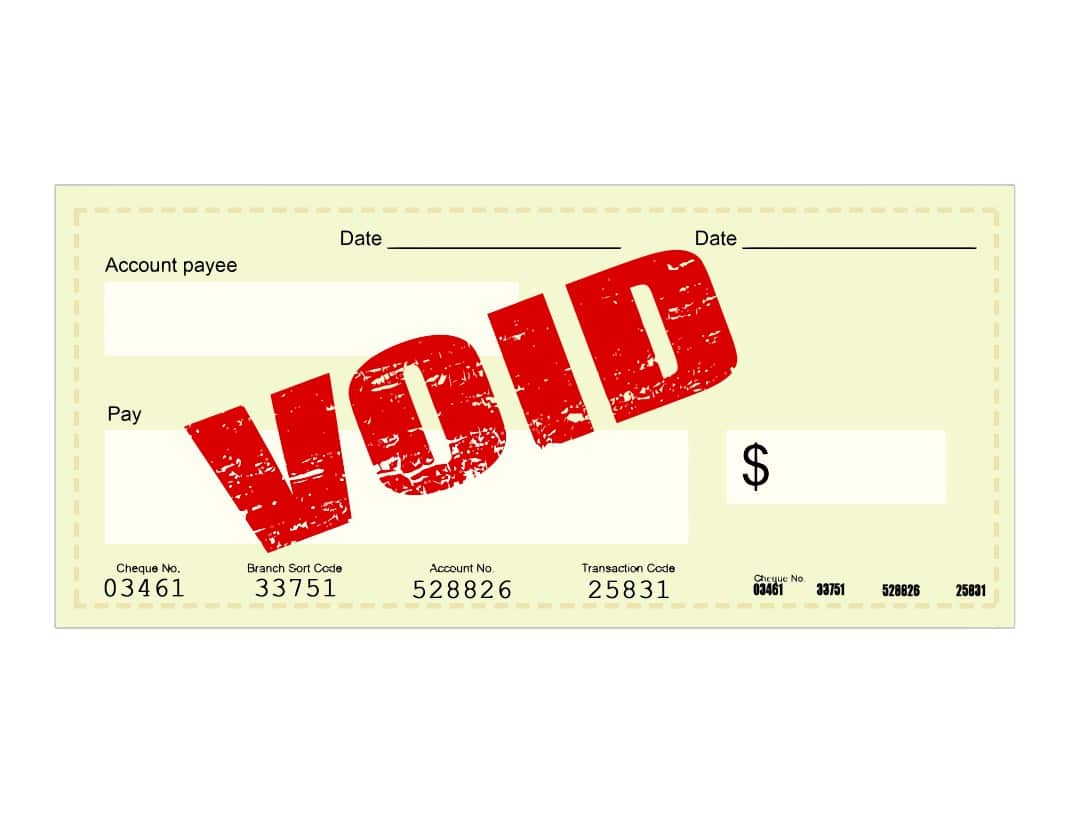
A voided check is essentially a standard blank check from your checkbook that has been rendered unusable for payment by writing “VOID” across its face in large, clear letters. The act of voiding prevents anyone from filling out the check and cashing it, thereby protecting your funds. Its value lies not in its ability to transfer money, but in its legible display of your account number (the second set of numbers at the bottom of the check) and your bank’s routing number (the first set of nine numbers at the bottom). These two pieces of information are fundamental to electronically link your account for various purposes.
The integrity of a voided check stems from the fact that it is a physical document directly issued by your bank, Bank of America in this instance, carrying all the authentic details pre-printed. This minimizes the risk of transcription errors that can occur when manually entering numbers, making it a preferred method for critical financial setups.
Critical Scenarios Demanding a Voided Check
The need for a voided check arises in several key financial situations, each demanding accurate and verifiable bank details to ensure smooth operation and prevent financial disruptions:
- Direct Deposit Setup: This is perhaps the most common reason. Employers require a voided check to accurately set up automated payroll deposits into your Bank of America checking account. This ensures your wages are deposited without delay or error.
- Automatic Bill Payments: Many service providers, such as utility companies, insurance providers, or mortgage lenders, offer automatic payment options. Providing a voided check allows them to establish recurring debits directly from your Bank of America account, ensuring timely payments and avoiding late fees.
- Direct Debit Authorizations: Similar to automatic bill payments, other financial agreements, such as investment contributions or loan repayments, might require a voided check to set up direct debits from your account.
- Setting Up Payment to Third-Party Services: Certain online payment platforms or financial apps might request a voided check to link your bank account for transfers and withdrawals, adding an extra layer of verification.
In each of these scenarios, the voided check acts as a reliable, tangible proof of your banking relationship with Bank of America and the precise details required to initiate electronic transactions.
Why Financial Institutions and Employers Insist on Them
The insistence on a voided check by employers and financial institutions isn’t arbitrary; it’s rooted in security and accuracy. Manual entry of account and routing numbers carries a higher risk of typographical errors, which can lead to significant issues like misdirected funds, delayed payments, or even fraudulent activity. A voided check, being a direct printout from Bank of America, virtually eliminates these risks.
Furthermore, it serves as an implicit authorization. By providing a voided check, you are providing a document that clearly belongs to you, reducing the risk of unauthorized account access. It acts as an undisputed, official reference for initiating electronic funds transfers (EFTs) or automated clearing house (ACH) transactions, which are the backbone of modern electronic payments. For Bank of America account holders, this means leveraging the bank’s established infrastructure for secure and reliable financial operations.
Direct Methods for Obtaining a Voided Check from Bank of America
For Bank of America customers, there are several straightforward ways to obtain a voided check, each catering to different circumstances and levels of urgency.
The Conventional Path: Your Existing Bank of America Checkbook
The simplest and most immediate method for getting a voided check is by using a check from your personal Bank of America checkbook.
Steps:
- Locate a Blank Check: Take a standard, unused check from your Bank of America checkbook. It’s advisable to choose one from the back of the book to avoid disrupting the sequential numbering of checks you might use for actual payments.
- Write “VOID” Clearly: Using a blue or black pen, write “VOID” in large, prominent letters across the entire face of the check. Ensure the word covers the entire check, from top to bottom and side to side, so that no one can fill in the payee name, amount, or signature lines.
- Ensure Readability: While voiding the check, make sure that your Bank of America account number and routing number at the bottom remain perfectly legible. These are the critical pieces of information being requested.
- Make a Copy (Optional but Recommended): Before submitting the voided check, it’s a good practice to make a photocopy or take a clear digital image for your records. This provides you with proof of what you submitted and preserves the details in case the original is lost or misplaced.
This method is ideal if you have an active Bank of America checking account and readily accessible checks. It’s free, immediate, and leverages the authentic documents provided by your bank.
When the Checkbook is Absent: Visiting a Bank of America Branch
If you don’t have a Bank of America checkbook readily available – perhaps you rarely use checks, have run out, or are new to the account – a visit to a physical Bank of America branch is a reliable alternative.
Steps:
- Locate a Branch: Use the Bank of America website or mobile app to find the nearest branch location and check their operating hours.
- Bring Identification: When visiting, you will need to present a valid form of identification, such as a driver’s license, state ID, or passport. This is crucial for verifying your identity as the account holder.
- Request a Starter Check or Deposit Slip: Inform a teller or personal banker that you need a voided check for direct deposit or automatic payments. They can usually provide you with a starter check (a temporary check printed on-site) or sometimes a deposit slip. While a deposit slip only shows your account number, a starter check will have both your routing and account numbers.
- Void On-Site (If Applicable): If they provide a starter check, void it immediately and clearly as described above (writing “VOID” across the face).
- Request a Printed Document: Alternatively, they might be able to print a document directly from their system that includes your full account and routing numbers. This document would serve the same purpose as a voided check. Ensure this document is official, possibly bearing the bank’s stamp or letterhead.
This method is particularly helpful for new account holders or those who prefer to manage their finances primarily digitally and therefore don’t keep a physical checkbook. It ensures you receive an official document directly from Bank of America.
Online Banking & Mobile App: Are Voided Checks Available Digitally?
In the age of digital transformation, many Bank of America customers wonder if they can obtain a voided check through online banking or the mobile app. The short answer is: you cannot digitally generate a “voided check” as a physical document from Bank of America’s online platforms.
However, Bank of America’s online banking and mobile app do provide access to the information contained on a voided check – namely, your account number and the bank’s routing number.
What you can do through Bank of America’s digital channels:
- Locate Routing Number: Both the Bank of America website (after logging in) and the mobile app typically display your account’s routing number. This is often found under “Account Details” or similar sections.
- Locate Account Number: Your full account number is usually accessible through the online banking portal. For security reasons, the mobile app often displays only the last few digits, but the full number can generally be viewed on the desktop website.
While you cannot print a voided check directly, you can often find the necessary information to fill out digital direct deposit forms or provide the numbers directly to a requesting party who accepts them without a physical voided check. It’s crucial, however, to ensure the requesting party specifically allows for numerical entry rather than demanding a physical voided check. If they insist on a voided check, one of the physical methods described above will be necessary.
Prudent Alternatives When a Physical Voided Check Isn’t Feasible
There are situations where obtaining a physical voided check from Bank of America might be inconvenient or impossible. In such cases, several recognized alternatives can serve the same purpose, provided the requesting entity accepts them.
The Bank of America Direct Deposit/Withdrawal Form
Many organizations and employers understand that not everyone carries a checkbook. To streamline the process, they often provide their own direct deposit authorization forms.
- Bank of America-Specific Forms: Sometimes, employers might have their own generic direct deposit form that you can fill out. However, if the employer or institution is specifically geared towards Bank of America customers, they might even have a pre-printed form that requires minimal input from you.
- Information to Provide: On these forms, you will typically need to manually enter your Bank of America account number and the routing number. The form usually also requires your signature to authorize the transactions.
- Verification: Some employers might still request a copy of a bank statement or a printout from online banking showing your details to verify the manually entered numbers.
This method relies on accurately transcribing your Bank of America details, so double-check all numbers before submission.
Official Bank Letter or Statement of Account Details
If a voided check or a standard form isn’t accepted, an official document directly from Bank of America can often serve as an adequate substitute.
- Requesting a Bank Letter: You can visit a Bank of America branch and request a formal letter confirming your account details, including your account number and routing number. This letter would be printed on Bank of America letterhead and may include an official stamp. This option carries a high level of authenticity and is usually accepted by even the most stringent institutions.
- Using a Bank Statement: A recent Bank of America statement, either printed or a secure digital version, clearly shows your account number and often the bank’s routing number. You can often download eStatements directly from your Bank of America online banking portal. However, be cautious when using a full statement as it contains more personal financial information than is necessary. If using a statement, ensure you redact or obscure any sensitive transaction details not relevant to the request.
Both options offer official verification from Bank of America, providing reassurance to the requesting party about the accuracy of your financial details.
Securely Providing Account Information Without a Check
In some very specific instances, particularly for online services or smaller transactions, you might be asked to simply provide your Bank of America account and routing numbers directly.
- Caution is Key: This method should be approached with extreme caution and only used with trusted, legitimate entities. Never provide these numbers over unsecured channels like unencrypted email or to unverified callers.
- Verify the Requestor: Always confirm the identity and legitimacy of the party requesting this information. Legitimate organizations will typically have secure online portals or encrypted forms for submitting such sensitive data.
- Partial Information for Verification: Some services might only ask for the last few digits of your account number initially for verification purposes, and then direct you to a secure portal for full details.
While this method is the most prone to error and potential fraud, it’s a reality in some digital interactions. Always prioritize the security of your Bank of America account information above convenience.
Safeguarding Your Financial Information: Best Practices
Providing your Bank of America account and routing numbers, whether via a voided check or an alternative, exposes sensitive financial data. Therefore, adhering to strict security protocols is paramount.
The Imperative of Data Security
Your Bank of America account and routing numbers are the keys to your financial accounts. Anyone with these numbers and sufficient additional personal information could potentially initiate unauthorized transactions.
- Limit Exposure: Only provide these numbers when absolutely necessary and to trusted entities.
- Secure Storage: If you make copies of voided checks or bank statements, store them in a secure location, preferably locked or digitally encrypted.
- Shred Old Documents: Never simply discard old voided checks or documents containing your account information. Shred them thoroughly to prevent identity theft.
Bank of America actively works to protect its customers, but individual vigilance is the first line of defense.
Verifying the Authenticity of the Request
Before handing over a voided check or any bank information, always verify the legitimacy of the requesting party.
- Employer Verification: For employers, confirm they are a legitimate business. Check their official website, phone numbers, and physical address.
- Service Provider Verification: For bill pay setups, ensure you are dealing directly with the official service provider (e.g., your utility company’s official portal, not a third-party scam site).
- Avoid Suspicious Requests: Be wary of unsolicited requests for banking information, especially via email, text message, or phone calls. Bank of America will never ask for your full account number or PIN via these unsecure methods.
When in doubt, contact the organization directly using a verifiable phone number or email from their official website, not from the request itself.
When and How to Discard Voided Checks
Once a voided check has served its purpose and the direct deposit or automatic payment is successfully set up and verified, the physical document is no longer needed.
- Secure Shredding: The safest way to dispose of a voided check, or any document containing sensitive Bank of America account information, is to shred it using a cross-cut shredder. This renders the information unreadable.
- Avoid Trash Cans: Never simply throw a voided check into the trash. It’s a goldmine for fraudsters.
By responsibly disposing of your voided checks, you significantly reduce the risk of your Bank of America account information falling into the wrong hands.
Beyond the Basics: What Else to Consider
Successfully navigating the process of obtaining and using a voided check or its alternatives for your Bank of America account involves understanding some finer points of financial management.
Understanding Your Bank of America Account Numbers
It’s crucial to understand the distinct roles of your Bank of America account number and routing number.
- Routing Number: This nine-digit number identifies Bank of America itself. It’s constant for all Bank of America accounts within a specific geographic region (though some banks have multiple routing numbers depending on the type of transaction or location). This number directs funds to the correct financial institution.
- Account Number: This unique number identifies your specific checking or savings account at Bank of America. It tells the bank which individual account to credit or debit.
When setting up any electronic transaction, both numbers must be accurate and correctly paired.
The Difference Between a Voided Check and a Canceled Check
While both terms relate to checks that are no longer usable for payment, their implications are different.
- Voided Check: This is a blank check you’ve purposefully marked “VOID” to prevent use for payment, solely for the purpose of providing account information. It was never intended to be cashed.
- Canceled Check: This is a check that was written, issued, and then processed by the bank. Once the bank has paid the funds out and cleared the check, it is “canceled” or “cleared.” You might see images of canceled checks in your Bank of America online banking history. A canceled check confirms a payment was made; a voided check prevents one.
Expediting the Process: Tips for Efficiency
To make the process of getting and using a voided check as smooth as possible:
- Keep a Few Checks Handy: Even if you primarily bank digitally, having a small supply of Bank of America checks can save you a trip to the branch.
- Know Your Account Numbers: Memorize or securely store your Bank of America account and routing numbers. This can speed up form filling.
- Communicate Clearly: When requesting a voided check or alternative from Bank of America, clearly state your purpose (e.g., “I need a voided check for direct deposit setup”).
- Plan Ahead: Don’t wait until the last minute to get a voided check. Allow ample time, especially if you need to visit a branch or request a special document.
By adhering to these guidelines, Bank of America customers can efficiently and securely manage their financial setups, leveraging the necessary documentation for a variety of critical financial processes, all while protecting their sensitive banking information.
aViewFromTheCave is a participant in the Amazon Services LLC Associates Program, an affiliate advertising program designed to provide a means for sites to earn advertising fees by advertising and linking to Amazon.com. Amazon, the Amazon logo, AmazonSupply, and the AmazonSupply logo are trademarks of Amazon.com, Inc. or its affiliates. As an Amazon Associate we earn affiliate commissions from qualifying purchases.