
Securing tickets for high-demand events can often feel like a competitive sport, where timing, strategy, and a bit of luck play crucial roles. For the financially savvy consumer, understanding and mastering the presale landscape is not just about gaining access; it’s about optimizing expenditures, leveraging financial tools, and making informed decisions that impact your personal budget. Presales offer an exclusive window to purchase tickets before the general public, a privilege that can translate into significant financial advantages, from securing better seats at face value to avoiding the inflated prices of the secondary market.
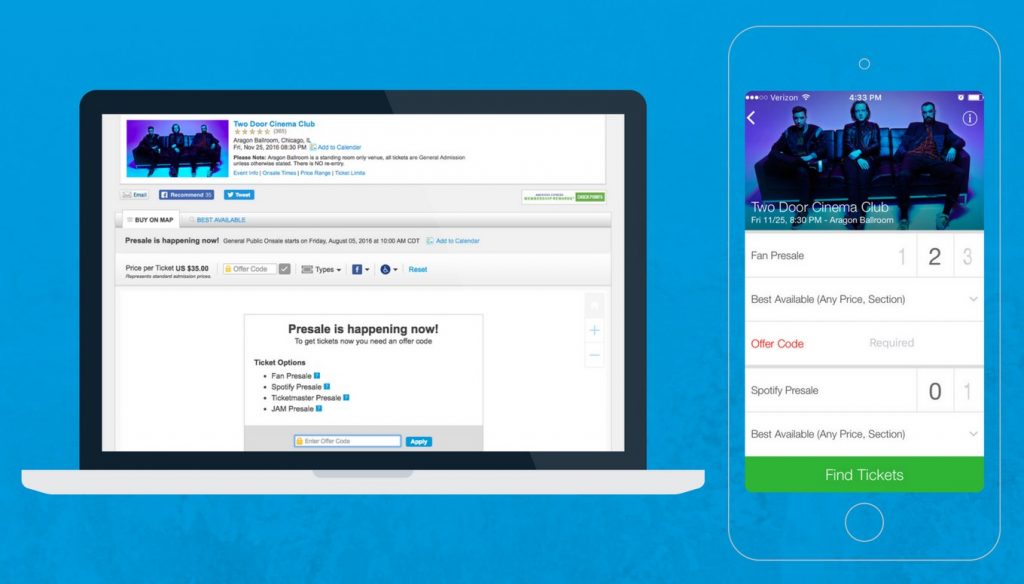
The Financial Logic of Presales
Presales are not merely early access; they are a sophisticated marketing and sales strategy with clear financial implications for both organizers and consumers. For event promoters, presales generate early revenue, gauge demand, and build loyalty. For you, the consumer, they represent an opportunity to manage your entertainment budget more effectively and secure valuable experiences.
Why Presales Matter for Your Wallet
The primary financial benefit of presales lies in accessing tickets at face value before they become subject to the forces of unrestricted supply and demand. Once tickets hit the general sale, especially for popular events, the initial inventory can vanish quickly, driving desperate fans to the secondary market where prices are often significantly marked up. By participating in a presale, you circumvent this price surge, potentially saving a considerable sum. Furthermore, presales often offer a wider selection of seats or entry tiers, allowing you to choose options that best fit your budget, whether it’s a premium experience or a more economical choice. Securing a ticket at face value for a highly sought-after event can also be seen as acquiring an asset whose value is stable or even appreciating, protecting your entertainment investment from market volatility.
Types of Presales and Their Monetary Value
Different presale types offer varying levels of financial advantage and require specific strategies. Recognizing these distinctions is key to unlocking their potential monetary benefits:
-
Fan Club Presales: These require membership to an artist’s or team’s fan club, which often comes with an annual fee. The financial decision here involves a cost-benefit analysis: does the yearly fee justify consistent early access to tickets, potentially saving money on resale markets over multiple events? For avid fans, this can be a sound investment.
-
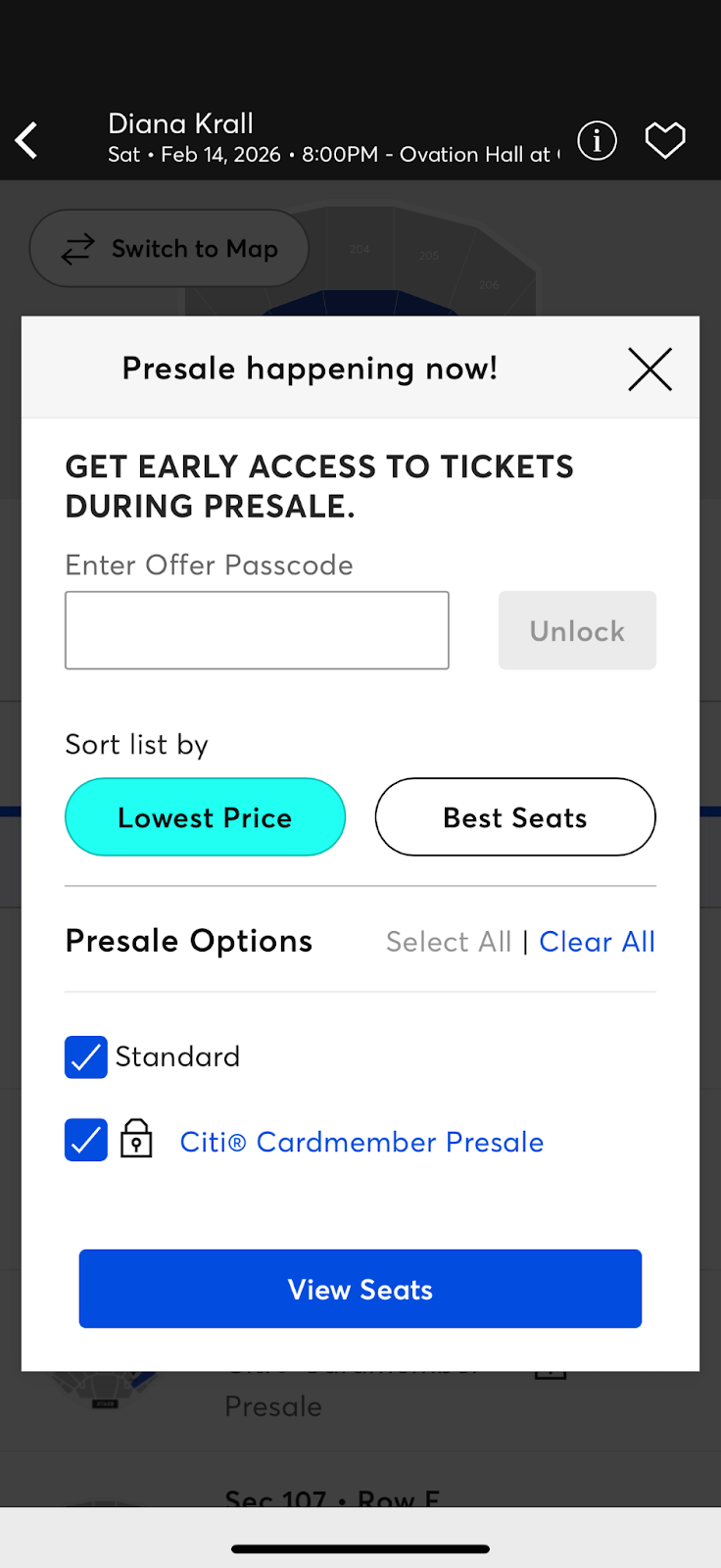
Credit Card Presales: Many credit card companies, notably American Express, Chase, and Citi, offer exclusive presale access as a perk for their cardholders. While some premium cards carry annual fees, the value derived from presale access, alongside other travel and purchase protections, can outweigh these costs for frequent event-goers. This is a direct financial leverage play, turning a card benefit into tangible access and savings.
-
Venue Presales: Local venues or promoters often have their own email lists or loyalty programs, granting early access. Signing up is typically free, making this a high-value, low-cost strategy. The financial benefit is pure access to face-value tickets without additional fees beyond the standard ticket charges.
-
Sponsor Presales: Brands sponsoring events may offer presale codes to their customers or social media followers. This often requires minimal effort, like following a brand on social media or signing up for a newsletter. These presales are essentially a no-cost avenue to financial savings, as they require no direct payment beyond engaging with the sponsor.
Understanding these types allows you to strategically position yourself, assessing the upfront costs (e.g., fan club fees, premium credit card annual fees) against the potential savings and guaranteed access.
Strategic Financial Preparation for Presale Access
Success in presales is less about luck and more about meticulous financial preparation and strategic planning. This involves more than just having money; it’s about optimizing how you spend, leveraging financial tools, and ensuring a seamless transaction.
Budgeting for High-Demand Events
Before a presale even begins, establish a clear and realistic budget. High-demand events often come with dynamic pricing, various seating tiers, and unavoidable service fees, facility fees, and taxes that can significantly inflate the total cost. Determine your maximum expenditure for tickets, parking, transportation, and any other ancillary costs. Sticking to this budget is crucial to prevent overspending in the heat of the moment. Consider allocating a specific portion of your discretionary income for entertainment, allowing you to participate in presales without financial strain. Use budgeting apps or spreadsheets to track these allocations.
Leveraging Credit Card Benefits
Certain credit cards are designed with entertainment perks in mind, offering exclusive presale access as a significant draw. For instance, American Express often partners with Live Nation and Ticketmaster to provide “Amex Presales.” While these cards may carry annual fees, the ability to consistently access high-demand events can justify the cost, especially if you attend multiple events annually. Evaluate the cost-benefit of such cards: compare the annual fee against the potential savings from securing face-value tickets and the convenience of early access. Look for cards that also offer purchase protection, extended warranties, or rewards points on entertainment purchases, further enhancing their financial utility.
Optimizing Fan Club and Loyalty Memberships
For dedicated fans, joining an artist’s official fan club or a venue’s loyalty program can be a shrewd financial move. These memberships often come with a fee, but they provide consistent, prioritized access to presales. Calculate the “return on investment” for such memberships: if the annual fee is $50, but it allows you to secure tickets for two major events a year, preventing you from paying $100-$200 in secondary market markups, it’s a net financial gain. Additionally, some loyalty programs offer points or discounts on future purchases, further sweetening the deal. It’s an investment in guaranteed access and potential savings over time.
Account Setup and Financial Readiness
The frantic pace of presales leaves no room for fumbling with payment details. Create and update accounts on all relevant ticketing platforms (e.g., Ticketmaster, AXS, etc.) well in advance. Crucially, ensure your payment methods are current, credit card details are pre-filled and saved securely, and billing addresses are accurate. Confirm that your credit card has sufficient available credit for the purchase, or if using a debit card, that there are adequate funds. Some banks may flag large online transactions as suspicious, so consider notifying your bank of an impending large purchase to avoid holds. This proactive financial readiness minimizes delays and potential transaction failures, which can cost you the tickets.
Navigating the Presale Transaction Phase
The moment the presale begins is a critical juncture where your preparation meets real-time execution. Understanding the financial dynamics of the transaction process, from digital waiting rooms to fee structures, is paramount to a successful and financially sound purchase.
The Urgency of the Digital Waiting Room
Upon entering a digital waiting room, you’re not just waiting; you’re entering a dynamic, high-stakes environment where every second counts. Ticketing platforms use queues to manage demand, but once you gain access, speed is of the essence. Hesitation can lead to losing desirable seats or even the entire inventory, forcing you to consider less optimal, potentially more expensive, options or resorting to the secondary market. Be ready to make quick decisions regarding seating preferences and price points, adhering to your pre-set budget. Be aware of any dynamic pricing mechanisms, where ticket prices can fluctuate based on real-time demand. While less common in initial presales, understanding this possibility helps you assess the immediate financial value of your chosen tickets. Avoid impulse buys outside your budget, even under pressure.
Secure Payment Processing and Fraud Prevention
In the rush to secure tickets, it’s easy to overlook crucial financial security measures. Always ensure you are on the official ticketing website or app. Phishing scams and fraudulent sites are prevalent during high-demand events, designed to steal your payment information. Verify the URL and look for “https://” in the address bar. Use strong, unique passwords for your ticketing accounts, ideally with two-factor authentication enabled. When processing payment, use a credit card over a debit card whenever possible, as credit cards typically offer stronger fraud protection and dispute resolution mechanisms. Monitor your bank and credit card statements immediately after a purchase for any unauthorized activity. Protecting your financial information is as important as securing the tickets themselves.
Understanding Ticket Pricing Tiers and Hidden Fees
The “face value” of a ticket is rarely the final price you pay. Ticketing platforms are notorious for adding various fees that significantly increase the total cost. These typically include:
-
Service Fees: A charge from the ticketing platform for processing the transaction.
-
Facility Fees: A charge from the venue to cover operational costs.
-
Order Processing Fees: Sometimes a separate charge for handling the overall order.
-
Taxes: Applicable local and state taxes.
Before confirming your purchase, meticulously review the breakdown of all charges. Factor these fees into your initial budget. Sometimes, opting for an e-ticket over a physical ticket can save a few dollars in delivery fees. By understanding these components, you can make an informed decision on whether the total cost aligns with your financial plan and avoid sticker shock at checkout. Being prepared for these added costs ensures your budget accurately reflects the final expenditure.
Post-Presale Financial Management and Future Strategies
Successfully navigating a presale is a victory, but the financial journey doesn’t end there. Thoughtful post-purchase analysis and forward-looking strategies can refine your approach for future events and manage potential financial risks.
Assessing Your Purchase and Budget Adherence
After the excitement of securing tickets subsides, take a moment to review your purchase against your initial budget and financial goals. Did you stick to your pre-determined spending limit? Were there any unexpected costs that pushed you over? This self-assessment is crucial for understanding your purchasing behavior under pressure and identifying areas for improvement. If you overspent, analyze why and consider adjustments to your budgeting strategy for future events. Conversely, if you managed to secure excellent seats within budget, document your successful tactics to replicate them. This reflective process strengthens your financial discipline and makes you a more effective consumer.
The Secondary Market: Risks and Rewards
What if you couldn’t secure tickets during the presale, or you purchased tickets you no longer need? The secondary market—platforms like StubHub, SeatGeek, and Viagogo—becomes a relevant financial consideration. For buyers, the secondary market presents both risks (inflated prices, potential for counterfeit tickets, lack of consumer protection on some platforms) and rewards (access to otherwise sold-out events). Financially, it’s a landscape of supply and demand, often with significant markups. Approach it with extreme caution and a clear budget, understanding that prices can be highly volatile.
For sellers, the secondary market offers an opportunity to recoup costs or even generate income from unused tickets, but often with platform fees and legal restrictions depending on the region and event. Be aware of the terms and conditions of original ticket purchase regarding resale and any local laws governing ticket resales, as violating these can lead to financial penalties or legal issues. Weigh the potential profit against the risks and platform fees before engaging.

Learning from Each Presale Attempt
Every presale, successful or not, offers valuable lessons for refining your financial strategy. Keep a record of which presale types you utilized, which credit card benefits were most effective, and what budgeting adjustments were necessary. Did a particular fan club membership prove its worth? Did a new credit card offer superior access? Learning from both triumphs and setbacks will inform your approach to future presales. Stay updated on new ticketing technologies, payment options, and evolving presale access methods. By continuously refining your financial and tactical approach, you transform the often-stressful act of buying tickets into a well-managed component of your personal financial strategy, ensuring you secure valuable experiences without compromising your financial well-being.
aViewFromTheCave is a participant in the Amazon Services LLC Associates Program, an affiliate advertising program designed to provide a means for sites to earn advertising fees by advertising and linking to Amazon.com. Amazon, the Amazon logo, AmazonSupply, and the AmazonSupply logo are trademarks of Amazon.com, Inc. or its affiliates. As an Amazon Associate we earn affiliate commissions from qualifying purchases.