
For the modern professional, business class is not merely a luxury; it is a tool for productivity and physical preservation. Arriving at a cross-continental meeting well-rested and prepared can have a direct impact on business outcomes and personal well-being. However, the retail price of a long-haul business class seat—often ranging from $4,000 to $10,000—can represent a significant capital outlay. Mastering the art of securing these seats for a fraction of their face value requires a sophisticated understanding of airline revenue management, credit card ecosystems, and geographic arbitrage.
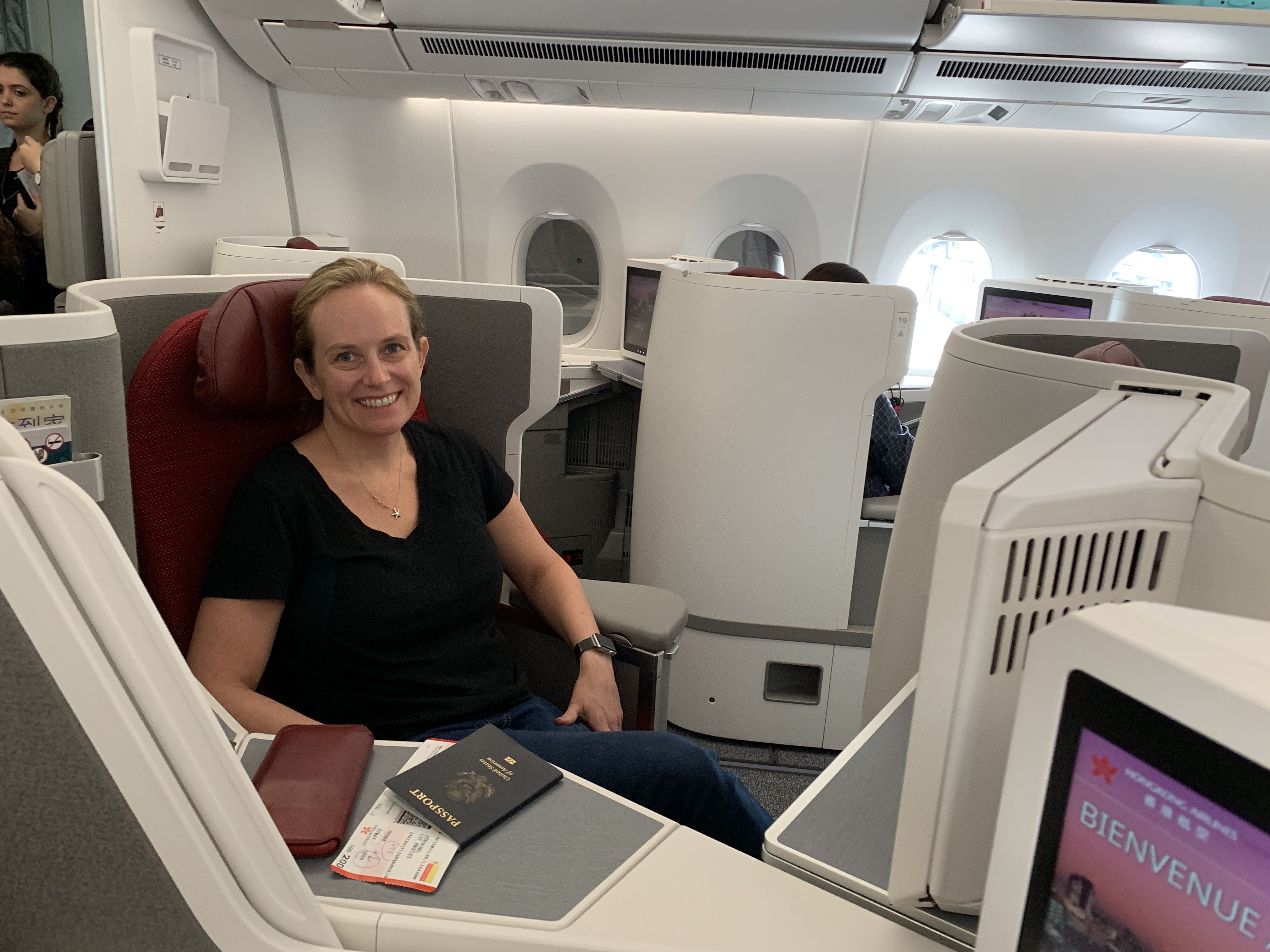
This guide explores the financial strategies necessary to optimize your travel spend, transforming business class from an occasional indulgence into a repeatable, cost-effective standard for your professional life.
Understanding the Financial Mechanics of Premium Cabin Pricing
To find the cheapest business class flights, one must first understand how airlines price their inventory. Unlike economy seats, which are often priced to fill the plane, business class seats are priced based on the “willingness to pay” of corporate accounts and high-net-worth individuals. This creates a highly volatile pricing environment where the same seat can cost $2,000 one day and $8,000 the next.
The Logic of Revenue Management Buckets
Airlines categorize seats into “fare buckets.” Even within the business class cabin, there are several tiers of pricing. The lowest tier is often reserved for those who book well in advance or during promotional periods. These “discounted business” fares usually come with stricter cancellation policies but offer the same hard product—the lie-flat bed and lounge access—as the full-fare tickets. By monitoring these specific fare classes (often coded as I, Z, or P), a savvy traveler can identify when an airline is “dumping” inventory to ensure the cabin flies full.
The Saturday Night Stay Requirement
A remnant of traditional corporate travel logic is the “Saturday night stay” rule. Historically, airlines assumed that if a traveler stayed over a Saturday, they were a leisure traveler paying out of pocket, whereas those flying mid-week were corporate travelers on an expense account. While this rule is becoming less common, it still exists on several trans-atlantic routes. Planning your business trips to include a weekend stay can often drop the price of a business class ticket by 40% to 60%.
Maximizing the ROI of Credit Card Rewards and Transferable Points
The most effective way to lower the net effective cost of business class is through the strategic use of transferable loyalty points. This is essentially a form of financial arbitrage: you earn points through business or personal spending and “sell” them back to the airline in exchange for high-value redemptions.
The Value of Transferable Currencies
To maintain maximum flexibility, your capital should be held in transferable point systems—such as American Express Membership Rewards, Chase Ultimate Rewards, or Capital One Venture Miles—rather than tied to a single airline. These ecosystems allow you to move points to various airline partners at a 1:1 ratio. The goal is to achieve a “cents per point” (CPP) valuation that far exceeds the standard 1-cent-per-point cash-back rate. For example, a $5,000 business class flight booked for 80,000 points yields a value of 6.25 cents per point, a massive return on your original spend.
Identifying “Sweet Spots” in Partner Awards
One of the most misunderstood aspects of airline finance is that you do not have to book a flight through the airline that is actually operating the aircraft. Because of global alliances (Star Alliance, Oneworld, and SkyTeam), you can use one airline’s miles to book another’s seats.
-
The ANA-Virgin Atlantic Play: You can book a round-trip business class flight on All Nippon Airways (ANA) from the US to Japan using Virgin Atlantic Flying Club points for as little as 95,000 points—a flight that often retails for over $7,000.
-
The Iberia Strategy: Using Avios to fly Iberia Business Class from New York to Madrid during off-peak dates can cost as little as 34,000 miles one-way, representing one of the lowest entry points into international business class in the world.
Sign-Up Bonuses as Capital Injection
For business owners, the acquisition of points can be accelerated through “Sign-Up Bonuses” (SUBs) on premium business credit cards. A single business card bonus of 100,000 to 150,000 points can often be enough for a round-trip business class ticket to Europe or Asia. By strategically timing these applications around major business expenses—such as quarterly tax payments or inventory purchases—you can generate a “travel fund” that requires zero additional out-of-pocket expenditure.

Geographic Arbitrage and the Use of Positioning Flights
The price of a flight is rarely determined by distance; it is determined by the market of origin. This creates an opportunity for geographic arbitrage. A business class flight from London to Bangkok might cost $4,000, but the exact same flight—operated by the same airline—starting in Oslo or Stockholm might only cost $1,800.
The Logic of “Starting Elsewhere”
Airlines often lower prices in markets where they do not have a dominant presence to lure customers away from the national carrier. For example, Qatar Airways or Emirates may offer significantly lower business class fares from secondary European cities (like Sofia, Budapest, or Dublin) than they do from major hubs like London or Paris.
To exploit this, you book a “positioning flight”—a cheap, separate economy ticket or a short-haul flight—to the cheaper starting city. Even after the cost of the positioning flight and a potential night in a hotel, the total savings can often exceed $2,000 per person.
Hidden City and Open-Jaw Ticketing
Another advanced strategy involves “open-jaw” ticketing, where you fly into one city and out of another. For example, flying into Frankfurt and out of Munich. This can often bypass the premium pricing associated with round-trip demand to a single hub. Additionally, “nested” tickets can be used for frequent travelers who visit the same region multiple times a year, allowing them to take advantage of lower “ex-EU” or “ex-Asia” pricing by starting their second journey where their first one ended.
The Art of the Upgrade: Cash Bids and Last-Minute Liquidation
If you cannot find a discounted business class fare at the time of booking, the secondary market for upgrades offers another path to savings. Airlines would rather sell a business class seat for a small premium than have it fly empty.
Bid-to-Upgrade Systems
Many airlines now use “Plusgrade” or similar auction-style systems. After purchasing an economy or premium economy ticket, you are given the opportunity to bid for an upgrade. To maximize your chances while minimizing cost, check the seat map on a site like ExpertFlyer to see how many seats remain in the business cabin. If the cabin is mostly empty, a “weak” bid (slightly above the minimum) has a high probability of success. This often allows you to secure a business class experience for the price of an economy ticket plus a few hundred dollars.
Last-Minute Cash Upgrades
The 24-hour window before departure is critical. When you check in online or via the airline’s app, look for “Load Factor” based offers. Airlines often offer deeply discounted cash upgrades at this stage to monetize any remaining inventory. These offers are frequently much cheaper than the original price difference between economy and business class. It is a form of last-minute liquidation that benefits the flexible traveler.
Tax Optimization and Corporate Travel Policy Integration
For those operating their own business or working as high-level consultants, the “cost” of a flight is also impacted by its tax treatment.
Business Deductibility
In many jurisdictions, the cost of a business class flight is a fully deductible business expense, provided the primary purpose of the trip is professional. When you factor in the tax savings—depending on your effective tax rate—the “real” cost of a $3,000 business class seat may only be $2,000 in net after-tax income. This makes the “points vs. cash” debate more nuanced; sometimes, paying cash for a discounted business fare is more financially sound because it generates a tax deduction and earns more miles for future use.

Utilizing Corporate Portals and Small Business Programs
Even small businesses can enroll in programs like United for Business, Delta Edge, or American Airlines’ AAdvantage Business. These programs allow the company to earn points on top of the miles earned by the individual traveler. Over time, these corporate points can be redeemed for free upgrades or flights, further driving down the average cost of premium travel across the organization.
By combining these strategies—technical fare monitoring, point valuation arbitrage, geographic positioning, and tax optimization—the “prohibitive” cost of business class is revealed to be a flexible variable. High-value travel is not about spending more; it is about allocating your financial resources with greater precision to ensure that your travel supports, rather than drains, your bottom line.
aViewFromTheCave is a participant in the Amazon Services LLC Associates Program, an affiliate advertising program designed to provide a means for sites to earn advertising fees by advertising and linking to Amazon.com. Amazon, the Amazon logo, AmazonSupply, and the AmazonSupply logo are trademarks of Amazon.com, Inc. or its affiliates. As an Amazon Associate we earn affiliate commissions from qualifying purchases.