
Securing a business loan is often a pivotal moment for any enterprise, whether it’s a budding startup seeking seed capital or an established company aiming for expansion. Access to external financing can unlock opportunities, mitigate cash flow challenges, and accelerate growth trajectories that might otherwise remain out of reach. However, the path to obtaining a business loan is rarely straightforward. It requires meticulous preparation, a clear understanding of available options, and a strategic approach to the application process. This article delves into the intricacies of acquiring business funding, providing insights and actionable steps to help entrepreneurs navigate the lending landscape successfully.

Understanding the Landscape of Business Finance
Before embarking on the journey to secure a loan, it’s crucial to grasp the fundamental role business finance plays and the sheer diversity of lending products available in the market. This foundational understanding empowers business owners to make informed decisions tailored to their specific needs and circumstances.
Why Business Loans Are Essential for Growth
Businesses, regardless of their size or industry, often encounter situations where their internal capital is insufficient to meet operational demands or seize growth opportunities. Business loans serve as a critical external financial injection for various purposes:
- Startup Costs: Covering initial expenses like equipment, inventory, rent, and marketing for new ventures.
- Working Capital: Bridging gaps in cash flow, covering daily operational expenses, or managing seasonal fluctuations.
- Expansion and Growth: Funding new locations, increasing production capacity, hiring more staff, or entering new markets.
- Equipment Purchase: Acquiring or upgrading essential machinery, vehicles, or technology.
- Inventory Management: Stocking up on goods to meet demand, especially during peak seasons.
- Debt Refinancing: Consolidating existing high-interest debts into a single, more manageable loan with better terms.
- Strategic Investments: Funding research and development, acquiring another business, or implementing new technologies.
Without access to such capital, many promising businesses would struggle to scale, innovate, or even survive challenging periods. A well-timed and appropriately structured loan can be the catalyst that transforms potential into prosperity.
The Diverse Spectrum of Lending Options
The lending market is far from monolithic; it offers a wide array of products designed to cater to different business sizes, stages, and needs. From traditional banks to online lenders and government-backed programs, understanding this spectrum is the first step in identifying the right fit. Each option comes with its own set of eligibility criteria, interest rates, repayment terms, and application processes. Familiarity with these distinctions will significantly streamline your search and enhance your chances of success. The key is to match your business’s financial health and specific funding purpose with the characteristics of the available loan products.
Essential Preparations Before You Apply
The adage “fail to prepare, prepare to fail” holds particularly true when seeking a business loan. Lenders are inherently risk-averse; they want assurance that their money will be repaid. Demonstrating thorough preparation not only increases your chances of approval but can also lead to more favorable loan terms. This preparatory phase involves meticulously organizing your business’s narrative, financial health, and future projections.
Crafting a Robust Business Plan
A well-written business plan is more than just a formality; it’s your business’s blueprint and a compelling sales pitch to potential lenders. It should articulate your vision, strategy, and operational details with clarity and conviction. Key components include:
- Executive Summary: A concise overview of your business, its mission, products/services, and financial highlights.
- Company Description: Details about your legal structure, history, and core values.
- Market Analysis: In-depth research on your target market, industry trends, competition, and your unique selling proposition.
- Organization and Management: Information about your management team, their expertise, and the organizational structure.
- Service or Product Line: Detailed descriptions of what you offer, including any intellectual property.
- Marketing and Sales Strategy: How you plan to reach customers and generate revenue.
- Financial Projections: Crucial for lenders, including historical financial data (if applicable), income statements, cash flow projections, and balance sheets for the next 3-5 years. This section should clearly state how the loan will be used and how it will contribute to profitability and repayment capacity.
- Funding Request: A clear articulation of how much money you need, what it will be used for, and how it will be repaid.
A comprehensive and realistic business plan instills confidence in lenders, showing them you have a clear understanding of your business and a viable strategy for success.
Organizing Your Financial Documentation
Lenders will scrutinize your financial health to assess your ability to repay the loan. Having all your financial documents meticulously organized and readily available is non-negotiable. This typically includes:
- Business Bank Statements: Usually for the last 6-12 months.
- Tax Returns: Business and personal tax returns for the past 2-3 years.
- Financial Statements: Profit & Loss statements (income statements), balance sheets, and cash flow statements, often for the last 2-3 years and year-to-date.
- Accounts Receivable and Payable Aging Reports: To show your cash flow cycles.
- Debt Schedule: A list of all existing business debts, including loan balances, interest rates, and monthly payments.
- Personal Financial Statement: For business owners, outlining personal assets, liabilities, and net worth.
These documents provide a comprehensive picture of your past performance and current financial standing, which lenders use to evaluate risk.
Understanding Your Creditworthiness (Personal and Business)
Both your personal and business credit scores play a significant role in loan approval and determining interest rates.
- Personal Credit Score: For small businesses, especially startups, lenders often heavily weigh the owner’s personal credit score. A strong personal credit history (typically FICO score above 680) indicates responsible financial management and increases your chances of approval.
- Business Credit Score: As your business matures, it establishes its own credit profile. Lenders will look at your business’s payment history with suppliers, lenders, and other creditors. Regularly checking and working to improve both scores is a vital ongoing task. Ensure your business is registered with credit bureaus like Dun & Bradstreet, Experian Business, and Equifax Business.
Addressing any discrepancies or negative items on your credit reports before applying can significantly improve your standing.
Determining Your Funding Needs
Clearly defining how much money you need and exactly what it will be used for is paramount. Avoid simply guessing; instead, create a detailed breakdown of expenses. Over-borrowing can lead to unnecessary interest payments, while under-borrowing might leave you short of crucial funds. Your funding request should be justifiable and directly tied to your business plan’s financial projections. Lenders want to see that you have a specific, well-thought-out plan for the funds and that the loan amount is appropriate for the intended purpose.
Navigating the Types of Business Loans
The term “business loan” is broad, encompassing a variety of financial products each designed for specific needs. Understanding these categories is essential for choosing the option that best suits your business’s unique circumstances.
Traditional Bank Loans (Term Loans, Lines of Credit)
Traditional banks remain a primary source of business funding, known for their competitive interest rates and structured repayment terms.
- Term Loans: This is perhaps the most common type. You receive a lump sum of money, which you repay over a fixed period (the “term”) with regular, predetermined installments that include principal and interest. Term loans can be short-term (1-3 years) or long-term (3-10+ years), often used for significant investments like equipment, real estate, or business expansion. They typically require collateral and a strong credit history.
- Lines of Credit: Unlike term loans, a business line of credit provides access to a maximum amount of funds that you can draw upon as needed, repaying and reusing the funds up to the credit limit. It’s ideal for managing fluctuating cash flow, covering unexpected expenses, or purchasing inventory. Interest is only paid on the amount borrowed, not the total available credit. They are typically revolving, meaning once paid back, the funds become available again.
Bank loans generally require a robust application, strong financials, and often collateral, making them more suitable for established businesses with a proven track record.
SBA-Backed Loans: A Lifeline for Small Businesses
The U.S. Small Business Administration (SBA) does not directly lend money, but it guarantees a portion of loans made by approved lenders (banks, credit unions, etc.). This guarantee reduces the risk for lenders, making them more willing to provide financing to small businesses that might not qualify for traditional loans. SBA loans are highly sought after due to their favorable terms, lower down payments, and longer repayment periods.
- SBA 7(a) Loan Program: The most popular SBA program, offering flexible financing for a wide range of purposes, including working capital, equipment, real estate, and debt refinancing. Loan amounts can go up to $5 million.
- SBA 504 Loan Program: Designed for major fixed-asset purchases, such as real estate or equipment. It involves a partnership between a conventional lender, a Certified Development Company (CDC), and the borrower.
- SBA Microloan Program: Provides smaller loans (up to $50,000) for startups and small businesses, often with a focus on underserved communities.
SBA loans require extensive documentation and can have a longer approval process, but their benefits often outweigh the additional effort.
Alternative Lenders and Online Platforms
The rise of financial technology (fintech) has led to a proliferation of alternative and online lenders. These platforms often offer faster application and approval processes, more flexible eligibility criteria, and specialized products, making them an attractive option for businesses that might not qualify for traditional bank loans or need funds quickly.
- Online Lenders: Many online platforms provide term loans, lines of credit, and other products with streamlined digital applications. They often use algorithms to assess creditworthiness, allowing for quicker decisions. While speed and accessibility are advantages, interest rates can sometimes be higher than traditional bank loans.
- Peer-to-Peer (P2P) Lending: Connects borrowers directly with individual investors, bypassing traditional financial institutions.
- Crowdfunding: While not strictly a loan, platforms allow businesses to raise capital from a large number of individuals, often in exchange for equity or rewards.
These options are particularly useful for startups, businesses with limited operating history, or those requiring smaller, short-term funding.
Niche and Specialized Financing Options
Beyond the major categories, several specialized financing solutions cater to specific business needs or industries.
- Equipment Financing: Loans specifically for purchasing new or used equipment. The equipment itself often serves as collateral, making it easier to secure for businesses with strong equipment needs.
- Invoice Factoring/Financing: Selling your accounts receivable (invoices) to a third party (a “factor”) at a discount for immediate cash. Useful for businesses with slow-paying clients and significant outstanding invoices.
- Merchant Cash Advance (MCA): A lump sum provided in exchange for a percentage of future credit card sales. While quick to access, MCAs often come with high effective interest rates and can be an expensive form of financing.
- Commercial Real Estate Loans: Specifically designed for purchasing or refinancing commercial property.
- Bridge Loans: Short-term loans used to “bridge” a funding gap until long-term financing or a specific event (like an asset sale) occurs.
The best choice depends on your specific purpose, financial health, and tolerance for various terms and conditions.
The Application Process: A Step-by-Step Guide
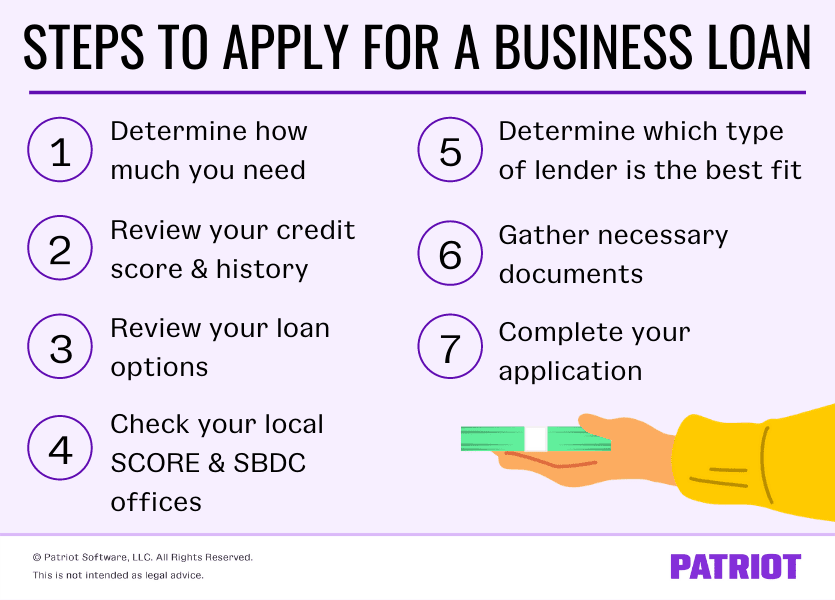
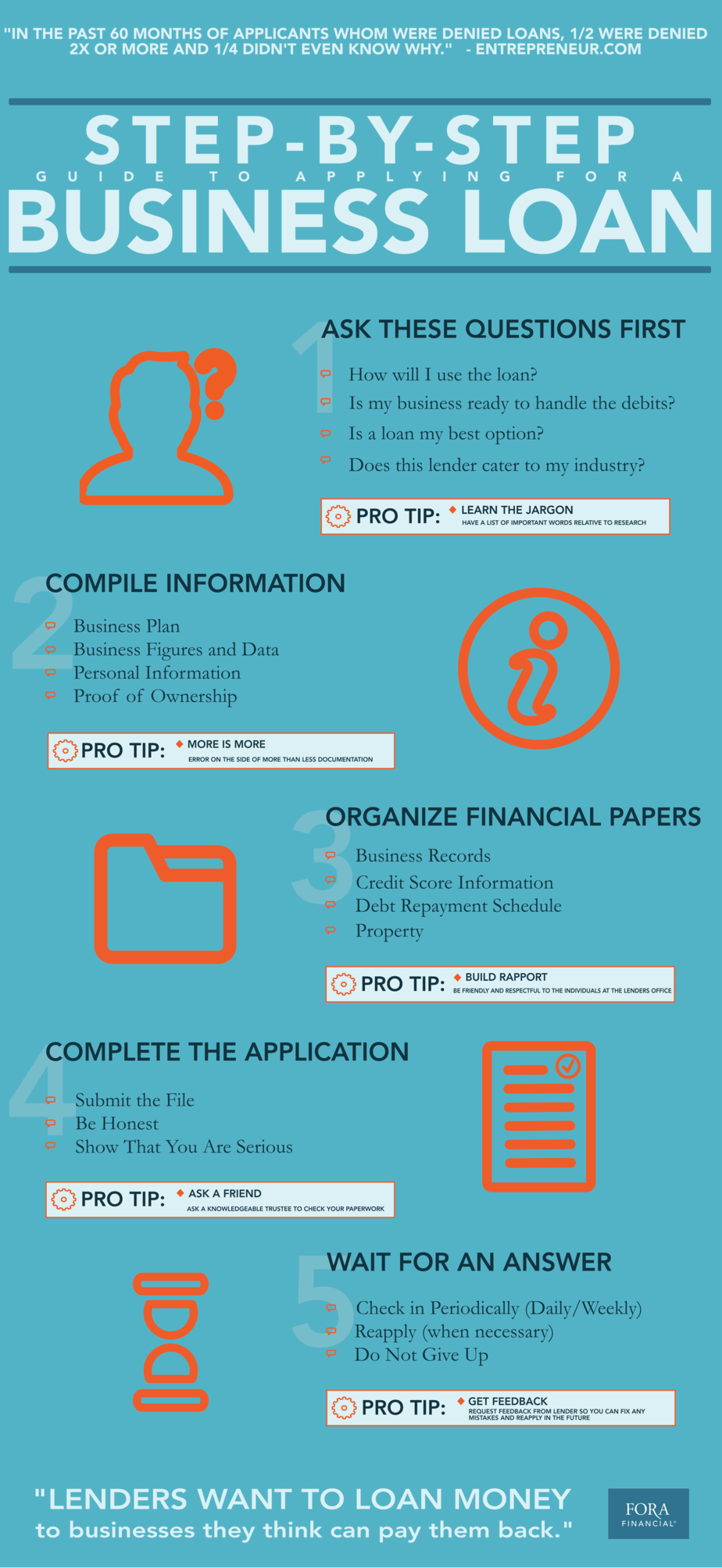
Once you’ve prepared your documents and identified potential loan types, the next phase is the application itself. This process demands attention to detail and proactive communication.
Researching and Selecting the Right Lender
Don’t just apply to the first lender you find. Research is key. Consider:
- Lender Type: Bank, credit union, online lender, SBA-approved lender, etc.
- Eligibility Requirements: Do you meet their minimum criteria for time in business, revenue, and credit score?
- Loan Products Offered: Do they offer the specific type of loan you need?
- Interest Rates and Fees: Compare rates, origination fees, closing costs, and prepayment penalties.
- Reputation and Customer Service: Read reviews and seek recommendations. A responsive and transparent lender can make a significant difference.
It’s often wise to approach a few different lenders to compare offers before making a final decision.
Assembling Your Application Package
Beyond the core financial documents and business plan, lenders may request additional information:
- Legal Documents: Business licenses, articles of incorporation, partnership agreements, and any relevant contracts.
- Resumes of Key Management: Highlighting the experience and expertise of your leadership team.
- Letters of Intent or Contracts: If the loan is for a specific project or acquisition.
- Collateral Information: Details and appraisals of assets you intend to use as collateral.
Ensure everything is accurate, up-to-date, and presented professionally. Incomplete or messy applications can signal disorganization and potentially lead to rejection.
Understanding Collateral and Personal Guarantees
Many business loans, especially traditional ones, require collateral.
- Collateral: An asset (real estate, equipment, inventory, accounts receivable) pledged by a borrower to a lender as security for a loan. If the borrower defaults, the lender can seize the collateral to recover their losses.
- Personal Guarantee: Often, especially for small businesses, lenders will require a personal guarantee from the business owner. This means you are personally responsible for repaying the loan if the business defaults. It puts your personal assets at risk, so understand the implications fully.
While both act as security for the lender, they carry different implications for the borrower and it’s essential to understand the extent of your liability.
The Underwriting Process and Approval
After submitting your application, it enters the underwriting phase. The lender’s underwriters will meticulously review all provided documents, assess your creditworthiness, analyze your business plan, and evaluate the risk associated with lending to you. They may contact you for clarification, additional documents, or an interview.
This process can take anywhere from a few days for online lenders to several weeks for traditional banks or SBA loans. If approved, you’ll receive a loan offer outlining the terms, interest rate, repayment schedule, and any conditions. Read this document carefully, clarify any ambiguities, and seek legal advice if necessary before signing.
Maximizing Your Chances and Managing Your Loan
Securing a business loan is a significant achievement, but the journey doesn’t end there. Proactive strategies during the application phase and responsible management post-approval are key to long-term financial health.
Strategies for a Successful Application
- Build Strong Relationships: Cultivate relationships with local bankers and financial advisors even before you need a loan. They can offer guidance and be more inclined to help when the time comes.
- Be Transparent and Honest: Provide accurate information. Any misrepresentation can lead to immediate rejection or legal consequences.
- Know Your Numbers: Be able to confidently discuss your financials, projections, and how the loan fits into your strategic plan.
- Address Weaknesses Proactively: If your credit score is low or you have limited collateral, explain what steps you are taking to mitigate these issues and explore lenders who specialize in such cases.
- Present a Clear Use of Funds: Articulate precisely how the loan money will be deployed and the expected return on investment.
- Seek Professional Advice: Consider consulting with a financial advisor or business consultant to review your application and strategy.
Common Pitfalls to Avoid
- Incomplete or Disorganized Applications: Leads to delays and a poor impression.
- Unrealistic Financial Projections: Overly optimistic forecasts can undermine credibility.
- Poor Credit History: Failure to address personal or business credit issues.
- Lack of a Clear Business Plan: Not knowing how you’ll grow or repay the loan.
- Borrowing Too Much or Too Little: Miscalculating your true funding needs.
- Ignoring the Fine Print: Failing to understand all terms, fees, and conditions of the loan agreement.
- High Debt-to-Equity Ratio: Already having too much debt relative to your owner’s equity can signal high risk.
Avoiding these common mistakes can significantly smooth your path to loan approval.
Post-Approval: Managing Your Debt Responsibly
Once you have the loan, responsible management is paramount.
- Adhere to Repayment Schedule: Make all payments on time, every time, to maintain good credit and avoid penalties.
- Monitor Cash Flow: Ensure you have sufficient cash flow to cover loan payments without straining operations.
- Utilize Funds as Planned: Stick to the purpose outlined in your business plan. Deviating without clear justification can be risky.
- Maintain Good Financial Records: Continue to keep accurate and up-to-date financial statements.
- Communicate with Your Lender: If you anticipate financial difficulties, communicate with your lender early. They may be willing to work with you on modified terms.
Effective debt management strengthens your business’s financial reputation, making it easier to secure future financing if needed.
When to Consider Refinancing or Additional Funding
As your business evolves, your financial needs may change.
- Refinancing: If interest rates drop, your credit improves, or you need to adjust your repayment terms, refinancing an existing loan might be beneficial. This can lower monthly payments, reduce total interest paid, or free up cash flow.
- Additional Funding: As your business grows, you might need more capital for new projects or further expansion. Having a history of responsible loan repayment will significantly improve your chances of securing additional funding.
Getting a business loan is a strategic step that requires diligent planning and execution. By thoroughly preparing, understanding the various financing options, navigating the application process with precision, and managing your debt responsibly, you can leverage external capital to fuel your business’s growth and achieve its full potential.
aViewFromTheCave is a participant in the Amazon Services LLC Associates Program, an affiliate advertising program designed to provide a means for sites to earn advertising fees by advertising and linking to Amazon.com. Amazon, the Amazon logo, AmazonSupply, and the AmazonSupply logo are trademarks of Amazon.com, Inc. or its affiliates. As an Amazon Associate we earn affiliate commissions from qualifying purchases.