
Tax season, for many, evokes a mix of anticipation and apprehension. The term “tax returns” itself can sometimes be a source of confusion, often interchangeably used with “tax refund.” In essence, a tax return is the official documentation you submit to tax authorities, detailing your income, expenses, and other financial information, allowing the government to calculate your tax liability. Whether you’re expecting a refund, owe more taxes, or simply breaking even, filing an accurate tax return is a fundamental civic duty and a cornerstone of sound personal finance. This comprehensive guide will demystify the process, providing insights and actionable steps to navigate tax season with confidence and secure your tax returns efficiently.

Understanding the Fundamentals of Tax Returns
Before diving into the mechanics of filing, it’s crucial to grasp the foundational concepts that underpin the entire tax system. A clear understanding of these basics will empower you to make informed decisions and approach tax season strategically.
What Exactly is a Tax Return?
At its core, a tax return is a formal report submitted to a tax authority (like the IRS in the United States) that declares your taxable income, capital gains, and allowable deductions and credits. Based on this information, the government calculates how much tax you owe or how much of an overpayment should be returned to you. It’s not just about getting money back; it’s about fulfilling your legal obligation to report your financial activities. For businesses, a tax return serves a similar purpose, detailing revenues, expenses, and profits. For individuals, it’s a snapshot of your financial year, impacting your net wealth and future financial planning.
Why Filing is Crucial: Beyond Just Refunds
While the prospect of a tax refund is often the primary motivator for many, filing your tax return is critical for several other reasons. Firstly, it’s a legal requirement. Failure to file, even if you don’t owe taxes, can result in significant penalties, interest charges, and even legal repercussions. Secondly, your tax return serves as an official record of your income, which is often required for various financial transactions, such as applying for a loan, mortgage, or financial aid. It can also be crucial for claiming social security benefits later in life. Furthermore, filing allows you to claim tax credits and deductions you might be entitled to, which can reduce your overall tax burden or increase your refund. Even if you don’t owe taxes, you might be eligible for refundable credits that you’d miss out on if you didn’t file.
Key Deadlines and Penalties to Avoid
Tax deadlines are non-negotiable. In many countries, the primary individual income tax filing deadline falls in mid-April (e.g., April 15th in the U.S.). Corporations and other entities often have different schedules. Missing these deadlines can lead to two main types of penalties: failure-to-file and failure-to-pay. The failure-to-file penalty is typically much steeper than the failure-to-pay penalty, underscoring the importance of submitting your return on time, even if you can’t pay the full amount due immediately. If you need more time to prepare your return, you can usually request an extension, which grants you additional months to file, though it does not extend the deadline for paying any taxes owed. Understanding and adhering to these deadlines is paramount to avoiding unnecessary financial stress and penalties.
Essential Preparations Before You File
The key to a smooth and accurate tax filing experience lies in thorough preparation. Rushing the process or overlooking crucial details can lead to errors, delays, or missed opportunities for tax savings.
Gathering Your Documentation: The Cornerstone of Accuracy
Before you even think about filling out forms, the most critical step is to gather all necessary financial documents. This includes:
- Income Statements: W-2 forms (from employers), 1099 forms (for independent contractors, interest, dividends, retirement distributions, etc.), K-1 forms (for partnerships, S corporations, and trusts), and any other statements detailing income earned.
- Expense Records: Receipts for eligible business expenses, charitable contributions, medical expenses, educational expenses, and other deductible items. Keeping meticulous records throughout the year simplifies this process significantly.
- Proof of Payments: Documentation for estimated tax payments made throughout the year, property taxes paid, and mortgage interest statements (Form 1098).
- Investment Information: Records of stock sales, mutual fund transactions, and cryptocurrency gains or losses.
- Healthcare Information: Forms like 1095-A (for Marketplace insurance) or other documentation related to health insurance coverage.
Organizing these documents systematically will not only save you time but also ensure that no income is unreported and no eligible deduction or credit is missed.
Identifying Your Filing Status: A Critical Decision
Your filing status determines your standard deduction amount, tax rates, and eligibility for certain credits. The most common filing statuses include:
- Single: For unmarried individuals who don’t qualify for another status.
- Married Filing Jointly: For married couples who choose to file one combined return.
- Married Filing Separately: For married couples who choose to file individual returns. This can be beneficial in specific circumstances, such as when one spouse has significant medical expenses.
- Head of Household: For unmarried individuals who pay more than half the cost of keeping up a home for a qualifying person.
- Qualifying Widow(er) with Dependent Child: For taxpayers whose spouse died within the past two years and who have a dependent child.
Choosing the correct filing status is paramount, as it directly impacts your tax liability. It’s often worth exploring different statuses if your situation is complex, as a small change can lead to significant tax implications.
Understanding Deductions and Credits: Maximizing Your Refund or Minimizing Your Liability
Navigating the landscape of deductions and credits is where real tax savings can be found.
- Deductions reduce your taxable income. For example, if your income is $70,000 and you have $10,000 in deductions, you’re only taxed on $60,000. Deductions can be standard (a fixed amount based on your filing status) or itemized (specific expenses like mortgage interest, state and local taxes, or medical expenses). You typically choose whichever provides a greater tax benefit.
- Credits, on the other hand, directly reduce the amount of tax you owe, dollar for dollar. A $1,000 credit reduces your tax bill by $1,000. Credits can be non-refundable (reducing your tax liability to zero, but no more) or refundable (meaning you can get a refund even if it exceeds your tax liability). Examples include the Child Tax Credit, Earned Income Tax Credit, and various education credits.
Staying informed about eligible deductions and credits relevant to your financial situation is key to minimizing your tax burden or maximizing any potential refund. Many tax preparation software programs and professionals are adept at identifying these for you.
Choosing Your Filing Method
Once prepared, the next decision is how you will actually submit your tax return. Various options cater to different levels of complexity, budgets, and personal preferences.
DIY with Tax Software: A Digital Approach
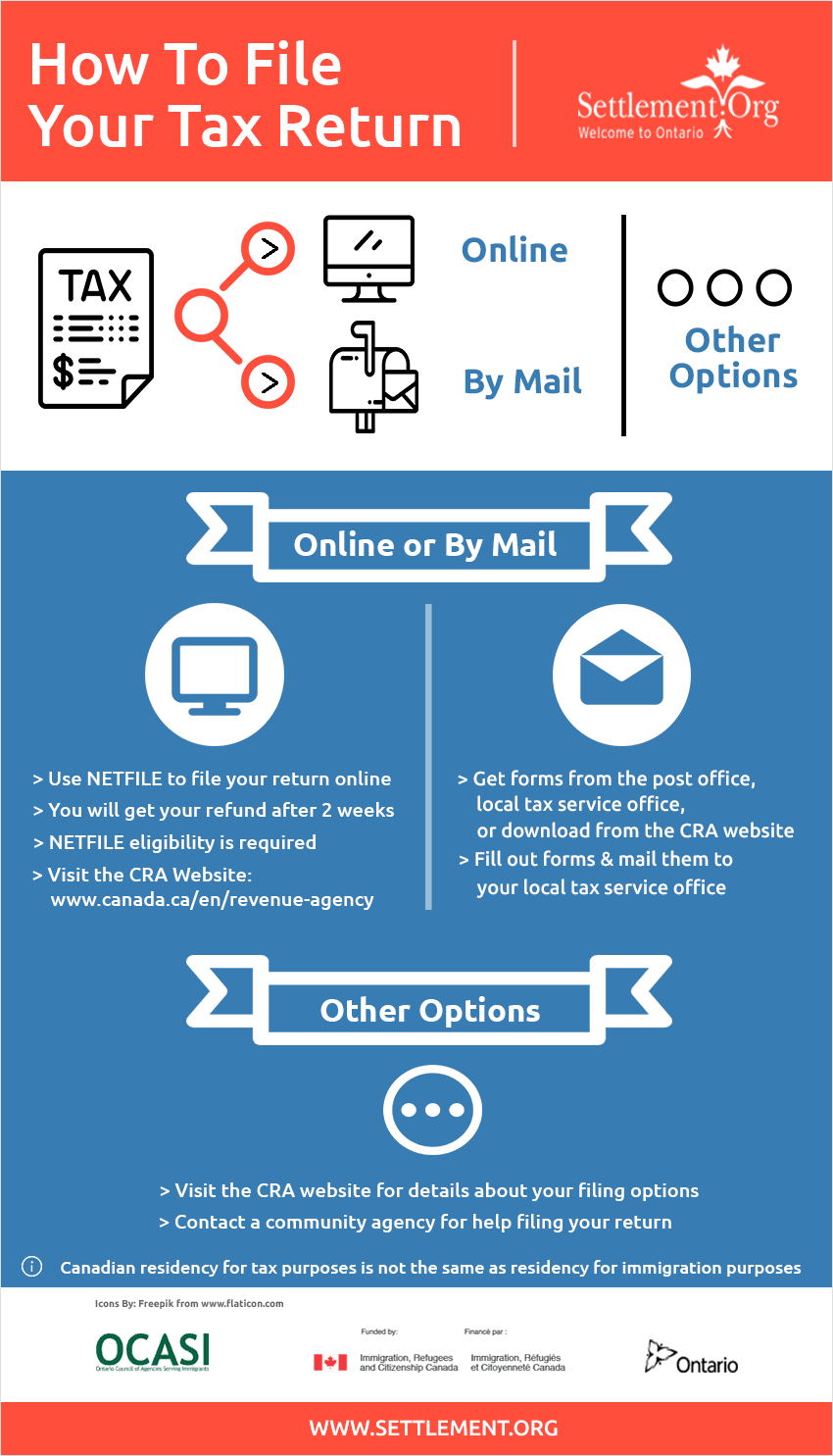
For many individuals, especially those with straightforward tax situations, do-it-yourself (DIY) tax software is a popular and cost-effective option. Platforms like TurboTax, H&R Block, TaxAct, and FreeTaxUSA guide you step-by-step through the filing process, asking questions in plain language and performing calculations automatically. They often link directly to various financial institutions to import data, further simplifying the process. These tools are excellent for identifying common deductions and credits and ensuring accuracy. Many offer different tiers, from free basic filing for simple returns to paid versions that handle more complex scenarios like self-employment income or investment gains. The convenience, affordability, and built-in error checks make DIY software a compelling choice for a significant portion of taxpayers.
The Professional Touch: Hiring an Accountant or Tax Preparer
If your tax situation is complex—involving self-employment, rental properties, significant investments, foreign income, or intricate business structures—hiring a qualified tax professional is often the wisest course of action. Certified Public Accountants (CPAs), Enrolled Agents (EAs), or other professional tax preparers offer expertise that DIY software might not fully cover. They can:
- Identify obscure deductions and credits you might miss.
- Provide personalized tax planning advice for the current and future years.
- Represent you in the event of an audit.
- Handle state and local tax complexities.
- Offer peace of mind that your return is accurate and optimized.
While professional services come at a cost, the potential tax savings, avoidance of penalties, and reduced stress often make it a worthwhile investment, especially for higher-income individuals or complex financial situations.
Free Filing Options: Eligibility and Availability
For taxpayers meeting certain income thresholds, free tax filing options are widely available. In the U.S., the IRS Free File program partners with tax software companies to offer free online tax preparation and e-filing for eligible taxpayers. Additionally, programs like Volunteer Income Tax Assistance (VITA) and Tax Counseling for the Elderly (TCE) offer free tax help to qualifying individuals, typically those with low to moderate income, disabilities, or who are elderly. These programs use IRS-certified volunteers to provide free basic income tax return preparation with electronic filing. Exploring these options can be a significant financial benefit for those who qualify, ensuring that filing your taxes doesn’t become an additional financial burden.
The Filing Process: Step-by-Step
Once you’ve chosen your method, the actual act of filing is the final hurdle. Understanding how the return is submitted and what happens afterward will complete your knowledge of the process.
Electronic Filing (e-filing): Speed and Security
The vast majority of taxpayers now opt for electronic filing, or “e-filing.” This method involves submitting your tax return directly to the tax authority via the internet, either through tax software or a tax professional. E-filing offers several significant advantages:
- Speed: Refunds for e-filed returns are typically processed much faster than paper returns, often within 2-3 weeks.
- Accuracy: Software often flags common errors, significantly reducing the chances of mistakes that could delay processing.
- Confirmation: You receive immediate confirmation that your return has been received and accepted by the tax authority.
- Security: E-filing uses encrypted channels to protect your sensitive financial information.
It is now the recommended and most efficient method for submitting your tax returns.
Traditional Paper Filing: When It’s Necessary
While e-filing is dominant, paper filing remains an option, primarily for those who prefer physical documentation or whose tax situations are too unusual for electronic systems. However, paper filing comes with drawbacks:
- Slower Processing: Refunds and processing times are significantly longer for paper returns.
- Higher Error Rate: Manual data entry and calculations increase the risk of errors.
- No Immediate Confirmation: You don’t receive instant confirmation of receipt, making it harder to track.
It’s generally advised to use paper filing only if absolutely necessary, such as when required by specific forms or circumstances not supported by e-filing systems.
What Happens After You File?
After hitting “submit” or dropping your envelope in the mail, the waiting game begins. The tax authority reviews your return for accuracy and processes any refund or payment.
- Processing: Your return goes through a validation process. If everything aligns, it’s accepted. If there are discrepancies or missing information, you might receive a letter requesting clarification.
- Refunds: If you are owed a refund, you can typically track its status online through the tax authority’s website (e.g., “Where’s My Refund?” tool for the IRS). Direct deposit is the fastest way to receive your money.
- Payments Due: If you owe taxes, ensure your payment is made by the deadline. Most tax software and professional preparers facilitate electronic payments directly from your bank account or via credit card.
- Audits: While rare, a small percentage of returns are selected for audit. This doesn’t necessarily mean you’ve done anything wrong; it could be a random selection or triggered by certain discrepancies. Keeping thorough records is your best defense in such an event.
Post-Filing Considerations and Future Planning
Filing your tax return is not the absolute end of your tax responsibilities. There are a few important steps to take afterward, and vital lessons to carry forward into the next tax year.
Tracking Your Refund: What to Expect
Once you’ve filed and are expecting a refund, you’ll want to keep an eye on its status. Most tax authorities offer online tools that allow you to check the progress of your refund using your Social Security number, filing status, and the exact refund amount. While e-filed returns with direct deposit usually result in refunds within two to three weeks, various factors can influence this timeline, including the complexity of your return, the time of year you filed, and any potential review by the tax authority. Be wary of unofficial sources or promises of immediate refunds, and always go through official government channels for status updates.
Amending Your Return: Correcting Errors
Even with careful preparation, mistakes can happen. If you discover an error on a previously filed tax return – whether it’s forgotten income, missed deductions, or an incorrect filing status – you can generally amend it. This is done by filing an amended return (e.g., Form 1040-X for the IRS). It’s crucial to file an amendment as soon as you identify the error, particularly if the mistake could lead to a significant change in your tax liability or refund. There are typically time limits for amending returns, so acting promptly is important to avoid penalties or to ensure you can claim any additional refund due to you.

Strategies for Next Year: Proactive Tax Planning
One of the most valuable outcomes of understanding the tax return process is the ability to engage in proactive tax planning for the future. Don’t wait until next tax season to start thinking about your taxes. Throughout the year, consider strategies such as:
- Adjusting Withholding: If you consistently receive a large refund, it means you’re overpaying taxes throughout the year and giving the government an interest-free loan. Adjusting your W-4 with your employer to have less tax withheld can increase your take-home pay. Conversely, if you consistently owe a significant amount, you might need to increase withholding or make estimated payments.
- Maximizing Contributions to Retirement Accounts: Contributions to traditional IRAs and 401(k)s are often tax-deductible, reducing your taxable income.
- Tracking Deductible Expenses: Maintain meticulous records for all potential deductions, such as business expenses, charitable contributions, and medical costs.
- Understanding Life Changes: Major life events like marriage, divorce, having a child, buying a home, or starting a business have significant tax implications. Adjust your planning accordingly.
- Consulting a Professional: Regular consultation with a tax advisor can provide personalized strategies tailored to your evolving financial situation, helping you optimize your tax position year after year.
By approaching tax season with knowledge and preparation, you transform a potentially stressful obligation into an opportunity for financial clarity and optimization. Securing your tax returns isn’t just about filing forms; it’s about managing your personal finances wisely, ensuring compliance, and strategically planning for your financial future.
aViewFromTheCave is a participant in the Amazon Services LLC Associates Program, an affiliate advertising program designed to provide a means for sites to earn advertising fees by advertising and linking to Amazon.com. Amazon, the Amazon logo, AmazonSupply, and the AmazonSupply logo are trademarks of Amazon.com, Inc. or its affiliates. As an Amazon Associate we earn affiliate commissions from qualifying purchases.