
Entering the stock market can seem daunting, a complex world filled with jargon, charts, and seemingly unpredictable movements. Yet, for millions worldwide, stock investing is a cornerstone of financial growth, offering a powerful avenue to build wealth, achieve financial independence, and secure a comfortable future. This comprehensive guide will demystify the process, breaking down the steps to help you confidently get started with stocks, understand the underlying principles, and develop a sustainable investment strategy.
Understanding the Basics of Stock Investing
Before you can get stocks, it’s crucial to grasp what they are and why they matter in your financial journey. A solid foundation of knowledge will empower you to make informed decisions and navigate the market with greater confidence.

What is a Stock? Unpacking Ownership and Shares
At its core, a stock represents a share of ownership in a company. When you buy a stock, you become a part-owner, no matter how small your stake. Publicly traded companies divide their ownership into millions or billions of these shares, which are then bought and sold on stock exchanges. As an owner, you have a claim on the company’s assets and earnings, and in some cases, the right to vote on corporate matters. The value of your stock fluctuates based on market demand, company performance, economic conditions, and investor sentiment.
Why Invest in Stocks? Growth, Dividends, and an Inflation Hedge
People invest in stocks primarily for three reasons: capital appreciation, dividends, and as a hedge against inflation.
- Capital Appreciation: This is the most common reason. If a company performs well and its value increases, the price of its stock tends to rise. You can then sell your shares for more than you paid for them, realizing a profit.
- Dividends: Many established companies share a portion of their profits with shareholders in the form of regular cash payments, known as dividends. These provide a stream of income, which can be reinvested to buy more shares, compounding your returns over time.
- Inflation Hedge: Over the long term, stocks have historically outperformed inflation, meaning your purchasing power is likely to grow rather than diminish. Unlike cash, which loses value to inflation, well-chosen stocks can protect and grow your wealth.
Key Terminology to Know: Navigating the Jargon
The stock market has its own language. Understanding some basic terms will make market news and investment discussions far less intimidating.
- Bull Market/Bear Market: A bull market signifies a period of rising stock prices and investor optimism, while a bear market is characterized by falling prices and widespread pessimism.
- Market Capitalization (Market Cap): The total value of a company’s outstanding shares, calculated by multiplying the stock price by the number of shares. It indicates a company’s size (e.g., small-cap, mid-cap, large-cap).
- IPO (Initial Public Offering): The first time a private company offers its shares to the public on a stock exchange.
- ETF (Exchange-Traded Fund): A type of investment fund that holds a collection of stocks, bonds, or other assets, and trades on stock exchanges like individual stocks. They offer diversification.
- Mutual Fund: A professionally managed investment fund that pools money from many investors to purchase a diversified portfolio of securities.
- Index Fund: A type of mutual fund or ETF designed to track the performance of a specific market index (e.g., S&P 500).
Choosing Your Investment Path: Brokerage Accounts and Platforms
Once you understand the basics, the next practical step is to determine how you will buy and sell stocks. This involves selecting the right type of investment account and platform that aligns with your needs and preferences.
Traditional Brokerage Accounts: Full-Service vs. Discount
A brokerage account is the gateway to the stock market. These accounts are offered by financial institutions that act as intermediaries, executing trades on your behalf.
- Full-Service Brokers: These provide extensive services, including personalized financial advice, portfolio management, tax planning, and even estate planning. They are ideal for high-net-worth individuals or those who prefer hands-on guidance, but they come with higher fees.
- Discount Brokers: These offer a more streamlined, self-directed approach. You make your own investment decisions and execute trades online or through an app, often with very low or zero commissions per trade. They are popular among independent investors, from beginners to experienced traders.
Robo-Advisors: Automated Investing Made Simple
If you prefer a hands-off approach but still want professional guidance, robo-advisors are an excellent choice. These digital platforms use algorithms to build and manage diversified portfolios based on your financial goals, risk tolerance, and time horizon. They typically invest in low-cost ETFs and automatically rebalance your portfolio, making them very accessible and affordable for beginners. Examples include Betterment and Wealthfront.
Micro-Investing Apps: Starting Small with Fractional Shares
For those with limited capital, micro-investing apps have revolutionized access to the stock market. Platforms like Acorns or Fidelity Go allow you to invest small amounts, often by rounding up spare change from everyday purchases or setting up recurring small deposits. They often use fractional shares, meaning you can buy a portion of a single share of a high-priced stock, making investing accessible to virtually everyone.
Employer-Sponsored Plans: Leveraging Your Workplace Benefits
Don’t overlook the investment opportunities offered through your workplace.
- 401(k)s and 403(b)s: These retirement plans allow you to invest pre-tax dollars (or post-tax for Roth versions) directly from your paycheck into a selection of mutual funds and ETFs. Many employers offer matching contributions, which is essentially free money and an immediate return on your investment.
- Employee Stock Purchase Plans (ESPPs): Some companies allow employees to purchase company stock at a discount, often 10-15% below market price. This can be a lucrative benefit, though it does concentrate some of your wealth in a single company.
What to Look for in a Brokerage: Key Considerations
When choosing a brokerage, consider these factors:
- Fees and Commissions: Compare trading fees, account maintenance fees, and any other hidden costs.
- Investment Options: Does the platform offer the types of investments you’re interested in (stocks, ETFs, mutual funds, options)?
- Research and Tools: Look for robust research materials, analytical tools, educational resources, and user-friendly charting capabilities.
- User Interface and Mobile App: A clean, intuitive interface makes managing your investments easier.
- Customer Service: Responsive and knowledgeable customer support can be invaluable, especially for new investors.
Developing Your Investment Strategy
Getting stocks isn’t just about buying; it’s about buying with purpose. A well-defined investment strategy will serve as your roadmap, guiding your decisions and helping you stay disciplined through market ups and downs.
Defining Your Financial Goals: Short-Term vs. Long-Term
Before you invest a single dollar, clarify your financial objectives. Are you saving for a down payment on a house in five years (short-term)? Or are you focused on retirement in thirty years (long-term)? Your goals will dictate your time horizon, influencing the level of risk you can comfortably take and the types of investments you choose. Long-term goals generally allow for more risk, as there’s time to recover from market downturns.
Assessing Your Risk Tolerance: Aggressive, Moderate, or Conservative
How comfortable are you with the possibility of losing money in exchange for higher potential returns?
- Aggressive investors are comfortable with higher risk and volatility, seeking maximum growth potential.
- Moderate investors seek a balance between growth and capital preservation.
- Conservative investors prioritize capital preservation and stable returns, even if it means lower growth.
Be honest with yourself about your risk tolerance; it’s a critical factor in building a portfolio you can stick with.
Diversification: The Golden Rule of Investing

“Don’t put all your eggs in one basket” is the mantra of diversification. Spreading your investments across different assets, industries, and geographies reduces overall risk. If one investment performs poorly, others may perform well, cushioning the blow. This can involve:
- Asset Allocation: Dividing your portfolio among different asset classes like stocks, bonds, and cash.
- Sector Diversification: Investing in companies from various industries (e.g., technology, healthcare, energy, consumer staples).
- Geographic Diversification: Including investments in companies from different countries to mitigate country-specific risks.
Active vs. Passive Investing: Your Approach to the Market
- Active Investing: This involves actively buying and selling individual stocks or funds, attempting to “beat the market” by identifying undervalued securities or timing market movements. It requires significant research, time, and often comes with higher trading costs.
- Passive Investing: This strategy involves investing in low-cost index funds or ETFs that track broad market indices (like the S&P 500) and holding them for the long term. The goal is to match market returns, not beat them. This approach is highly recommended for most individual investors due to its simplicity, lower costs, and historical effectiveness.
Understanding Different Investment Styles: Growth, Value, and Income
As you delve deeper, you might encounter different investment philosophies:
- Growth Investing: Focuses on companies expected to grow earnings and revenues at an above-average rate, often paying little to no dividends.
- Value Investing: Seeks out companies whose stock prices appear to be trading below their intrinsic value, often characterized by strong fundamentals and attractive valuations.
- Income Investing: Prioritizes companies that pay regular, attractive dividends, providing a steady stream of income.
Minimizing Risks and Maximizing Returns
Investing in stocks inherently involves risk, but smart strategies can help you manage these risks while positioning yourself for substantial long-term gains.
The Importance of Due Diligence: Researching Companies
Before investing in an individual stock, thoroughly research the company. Understand its business model, competitive landscape, management team, financial health (revenue, earnings, debt), and future prospects. Resources like company annual reports (10-K), quarterly reports (10-Q), financial news websites, and brokerage research tools are invaluable. For passive investors, understanding the composition and fees of your chosen ETFs or mutual funds is key.
Dollar-Cost Averaging: A Disciplined Approach
Dollar-cost averaging is a powerful strategy, especially for beginners. It involves investing a fixed amount of money at regular intervals (e.g., $100 every month), regardless of the stock price. This strategy reduces the impact of market volatility because you buy more shares when prices are low and fewer when prices are high, averaging out your purchase price over time. It removes the emotion from investing and encourages consistent saving.
Avoiding Emotional Decisions: Market Timing and FOMO
Emotional investing is often detrimental to long-term success. Trying to “time the market” – buying at the absolute bottom and selling at the absolute top – is notoriously difficult, even for professionals. Similarly, succumbing to “Fear Of Missing Out” (FOMO) and chasing hot stocks can lead to buying at inflated prices. Stick to your strategy, remain patient, and avoid making impulsive decisions based on short-term market fluctuations or sensational headlines.
Rebalancing Your Portfolio: Maintaining Desired Asset Allocation
Over time, the performance of different assets can shift your portfolio away from your initial desired asset allocation. Rebalancing means periodically adjusting your portfolio to bring it back to your target percentages. For example, if stocks have outperformed bonds, you might sell some stocks and buy more bonds to restore your original balance. This helps manage risk and ensures your portfolio remains aligned with your goals.
Understanding Market Volatility: Short-Term vs. Long-Term Trends
The stock market is known for its volatility – prices can swing dramatically in the short term due to economic news, company announcements, or geopolitical events. However, historically, these short-term fluctuations are noise compared to the long-term upward trend of the market. For most investors, a long-term perspective (5+ years) is crucial. Focus on the underlying value and growth potential of your investments, rather than getting caught up in daily price movements.
Getting Started: Practical Steps and Continuous Learning
With the knowledge and strategy in hand, it’s time to take action and embark on your investing journey. Remember, investing is a continuous learning process.
Open and Fund Your Account
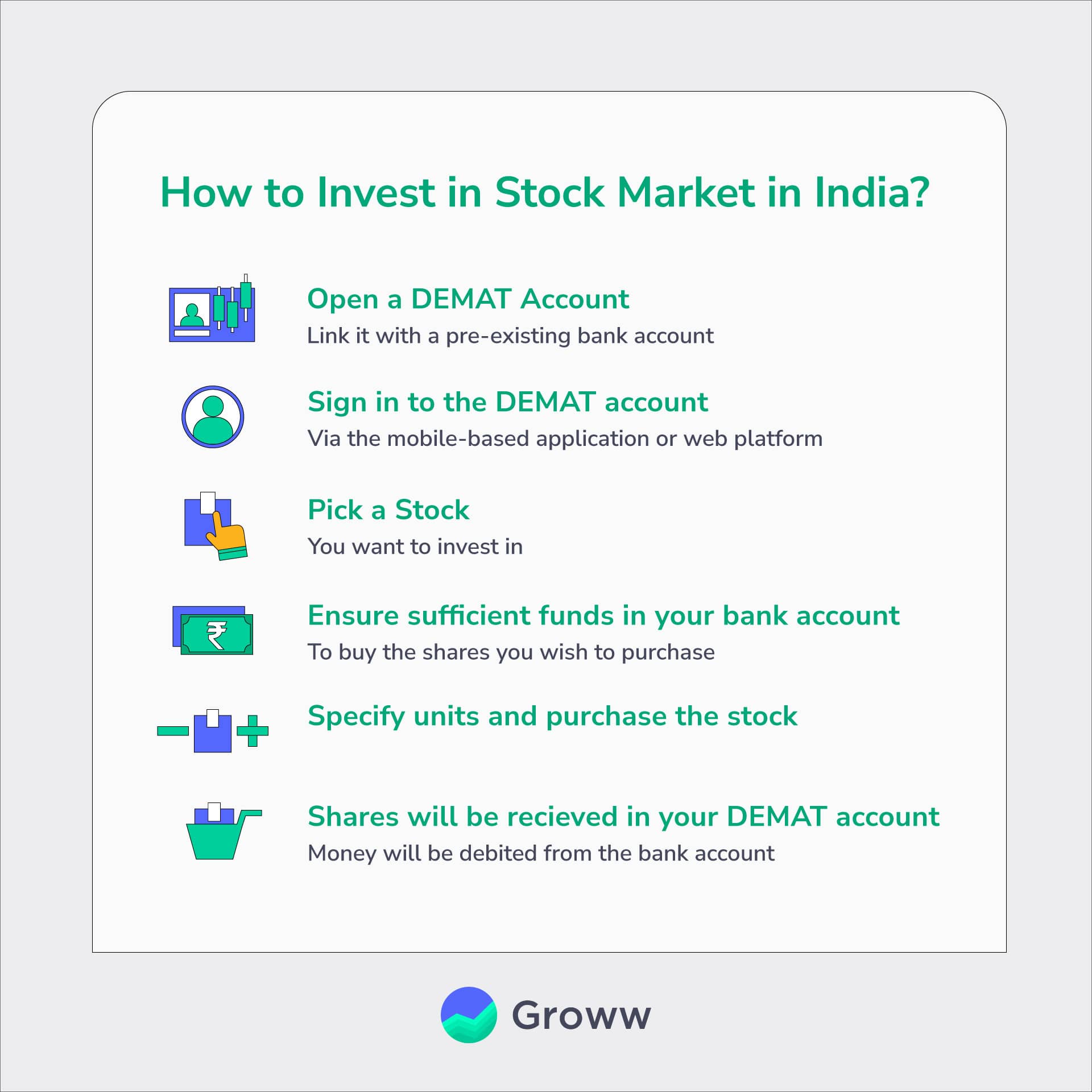
Choose your preferred brokerage or robo-advisor, complete the application process (which typically involves providing personal information like your Social Security number and bank details), and link a bank account to transfer funds. Many platforms allow you to start with very small amounts, sometimes as little as $5.
Place Your First Trade
For individual stocks, decide which companies you’ve researched and want to invest in. For passive investing, select your desired index funds or ETFs. Most platforms offer clear instructions for placing a buy order. Start with a small, manageable amount to get comfortable with the process. Consider setting up recurring investments to automate dollar-cost averaging.
Monitor and Adjust Your Portfolio
Regularly review your portfolio’s performance against your goals. While daily checking is unnecessary and can lead to emotional decisions, an annual or semi-annual check-up is wise. Adjustments might include rebalancing, selling underperforming assets (after careful consideration), or adding to positions that still align with your strategy.
Embrace Continuous Financial Education
The world of finance is ever-evolving. Stay informed by reading financial news, reputable investment books, and educational articles. Learn about new investment vehicles, economic trends, and tax implications. The more you learn, the more confident and capable you’ll become as an investor.
Seek Professional Advice When Needed
While self-directed investing is highly accessible, don’t hesitate to seek advice from a qualified financial advisor, especially as your portfolio grows more complex or if you face significant life changes. A professional can provide personalized guidance, help with advanced planning, and ensure your investment strategy remains aligned with your evolving financial situation.
Getting stocks is not just a transaction; it’s an embarkation on a journey of financial empowerment. By understanding the fundamentals, choosing the right tools, developing a sound strategy, and committing to continuous learning, you can confidently navigate the stock market and build a robust foundation for your financial future.
aViewFromTheCave is a participant in the Amazon Services LLC Associates Program, an affiliate advertising program designed to provide a means for sites to earn advertising fees by advertising and linking to Amazon.com. Amazon, the Amazon logo, AmazonSupply, and the AmazonSupply logo are trademarks of Amazon.com, Inc. or its affiliates. As an Amazon Associate we earn affiliate commissions from qualifying purchases.