
The financial landscape is undergoing a fundamental shift. What began as a niche experiment in cryptography has evolved into a multi-trillion-dollar asset class that demands the attention of every serious investor. Cryptocurrency is no longer just a buzzword for tech enthusiasts; it is a legitimate component of modern portfolio theory, offering unique opportunities for diversification, wealth preservation, and exponential growth. However, entering the world of digital finance requires more than just capital—it requires a disciplined strategy, a deep understanding of market mechanics, and a robust framework for risk management.
For those looking to transition from traditional finance to the digital frontier, the path can seem daunting. The volatility of the market, the complexity of the technology, and the evolving regulatory environment create a steep learning curve. This guide serves as a roadmap for the modern investor, focusing on the financial principles and practical steps necessary to build a sustainable and profitable cryptocurrency portfolio.
Building a Solid Financial Foundation for Crypto
Before purchasing a single satoshi or token, an investor must establish a baseline of financial security. Cryptocurrency is characterized by high volatility; while the upside potential is significant, the drawdown can be equally dramatic. Therefore, crypto should be viewed as an extension of an existing investment strategy, not a replacement for traditional savings.
Risk Management and Capital Allocation
The first rule of digital asset investing is to never commit capital that is required for essential living expenses or emergency funds. Most financial advisors suggest a tiered approach to allocation. For a conservative investor, cryptocurrency might represent 1% to 5% of a total investment portfolio. More aggressive investors might look toward 10% or higher, depending on their age, income stability, and risk tolerance.
Risk management also involves understanding the “beta” of the crypto market. Bitcoin often acts as the market leader; when it moves, the rest of the market tends to follow, often with amplified volatility. By diversifying across different types of digital assets—such as “blue-chip” coins like Bitcoin and Ethereum, mid-cap utility tokens, and stablecoins—an investor can mitigate the impact of a crash in any single sector.
Defining Your Investment Goals
Are you looking for a long-term hedge against inflation, or are you seeking short-term gains through active trading? Your goals will dictate your behavior. “HODLing”—a term derived from a misspelling of “hold”—refers to a long-term investment strategy where assets are kept for years, regardless of price fluctuations. This is generally the most successful strategy for beginners, as it removes the emotional stress of daily market swings and reduces the tax burden associated with frequent trading.
Choosing the Right Infrastructure: Exchanges and Wallets
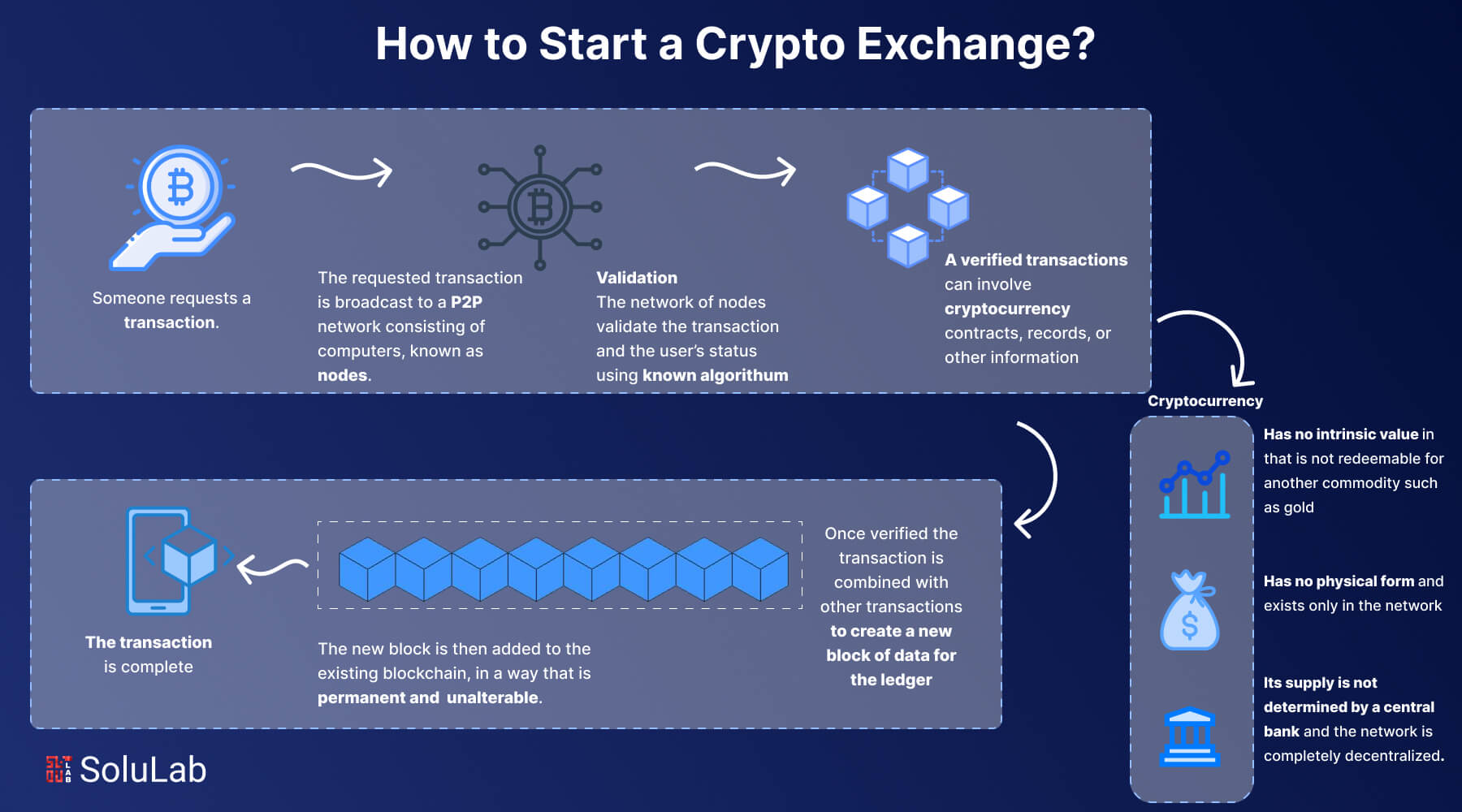
In the world of traditional banking, your capital is managed by an institution. In the world of cryptocurrency, you are the bank. This sovereignty brings freedom, but it also brings a high degree of personal responsibility. Choosing where to buy your assets and how to store them is the most critical technical decision you will make.
Centralized vs. Decentralized Exchanges
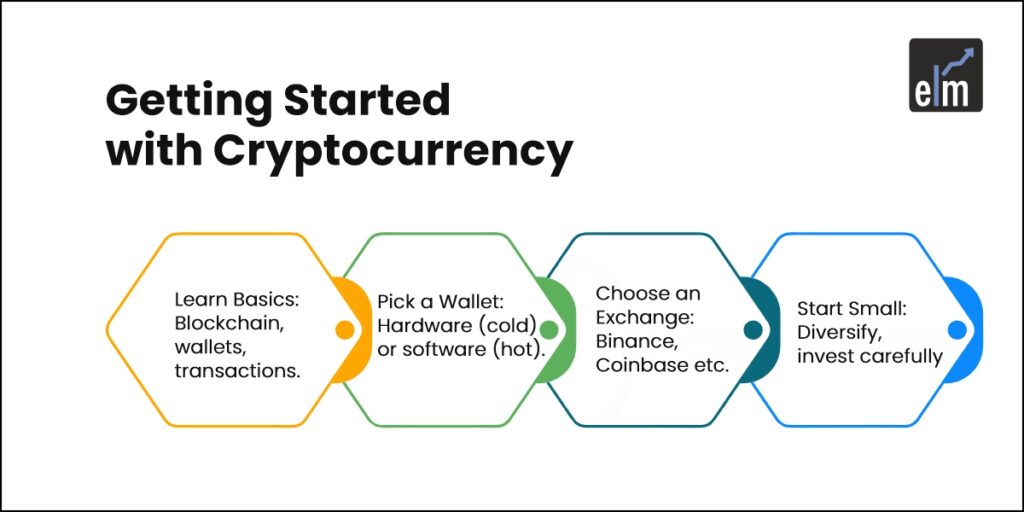
Most investors start with a Centralized Exchange (CEX) like Coinbase, Kraken, or Binance. These platforms function similarly to a brokerage account, offering a user-friendly interface to trade fiat currency (like USD or EUR) for digital assets. They provide high liquidity and ease of use, but they also require “Know Your Customer” (KYC) documentation, meaning your identity is tied to your account for regulatory purposes.
Decentralized Exchanges (DEXs), such as Uniswap or PancakeSwap, operate without a central authority. They allow for peer-to-peer trading directly from a digital wallet. While DEXs offer more privacy and access to a wider variety of niche tokens, they require a higher level of technical proficiency and do not support direct fiat deposits. For a beginner, starting with a reputable CEX is usually the safest and most efficient path.
Securing Your Assets: Hardware vs. Software Wallets
“Not your keys, not your coins” is a common mantra in the crypto industry. When you keep your assets on an exchange, the exchange technically controls the private keys to those funds. If the exchange is hacked or goes bankrupt, your assets may be at risk.
To achieve true financial sovereignty, investors move their assets to a personal wallet.
-
Software Wallets (Hot Wallets): These are applications on your phone or computer. They are convenient for frequent transactions but remain connected to the internet, making them potentially vulnerable to malware.
-
Hardware Wallets (Cold Storage): These are physical devices, such as those made by Ledger or Trezor, that store your private keys offline. They are widely considered the gold standard for security, as they are immune to online hacking attempts. For any significant investment, a hardware wallet is a non-negotiable requirement.
Developing a Strategic Investment Approach
Success in cryptocurrency is rarely the result of “timing the market.” Instead, it is the result of “time in the market.” Emotional decision-making is the primary reason retail investors lose money. To combat this, one must employ systematic investment techniques.

Dollar-Cost Averaging (DCA)
Dollar-cost averaging is the practice of investing a fixed amount of money at regular intervals, regardless of the asset’s price. For example, instead of investing $5,000 all at once, an investor might commit $500 every month for ten months. This strategy smooths out the purchase price over time, reducing the risk of a large entry at a market peak. In a market as volatile as cryptocurrency, DCA is the most effective way to build a position while maintaining psychological composure.
The Role of Diversification
While Bitcoin is often the entry point, the ecosystem is vast. Diversification within the crypto space involves looking at different “sectors” of the industry:
-
Store of Value: Bitcoin (BTC) remains the primary digital gold.
-
Smart Contract Platforms: Ethereum (ETH), Solana (SOL), and Cardano (ADA) provide the infrastructure for decentralized applications.
-
Decentralized Finance (DeFi): Tokens that power lending, borrowing, and insurance protocols.
-
Oracle and Infrastructure: Projects like Chainlink (LINK) that bridge the gap between real-world data and the blockchain.
A balanced portfolio typically holds a large percentage in BTC and ETH, with smaller allocations to high-growth, higher-risk altcoins.
Understanding Market Cycles
Cryptocurrency markets tend to move in four-year cycles, largely influenced by the Bitcoin “halving”—an event where the reward for mining new blocks is cut in half, reducing the new supply entering the market. Understanding these cycles helps investors maintain perspective. Bull markets are characterized by euphoria and rapid price appreciation, while bear markets are periods of consolidation and significant price drops. Recognizing where we are in a cycle can help an investor decide when to be aggressive and when to take profits.
Navigating the Regulatory and Tax Landscape
As the cryptocurrency market matures, it is coming under increased scrutiny from global regulators. For the investor, this means that compliance is no longer optional. Treating crypto as a “gray area” can lead to significant financial and legal consequences.
Tax Implications of Crypto Trading
In many jurisdictions, including the United States, cryptocurrency is treated as property for tax purposes. Every time you sell a coin, trade one coin for another, or use crypto to purchase a good or service, it is a taxable event. If the asset has increased in value since you acquired it, you owe capital gains tax.
Keeping meticulous records is essential. Most professional investors use specialized crypto tax software that integrates with their exchanges and wallets to track every transaction. Understanding the difference between short-term and long-term capital gains can save an investor thousands of dollars, as assets held for more than a year are often taxed at a lower rate.
Compliance and Security Protocols
Beyond taxes, investors must be aware of the regulatory status of the platforms they use. Using unregulated offshore exchanges can put your capital at risk of seizure or loss. Sticking to platforms that are fully licensed and compliant with local laws provides a layer of institutional protection. Additionally, enabling multi-factor authentication (MFA)—specifically using hardware keys or authenticator apps rather than SMS-based 2FA—is a mandatory security protocol for protecting financial accounts.
Future-Proofing Your Digital Portfolio
The world of cryptocurrency moves faster than any other financial market. What was relevant two years ago may be obsolete today. To maintain a successful portfolio, an investor must commit to continuous education and periodic rebalancing.
Evaluating Long-Term Utility vs. Speculation
The “noise” in the crypto space is deafening. Social media is filled with “influencers” promoting the next “moonshot” coin. To protect your capital, you must distinguish between speculative hype and fundamental utility. A project with long-term value usually has a clear use case, a transparent and experienced development team, and a growing ecosystem of users. If a project’s only value proposition is its rising price, it is likely a bubble waiting to burst.
Continuous Education in the Financial Frontier
The integration of blockchain technology into traditional finance (TradeFi) is accelerating. We are seeing the rise of spot Bitcoin ETFs, the tokenization of real-world assets like real estate and bonds, and the development of Central Bank Digital Currencies (CBDCs). Staying informed about these macro trends allows an investor to position themselves ahead of institutional capital flows.
Getting started with cryptocurrency is a journey of financial evolution. It requires a shift in mindset from being a passive consumer of financial services to being an active manager of digital wealth. By focusing on security, employing disciplined investment strategies like DCA, and remaining compliant with regulatory standards, you can navigate the complexities of this new asset class. The goal is not just to participate in a trend, but to build a robust financial future in an increasingly digital world. Success belongs to those who approach the market with patience, education, and a long-term vision.
aViewFromTheCave is a participant in the Amazon Services LLC Associates Program, an affiliate advertising program designed to provide a means for sites to earn advertising fees by advertising and linking to Amazon.com. Amazon, the Amazon logo, AmazonSupply, and the AmazonSupply logo are trademarks of Amazon.com, Inc. or its affiliates. As an Amazon Associate we earn affiliate commissions from qualifying purchases.