
In the intricate world of personal and business finance, certain pieces of information act as crucial keystones, enabling the seamless flow of money. Among these, the bank routing number stands out as an identifier of paramount importance. Often overlooked until needed, understanding what it is, where to find it, and why it matters is fundamental for anyone managing their finances in the modern era. This comprehensive guide will demystify the routing number, focusing on how to effortlessly locate it on a physical check, while also exploring alternative methods and vital security considerations.

Understanding the Cornerstone of Financial Transactions: What is a Routing Number?
At its core, a bank routing number, also known as an ABA (American Bankers Association) routing transit number, is a nine-digit code that identifies the financial institution responsible for clearing a check or processing an electronic transaction. Think of it as a bank’s unique address in the vast financial network, ensuring that funds are directed to the correct bank when transferred from one account to another. Established in 1910, these numbers were originally designed to facilitate the sorting and delivery of paper checks, but their utility has expanded dramatically with the advent of electronic banking.
The Anatomy of a Routing Number: ABA Transit Numbers
Every routing number is a nine-digit code structured in a specific way, although this structure is primarily for internal banking systems and not something the average user needs to decipher. What’s crucial to know is that this sequence of numbers is unique to your bank or credit union and, in some cases, even to a specific branch or region of a larger financial institution. While your bank might have multiple routing numbers depending on the type of transaction (e.g., wire transfers, ACH transfers), the one found on your checks is typically the standard routing number for most common transactions. It’s a foundational piece of information that verifies the originating or receiving bank for any financial movement.
Why is Your Routing Number So Crucial?
The importance of your routing number extends far beyond merely processing paper checks. In today’s digitally driven financial landscape, it’s essential for a multitude of electronic transactions, streamlining processes that save both time and effort.
- Direct Deposit: Perhaps its most common application, your routing number (along with your account number) is indispensable for setting up direct deposit of your paycheck, government benefits, or tax refunds. It ensures your earnings land directly and securely in your designated account.
- Automatic Bill Payments: Many individuals and businesses rely on automated bill payments for utilities, loans, and subscriptions. Providing your routing and account numbers allows these recurring payments to be debited directly from your bank account without manual intervention.
- Electronic Funds Transfers (EFTs) and ACH Transactions: The routing number is critical for initiating and receiving electronic fund transfers through the Automated Clearing House (ACH) network. This includes person-to-person payments, online purchases, and business-to-business transactions.
- Wire Transfers: For larger or international transfers, your bank will require specific routing numbers (which may differ from the check routing number) to ensure the secure and timely movement of funds across institutions.
- Tax Payments and Refunds: When filing taxes, you’ll need your routing and account numbers if you opt for direct deposit of your refund or direct debit for any taxes owed.
- Linking External Accounts: If you use budgeting apps, investment platforms, or other financial tools, you’ll often need to link your bank account using your routing and account numbers.
Without this nine-digit code, the financial system would struggle to accurately identify the intended destination or origin of funds, leading to delays, errors, and significant inefficiencies. It acts as a vital navigational beacon in the complex financial ecosystem.
Locating Your Routing Number: A Practical Guide to Your Check
For most everyday purposes, the simplest and most common place to find your bank’s routing number is directly on one of your personal or business checks. Banks standardize the placement of this crucial information, making it easily identifiable.
The Standard Placement: Identifying the MICR Line
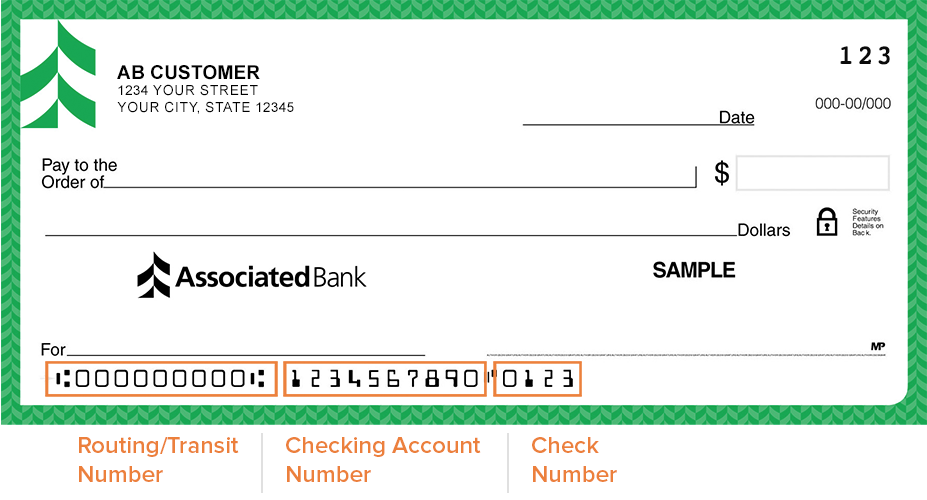
If you look at the bottom of any standard check, you’ll notice a series of numbers printed in a distinctive, often magnetic ink (MICR – Magnetic Ink Character Recognition). This entire sequence is known as the MICR line, and it contains three key pieces of information, always appearing in the same order from left to right: your routing number, your account number, and the check number.
The routing number is always the first set of nine digits on the far left of the MICR line. It’s often enclosed by a special symbol that resembles a vertical line with a small square on top and bottom, or sometimes by colons, making it visually distinct.
Visual Cues and Common Formats
While the core placement is consistent, minor variations in font or spacing might exist between different banks. However, the nine-digit sequence on the left remains the universal identifier. For instance, on a check, you might see:
|: 123456789 :| 000123456789 | 101
In this example:
- 123456789 is your routing number (the first set of nine digits).
- 000123456789 is your account number.
- 101 is the check number.
It’s important to note the specific symbols used by your bank to delineate these numbers, but the routing number’s position as the leftmost set of nine digits is constant. Always refer to a physical check for the most accurate information, especially when setting up new financial services.
Differentiating from Your Account Number and Check Number
A common mistake is to confuse the routing number with your account number or the check number. Understanding their distinct roles is crucial for accurate transactions:
- Routing Number (9 digits): Identifies your bank. It’s the first sequence of numbers on the bottom left.
- Account Number (variable digits, typically 10-12): Identifies your specific account within your bank. It’s usually the middle set of numbers on the MICR line. This number is unique to your individual checking or savings account.
- Check Number (typically 3-4 digits): Identifies the specific check within your checkbook. It appears on the far right of the MICR line and also often in the top right corner of the check. This number is for your personal record-keeping and for the bank to track individual checks.
Double-checking that you’re pulling the correct sequence of numbers for the right purpose will prevent misdirected payments, rejected transactions, and potential financial headaches. When in doubt, mentally verify the position: routing number always first, account number in the middle, check number last.
Beyond the Check: Alternative Methods to Find Your Routing Number
While a physical check is the most straightforward source, there are situations where you might not have one readily available. Fortunately, financial institutions provide several other reliable ways to obtain your routing number.
Digital Solutions: Online Banking and Mobile Apps
In the age of digital finance, your bank’s online portal or mobile app is an invaluable resource. This is often the quickest alternative to finding your routing number without a physical check.
- Online Banking Portal: Log in to your bank’s website. Navigate to your account details or profile section. Most banks prominently display the routing number alongside your account number. Look for sections like “Account Summary,” “Account Information,” or “Direct Deposit Information.” Some banks even have a dedicated section for “Routing & Account Numbers.”
- Mobile Banking App: Similar to online banking, your bank’s mobile app typically provides easy access to your account details. After logging in, tap on your checking or savings account to view its summary. The routing number should be listed there, often under “Account Details” or a similar heading. Some apps might require you to tap on a “i” (information) icon next to your account for more details.
These digital platforms are not only convenient but also offer a secure way to access your financial information, as they require authentication.
Official Sources: Bank Statements and Websites
If digital access isn’t an option or you prefer physical documentation, your bank statement can serve as a reliable source.
- Bank Statements: Both paper and electronic bank statements typically list your routing number. Look at the top or bottom section of the statement where your account summary and bank’s contact information are usually provided. The routing number will be clearly labeled, often near your account number. This is a secure and verified source of information.
- Bank’s Official Website: Every legitimate financial institution will have its routing number(s) published on its official website. Often, it’s found in the “Contact Us,” “Help,” “FAQ,” or “About Us” sections. You might also find it on pages dedicated to direct deposit setup or wire transfers. Be sure to only use the official website of your bank to avoid phishing scams and incorrect information. A quick search for “[Your Bank Name] routing number” should direct you to the correct page. Always verify the URL to ensure it’s your bank’s legitimate site.
Direct Assistance: Contacting Your Bank
When all else fails, or if you simply prefer speaking to a human, contacting your bank directly is always a viable option.
- Customer Service Hotline: Call your bank’s customer service number. This number is usually found on the back of your debit card, on your bank statements, or on their official website. After verifying your identity (which they will do to ensure security), a representative will be able to provide you with the correct routing number for your account and the specific type of transaction you need it for.
- Visit a Local Branch: If you have a local branch nearby, you can visit in person. A teller or customer service representative will be able to assist you with finding your routing number. Remember to bring a form of identification (like a driver’s license) as they will need to verify your identity before disclosing sensitive account information.
While these methods might take a little longer than looking at a check or checking online, they offer absolute certainty and are particularly useful if you’re dealing with special circumstances, such as needing a specific routing number for a wire transfer that might differ from your standard ACH routing number.
Security and Best Practices: Safeguarding Your Financial Information
Understanding how to find your routing number is only half the battle; knowing how to protect it is equally, if not more, important. While a routing number alone cannot completely compromise your account (it needs to be paired with your account number), it is still sensitive financial data that warrants careful handling.
When and With Whom to Share Your Routing Number
It’s natural to be cautious about sharing financial details. However, many legitimate transactions require your routing number. You should feel secure sharing it in the following contexts:
- Setting up Direct Deposit: With your employer, government agencies (e.g., Social Security Administration, IRS), or any entity paying you regularly.
- Automated Bill Payments: With trusted service providers for recurring bills (e.g., utility companies, loan servicers).
- Electronic Funds Transfers: When initiating transfers to or from your account with known and verified recipients or services.
- Trusted Financial Institutions: When linking accounts to investment platforms, budgeting apps, or other financial services you actively use and trust.
Always ensure you are providing this information to a reputable and verified entity, preferably through secure portals or established procedures. Never share it via unsecured email, text messages, or unverified websites.
Avoiding Common Pitfalls and Scams
Scammers are constantly devising new ways to gain access to your financial information. Being vigilant is key:
- Phishing Scams: Be wary of unsolicited emails or messages asking for your routing and account numbers, even if they appear to be from your bank. Banks will rarely ask for this information via email. Always go directly to your bank’s official website or app if you need to provide details.
- Suspicious Websites: Before entering any financial information, double-check that the website is secure (look for “https://” in the URL and a padlock symbol) and that the domain name is correct (e.g., yourbankname.com, not yourbankname-support.com).
- Unknown Callers: Never give out your routing number to someone who calls you unexpectedly and claims to be from your bank or a government agency. If you suspect the call might be legitimate, hang up and call your bank’s official customer service number yourself.
- Unsecured Public Wi-Fi: Avoid accessing your online banking or performing financial transactions when connected to unsecured public Wi-Fi networks, as these can be vulnerable to data interception.

Verifying Accuracy for Seamless Transactions
Accuracy is paramount when dealing with financial data. A single incorrect digit in your routing or account number can lead to significant issues.
- Double-Check Entries: Whenever you enter your routing number (and account number) into an online form or provide it verbally, take an extra moment to double-check every digit.
- Confirm with Recipient: If you are providing your routing information to another party, especially for a large transfer, consider confirming with them that the number they receive matches what you provided.
- Monitor Account Activity: Regularly review your bank statements and online transaction history. This allows you to quickly spot any unauthorized or incorrect transactions that might occur due to erroneous routing information or fraudulent activity.
By adopting these security measures and maintaining a cautious approach to your financial details, you can ensure that your routing number facilitates smooth and secure transactions, rather than becoming a point of vulnerability. In the realm of personal finance, knowledge and vigilance are your most powerful tools.
aViewFromTheCave is a participant in the Amazon Services LLC Associates Program, an affiliate advertising program designed to provide a means for sites to earn advertising fees by advertising and linking to Amazon.com. Amazon, the Amazon logo, AmazonSupply, and the AmazonSupply logo are trademarks of Amazon.com, Inc. or its affiliates. As an Amazon Associate we earn affiliate commissions from qualifying purchases.