
In an era saturated with streaming services, the quest for premium content without the premium price tag has become a significant aspect of modern personal finance. Paramount+, with its extensive library of movies, original series, and live sports, stands as a desirable platform for many. However, like all subscription services, it comes with a monthly or annual fee. For the financially savvy consumer, the question isn’t just “what’s on Paramount+?” but “how can I access Paramount+ without directly paying for it?”
This article delves into the various legitimate strategies and financial acumen required to enjoy Paramount+ for free, or at a significantly reduced cost. It’s not about circumventing security or engaging in illicit activities, but rather about leveraging promotional offers, understanding subscription models, and implementing smart financial planning to maximize your entertainment budget. For those committed to mindful spending, unlocking value in the streaming landscape is a skill that directly contributes to a healthier personal financial picture.
1. Navigating the “Free” Landscape: Demystifying Streaming Service Offers
The concept of “free” in the streaming world often comes with caveats, but understanding these can be the key to smart access. Service providers, including Paramount+, frequently use strategic offers to attract new subscribers and retain existing ones. Dissecting these offers is the first step in a financially astute approach to streaming.
The Allure of the Free Trial
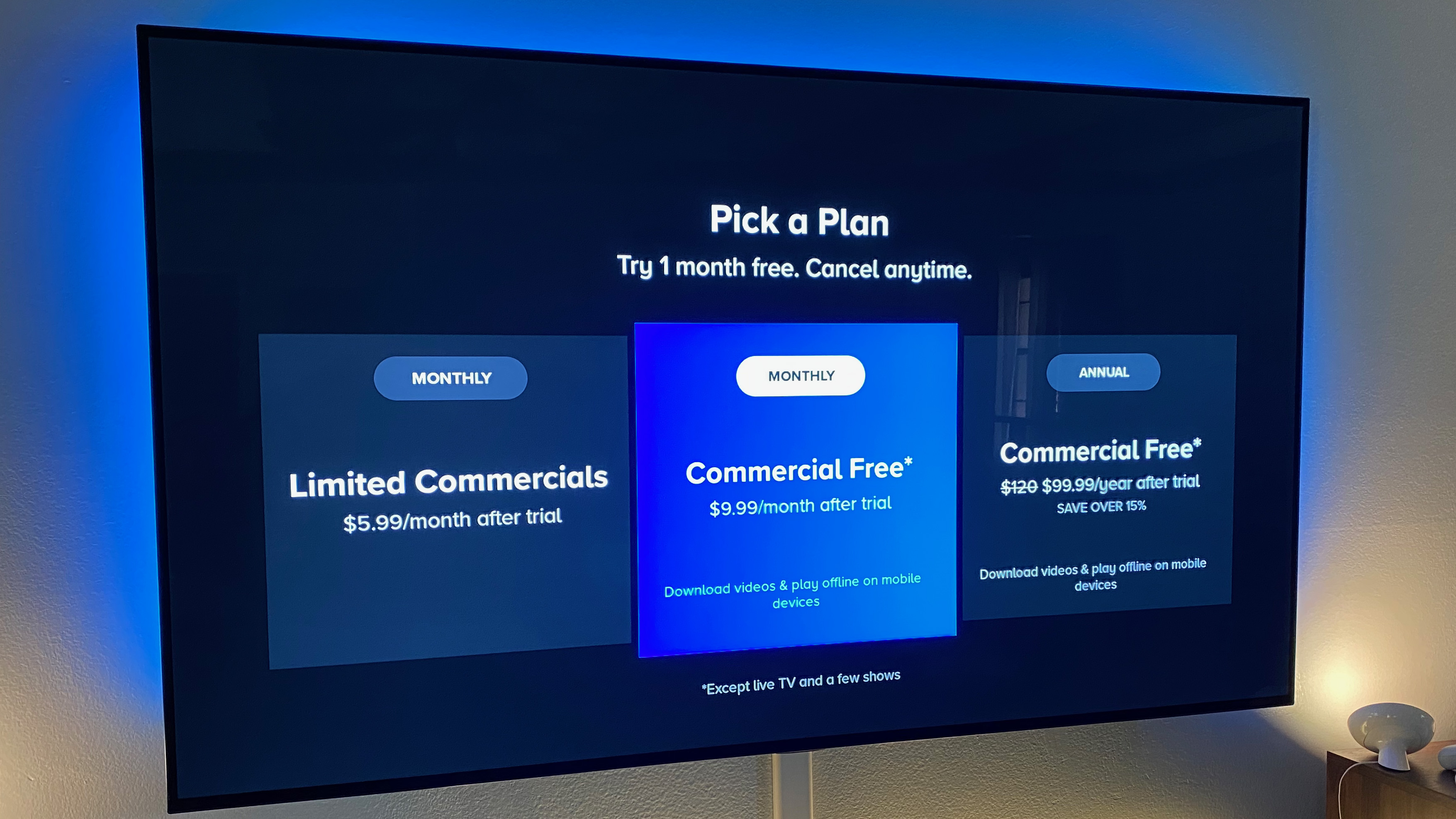
The most direct and widely available method to access Paramount+ for free is through its free trial period. Paramount+, like many of its competitors, offers prospective subscribers a limited window—typically 7 days, though sometimes extended to 30 days during special promotions—to experience its full library without charge. This isn’t just a marketing gimmick; it’s a valuable opportunity for the consumer to evaluate the service’s content, interface, and value proposition.
For individuals keen on accessing specific shows or events, a well-timed free trial can provide ample opportunity to binge-watch a series or catch a live sports event before the trial concludes. The financial discipline here lies in remembering to cancel before the trial period automatically converts into a paid subscription. This requires proactive calendar management and an understanding of the billing cycle. From a personal finance perspective, a successful free trial usage translates directly into a saving equivalent to the monthly subscription fee.
Distinguishing “Free” from “Included”
Sometimes, “free” isn’t an upfront offering but rather an inclusion within an existing service or product bundle you already pay for. For instance, telecommunication companies, internet service providers (ISPs), or mobile carriers often partner with streaming services to offer them as a perk. You might find that your current cell phone plan or home internet package includes a complimentary subscription to Paramount+ for a set period, often ranging from three months to a year.
While technically “included” in a service you’re already paying for, if you were going to pay for that core service anyway, the streaming add-on effectively becomes “free” from the perspective of additional expenditure. It’s crucial to review your existing service contracts and provider benefits regularly. Unearthing such an inclusion can instantly provide access to Paramount+ without any additional out-of-pocket cost, essentially improving the value proposition of your existing expenses. This highlights a core financial principle: always check for untapped benefits in services you already fund.
The Value Proposition of Ad-Supported Tiers
While not entirely “free” in the conventional sense, understanding ad-supported tiers plays a role in budget-conscious streaming. Paramount+ offers both an “Essential” plan (with limited ads) and a “Premium” plan (ad-free). The Essential plan is significantly cheaper than the Premium. While not free, recognizing that you can access the bulk of the content for a lower price point is a financial decision. For some, the cost saving outweighs the inconvenience of occasional advertisements, making it a more financially viable long-term solution than the premium alternative. From a budgeting standpoint, choosing the cheaper ad-supported tier allows for reallocation of saved funds to other financial goals or necessities.
2. Leveraging Promotional Strategies: Bundles, Trials, and Partnerships
Beyond the standard free trial, several promotional strategies employed by Paramount+ and its partners can offer extended free access or significant discounts, turning an expected expense into a financial gain or saving. These strategies often require a keen eye for deals and an understanding of how companies bundle services.
Maximizing Extended Free Trial Periods
Keep an eye out for special promotions that offer extended free trial periods. These are often tied to major events, holidays, or partnerships. For example, during significant sporting events (like the Super Bowl, which often airs on CBS, a Paramount Global property) or major TV premieres, Paramount+ might offer an extended trial of 30 days or even longer to entice new viewers. Financial vigilance means being aware of these promotional windows. Subscribing during these periods maximizes your free access time, allowing for a more thorough exploration of the content library without financial commitment. Sign up for email newsletters from Paramount+ or financial deal aggregators to stay informed.
Carrier and Internet Service Provider Bundles
As mentioned, telecommunication companies and ISPs are prime partners for streaming services. T-Mobile, Verizon, Xfinity, and other major providers frequently offer Paramount+ as a promotional bonus for new sign-ups or existing loyal customers. These bundles can range from a few months to a year of free service.
From a financial planning perspective, if you are already in the market for a new phone plan or internet provider, actively seeking out bundles that include Paramount+ can be a smart move. It’s a way to consolidate expenses and extract more value from your essential utility bills. Before committing to a new service, always inquire about their current streaming service partnerships. This isn’t just about getting Paramount+ for free; it’s about optimizing your entire household budget by leveraging package deals.
Credit Card and Loyalty Program Perks
Many credit card companies, especially those with rewards programs, occasionally offer exclusive deals or cash-back incentives for streaming services. While not always directly “free,” these can significantly reduce the effective cost. For example, a credit card might offer 10% back on streaming service purchases for a quarter, or a sign-up bonus that effectively covers several months of subscriptions.
Similarly, loyalty programs from various retailers or payment platforms (e.g., PayPal offers) might run promotions where spending a certain amount earns you a gift card usable for streaming, or a direct discount code. Regularly checking your credit card benefits portal and loyalty program dashboards can uncover these hidden financial benefits. For the astute consumer, using rewards points or specific credit card benefits to offset streaming costs is a sophisticated financial tactic that effectively turns a regular expense into a “free” service funded by smart spending habits.
Student and Niche Discounts
While not universally “free,” Paramount+ (and many other services) may offer discounted rates for students, military personnel, or other specific demographics. These aren’t typically advertised as “free,” but for eligible individuals, they represent a significant reduction in cost, making the service much more accessible within a tighter budget. It’s always worth checking the “help” or “FAQ” sections of streaming service websites for information on such niche discounts, as these can dramatically lower the long-term financial outlay.
3. Smart Subscription Management: Avoiding Unnecessary Costs
The true cost of “free” streaming can sometimes be forgotten subscriptions that auto-renew. Effective financial management of streaming services involves more than just finding free trials; it’s about disciplined oversight of your entire entertainment expenditure.
The “Stream-and-Churn” Strategy
This strategy, while requiring discipline, is highly effective for cost-conscious streamers. It involves subscribing to a service, consuming the desired content, and then canceling before the next billing cycle. When a new show or movie arrives on Paramount+ that you wish to see, you resubscribe for a month, binge-watch, and then cancel again. This approach ensures you only pay for the months you actively use the service.
The “stream-and-churn” method is a direct application of lean financial management to entertainment. Instead of maintaining multiple simultaneous subscriptions, you rotate through them based on your consumption needs. This prevents the common financial leak of paying for services you don’t actively use. It requires organization, such as maintaining a content watchlist and calendar reminders for subscriptions.

Annual vs. Monthly Billing: A Cost Analysis
Paramount+ offers both monthly and annual subscription options. Typically, an annual subscription provides a discount compared to paying month-to-month over 12 months. For example, an annual plan might cost the equivalent of 10 months of a monthly plan, effectively giving you two months “free.”
From a financial perspective, if you anticipate being a long-term subscriber, opting for the annual plan is a smart move. It’s an upfront investment that yields a clear financial saving over the year. However, this decision should be weighed against the “stream-and-churn” strategy. If you only watch Paramount+ sporadically, the annual plan might lock you into payments for months you don’t use it. Financial insight here means evaluating your true consumption habits against the discounted annual rate.
Family Sharing and Account Management
If multiple individuals in your household are interested in Paramount+, leveraging family sharing features can optimize costs. Most streaming services allow for multiple profiles and concurrent streams under a single subscription. Instead of each family member subscribing individually (which would be a significant financial drain), a single subscription shared among family members maximizes its value.
Beyond family sharing, if you have friends or extended family who also use Paramount+, consider a shared subscription model where costs are split. While Paramount+ terms of service generally apply to household sharing, a financially pragmatic approach among trusted individuals can lower individual costs significantly. This requires clear communication and agreement on payment splits, turning a full-price subscription into a fraction of the cost for each participant.
Setting Up Reminders for Trial Expirations
The biggest pitfall of free trials is forgetting to cancel. Auto-renewal clauses are standard, and if not managed, a “free” trial can quickly become an unwanted expense. To mitigate this financial risk, immediately upon signing up for a free trial:
- Set a calendar reminder: Schedule an alert a day or two before the trial officially ends.
- Use a dedicated email for subscriptions: This helps organize incoming notifications about billing.
- Review bank statements: Periodically check for unexpected subscription charges.
This proactive financial discipline ensures that “free” truly means free, safeguarding your budget from passive, unintended expenditures.
4. Alternative Avenues: Exploring Indirect Access and Value Stacking
Sometimes, direct access strategies aren’t the only path to saving money on Paramount+. Exploring indirect avenues and how Paramount+ integrates with broader digital ecosystems can reveal further opportunities for cost-effective viewing.
Leveraging Gift Cards and Reward Points
Gift cards for streaming services, including Paramount+, are often available for purchase at a discount from various retailers, especially during holiday seasons or promotional events. For example, you might buy a $25 Paramount+ gift card for $20. This effectively gives you a period of service at a 20% discount.
Furthermore, many reward programs (e.g., credit card points, loyalty programs, survey sites) allow you to redeem points for gift cards. If you accumulate points through daily spending or online activities, converting these points into Paramount+ gift cards is a direct way to get “free” access, as you’re funding the subscription with accumulated value rather than direct cash outlay. This is a classic financial strategy of using existing assets (reward points) to offset entertainment expenses.
Content Aggregators and Partner Platforms
Occasionally, Paramount+ content might be accessible through other platforms that you already subscribe to, albeit perhaps temporarily or in a limited capacity. For example, services like Amazon Prime Video Channels sometimes run promotions for add-on subscriptions, offering the first month free or a significant discount. While this often requires an existing Prime subscription, if you’re already a member, it’s an avenue to explore for promotional periods.
Similarly, specific shows or movies might be licensed to other platforms for a limited time. While not a reliable long-term strategy for full Paramount+ access, being aware of content licensing can save you from subscribing if the one show you want is temporarily available elsewhere. It requires a discerning approach to content acquisition, prioritizing existing subscriptions before adding new ones.
5. The Long-Term View: Sustainable Streaming Habits and Budgeting
Ultimately, the goal of understanding how to get Paramount+ for free is part of a larger financial strategy: managing your entertainment budget effectively. Sustainable streaming habits mean more than just chasing free trials; it’s about making informed choices that align with your financial goals.
Budgeting for Entertainment
Every household should have an entertainment budget. This isn’t about deprivation, but about intentional spending. Decide how much you are willing to allocate to streaming services each month. By actively seeking out free trials, leveraging bundles, and employing the “stream-and-churn” method for services like Paramount+, you can maximize the content you consume within your set budget. This disciplined approach ensures that entertainment remains a planned expense, not a runaway cost. It transforms passive consumption into active financial management.
Evaluating Your Streaming Needs
Regularly reassess your streaming subscriptions. Ask yourself:
- Which services do I genuinely use regularly?
- Which services have content I must watch?
- Am I paying for services that largely duplicate content available elsewhere?
If Paramount+ is a service you only dip into occasionally, the strategies for temporary free access (trials, churn) are financially superior to a continuous paid subscription. If it’s a core service you use daily, then seeking out annual discounts or bundles is more appropriate. This introspection is a vital part of personal financial planning, ensuring every dollar spent on entertainment delivers maximum value.
The True Cost of “Free”: Time and Data
While financially free, accessing content still consumes resources: your time and internet data. If you are on a capped data plan, heavy streaming can lead to overage charges, turning “free” content into an unexpected expense. Similarly, the time spent managing trials, canceling subscriptions, and hunting for deals, while yielding financial savings, is an investment of your personal time. A holistic financial view considers both monetary and non-monetary costs. Ensure the time and data expended to get Paramount+ for free are justified by the enjoyment and savings gained.

Building a Sustainable Streaming Strategy
A sustainable streaming strategy integrates all these financial principles. It’s a dynamic approach where you:
- Prioritize free trials: Always start with the free option.
- Leverage existing resources: Check for bundles, credit card perks, and loyalty rewards.
- Practice smart subscription management: Employ stream-and-churn, manage renewals, and share responsibly.
- Budget proactively: Allocate a specific amount for entertainment and stick to it.
- Regularly review: Ensure your subscriptions align with your current needs and financial goals.
By adopting these financially astute habits, getting Paramount+ for free – or at the very least, at a significantly reduced cost – becomes not just a possibility, but a consistent outcome of smart personal financial management in the digital age. It empowers consumers to enjoy premium content without compromising their financial well-being.
aViewFromTheCave is a participant in the Amazon Services LLC Associates Program, an affiliate advertising program designed to provide a means for sites to earn advertising fees by advertising and linking to Amazon.com. Amazon, the Amazon logo, AmazonSupply, and the AmazonSupply logo are trademarks of Amazon.com, Inc. or its affiliates. As an Amazon Associate we earn affiliate commissions from qualifying purchases.