
In an increasingly fast-paced world, the traditional bi-weekly or monthly pay cycle can often feel like an archaic relic. For many, the ability to access earned wages sooner can be a game-changer, offering greater financial flexibility, reducing stress, and helping to manage unexpected expenses. This desire for speed and liquidity has spurred financial institutions, including major players like Chase, to innovate around direct deposit systems, offering what’s commonly known as “early pay” or “early direct deposit.”
This article delves into how customers can leverage Chase’s capabilities to potentially get paid earlier, exploring the mechanisms behind this offering, the benefits it provides, and how it integrates into a broader strategy for sound personal finance. We’ll dissect the practical aspects, discuss eligibility, and provide insights into maximizing this valuable financial tool.
Understanding the Mechanics of Early Direct Deposit
The concept of early direct deposit isn’t magic; it’s a sophisticated adjustment to how banks process incoming funds. Traditionally, when an employer initiates payroll, the funds are sent to the bank via the Automated Clearing House (ACH) network. This network is designed for batched processing, which means transactions aren’t always instantaneous. While the bank often receives notification of an incoming payment a day or two before the official “payday,” they typically hold these funds until the scheduled date to ensure full settlement and mitigate risk.
The Evolution of Fund Availability
The shift towards early pay is a response to both consumer demand and technological advancements. Banks like Chase, with robust internal systems and a deep understanding of their risk profiles, can now confidently release funds to customers as soon as the ACH credit notification is received, rather than waiting for the official settlement date. This means that if your employer sends payroll information on a Tuesday for a Friday payday, Chase might make those funds available to you on Wednesday, or even Tuesday afternoon, depending on their processing cut-off times.
This acceleration is possible because the bank has a high degree of certainty that the funds are genuinely on their way and will settle. It’s a competitive advantage for banks and a significant convenience for customers. For those living paycheck to paycheck, or simply preferring more immediate access to their earned money, this feature can significantly impact daily financial management.
Who Benefits from Early Pay?
Virtually anyone receiving direct deposit can benefit from early pay. However, its impact is particularly profound for certain demographics:
-
Individuals Managing Tight Budgets: For those who carefully track their spending and income, an extra day or two of access can prevent overdrafts, allow for timely bill payments, or enable necessary purchases without resorting to high-interest credit options.
-
Emergency Situations: Unexpected expenses can arise at any time. Earlier access to funds can provide a crucial buffer, allowing individuals to address immediate needs without financial strain.
-
Financial Planners and Budgeters: Even those with comfortable finances appreciate the enhanced control. It allows for more precise budget planning and allocation of funds, as money arrives predictably and often ahead of schedule.
-
Hourly Workers: For workers whose income might fluctuate or who rely on frequent payments, early access can smooth out cash flow and provide more immediate gratification for their labor.
Early pay democratizes access to funds, shifting the power dynamic slightly towards the consumer by offering greater liquidity and control over their own money.
Leveraging Chase’s Offerings for Faster Fund Access
Chase, as one of the largest financial institutions in the United States, has been at the forefront of adopting features that enhance customer convenience and financial flexibility. While they may not always brand it with specific “early pay” product names, their direct deposit processing capabilities often allow for funds to become available sooner than the official payday.
Exploring Chase’s Direct Deposit Features
Chase’s standard direct deposit service is designed for efficiency. When your employer (or any payer) initiates an ACH direct deposit to your Chase checking account, Chase typically processes these incoming credits as quickly as possible. Many Chase customers report receiving their direct deposits a day or two before their official scheduled payday. This isn’t a guaranteed feature for all transactions or all employers, as the timing ultimately depends on when your employer submits the payroll information to their bank and then to Chase. However, Chase’s infrastructure is optimized to post these funds promptly once they receive the necessary pre-notification from the ACH network.
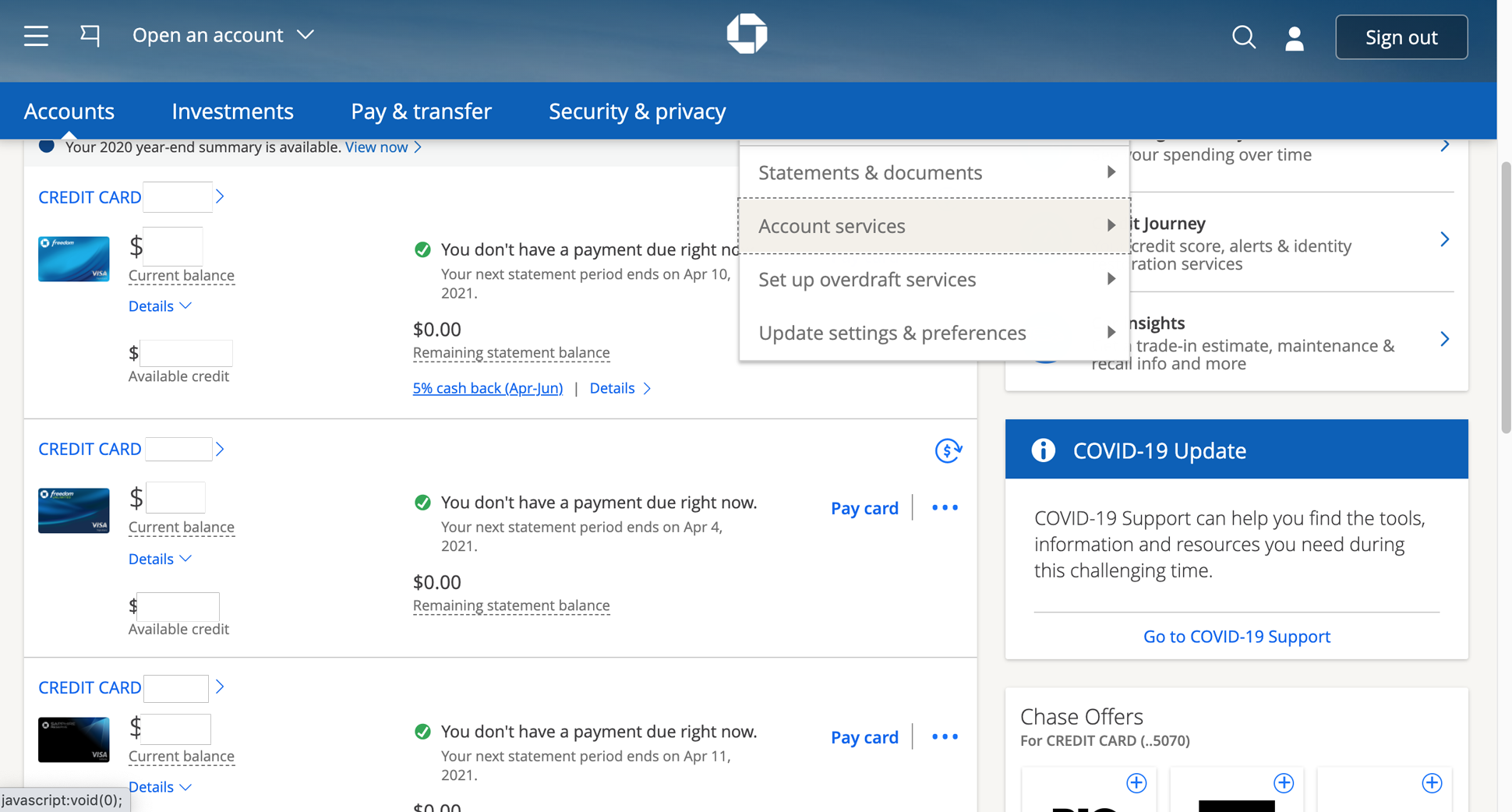
To check the exact availability, Chase’s online banking platform and mobile app are invaluable. Customers can often see “pending” transactions or view the exact date and time a direct deposit clears, giving them real-time insight into their account balance.
Eligibility Requirements and Setup Process
The primary eligibility requirement for receiving early direct deposit with Chase is simply having a Chase checking account and setting up direct deposit into that account. There are no special enrollments or additional fees specifically for early pay; it’s an inherent benefit of their direct deposit processing system.
The setup process is straightforward:
-
Open a Chase Checking Account: If you don’t already have one, you’ll need to open a Chase checking account. Popular options include Chase Total Checking, Chase Sapphire Banking, or Chase Premier Plus Checking.
-
Obtain Direct Deposit Information: Once your account is open, you’ll need your Chase account number and the Chase routing number. This information is readily available on your checks, within your online banking portal, or by contacting Chase customer service.
-
Provide to Your Employer: Fill out a direct deposit authorization form provided by your employer’s HR or payroll department. You will typically need to specify the percentage or fixed amount of your paycheck you wish to have direct deposited into your Chase account.
-
Confirm Setup: After submitting the form, it’s wise to confirm with your employer that the direct deposit has been set up correctly. For your first few paychecks, monitor your Chase account closely to ensure the funds arrive as expected. Once established, you can often expect your funds to arrive a day or two early, contingent on your employer’s payroll submission schedule.
It’s important to remember that the “early” aspect is dependent on the payer. If your employer consistently submits payroll late, even the most efficient bank can’t make funds available sooner than they receive notification.
Maximizing the Benefits of Early Pay
Accessing your money earlier is more than just a convenience; it’s a strategic advantage that, when managed correctly, can significantly improve your financial health. Leveraging early pay effectively means integrating it into your broader financial strategy.
Improving Cash Flow Management
The most immediate and obvious benefit of early pay is improved cash flow. Instead of waiting until Friday, having funds available on Wednesday or Thursday can smooth out the peaks and valleys of your spending cycle. This extra time allows you to:
-
Pay Bills on Time (or Early): Avoid late fees and maintain a good payment history by ensuring funds are available when bills are due. You can even set up automated payments with confidence, knowing the money will be there.
-
Reduce Reliance on Credit Cards: With earlier access to funds, you’re less likely to put everyday expenses on credit cards and carry a balance, thus saving on interest charges.
-
Buffer Against Unexpected Expenses: A sudden car repair or medical bill can be managed more easily when you have a bit more lead time to access your income.

Strategies for Budgeting with Early Access Funds
Early pay provides a great opportunity to refine your budgeting skills. Instead of rushing to pay bills the moment your paycheck hits, you have more time to thoughtfully allocate your funds.
-
Implement a “Paycheck Buffer”: Try to build a small buffer in your checking account so that you’re always spending money from your previous paycheck. Early pay can help establish this buffer, reducing the pressure to spend the moment funds arrive.
-
Automate Savings: With funds available earlier, you can schedule automated transfers to your savings or investment accounts a day or two earlier as well. This “pay yourself first” strategy becomes even more seamless.
-
Review and Adjust Your Budget Sooner: The extra day or two means you can review your budget for the upcoming pay period and make any necessary adjustments before the bulk of your spending for that cycle begins. This proactive approach can prevent overspending.
Avoiding Overdrafts and Late Fees
One of the most significant financial stressors for many is the fear of overdrafts or the frustration of late fees. Early direct deposit can act as a powerful preventative measure. By having funds clear sooner, you significantly reduce the window during which your account balance might be unexpectedly low before your salary arrives. This is especially helpful for bills that might debit your account automatically or if you make an unexpected purchase close to your traditional payday. The peace of mind that comes from knowing your funds are available can be invaluable.
Potential Considerations and Best Practices
While early direct deposit is a significant benefit, it’s crucial to approach it with a clear understanding of its nuances and to integrate it responsibly into your overall financial plan.
Understanding Fund Availability Disclaimers
It’s important to reiterate that “early” is not always guaranteed. The timing of direct deposit availability is ultimately dependent on when your employer’s bank transmits the payroll information to Chase. While Chase is efficient in processing once they receive it, they cannot release funds they haven’t been notified about.
-
Varying Timelines: Don’t assume every paycheck will arrive at the exact same time or day. Payroll departments can have slightly different processing schedules week-to-week, especially around holidays.
-
No Universal Guarantee: While many customers experience early direct deposit, Chase (like most banks) will typically state that funds are available on the scheduled payday. Any earlier availability is a benefit of their processing efficiency, not a contractual guarantee.
-
Monitor Your Account: Always monitor your Chase account via the mobile app or online banking to confirm when funds have posted before making critical payments or large purchases based solely on an anticipated early deposit.
The Importance of Financial Planning
Early access to funds, while beneficial, should not replace sound financial planning. In fact, it should empower it. The temptation to spend money as soon as it arrives can be strong. Without a clear budget and financial goals, earlier access might lead to earlier spending, negating some of the positive effects.
-
Create and Stick to a Budget: A well-defined budget is your roadmap for managing early pay. Allocate funds to savings, bills, and discretionary spending as soon as they hit your account.
-
Build an Emergency Fund: Use the increased flexibility to consistently contribute to an emergency fund. Aim for 3-6 months of living expenses.
-
Set Financial Goals: Whether it’s saving for a down payment, retirement, or a major purchase, early access can help you stay on track with your long-term goals.
Integrating Early Pay into a Broader Financial Strategy
Consider early pay as one tool in your financial toolbox. For optimal results, integrate it with other Chase offerings and personal finance best practices.
-
Utilize Chase’s Budgeting Tools: Chase offers various tools within its online banking and mobile app to help you track spending, categorize transactions, and set budgets. Use these in conjunction with early pay to gain a comprehensive view of your finances.
-
Link Savings Accounts: Set up automatic transfers from your Chase checking account to a Chase savings account, timed to occur shortly after your early direct deposit.
-
Explore Investment Options: Once your emergency fund is solid, explore investment opportunities through Chase or other platforms. Early pay can free up cash flow to facilitate consistent investment contributions.
Beyond Early Pay: Holistic Financial Well-being with Chase
Chase’s role in your financial journey extends far beyond simply getting paid early. They offer a comprehensive suite of products and services designed to support your overall financial well-being.
Leveraging Other Chase Financial Tools
Beyond early direct deposit, Chase provides a range of tools that can further enhance your financial management:
-
Credit Cards: Responsible use of Chase credit cards can help build credit, offer rewards, and provide a backup for emergencies.
-
Savings Accounts: Chase offers various savings options, from standard savings to CDs, to help you grow your wealth.
-
Investment Services: Through Chase You Invest or J.P. Morgan Wealth Management, customers can access investment advice and platforms to plan for long-term goals.
-
Mortgages and Loans: For major life purchases, Chase offers competitive rates and a streamlined application process.
-
Financial Advisement: For more complex financial needs, connecting with a Chase financial advisor can provide personalized guidance.
Building Savings and Emergency Funds
The freedom afforded by early direct deposit creates an opportune moment to prioritize savings. By reducing the immediate pressure of an upcoming payday, you can allocate funds to savings accounts as soon as they arrive, making “paying yourself first” a more tangible reality. Building a robust emergency fund should be a cornerstone of this strategy. Having readily accessible funds for unexpected events provides immense security and prevents debt accumulation.

Future Trends in Banking and Payment Processing
The financial landscape is continuously evolving. The move towards early direct deposit is just one example of how traditional banks are adapting to fintech innovations and consumer expectations. We can anticipate further advancements in payment processing, potentially leading to:
-
Real-time Payments: Systems like FedNow and RTP are designed for instant fund transfers, which could eventually make “early pay” the standard, as funds become available almost immediately upon an employer’s initiation.
-
Personalized Financial Management: AI-driven tools will likely offer even more personalized insights and automation for budgeting, saving, and investing.
-
Embedded Finance: Banking services becoming seamlessly integrated into everyday apps and platforms, making financial management even more intuitive.
Staying abreast of these trends and continuously leveraging the best tools available, like Chase’s early direct deposit, positions you for greater financial agility in the years to come.
In conclusion, “how to get paid early with Chase” is not just about a technical feature; it’s about empowering individuals with greater control over their money. By understanding the mechanisms, setting up direct deposit correctly, and integrating this benefit into a disciplined financial strategy, Chase customers can unlock a powerful advantage, leading to improved cash flow, reduced financial stress, and a stronger foundation for achieving their financial goals.
aViewFromTheCave is a participant in the Amazon Services LLC Associates Program, an affiliate advertising program designed to provide a means for sites to earn advertising fees by advertising and linking to Amazon.com. Amazon, the Amazon logo, AmazonSupply, and the AmazonSupply logo are trademarks of Amazon.com, Inc. or its affiliates. As an Amazon Associate we earn affiliate commissions from qualifying purchases.