
In today’s rapidly evolving economy, cash is increasingly becoming a relic of the past for many consumers. The ubiquity of credit and debit cards, coupled with the rise of digital wallets and contactless payments, has transformed the way transactions occur. For businesses, whether a brick-and-mortar store, an online e-commerce platform, a freelance professional, or a service provider, the ability to accept credit card payments is no longer a luxury but a fundamental necessity. Failing to offer this payment option can severely limit your customer base, hinder sales, and ultimately impede your growth.
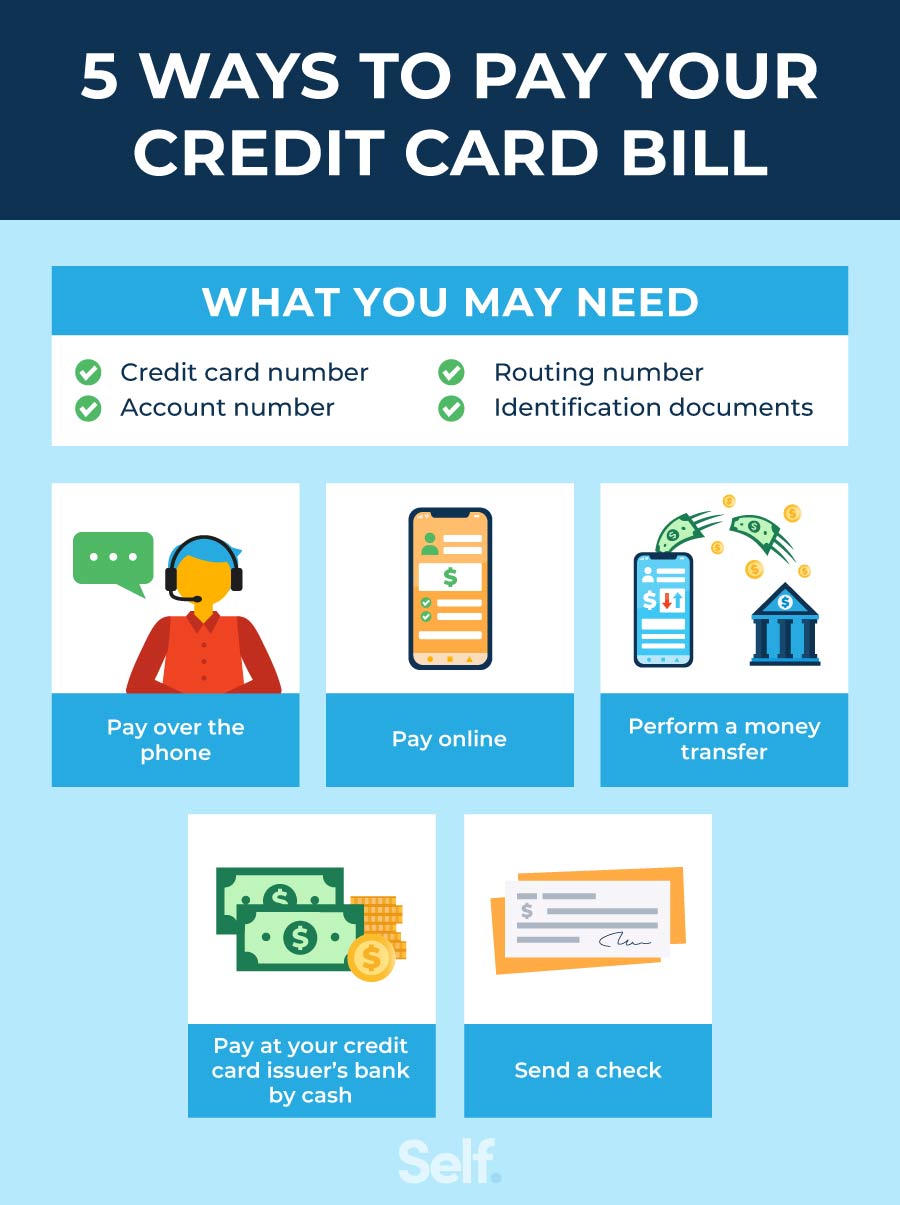
This comprehensive guide will explore the various methods of accepting credit card payments, delve into the associated costs, help you choose the right processor, and outline best practices for secure and efficient financial operations. By understanding the intricacies of credit card processing, businesses can not only meet customer expectations but also unlock new avenues for revenue and streamline their financial management. Embracing credit card payments is a strategic move that positions your business for success in a cashless world, offering convenience to your clients while bolstering your financial infrastructure.
The Growing Imperative of Accepting Credit Card Payments
The shift towards digital payments has been monumental, driven by technological advancements, consumer preferences, and even global events that have accelerated the adoption of contactless methods. For any entity looking to transact effectively, understanding and adapting to this change is paramount.
Meeting Customer Expectations in a Cashless Society
Modern consumers expect convenience. They carry credit cards for everyday purchases, track rewards points, and often prefer to avoid carrying cash. Studies consistently show that businesses that accept a wider range of payment options, especially credit cards, experience higher customer satisfaction and loyalty. When a potential customer is ready to make a purchase, encountering a business that doesn’t accept their preferred payment method can be a significant barrier, often leading them to a competitor who does. This isn’t just about convenience; it’s about trust and meeting the established norms of contemporary commerce. Providing multiple payment options signals professionalism and a customer-centric approach.
Expanding Your Market Reach and Sales Potential
Restricting payment options to cash or checks immediately limits your potential customer base. Credit cards enable impulse purchases, facilitate larger transactions that customers might not be able to cover with cash on hand, and open your business up to online sales, where credit cards are the dominant payment method. For businesses operating online, accepting credit cards is non-negotiable; it’s the gateway to a global marketplace. Even for local businesses, tourists and business travelers often rely exclusively on credit cards. By enabling credit card payments, you essentially cast a wider net, capturing sales that would otherwise be lost and unlocking significant growth opportunities that extend beyond your immediate vicinity.
Streamlining Financial Operations
Beyond customer convenience and sales growth, accepting credit card payments offers substantial operational benefits. Digital payment records simplify accounting, reduce the risk associated with handling large amounts of cash, and provide clear, auditable trails for every transaction. Modern payment processing systems often integrate with accounting software, automating reconciliation and reducing manual data entry errors. This efficiency frees up valuable time and resources that can be redirected to core business activities, ultimately contributing to a more robust and scalable financial operation.
Essential Methods for Processing Credit Card Payments
The method you choose for processing credit card payments will largely depend on the nature of your business, whether you operate primarily online, in a physical location, or offer mobile services. Each method comes with its own set of tools and considerations.
Point-of-Sale (POS) Systems for Physical Businesses
For retail stores, restaurants, and other physical locations, a robust POS system is the backbone of credit card processing. These systems typically include a cash register, receipt printer, and a card reader (terminal). Modern POS systems have evolved significantly, offering features beyond just payment processing, such as inventory management, sales reporting, employee management, and customer relationship management (CRM) tools. They can accept chip cards (EMV), magnetic stripe cards, and increasingly, contactless payments (NFC) via smartphones and smartwatches. Choosing a reliable POS system ensures smooth, in-person transactions and provides valuable insights into your business performance.
E-commerce Gateways and Shopping Carts for Online Sales
If your business operates online, you’ll need an e-commerce platform integrated with a payment gateway. The shopping cart collects customer orders, and the payment gateway securely authorizes credit card transactions between your website and the credit card networks. Popular e-commerce platforms like Shopify, WooCommerce, and BigCommerce often have built-in payment solutions or seamless integrations with major payment gateways like Stripe, PayPal, and Authorize.Net. These systems ensure secure data transmission, fraud prevention, and a seamless checkout experience for online shoppers, which is critical for reducing cart abandonment rates.
Mobile Payment Solutions for On-the-Go Transactions
For freelancers, food trucks, pop-up shops, service professionals, or businesses that make house calls, mobile payment solutions are indispensable. These typically involve a small, portable card reader that connects to a smartphone or tablet via Bluetooth or a headphone jack, combined with a dedicated app. Companies like Square, PayPal Here, and SumUp offer user-friendly mobile solutions that turn a mobile device into a powerful payment terminal. They are often cost-effective, require minimal setup, and provide the flexibility to accept payments wherever your business takes you, ensuring you never miss a sale due to location constraints.
Invoicing Software with Integrated Payment Options
Service-based businesses, consultants, and B2B companies often rely on invoicing to get paid. Many modern invoicing software solutions, such as FreshBooks, Wave, or QuickBooks, now integrate direct credit card payment options. Instead of sending an invoice that requires clients to mail a check or manually initiate a bank transfer, these platforms allow clients to pay directly through a secure link within the invoice using their credit card. This significantly speeds up payment cycles, reduces administrative overhead, and provides a professional, convenient experience for clients.
Understanding the Costs and Fees Associated with Credit Card Processing
While the benefits of accepting credit cards are clear, it’s crucial to understand that there are costs involved. These fees can vary significantly based on your processor, transaction volume, and the type of cards accepted. Transparency about these costs is key to managing your finances effectively.
Interchange Fees: The Core Cost
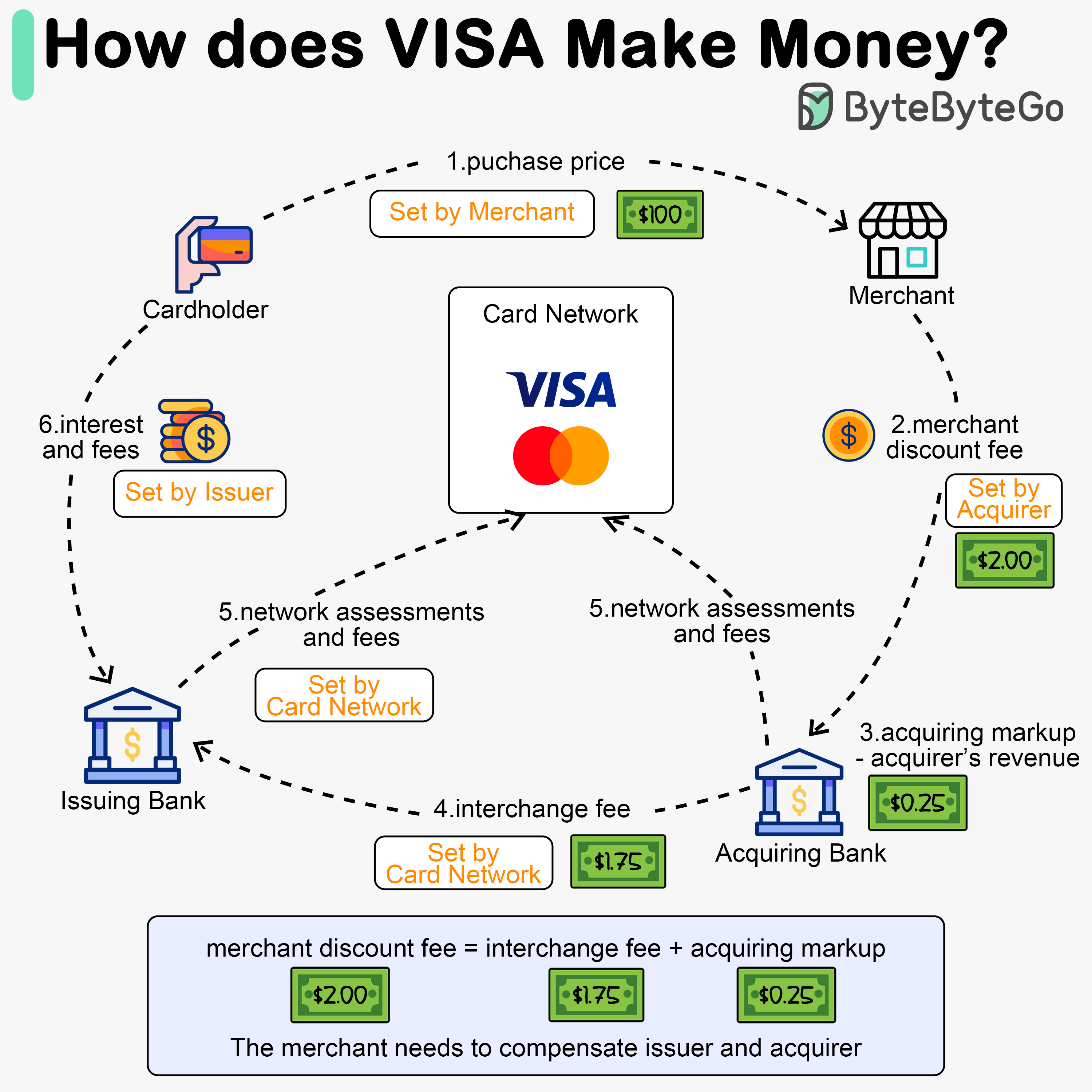
Interchange fees are the largest component of credit card processing costs. These fees are set by the credit card networks (Visa, MasterCard, Discover, American Express) and paid to the card-issuing bank (the bank that issued the credit card to your customer). They vary based on several factors, including the type of card (e.g., standard, rewards, business, corporate), the transaction method (in-person, online, keyed-in), and the merchant category code (MCC) of your business. Interchange fees are non-negotiable for merchants; they are simply passed through by your payment processor.
Assessment Fees: Card Network Charges
In addition to interchange fees, credit card networks also charge their own smaller fees, known as assessment fees. These are charged directly by Visa, MasterCard, Discover, and American Express for using their networks. Like interchange fees, assessment fees are fixed and typically a very small percentage of the transaction volume, plus a small per-transaction fee. They contribute to the networks’ operational costs and are also passed through by your processor.
Processor Markup: The Service Provider’s Share
The payment processor (e.g., Stripe, Square, PayPal, your bank’s merchant services) adds its own markup on top of the interchange and assessment fees. This is how they make their profit for providing the processing service, equipment, software, customer support, and fraud prevention tools. Processor markups can be structured in various ways:
-
Interchange-plus pricing: This is often considered the most transparent model, where the processor charges interchange fees + a fixed percentage and/or a fixed per-transaction fee (e.g., interchange + 0.30% + $0.10).
-
Tiered pricing: Processors categorize transactions into “qualified,” “mid-qualified,” and “non-qualified” tiers, each with different rates. This model can be less transparent and often leads to higher costs as more transactions fall into higher-priced tiers.
-
Flat-rate pricing: Popular with smaller businesses and mobile solutions (e.g., Square, PayPal), this model charges a single percentage and/or per-transaction fee regardless of card type or interchange cost (e.g., 2.6% + $0.10 per transaction). While simple, it might be more expensive for businesses with high transaction volumes or specific transaction types.
PCI Compliance Fees and Other Incidentals
Beyond transaction-specific fees, businesses might encounter other charges. These can include:
-
PCI Compliance Fees: The Payment Card Industry Data Security Standard (PCI DSS) is a set of security standards for businesses that handle credit card information. Non-compliance can result in fees, and some processors charge a small monthly fee to help merchants maintain compliance.
-
Monthly Account Fees: Some processors charge a fixed monthly fee for maintaining your merchant account, even if you don’t process any transactions.
-
Statement Fees: Fees for providing monthly statements.
-
Chargeback Fees: If a customer disputes a charge and it results in a chargeback, processors typically charge a fee (e.g., $15-$30) to cover the administrative costs, regardless of the outcome.
-
Setup Fees: Some processors might charge a one-time fee to set up your merchant account or integrate their services.
Choosing the Right Credit Card Processor for Your Business
Selecting the right payment processor is a critical decision that can impact your financial health, operational efficiency, and customer experience. It requires careful consideration of various factors beyond just the advertised rates.
Key Factors to Consider: Pricing Models, Features, and Support
When evaluating processors, look beyond the headline percentage rate.
-
Pricing Transparency: Understand the full fee structure. Opt for processors with transparent pricing models (like interchange-plus) to avoid hidden costs. Get a clear breakdown of all potential fees.
-
Features and Integrations: Does the processor offer the features your business needs, such as recurring billing, invoicing, fraud protection, or integration with your existing accounting or POS software? Can it accept all card types and payment methods (EMV, NFC, online)?
-
Customer Support: When issues arise, quick and effective support is invaluable. Evaluate their customer service channels (phone, email, chat), availability, and reputation.
-
Contract Terms: Pay close attention to contract length, early termination fees, and any clauses that allow for rate increases. Avoid long-term contracts with hefty cancellation penalties if possible.
-
Security and PCI Compliance: Ensure the processor is fully PCI DSS compliant and offers robust security features to protect your customers’ data and your business from fraud.
-
Reporting and Analytics: Comprehensive reporting tools can provide valuable insights into your sales, transaction trends, and financial performance.
Popular Payment Processors and Their Offerings
The market is saturated with payment processors, each with its strengths:
-
Square: Ideal for small businesses, mobile merchants, and those new to credit card processing. Offers simple flat-rate pricing, easy setup, and integrated hardware/software for POS and mobile payments.
-
Stripe: A developer-friendly platform primarily known for its powerful online payment gateway. Favored by e-commerce businesses and platforms for its extensive APIs, customization options, and global reach. Offers transparent interchange-plus or flat-rate pricing.
-
PayPal (and PayPal Zettle/Here): A widely recognized brand, offering online payment solutions, invoicing, and mobile card readers. Good for businesses that already have a strong PayPal customer base.
-
Helcim: Known for its transparent interchange-plus pricing, aiming to offer cost-effective solutions for small to medium-sized businesses. Offers a good balance of features, customer service, and value.
-
Traditional Merchant Account Providers (e.g., through banks): Often offer tailored solutions for larger businesses, potentially with lower rates for high volumes, but may come with more complex contracts and higher monthly fees.
Negotiating Rates and Understanding Contract Terms
Don’t be afraid to negotiate, especially if you have a significant transaction volume. Request a detailed quote outlining all fees. Compare offers from multiple processors. For existing relationships, periodically review your statements and be prepared to renegotiate or switch if your current processor is no longer competitive. Always read the fine print of any contract, paying close attention to auto-renewal clauses, rate increase policies, and termination fees, to avoid unpleasant surprises down the line.
Best Practices for Secure and Efficient Credit Card Processing
Accepting credit card payments comes with responsibilities, primarily concerning security and efficient financial management. Adhering to best practices protects your business and your customers.
Prioritizing PCI DSS Compliance
PCI DSS compliance is not optional; it’s mandatory for any entity that stores, processes, or transmits credit card data. Non-compliance can lead to hefty fines, data breaches, and a damaged reputation. Work with your payment processor to ensure your systems and processes meet all PCI DSS requirements. This includes using secure networks, protecting cardholder data, maintaining vulnerability management programs, implementing strong access control measures, and regularly testing security systems. Education for your staff on security protocols is also vital.
Mitigating Fraud and Chargebacks
Fraud and chargebacks can be costly for businesses, leading to lost revenue, fees, and administrative headaches. Implement fraud prevention tools offered by your processor, such as Address Verification Service (AVS), Card Verification Value (CVV), and 3D Secure (for online transactions). Keep detailed records of all transactions, including proof of delivery for online orders. Respond promptly to any customer disputes and provide all requested information to challenge chargebacks effectively. Proactive measures and clear communication with customers can significantly reduce your vulnerability.
Reconciling Payments and Managing Reporting
Regularly reconcile your payment processing statements with your bank deposits and accounting records. This ensures accuracy, helps identify discrepancies quickly, and provides a clear picture of your cash flow. Utilize the reporting and analytics tools provided by your payment processor to track sales trends, identify peak periods, and understand customer purchasing behavior. This data is invaluable for inventory management, marketing strategies, and overall business planning. Integrating your payment processor with your accounting software can automate much of this reconciliation process, saving time and reducing errors.

Enhancing Customer Experience Through Seamless Transactions
Ultimately, the goal is to make the payment process as smooth and frictionless as possible for your customers. This means fast transaction times, clear communication about accepted payment types, and a user-friendly interface for online checkouts or POS terminals. Training your staff to handle credit card transactions efficiently and courteously also plays a significant role. A positive payment experience contributes to overall customer satisfaction and encourages repeat business, reinforcing the value of accepting credit card payments.
In conclusion, embracing credit card payments is a fundamental step for any business aiming to thrive in the modern economy. By understanding the available methods, managing costs, choosing the right partners, and adhering to best practices, businesses can leverage credit card processing to expand their market, streamline operations, and provide an unparalleled experience for their customers. The investment in robust payment solutions is an investment in your business’s future growth and financial stability.
aViewFromTheCave is a participant in the Amazon Services LLC Associates Program, an affiliate advertising program designed to provide a means for sites to earn advertising fees by advertising and linking to Amazon.com. Amazon, the Amazon logo, AmazonSupply, and the AmazonSupply logo are trademarks of Amazon.com, Inc. or its affiliates. As an Amazon Associate we earn affiliate commissions from qualifying purchases.