
Navigating the complexities of tax season can often feel like a daunting task, filled with unfamiliar jargon, intricate forms, and critical deadlines. For many, the phrase “getting my tax return” is synonymous with receiving a much-anticipated refund – a financial boost that can significantly impact personal budgeting, savings goals, or debt repayment strategies. However, the process is more nuanced than simply waiting for a check. It involves understanding your obligations, meticulously preparing documentation, choosing the right filing method, and accurately submitting your tax return to the relevant authorities.
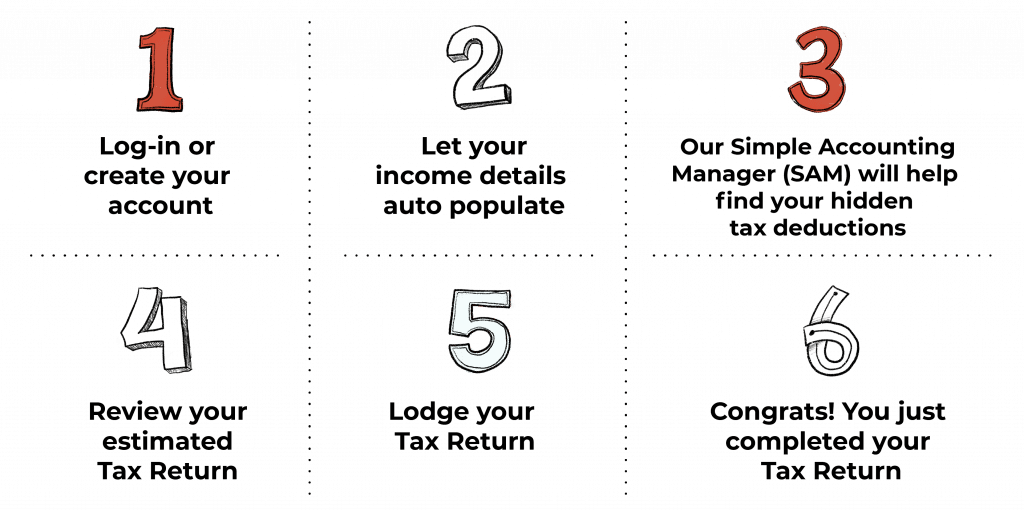
This guide aims to demystify the process, providing a professional, insightful, and engaging roadmap for individuals seeking to successfully file their taxes and maximize any potential refund. We’ll delve into the essential steps, common pitfalls to avoid, and strategies to ensure a smooth and efficient tax filing experience, empowering you to confidently manage your financial responsibilities and secure your deserved return.
Understanding Your Tax Obligations and Entitlements
Before embarking on the filing process, it’s crucial to grasp the fundamental concepts surrounding tax returns. This foundational knowledge will serve as your compass, guiding you through the subsequent steps with greater clarity and purpose.
What is a Tax Return?
At its core, a tax return is a formal document submitted to a tax authority (like the IRS in the United States) that reports an individual’s or entity’s income, expenses, and other relevant financial information. Its primary purpose is to allow the government to assess the correct amount of tax owed. When people say “how to get my tax return,” they often mean “how to get my tax refund.” A tax refund occurs when the amount of tax withheld from your paychecks or paid through estimated taxes during the year exceeds your actual tax liability. Conversely, if you paid less than you owed, you’ll have to pay the difference. Understanding this distinction is vital for setting realistic expectations. The goal is to ensure your return accurately reflects your financial situation to either receive the correct refund or pay the precise amount due.
Key Deadlines and Penalties
Tax filing deadlines are non-negotiable and vary by jurisdiction. In the United States, the primary deadline for individual income tax returns is typically April 15th each year (or the next business day if April 15th falls on a weekend or holiday). It’s imperative to mark these dates on your calendar. Missing a deadline can result in significant penalties, including failure-to-file penalties and failure-to-pay penalties, which accrue interest over time. An extension can be requested, which grants more time to file your return, but it does not extend the time to pay any taxes owed. If you anticipate owing taxes, you should still estimate and pay them by the original deadline to avoid interest and penalties, even if you file an extension. Proactive planning around these deadlines is a cornerstone of responsible financial management.
Who Needs to File?
Not everyone is required to file a tax return, though many find it beneficial even if not mandated. The requirement generally depends on your gross income, filing status (single, married filing jointly, head of household, etc.), and age. For instance, if your income falls below a certain threshold, you might not be obligated to file. However, even if you’re not required to file, you might still want to if you qualify for refundable tax credits (such as the Earned Income Tax Credit or the Child Tax Credit) or if you had federal income tax withheld from your pay. Filing in these scenarios is the only way to receive your entitled refund. It’s always advisable to consult the latest IRS guidelines or a tax professional to determine your specific filing obligations.
Gathering Your Essential Documents
The backbone of an accurate tax return is comprehensive documentation. Attempting to file without all the necessary paperwork is akin to building a house without a blueprint – it’s likely to lead to errors, delays, and potentially missed opportunities for deductions or credits. Organizing these documents in advance streamlines the entire process.
Income Statements
Your income forms are the most critical pieces of information for your tax return. These documents detail the money you earned throughout the tax year and any taxes already withheld.
- W-2 Forms: If you are an employee, your employer will send you a Form W-2, Wage and Tax Statement, by late January. This form reports your annual wages and the amount of federal, state, and local taxes withheld from your pay.
- 1099 Forms: These forms report various types of income not received as wages. Examples include:
- Form 1099-NEC: For nonemployee compensation (freelancers, independent contractors).
- Form 1099-INT: For interest income from banks or other financial institutions.
- Form 1099-DIV: For dividends and distributions from stocks or mutual funds.
- Form 1099-B: For proceeds from broker and barter exchange transactions (stock sales).
- Form 1099-R: For distributions from pensions, annuities, retirement or profit-sharing plans, IRAs, insurance contracts, etc.
- Form 1099-K: For payment card and third-party network transactions (e.g., from PayPal, Stripe for business income).
- Other Income Records: Don’t forget records for rental income, royalty income, partnership income (Schedule K-1), or any other sources of earnings not covered by the above forms.
Deduction & Credit Documentation
Maximizing your refund often hinges on correctly claiming all eligible deductions and credits. These reduce your taxable income or directly decrease your tax liability, respectively. Keeping meticulous records for these items is paramount.
- Mortgage Interest and Property Taxes: Form 1098, Mortgage Interest Statement, from your mortgage lender.
- Student Loan Interest: Form 1098-E from your student loan servicer.
- Educational Expenses: Form 1098-T, Tuition Statement, from educational institutions.
- Health Savings Account (HSA) Contributions: Form 5498-SA.
- Medical and Dental Expenses: Keep receipts for doctor visits, prescription medications, hospital stays, and health insurance premiums paid out-of-pocket.
- Charitable Contributions: Receipts for cash donations and documentation for non-cash contributions (e.g., appraisal for large property donations).
- Childcare Expenses: Records of payments made to childcare providers, including their tax identification number.
- Retirement Contributions: Records of contributions to IRAs, 401(k)s, or other retirement plans.
- Business Expenses: For self-employed individuals, detailed records of all business-related expenses (mileage logs, office supplies, software subscriptions, travel, client entertainment, etc.).
Personal Information
Basic personal details are also necessary. Ensure you have your Social Security Number (SSN) or Individual Taxpayer Identification Number (ITIN) readily available, along with those of your spouse and dependents. You’ll also need your adjusted gross income (AGI) from your previous year’s tax return, which is often required for identity verification when e-filing. Having a secure and organized system for these documents, whether digital or physical, will save you considerable time and stress.
Choosing Your Filing Method
Once your documents are in order, the next critical decision is how you will prepare and submit your tax return. The best method depends on your comfort level with financial software, the complexity of your tax situation, and your budget.
DIY Tax Software
For many individuals with relatively straightforward tax situations, doing it yourself with tax preparation software is a popular and cost-effective option. Companies like TurboTax, H&R Block, and FreeTaxUSA offer user-friendly interfaces that guide you step-by-step through the process, asking questions to ensure you input all relevant information and claim applicable deductions and credits.
- Pros: Generally lower cost than professional preparers, convenient (can be done anytime, anywhere), provides a good understanding of your own taxes. Many offer free versions for simple returns.
- Cons: Requires a certain level of comfort with technology and financial terms. You are solely responsible for accuracy; errors can lead to IRS inquiries or missed opportunities. May struggle with very complex tax situations.
- Recommendation: Ideal for W-2 earners, those with simple investment income, or basic deductions.
Professional Tax Preparers
If your tax situation is complex (e.g., self-employment income, rental properties, stock options, foreign income, divorce, or significant life changes), or if you simply prefer expert assistance, hiring a professional tax preparer is a wise investment. These professionals can include Certified Public Accountants (CPAs), Enrolled Agents (EAs), or other tax preparation services.
- Pros: Expertise in tax law ensures accuracy and maximizes deductions/credits; handles complex situations; offers audit support; saves time and reduces stress.
- Cons: Higher cost compared to DIY software; requires sharing sensitive financial information.
- Recommendation: Best for complex returns, small business owners, individuals facing audits, or those seeking personalized financial advice related to their taxes. When choosing a preparer, ensure they are reputable, experienced, and have a valid Preparer Tax Identification Number (PTIN).
Free Tax Assistance Programs
For individuals and families meeting specific income thresholds, or seniors, there are valuable free tax assistance programs available.
- Volunteer Income Tax Assistance (VITA): This IRS-sponsored program offers free tax help to people who generally make $64,000 or less, persons with disabilities, and limited English-speaking taxpayers who need assistance in preparing their own tax returns.
- Tax Counseling for the Elderly (TCE): This program provides free tax help to people who are age 60 and older, specializing in questions about pensions and retirement-related issues unique to seniors.
- IRS Free File Program: This partnership between the IRS and leading tax software companies offers free online tax preparation and e-filing to taxpayers whose adjusted gross income (AGI) is below a certain threshold.
- Pros: Completely free, offers personalized help, ensures accuracy for eligible taxpayers.
- Cons: Income or age restrictions apply; services are typically limited to basic tax returns.
- Recommendation: An excellent option for those who qualify, providing professional guidance without the cost.
Navigating the Filing Process Step-by-Step
Regardless of the method you choose, the actual process of inputting your data, calculating your taxes, and submitting your return follows a similar logical progression. Attention to detail at each stage is critical for an accurate and timely submission.
Entering Your Data Accurately
The first step involves meticulously entering all your financial information from the collected documents into your chosen software or providing it to your tax preparer. This includes:
- Personal Information: Your name, address, Social Security Number, and filing status (single, married filing jointly, head of household, qualifying widow(er)).
- Dependent Information: Names, SSNs, and relationship for any dependents you are claiming.
- Income Details: Every W-2, 1099, and other income statement must be entered precisely as it appears on the form.
- Deductions and Credits: Input details for all eligible deductions and credits, ensuring you have supporting documentation.
Double-checking every number, especially Social Security Numbers and income figures, is paramount. A single transposed digit can lead to significant delays or errors.
Identifying Applicable Deductions and Credits
This is where the real potential for maximizing your refund lies. Tax software is designed to prompt you for common deductions and credits, but it’s beneficial to have a general understanding yourself.
- Standard vs. Itemized Deductions: Most taxpayers take the standard deduction, a set amount that reduces your taxable income. However, if your eligible itemized deductions (like mortgage interest, state and local taxes, charitable contributions, and certain medical expenses) exceed the standard deduction amount, itemizing can lead to greater tax savings. Keep meticulous records for itemizing.
- Tax Credits: Credits are particularly powerful because they directly reduce your tax liability dollar-for-dollar. Examples include the Child Tax Credit, Earned Income Tax Credit, Education Credits, and the Premium Tax Credit. Some credits are refundable, meaning you can receive money back even if you don’t owe any tax. Be sure to explore every credit for which you might qualify. A professional preparer or comprehensive software can help identify these.
Reviewing Your Return Thoroughly
Before hitting “submit” or signing off on your prepared return, conduct a comprehensive review.
- Check for Errors: Look for any incorrect numbers, misspelled names, or incorrect SSNs. Compare the final numbers on the return to your source documents.
- Verify Calculations: While software usually handles this, a quick mental check or review of key figures can catch glaring mistakes.
- Ensure All Income is Reported: Did you include income from a side gig, even if you didn’t receive a 1099?
- Confirm All Deductions/Credits are Claimed: Are there any expenses you forgot to include?
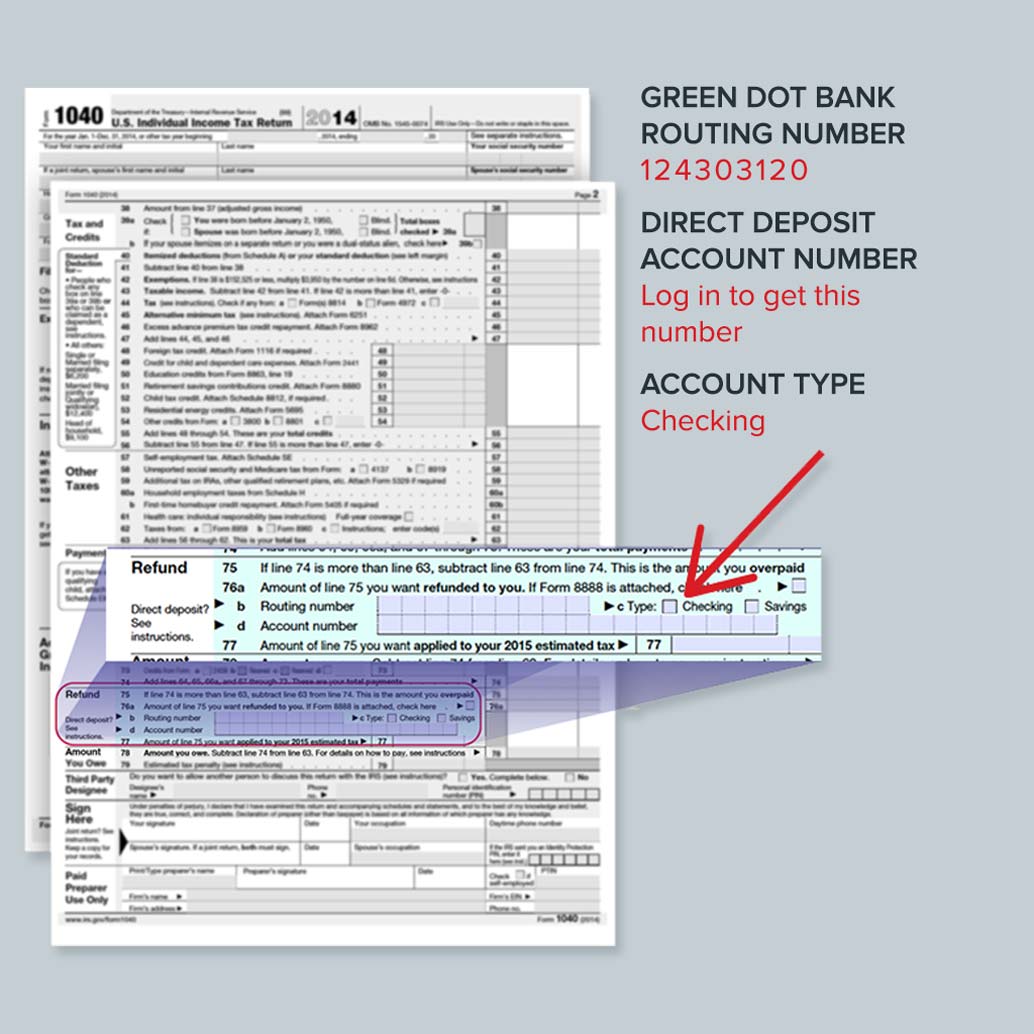
- Bank Information for Direct Deposit: If you’re expecting a refund, verify your bank account and routing numbers are correct. Incorrect information will delay your refund.
Electronic Filing vs. Paper Filing
The vast majority of taxpayers now file electronically (e-file).
- E-filing: This method sends your tax return securely to the IRS via the internet. It’s generally faster, more accurate (as it catches many common errors), and allows for quicker refund processing. You’ll receive confirmation that your return was received and accepted.
- Paper Filing: While still an option, paper filing takes significantly longer for processing, carries a higher risk of manual errors, and provides no immediate confirmation of receipt beyond postal tracking.
- Recommendation: Whenever possible, e-file. It’s the most efficient way to submit your return and receive your refund.
What Happens After You File? Receiving Your Refund
Once you’ve successfully submitted your tax return, the waiting game begins. Understanding the post-filing process, how to track your refund, and what to do if there are delays can alleviate anxiety and help you manage your expectations.
Tracking Your Refund Status
The IRS offers an excellent online tool called “Where’s My Refund?” This tool allows you to check the status of your federal income tax refund within 24 hours after the IRS receives your e-filed return, or about four weeks after you mail a paper return. You’ll need your Social Security Number, filing status, and the exact refund amount shown on your return. State tax agencies often have similar tools to track state refunds. Regularly checking this tool can provide peace of mind and an estimated refund date.
Understanding Refund Delays
While the IRS typically issues most refunds in less than 21 days for e-filed returns, various factors can lead to delays:
- Errors on Your Return: Mistakes in calculations, missing information, or incorrect Social Security Numbers can trigger manual review.
- Identity Theft or Fraud: If the IRS suspects identity theft or fraud related to your return, it will take extra time to verify.
- Claiming Certain Credits: Refunds for returns claiming the Earned Income Tax Credit (EITC) or Additional Child Tax Credit (ACTC) are often delayed by law until mid-February to allow the IRS to prevent fraudulent claims.
- Paper Filing: As mentioned, paper returns take significantly longer to process.
- IRS Workload: During peak filing season, high volume can sometimes lead to slight delays.
- Unpaid Debts: The IRS may offset your refund if you owe federal or state taxes, past-due child support, or other federal debts.
If your refund is delayed beyond the typical timeframe, the “Where’s My Refund?” tool will often provide a reason. If not, contacting the IRS directly may be necessary, but only after waiting the recommended processing time.
Direct Deposit vs. Paper Check
When filing, you’ll choose how to receive your refund.
- Direct Deposit: This is by far the fastest and most secure way to receive your refund. Funds are electronically transferred directly into your bank account. Ensure your bank account and routing numbers are correct to avoid issues.
- Paper Check: While still an option, a paper check is mailed to the address on your return. This method is slower, more susceptible to loss or theft in the mail, and requires you to physically deposit the check.
- Recommendation: Always opt for direct deposit if possible. It provides quicker access to your funds and reduces the risk of loss.
What to Do with Your Refund
Once you “get your tax return” (i.e., your refund), strategic financial planning is key. Rather than viewing it as “found money,” consider how it can best serve your long-term financial goals.
- Pay Down High-Interest Debt: Credit card debt or personal loans often carry high-interest rates. Using your refund to reduce these balances can save you significant money over time.
- Boost Your Emergency Fund: Aim for 3-6 months of living expenses saved in an accessible, interest-bearing account. Your refund can provide a substantial contribution.
- Invest for the Future: Consider contributing to a retirement account (IRA, 401(k)), a college savings plan (529), or a brokerage account for general investment.
- Home Improvements or Major Purchases: If you have immediate needs or planned large expenses, your refund can help fund them without taking on new debt.
- Save for a Down Payment: If homeownership is a goal, your refund can contribute to a down payment fund.
By making a conscious decision about how to use your refund, you transform it from a temporary windfall into a powerful tool for building financial security and achieving your objectives.

Conclusion
Successfully navigating the journey to “get your tax return” involves more than just filling out forms; it’s a critical annual financial exercise that, when approached strategically, can significantly impact your financial well-being. From understanding your obligations and meticulously gathering documents to choosing the optimal filing method and diligently reviewing your submission, each step plays a vital role in ensuring accuracy and maximizing your entitled refund.
Remember, proactive planning, attention to detail, and leveraging available resources – whether it’s tax software, professional preparers, or free assistance programs – are your strongest allies. Once your refund arrives, thoughtful allocation towards debt reduction, savings, or investment can turn a temporary boost into lasting financial progress. By taking control of your tax process, you not only fulfill a civic duty but also unlock opportunities to reinforce your personal financial foundation.
aViewFromTheCave is a participant in the Amazon Services LLC Associates Program, an affiliate advertising program designed to provide a means for sites to earn advertising fees by advertising and linking to Amazon.com. Amazon, the Amazon logo, AmazonSupply, and the AmazonSupply logo are trademarks of Amazon.com, Inc. or its affiliates. As an Amazon Associate we earn affiliate commissions from qualifying purchases.